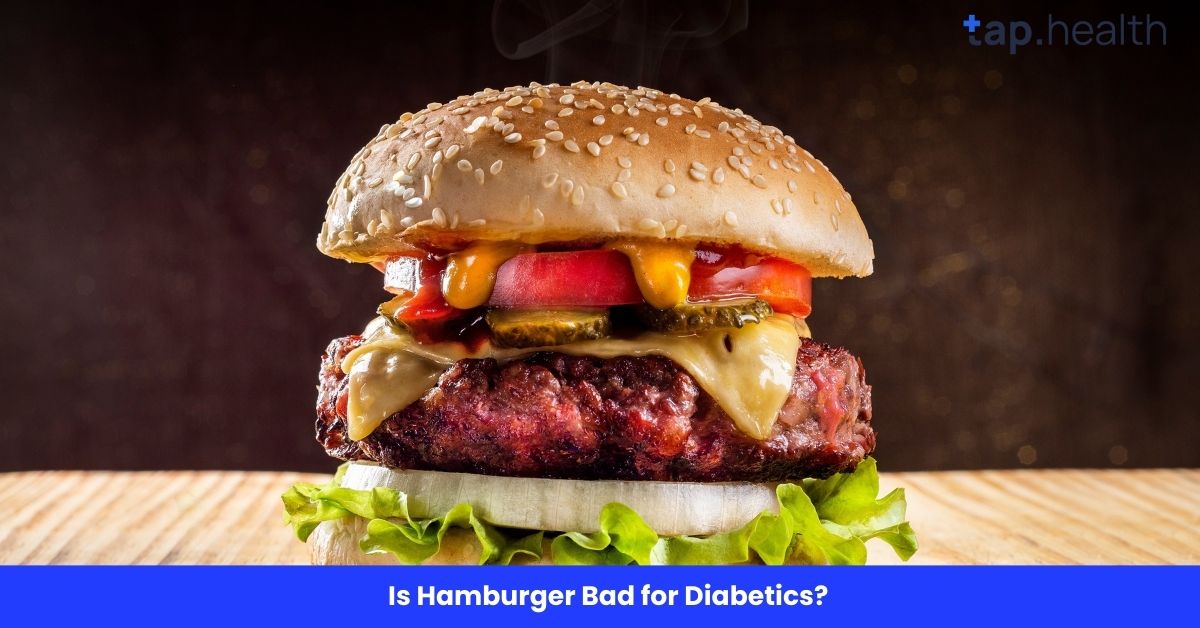
That classic image of a juicy hamburger—the toasted bun, the sizzling beef patty, the melt-in-your-mouth cheese, and the drip of special sauce—is a symbol of easy, delicious comfort food. But if you’re managing diabetes, that same image might trigger a wave of worry. You’ve probably heard that you need to avoid “junk food,” and a hamburger often gets lumped into that category.
So, does that mean you have to forever say goodbye to backyard barbecues and Friday night dinners? Is hamburger officially “bad” for diabetics?
The answer isn’t a simple yes or no. It’s more like: “It depends entirely on the hamburger.”
A drive-thru double cheeseburger with bacon? Yes, that’s likely a poor choice that can wreak havoc on your blood sugar. But a thoughtfully prepared, homemade burger with smart swaps? That can be a completely different story—a balanced meal that satisfies your craving without derailing your health goals.
This article will be your complete guide. We’ll dissect the humble hamburger, piece by piece, to understand what makes it risky and, more importantly, how you can transform it into a safe, enjoyable, and even nutritious part of your diabetic diet. Let’s dig in.
Why the Traditional Hamburger Gets a Bad Rap
To understand how to make a burger better, we first need to understand what makes the typical version a problem for blood sugar control. There are three main culprits:
1. The Blood Sugar Rocket: The Bun
The foundation of most burgers is a soft, white bun. This isn’t just any carbohydrate; it’s a refined carbohydrate. This means it’s made from flour that has been stripped of its fiber and nutrients.
- What Happens: When you eat this refined bun, your body breaks it down into glucose (sugar) extremely quickly. This glucose shoots straight into your bloodstream, causing a rapid and dramatic spike in your blood sugar levels. It’s a short-lived energy burst that often leads to a crash later, leaving you feeling tired and hungry again.
2. The Fat and Sodium Bomb: The Patty and Toppings
A standard hamburger patty is often made from 70/30 or 80/20 ground beef—meaning it’s 20-30% fat. While this fat makes it juicy, it’s primarily unhealthy saturated fat.
- The Heart Health Link: For people with diabetes, managing heart health is crucial, as diabetes increases the risk of heart disease. A diet high in saturated fat can raise LDL (“bad”) cholesterol levels, adding to this risk.
- The Delayed Spike: Fat doesn’t raise blood sugar directly, but it can slow down digestion. This might sound good, but it can sometimes cause a delayed blood sugar rise hours after you’ve finished eating, making it harder to manage.
Add in processed toppings like bacon and cheese, and you’re adding even more saturated fat and sodium, which can contribute to high blood pressure.
3. The Hidden Sugar Trap: Sauces and Condiments
This is where the real sneak attack happens. You might be careful with the bun and even choose a lean patty, but then drown it in sugary sauces.
- Ketchup: A single tablespoon can contain around 4 grams of sugar. Most people use much more.
- Barbecue Sauce: This is often a sugar powerhouse, sometimes containing high-fructose corn syrup as its first ingredient.
- Special Sauces & Honey Mustard: These are typically loaded with added sugars and unhealthy fats.
When you combine a fast-digesting bun with a high-fat patty and sugar-laden sauces, you create a “perfect storm” for poor blood sugar control, weight gain, and increased cardiovascular risk.
Is Hamburger Bad for Diabetics?
Now, the main question: Is a hamburger bad for diabetics? The answer is not a simple yes or no. While a traditional hamburger may not be the best option for people with Type 2 diabetes, it’s not inherently harmful either. It all depends on the ingredients, portions, and modifications you make to the meal.
The Diabetic Plate Method: Your Burger Blueprint
Instead of thinking in terms of “good” and “bad” foods, a more helpful approach is to use the Diabetic Plate Method. This is a simple visual tool recommended by dietitians to build balanced meals.
Imagine your plate divided into three sections:
- Half (50%) of the plate: Non-starchy vegetables (like lettuce, tomatoes, onions, mushrooms, peppers).
- A quarter (25%) of the plate: Lean protein (this is your burger patty!).
- A quarter (25%) of the plate: Quality carbohydrates (this is where your bun, or a substitute, goes).
This method ensures you get plenty of fiber to slow sugar absorption, enough protein to feel full, and a controlled amount of carbs for energy. This is the exact blueprint we’ll use to build a better burger.
Building a Diabetes-Friendly Burger: Your Step-by-Step Guide
Let’s break down the burger and rebuild it the right way, from the bottom up.
Step 1: Reinvent the Bun (The Carbohydrate)
This is your biggest opportunity to cut carbs and add nutrients.
Great Swaps:
- Whole-Wheat or Whole-Grain Bun: This is the best direct swap. Look for buns where the first ingredient is “whole-wheat flour” or “whole-grain flour.” The fiber in whole grains slows down digestion, preventing a blood sugar spike. Aim for a bun with at least 3 grams of fiber.
- Portobello Mushroom Caps: Large, grilled portobello mushroom caps are meaty, flavorful, and make a fantastic, low-carb “bun.”
- Lettuce Wraps: Using large, sturdy lettuce leaves like iceberg or romaine is a classic, crunchy, and ultra-low-carb option.
- Open-Faced or Half the Bun: The simplest trick! Just eat your burger with the bottom bun only. You instantly cut the refined carbs in half.
What to Avoid: White flour buns, brioche buns (high in sugar and butter), and oversized bakery buns.
Step 2: Choose a Lean, Mean Patty (The Protein)
The patty is the heart of the burger and your source of satisfying protein.
Excellent Choices:
- 93% Lean Ground Beef or Higher: This significantly reduces the saturated fat content. To keep it moist, mix in finely chopped onions, mushrooms, or peppers.
- Ground Turkey or Chicken Breast: Ensure it’s made from breast meat, not darker meat and skin, which can be higher in fat. Season well with herbs and spices.
- Salmon or Tuna Patties: An excellent way to get heart-healthy omega-3 fatty acids.
- Homemade Black Bean or Lentil Patties: Plant-based options packed with fiber and protein.
What to Avoid: Fatty ground beef (70/30, 80/20), pre-made frozen patties (often high in sodium and preservatives), and fried patties.
Step 3: Pile on the Plants (The Non-Starchy Vegetables)
This is how you fill half your plate! Toppings add volume, crunch, flavor, and a powerful dose of blood-sugar-stabilizing fiber.
Load Up On:
- Leafy Greens: Lettuce, spinach, arugula
- Sliced Veggies: Tomato, onion, pickles (check for no added sugar), cucumbers, jalapeños
- Grilled Veggies: Mushrooms, bell peppers, onions
- Avocado: A great source of healthy monounsaturated fat and creaminess.
Step 4: Sauce it Smartly (The Flavor)
This step is crucial for avoiding hidden sugars.
Smart, Flavorful Choices:
- Mustard: Yellow, Dijon, or whole grain—most are sugar-free.
- Sugar-Free Ketchup: Brands like Heinz [Simply No Sugar Added] are great.
- Guacamole or Mashed Avocado: Adds creaminess and healthy fats instead of mayo.
- Hummus: A surprising and delicious spread that adds protein and fiber.
- Greek Yogurt Sauce: Mix plain Greek yogurt with herbs, lemon juice, and garlic for a creamy, protein-packed sauce.
- Hot Sauce: Most are low in carbs and calories.
- A thin spread of light mayonnaise (use sparingly).
What to Avoid: Regular ketchup, barbecue sauce, honey mustard, teriyaki sauce, and special “secret sauces.”
Step 5: The Cheese Please? Question
Cheese adds protein and calcium but also saturated fat and sodium.
- If you want cheese, choose a strong-flavored variety like sharp cheddar, feta, or pepper jack. You can use less and still get a big flavor punch.
- Stick to one slice.
- Consider skipping it and getting your creaminess from avocado or a yogurt-based sauce instead.
What About the Side Dish?
A burger often comes with a side, and the classic choice—French fries—is a double whammy of refined carbs and unhealthy fats.
Healthier Sidekick Options:
- A Large Side Salad: Your best bet. Use a light vinaigrette.
- Fresh Veggie Sticks: Carrots, celery, bell pepper strips with hummus.
- Grilled Vegetables: Zucchini, asparagus, or eggplant.
- A Small Apple or a handful of berries.
- A Small Portion of Baked Sweet Potato Fries: (Homemade, with a light spray of oil).
The Drive-Thru Dilemma: Navigating Fast Food
Sometimes, you’re stuck with fast food. You can still make better choices.
Your Fast-Food Survival Strategy:
- Order À La Carte: Skip the combo meal. Just order the burger.
- Go Basic: Choose a simple, single hamburger or cheeseburger. Avoid anything with “double,” “bacon,” or “crispy” in the name.
- Sauce on the Side (or None at All): Ask for no ketchup, no mayo, no special sauce. Add your own mustard.
- Bun Surgery: Take off the top half of the bun and eat it open-faced.
- Hydrate Wisely: Choose water, unsweetened iced tea, or black coffee instead of soda.
Example Order: “Can I have a hamburger, no ketchup, with extra lettuce and onion? And just the burger, please, no meal.”
Real-Life Scenario: Enjoying a Healthy Burger with Type 2 Diabetes
Let’s say you’re having a family barbecue, and hamburgers are being served. Here’s how you can enjoy a burger without negatively affecting your blood sugar levels:
- Choose a lean meat patty: Opt for turkey or chicken instead of beef.
- Go for a lettuce wrap or whole-grain bun: Skip the refined white bun and choose a lettuce wrap or a whole-grain bun.
- Add vegetables: Top your burger with tomatoes, onions, and spinach for added nutrients and fiber.
- Use sugar-free condiments: Choose mustard or sugar-free ketchup instead of regular ketchup or barbecue sauce.
- Pair with a salad: Instead of fries, enjoy a side salad to keep the meal balanced.
By making these small changes, you can enjoy a hamburger while keeping your blood sugar under control.
Expert Contribution: What Do Health Experts Say About Eating Hamburgers with Diabetes?
Many nutrition experts agree that the key to eating a hamburger with Type 2 diabetes is making healthier choices and being mindful of portion sizes. Dr. Rachel Johnson, a registered dietitian, advises that people with Type 2 diabetes can have hamburgers occasionally but should focus on:
- Lean protein options (like turkey or plant-based burgers)
- Whole grain or low-carb buns
- Fiber-rich toppings like lettuce, tomatoes, and onions
- Limiting high-fat condiments and avoiding sugary sauces
Dr. Johnson also emphasizes the importance of overall diet and lifestyle changes. Regular exercise and maintaining a healthy weight are just as important as the foods you eat in managing diabetes.
Recommendations Grounded in Proven Research and Facts
Research consistently supports the idea that eating a balanced diet with a focus on whole foods can help manage blood sugar levels in Type 2 diabetes. According to the American Diabetes Association (ADA), a healthy diet for diabetes includes:
- Fruits and vegetables
- Whole grains
- Lean proteins
- Healthy fats
Additionally, research shows that reducing processed foods, including high-carb items like white bread and fast food, can help improve blood sugar control. By making the right choices and moderating portion sizes, diabetics can enjoy burgers without sacrificing their health.
The Final Verdict: Is Hamburger Bad for Diabetics?
So, is hamburger bad for diabetics?
The answer is that a traditional, fast-food-style hamburger is a poor choice for consistent blood sugar management and overall heart health.
However, a hamburger that you build yourself using the principles above is not bad at all. In fact, it can be a balanced, satisfying meal that fits perfectly into a healthy diabetic diet.
It’s not the concept of a hamburger that’s the problem; it’s the typical execution. By swapping out the problematic parts—the refined bun, fatty meat, and sugary sauces—and loading up on fiber-rich veggies, you take control. You transform a potential enemy into an ally.
You don’t have to give up the foods you love. You just have to learn to make them love you back.
Frequently Asked Questions (FAQ) on Is Hamburger Bad for Diabetics?
Q1: Can I eat a hamburger if I have type 2 diabetes?
A: Yes, you can. The key is to make smart choices about how the hamburger is prepared. Opt for a lean protein patty, a whole-grain or lettuce-wrapped bun, and load up on non-starchy vegetable toppings while avoiding sugary sauces. A homemade burger using these guidelines is a much better choice than a fast-food burger.
Q2: Will a hamburger raise my blood sugar?
A: It depends on the hamburger. A traditional burger with a white bun and special sauce will likely cause a significant blood sugar spike. A burger built with a whole-grain bun, lean meat, and lots of veggies will have a much milder impact due to the fiber and protein slowing down digestion. It’s always a good idea to check your blood sugar about 2 hours after eating to see how different meals affect you.
Q3: How often can a diabetic eat a hamburger?
A: There’s no strict rule, but it should be considered an occasional meal rather than a regular staple. Think of it as a once-in-a-while treat for a weekend barbecue. Your everyday diet should focus on meals with more non-starchy vegetables and lean proteins with moderate portions of whole grains.
Q4: Is a cheeseburger okay for diabetics?
A: It can be, in moderation. If you want cheese, choose a single slice of a strong-flavored cheese (like sharp cheddar) so you get more flavor with less product. Be aware that cheese adds saturated fat and sodium. A healthier alternative is to use avocado for a creamy texture.
Q5: What is the best meat for a diabetic burger?
A: The best meats are the leanest options:
- Ground beef that is 93% lean or higher.
- Ground turkey breast or ground chicken breast (check the label to ensure it’s not a mix of dark meat and skin).
- Fresh fish like salmon or tuna made into a patty.
- Plant-based patties made from beans or lentils (watch for sodium in store-bought versions).
Q6: Are turkey burgers better than beef burgers for diabetics?
A: Not necessarily. It all depends on the fat content. A turkey burger made from dark meat and skin can be higher in fat than a burger made from 93% lean ground beef. The best choice is the leanest option available, whether it’s turkey, chicken, or beef.
Q7: What can I eat with a burger instead of french fries?
A: Excellent alternatives include:
- A large side salad with a light dressing.
- Grilled vegetables like zucchini, peppers, or asparagus.
- Fresh vegetable sticks (carrots, celery, cucumbers) with hummus.
- A small piece of fruit, like an apple or a cup of berries.
Q8: Are plant-based burgers (Like Impossible or Beyond) a good choice?
A: They can be a convenient option, but they are often highly processed and can be high in saturated fat and sodium. They should be treated as an occasional choice, similar to a red meat burger. Always read the nutrition label carefully. A homemade black bean burger is often a healthier, less processed plant-based alternative.