Can You Overdose on Vitamins and Supplements?
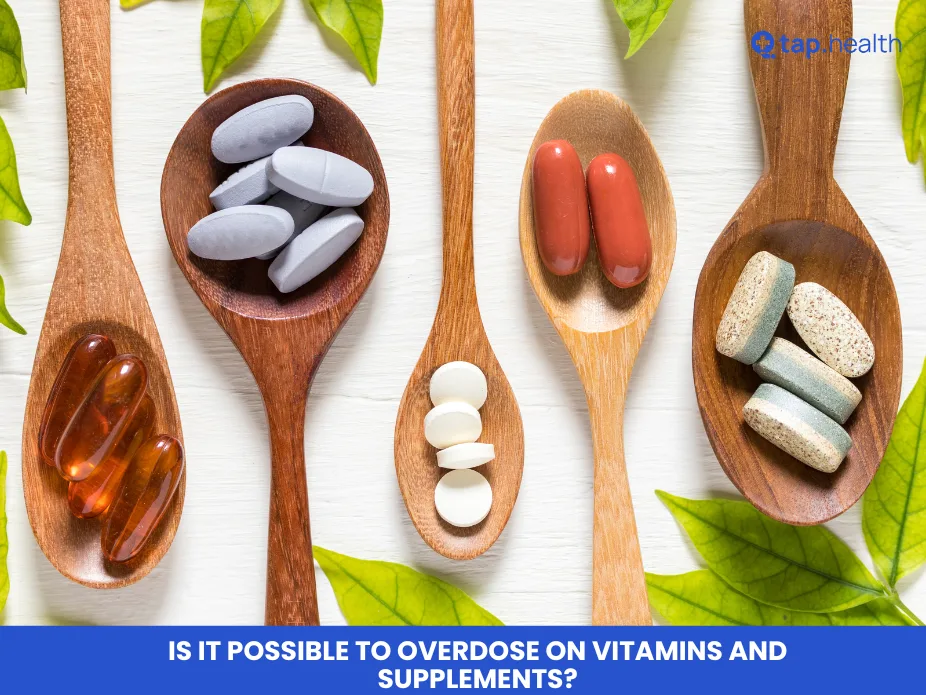
Yes, it is absolutely possible to overdose on vitamins and supplements. Even though they are marketed as natural and safe, taking too much — especially fat-soluble vitamins (A, D, E, K) and certain minerals — can lead to vitamin toxicity, hypervitaminosis, or serious health complications. Most people stay safe by following recommended doses, but megadoses, stacking multiple supplements, or ignoring food sources can quickly push you into dangerous territory.
Water-Soluble vs Fat-Soluble Vitamins: Why the Difference Matters
- Water-soluble vitamins (vitamin C, B-complex): Excess is usually peed out, so overdose is rare but still possible with extreme doses.
- Fat-soluble vitamins (A, D, E, K): Stored in liver and fat tissue, they build up over time and cause toxicity much more easily.
This is the key reason vitamin A toxicity, vitamin D toxicity, and similar conditions happen.
Common Vitamins and Supplements You Can Overdose On
- Vitamin A Overdose (Hypervitaminosis A) Symptoms: Nausea, dizziness, blurry vision, liver damage, bone pain Safe upper limit: 3,000 mcg/day (10,000 IU)
- Vitamin D Overdose (Vitamin D Toxicity / Hypercalcemia) Symptoms: Nausea, weakness, kidney stones, confusion, heart rhythm issues Safe upper limit: 4,000 IU/day for adults
- Vitamin E Overdose Symptoms: Increased bleeding risk, fatigue, nausea Safe upper limit: 1,000 mg/day (1,500 IU)
- Vitamin K Overdose (Rare) Symptoms: Interference with blood thinners, excessive clotting Safe upper limit: No official UL; caution above 1,000 mcg/day
- Iron Overdose (Iron Toxicity – Common in children) Symptoms: Vomiting, abdominal pain, organ failure in severe cases Safe upper limit: 45 mg/day
- Magnesium Overdose (Hypermagnesemia) Symptoms: Diarrhea, low blood pressure, irregular heartbeat Safe upper limit: 350 mg/day from supplements
- Zinc Overdose Symptoms: Nausea, vomiting, copper deficiency, weakened immunity Safe upper limit: 40 mg/day
Why Do Vitamin and Supplement Overdoses Happen?
- Weak regulation — some bottles contain more (or less) than the label says
- Taking multiple supplements that contain the same nutrient
- Megadosing because “if a little is good, more must be better”
- Not counting vitamins and minerals already in fortified foods and drinks
General Vitamin Overdose Symptoms to Watch For
- Nausea, vomiting, diarrhea
- Extreme fatigue or weakness
- Headaches, dizziness, confusion
- Bone or joint pain
- Irregular heartbeat or blood-pressure changes
- Unusual bleeding or bruising
- Kidney or liver problems
If you experience several of these after starting or increasing supplements, stop immediately and seek medical help.
How to Avoid Vitamin Toxicity and Stay Safe
- Stick to the recommended dose or RDA/UL on the label
- Use only one multivitamin unless advised otherwise
- Get blood tests before megadosing vitamin D, iron, B12, etc.
- Prioritize whole foods — they rarely cause overdose
- Talk to your doctor or dietitian, especially if pregnant, on medication, or managing a chronic condition
Can TapHealth Help You Use Vitamins Safely with Diabetes?
Yes! TapHealth provides personalized supplement guidance, tracks your daily nutrient intake from food + supplements, and sends alerts before you approach dangerous levels — extremely useful for people with diabetes who often take extra vitamin D, magnesium, chromium, or cinnamon supplements. Stay proactive, stay safe, and let TapHealth help you avoid vitamin overdose while supporting your blood sugar goals.
Sources:
- Mayo Clinic: Vitamin Toxicity
- National Institutes of Health (NIH): Vitamin and Mineral Overdose
- Harvard T.H. Chan School of Public Health: Vitamins and Supplements
FAQs About Vitamin and Supplement Overdose
Q1: Can I overdose on vitamins from food alone?
No, it is extremely rare to overdose on vitamins from food alone. The body regulates the absorption of nutrients from food, and it’s unlikely to consume harmful levels through natural sources.
Q2: How do I know if I’m overdosing on supplements?
Symptoms of an overdose can include nausea, headaches, dizziness, gastrointestinal issues, or unusual changes in bodily functions. If you experience these, consult a healthcare professional immediately.
Q3: Are multivitamins safer than individual vitamins?
Multivitamins generally contain smaller doses of each nutrient, reducing the risk of overdosing on any one vitamin or mineral. However, it’s still important to follow the recommended dosage and be cautious of combining multiple supplements.
Q4: Can overdose on vitamin D cause serious damage?
Yes, excessive vitamin D can lead to hypercalcemia, which can damage bones, kidneys, and the heart. It’s important to stick to recommended dosages and consult a doctor if considering high-dose vitamin D supplementation.
Q5: What should I do if I suspect an overdose?
If you suspect a vitamin or supplement overdose, contact a healthcare provider immediately. In cases of severe overdose, especially with fat-soluble vitamins or minerals, urgent medical attention may be required.