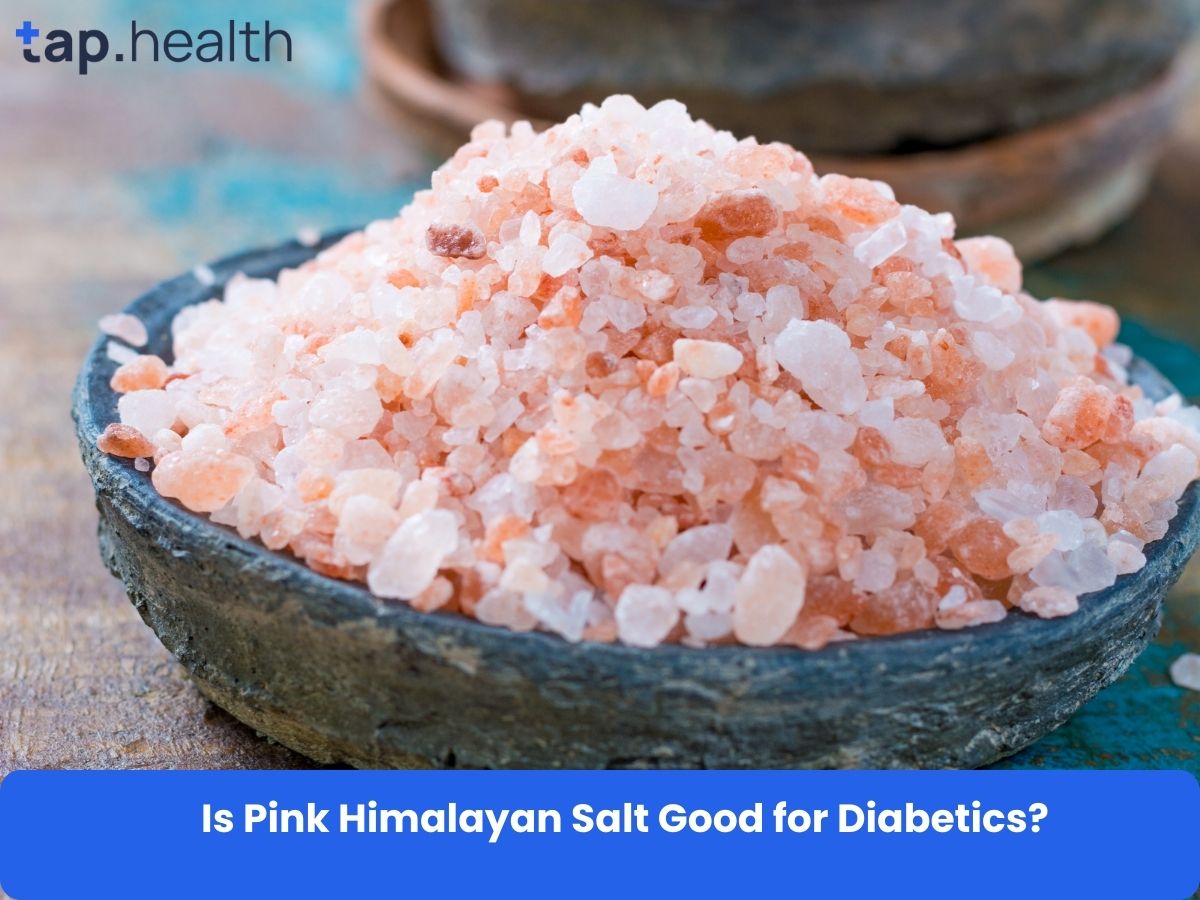
Walk into any modern Indian kitchen today, and you might notice a change. The classic white powder—the humble table salt—is slowly being replaced by coarse, beautiful pink crystals. From health food stores to your local kirana shop, Pink Himalayan Salt is everywhere.
You have probably heard the rumours. Some say it cures blood pressure. Others claim it detoxifies the body. And if you are managing diabetes, you might have heard the most exciting claim of all: that this pink salt is a “safer” or “healthier” option for your blood sugar.
But before you throw away your Tata Salt and switch completely, we need to answer a critical question: Is pink Himalayan salt good for diabetics?
Living with diabetes means you have to be a detective with your diet. You know sugar is the enemy, but what about salt? Does this trendy pink alternative actually help manage diabetes, or is it just expensive marketing?
In this detailed guide, written in simple Indian English, we will strip away the hype. We will explore the science behind the pink colour, the truth about its “84 minerals,” and whether it really makes a difference to your heart and kidney health.
What Exactly Is Pink Himalayan Salt?
To understand if it is good for you, you first need to know what it is.
Himalayan Pink Salt is a rock salt mined from the Khewra Salt Mine in Pakistan, located near the foothills of the Himalayas. It is essentially ancient sea salt. Millions of years ago, a massive ocean dried up, leaving behind these salt deposits.
Why Is It Pink?
The beautiful pink colour isn’t a dye. It comes from Iron Oxide (rust) found naturally in the salt. It also contains trace amounts of calcium, magnesium, and potassium.
Unlike regular table salt, which is heavily processed and bleached, Himalayan salt is usually hand-mined and minimally processed. This means it doesn’t contain the anti-caking agents (chemicals that stop salt from clumping) found in standard white salt.
Read this: Is Sea Salt Good for Diabetics?
The Core Question: Is Pink Himalayan Salt Good for Diabetics?
Let’s get straight to the point. Is pink salt better than regular salt for someone with diabetes?
The short answer is: Marginally, yes—but not because it lowers blood sugar.
There is a dangerous myth floating around that simply switching to pink salt will fix your diabetes. This is false. Salt—whether pink, white, or black—is primarily Sodium Chloride. It does not lower blood sugar directly.
However, for a diabetic, the concern isn’t just sugar; it is the heart and kidneys.
- The Benefit: Pink salt is more natural and free from chemical additives.
- The Reality: It still contains about 98% sodium chloride. If you eat too much of it, it will harm your body just like regular salt.
The “84 Minerals” Claim: Truth or Marketing?
You will often read that Himalayan salt contains “84 essential minerals” that can help improve insulin sensitivity. This sounds amazing, but let’s look at the maths.
The Truth:
Yes, chemical analysis shows traces of up to 84 minerals like magnesium, potassium, and calcium.
- The Catch: These minerals exist in tiny, microscopic amounts.
- The Example: To get the same amount of potassium found in one banana, you would have to eat several kilograms of pink salt!
For Diabetics: While these trace minerals are nice to have, relying on salt to get your nutrients is dangerous. You are much better off getting your magnesium from spinach (palak) or almonds (badam).
Himalayan Pink Salt vs. Regular Table Salt: The Diabetic Showdown
Let’s compare the two contenders side-by-side to see which salt is good for health when you have diabetes.
| Feature | Regular Table Salt | Pink Himalayan Salt |
| Sodium Content | Very High (approx. 2300mg per tsp) | High (approx. 2200mg per tsp) |
| Processing | Heavily Refined | Minimally Processed |
| Additives | Anti-caking agents included | Usually None |
| Iodine | Fortified (Added) | Very Low (Natural traces only) |
| Minerals | Stripped away | Trace amounts present |
The Sodium Surprise
Many people think pink salt has much less sodium. This is a half-truth.
Chemically, they are almost the same. However, pink salt crystals are larger and coarser.
- If you measure by a spoon, fewer pink crystals fit on the spoon compared to fine white powder.
- So, a teaspoon of pink salt does have slightly less sodium than a teaspoon of white salt—but only because there is more air gaps between the crystals!
Potential Benefits for Diabetics
If it doesn’t lower sugar, why do some doctors prefer it?
1. Fewer Additives
Diabetics often have sensitive systems. Regular salt contains anti-caking agents like sodium aluminosilicate. Pink salt is usually 100% natural. If you are trying to eat a “clean” diet, pink salt fits better.
2. Better Flavour Intensity
Because pink salt has a coarser texture and mineral taste, many people find it has a stronger flavour.
- The Strategy: You might end up using less salt overall to achieve the same salty taste in your dal or curry. Eating less salt is a huge win for a diabetic’s blood pressure.
3. Hydration Support
Diabetes can lead to dehydration (due to frequent urination). The trace electrolytes in pink salt may help slightly with fluid balance, though water is still your best friend.
The Risks: Why Diabetics Must Be Careful
We cannot talk about is Himalayan salt good for diabetics without discussing the dangers. The biggest threat to a diabetic is not just sugar—it is High Blood Pressure (Hypertension).
1. The Blood Pressure Trap
About 2 out of 3 diabetics also have high blood pressure.
- The Mechanism: Sodium holds water. When you eat too much salt, your body holds onto fluid. This increases blood volume and raises blood pressure.
- The Danger: High blood pressure damages your arteries and heart. Since pink salt is 98% sodium, eating it freely because you think it is “healthy” can cause a stroke or heart attack.
2. The Kidney Connection (Nephropathy)
Your kidneys are filters. High blood sugar damages these filters. High salt intake puts extra pressure on them.
- Warning: If you have Diabetic Kidney Disease, pink salt is not a free pass. You must limit your sodium intake strictly, regardless of the type of salt.
3. The Iodine Issue
This is crucial for Indians. Most table salt in India is Iodized to prevent thyroid problems (Goiter). Pink salt does not have enough iodine naturally.
- The Risk: If you switch 100% to pink salt, you risk developing an iodine deficiency, which can mess up your metabolism—something a diabetic definitely doesn’t need.
Real-Life Scenario
Let’s make this relatable.
Meet Ramesh (52, Type 2 Diabetic):
Ramesh loves his food. When diagnosed with diabetes, he cut out sugar but missed the flavour. He read on WhatsApp that “Pink Salt cures BP.”
The Mistake: Ramesh threw away his Tata Salt and bought a jar of expensive Pink Salt. He started adding it generously to his salads and fruits, thinking it was medicine.
The Reality Check: Three months later, his HbA1c was stable, but his Blood Pressure had spiked to 150/95.
The Lesson: His doctor explained, “Ramesh, salt is salt. Your heart doesn’t care if it’s pink or white. You need to reduce the amount, not just change the colour.”
Expert Contribution
We consulted Dr. A. Mehta, a Senior Diabetologist, to get a professional verdict on is pink salt good for diabetes.
“I see many patients falling for the ‘health halo’ effect. They buy healthy-sounding products like brown sugar or pink salt and then over-consume them. For a diabetic, Pink Himalayan Salt is fine to use—it has a nice texture and fewer chemicals. But do not treat it as a supplement. It will not lower your blood sugar. If you have hypertension, you should not exceed one teaspoon of any salt per day. Also, please ensure you are getting iodine from other sources like dairy or seafood if you stop using iodized salt.”
Recommendations Grounded in Proven Research and Facts
According to the American Heart Association (AHA) and Mayo Clinic:
- The Sodium Limit: Ideally, people with diabetes should limit sodium to 1,500 mg to 2,300 mg per day. This is roughly one teaspoon of salt. This limit applies to pink salt too.
- The Iodine Balance: If you use pink salt, alternate it with iodized salt to protect your thyroid. Or, ensure you eat foods rich in iodine (yogurt, eggs, fish).
- Read Labels: Just because a packet says “Himalayan,” check the nutrition label. Some brands mix it with regular salt or anti-caking agents anyway.
How to Use Himalayan Salt Safely in a Diabetic Diet
If you want to use pink salt, here is the smart way to do it:
- Use it as a “Finishing” Salt: Don’t dissolve expensive pink salt in boiling pasta water or rice. Sprinkle it on top of a salad, grilled paneer, or sliced cucumber just before eating. The large crystals hit your tongue instantly, giving you a salty kick with less actual sodium.
- Skip the “Sole Water”: There is a trend of drinking “Sole water” (saturated salt water) in the morning. Do not do this if you have diabetes or high BP. It is a sodium bomb that strains your kidneys immediately.
- Combine with Herbs: To lower sodium further, mix pink salt with black pepper, cumin (jeera), or lemon juice. Flavour comes from spices, not just salt.
Other Salt Alternatives: Is Rock Salt Good for Diabetes?
In India, we also use Rock Salt (Sendha Namak/Kala Namak).
- Is it good? Similar to pink salt, it is less processed and has a distinct sulphur-like flavour.
- The Verdict: It is a good alternative for taste, and Ayurveda considers it cooling. But again, it is high in sodium. Use it for flavour, not as a health cure.
Key Takeaways
- No Magic Cure: Pink Himalayan Salt does not lower blood sugar.
- Chemical Profile: It is 98% Sodium Chloride, just like table salt.
- The Advantage: It is natural, unprocessed, and free from additives, which is better for overall wellness.
- The Danger: Overeating pink salt can raise blood pressure and damage kidneys just as fast as white salt.
- Iodine Alert: It lacks iodine. Make sure you get iodine from other foods.
- Best Practice: Use it for its texture and taste, but keep your total daily intake under one teaspoon.
FAQ: Frequently Asked Questions
Does pink Himalayan salt lower blood sugar?
No, there is no scientific evidence that pink Himalayan salt lowers blood sugar. While it contains trace minerals like magnesium (which helps insulin), the amount is too small to have any impact on your glucose levels.
Is rock salt (Sendha Namak) good for diabetes?
Yes, rock salt is a decent option because it is unprocessed and lacks chemical additives. However, like pink salt, it is still high in sodium. It should be used in moderation to prevent high blood pressure.
Who should not take Himalayan salt?
People with Chronic Kidney Disease (CKD) or severe Congestive Heart Failure should be extremely careful. Even the trace minerals (like potassium) could be problematic if your kidneys are failing, and the sodium content is dangerous for fluid retention.
Can I eat Himalayan salt if I have high blood pressure?
You can, but you must limit the quantity. Pink salt raises blood pressure just like white salt does. If you have hypertension, stick to the daily limit of 2,300mg (one teaspoon) total sodium from all sources.
Is pink salt better than regular salt?
It is “better” in the sense that it is natural and unrefined. However, medically speaking, regarding heart health and diabetes, it is not significantly better. The lack of iodine in pink salt is also a downside compared to iodized table salt.
How much pink Himalayan salt to add to water?
If you are making an electrolyte drink, a tiny pinch (1/8th of a teaspoon) in a glass of water is enough. Do not drink concentrated salt water if you are diabetic or hypertensive, as it can cause a rapid spike in blood pressure.
What type of salt is better for diabetics?
The best salt for a diabetic is less salt. However, if you must choose, a rotation of Iodized Salt (for thyroid health) and Pink/Rock Salt (for natural minerals) is a balanced approach. Some diabetics also use Low Sodium Salt (Potassium Chloride), but this must only be done with a doctor’s permission as it affects the kidneys.
Is Himalayan pink salt good for you?
Yes, generally speaking, it is a healthy, natural product. It avoids the anti-caking agents found in processed salt. As long as you don’t treat it as a vitamin supplement and keep your intake low, it is a great addition to your kitchen.
References
- Mayo Clinic: Sea salt vs. table salt: What’s the difference?
- WebMD: Himalayan Pink Salt: Are There Health Benefits?
- Medical News Today: Does pink Himalayan salt have any health benefits?
Disclaimer: This article is for educational purposes only. Always consult your doctor or dietitian before making significant changes to your diet, especially if you have kidney conditions or high blood pressure.