If you’re pregnant and managing gestational diabetes, you’re probably scanning every food label and Googling every snack. One question that pops up often: Is pomegranate juice good for gestational diabetes?
It’s a fair question. Pomegranate juice is known for being “super healthy.” But when you’re dealing with blood sugar spikes during pregnancy, “healthy” doesn’t always mean “safe.”
In this guide, we’ll break down everything you need to know—without the confusing medical jargon. We’ll cover:
- What gestational diabetes is (quick refresher)
- What’s in pomegranate juice that might help (or hurt)
- How it affects blood sugar
- Safe ways to drink it (if at all)
- What experts and studies say
- Alternatives if it’s not right for you
Let’s get into it.
What Is Gestational Diabetes?
Before we talk juice, let’s talk about the condition itself.
Gestational diabetes (GD) is a type of diabetes that shows up during pregnancy—usually around the 24th to 28th week. It happens when your body can’t make enough insulin (the hormone that controls blood sugar) to handle the extra demands of pregnancy.
Important note: It’s not your fault. It’s not because you ate too much sugar. Hormones from the placenta can make your cells less responsive to insulin. That’s called “insulin resistance.”
Most women with GD have healthy pregnancies and babies—but it does require careful management. Uncontrolled blood sugar can lead to:
- Larger babies (which can complicate delivery)
- Low blood sugar in newborns
- Higher chance of C-section
- Increased risk of type 2 diabetes later for mom and baby
That’s why every bite—and sip—matters.
What’s in Pomegranate Juice?
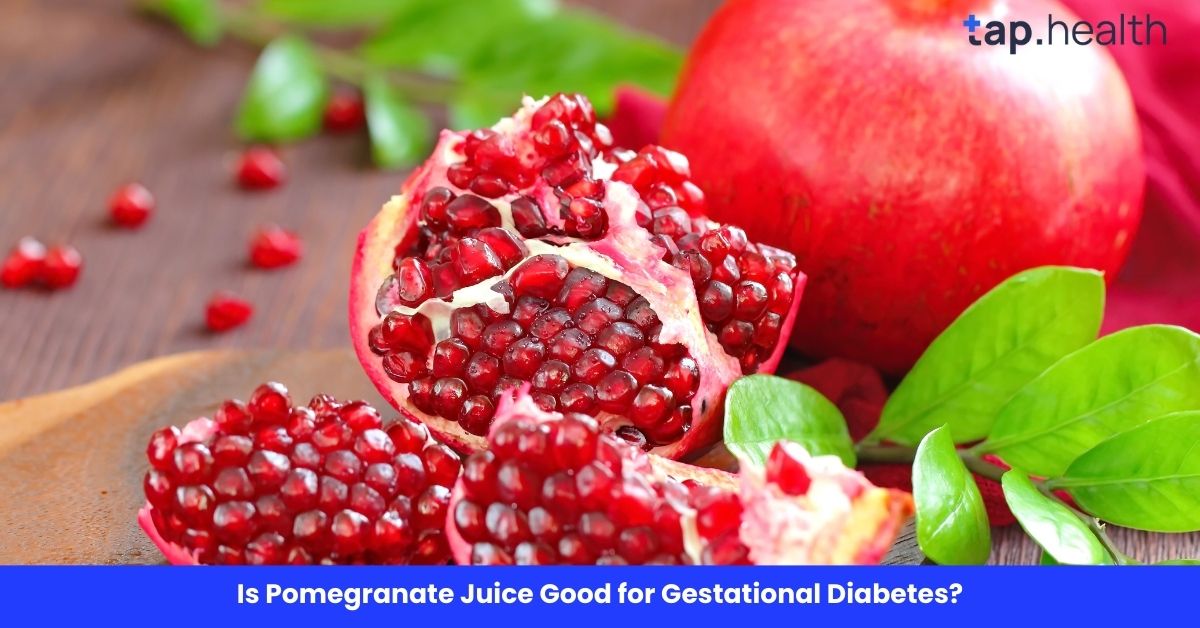
Pomegranate juice is made by pressing the seeds (called arils) of the pomegranate fruit. It’s deep red, slightly tart, and packed with nutrients.
Here’s what you’ll find in an 8-ounce (240ml) glass of 100% pure pomegranate juice:
- Calories: ~130–150
- Carbs: ~30–35 grams
- Sugar: ~30 grams (naturally occurring)
- Fiber: Almost none (juice removes the pulp)
- Vitamin C: About 25% of your daily need
- Vitamin K, folate, potassium: Good amounts
- Antioxidants: Very high—especially punicalagins and anthocyanins
Why Antioxidants Matter
Antioxidants fight damage in your body caused by “free radicals.” During pregnancy, your body is under extra stress. More antioxidants = better protection for you and baby.
Pomegranate juice has 3x the antioxidants of green tea or red wine (yes, really). That’s why it’s often called a “superfood.”
But here’s the catch: superfood doesn’t mean “free pass” when you have gestational diabetes.
Does Pomegranate Juice Spike Blood Sugar?
This is the million-dollar question.
Short answer: Yes, it can.
Even though the sugar in pomegranate juice is natural (not added), your body doesn’t care. Sugar is sugar. When you drink juice, it hits your bloodstream fast—especially since there’s no fiber to slow it down.
Compare it to eating whole pomegranate seeds:
- Whole seeds: Fiber slows sugar absorption → gentler rise in blood sugar
- Juice: No fiber → sugar rushes in → blood sugar spikes
Real-life example:
One mom tested her blood sugar after drinking 4 oz of pomegranate juice. Her fasting level was 90 mg/dL. One hour later? 158 mg/dL. That’s above the recommended 140 mg/dL for GD moms after meals.
So while pomegranate juice has great stuff inside, the sugar load can be risky.
Can Pomegranate Juice Actually Help Gestational Diabetes?
Now, here’s where it gets interesting.
Some studies suggest pomegranate juice might help improve insulin sensitivity. That means your body could use insulin better—which is exactly what you want with GD.
A 2014 study published in the Journal of Research in Medical Sciences found that women with gestational diabetes who drank 200ml (about 7 oz) of pomegranate juice daily for 6 weeks had:
- Lower fasting blood sugar
- Improved insulin levels
- Reduced oxidative stress (thanks to antioxidants)
Another study in Phytotherapy Research (2019) showed pomegranate extract helped reduce inflammation and improve blood vessel function—important for preventing complications.
But—Big Caveat
These studies used controlled portions and monitored participants closely. They didn’t say, “Drink as much as you want!” Also, most studies used pure, unsweetened juice—not the sugary blends you find at the grocery store.
So yes, there’s potential benefit—but only if you’re super careful.
How Much Pomegranate Juice Is Safe?
If your doctor or dietitian says it’s okay to try, here’s how to do it safely:
Start Small
- Begin with 2–4 ounces (60–120ml) max per day.
- Always drink it with a meal or snack that has protein or healthy fat (like nuts, cheese, or Greek yogurt). This slows sugar absorption.
Test Your Blood Sugar
- Check your level before drinking.
- Check again 1 hour after.
- If it goes over 140 mg/dL, it’s probably too much for you.
Dilute It
Mix 2 oz juice with 6 oz water or sparkling water. You’ll still get flavor and antioxidants—with less sugar shock.
Avoid These Versions
- Juice “cocktails” or “drinks” (they add sugar)
- Bottles with “high fructose corn syrup” or “cane sugar” in ingredients
- Concentrates unless you dilute them yourself
Look for: “100% pomegranate juice, no sugar added.”
What Do Doctors and Dietitians Say?
We checked guidelines from:
- American Diabetes Association (ADA)
- Academy of Nutrition and Dietetics
- Mayo Clinic
- Cleveland Clinic
Here’s the consensus:
“Fruit juice, even 100% pure, should be limited in gestational diabetes due to high sugar content and low fiber. If consumed, keep portions small and monitor blood glucose closely.”
— Academy of Nutrition and Dietetics
Dr. Yasmine S. Ali, a cardiologist and diabetes expert, says:
“The antioxidants in pomegranate juice are impressive, but the sugar can undo the benefits for GD moms. Think of it like medicine—small, measured doses only.”
Bottom line: Most experts don’t ban it outright—but they don’t recommend it freely either. It’s a “sometimes food,” not an everyday drink.
What Are the Risks of Drinking Too Much?
Even “healthy” juice can cause problems if you overdo it.
Blood Sugar Spikes
As we covered, juice = fast sugar. Repeated spikes can lead to:
- Fatigue
- Increased insulin resistance
- Risk of large baby or preterm birth
Weight Gain
Extra calories from juice (even healthy ones) can add up. GD already makes weight management trickier.
Dental Issues
Pomegranate juice is acidic and sugary. Sip it through a straw and rinse your mouth with water afterward to protect teeth.
Interactions with Medications
If you’re on insulin or metformin, juice can mess with your dosing. Always check with your care team.
Can Pomegranate Juice Replace Medication?
Absolutely not.
No juice, supplement, or “natural remedy” can replace medical treatment for gestational diabetes. If your doctor prescribes insulin or metformin, it’s because your body needs that help to keep you and baby safe.
Pomegranate juice might support your efforts—but it’s not a substitute.
Think of it like this:
- Medication = main tool
- Diet, exercise, stress management = support tools
- Pomegranate juice (if used right) = tiny bonus tool
Don’t gamble with your pregnancy.
What’s Better: Whole Pomegranate or Juice?
Hands down—whole pomegranate seeds (arils) are better.
Why?
- Fiber: Slows sugar absorption → steadier blood sugar
- Volume: You feel full faster → less likely to overeat
- Chewing: Slows down eating → better portion control
A half-cup of pomegranate arils has:
- 72 calories
- 16 grams carbs
- 12 grams sugar
- 3.5 grams fiber
Compare that to 4 oz juice:
- 70 calories
- 17 grams carbs
- 16 grams sugar
- 0 grams fiber
Same sugar, no fiber. Big difference in how your body handles it.
Pro tip: Sprinkle arils on yogurt, oatmeal, or salad. You get crunch, flavor, and blood sugar control.
Are There Any Success Stories?
Yes! Some moms have used small amounts of pomegranate juice successfully—with careful monitoring.
Maria’s Story (shared with permission):
“I was diagnosed with GD at 26 weeks. My dietitian said I could try 2 oz of pomegranate juice with breakfast if I paired it with eggs and avocado. I tested my sugar every time. Most days, I stayed under 130 at 1 hour. It became my little treat—and the antioxidants helped my energy.”
Jen’s Mistake:
“I drank a full glass thinking ‘it’s natural, it’s fine.’ My sugar shot to 180. Lesson learned—portion control is everything.”
Real people, real results—good and bad. It’s all about how you use it.
What Do Studies Really Say? (Deep Dive)
Let’s look at the actual research—not headlines.
Study 1: Journal of Research in Medical Sciences (2014)
- 44 women with GD
- Group A: 200ml pomegranate juice daily for 6 weeks
- Group B: Placebo drink
- Results: Group A had significantly lower fasting glucose and insulin resistance
Limitation: Small sample. All participants were closely monitored. Not “real world” for most moms.
Study 2: Phytotherapy Research (2019)
- Lab and animal studies show pomegranate compounds improve insulin signaling
- Human trials are limited but promising
Study 3: Food & Function Journal (2020)
- Pomegranate polyphenols reduced inflammation markers in pregnant women
- Inflammation is linked to worse GD outcomes
Takeaway: Science supports potential benefits—but human data is still emerging. No large-scale, long-term trials yet.
How to Choose the Best Pomegranate Juice
Not all bottles are created equal. Here’s your shopping cheat sheet.
Look For:
“100% pomegranate juice”
“No sugar added”
Dark red color (indicates high antioxidant content)
Cold-pressed or high-pressure processed (HPP) if possible (retains more nutrients)
Avoid:
“Cocktail,” “blend,” or “drink” (means added sugar)
Ingredients list with anything other than “pomegranate juice”
Clear or pink juice (likely diluted or fake)
Best Brands (U.S.):
- POM Wonderful (100% juice version)
- Lakewood Organic Pomegranate Juice
- Dynamic Health Pure Pomegranate Juice
Always read the label. Even “healthy” brands sometimes sneak in apple or grape juice to cut costs.
Can You Drink It Every Day?
Probably not—and definitely not without checking with your care team.
Daily use increases the risk of:
- Consistent blood sugar spikes
- Excess calorie intake
- Reduced sensitivity to portion sizes
Better approach: Treat it like dessert.
Have it 2–3 times a week max, always with a balanced meal, always test after. If your numbers stay stable, great. If not, pause and reassess.
What If You Crave It?
Cravings during pregnancy are real. If you’re dreaming of that tart-sweet flavor, try these tricks:
1. Frozen Pomegranate “Pops”
Blend 2 oz juice with 6 oz water, pour into ice pop molds, freeze. Lick slowly—sugar enters bloodstream slower.
2. Sparkling Spritzer
Mix 1 oz juice with 7 oz sparkling water + squeeze of lime. Feels fancy, sips longer.
3. Yogurt Swirl
Stir 1 tbsp juice into plain Greek yogurt. Protein + fat = blood sugar buffer.
4. Eat the Seeds
Seriously—keep a container of arils in the fridge. Crunchy, juicy, satisfying.
What Are the Best Alternatives?
If pomegranate juice feels too risky, here are safer, GD-friendly drinks:
1. Water (Yes, Really)
Boring but best. Add cucumber, mint, or lemon for flavor.
2. Herbal Teas (Unsweetened)
Rooibos, ginger, or berry blends. Warm or iced.
3. Vegetable Juices (Low-Sugar)
Try 4 oz tomato juice or green juice (kale + cucumber + lemon). Check labels!
4. Milk (Unsweetened)
Almond, soy, or dairy milk (if tolerated). Protein helps balance blood sugar.
5. Infused Water with Pomegranate Seeds
Drop a spoonful of arils into your water bottle. You get flavor and antioxidants—with almost no sugar impact.
Does Pomegranate Juice Help with Swelling or Blood Pressure?
Some moms wonder if it helps with common pregnancy side effects.
Swelling (Edema)
No direct evidence. But antioxidants may improve circulation, which might help reduce fluid retention slightly. Don’t count on it.
Blood Pressure
Pomegranate juice has been shown in general studies (not GD-specific) to mildly lower blood pressure due to nitric oxide production.
A 2013 study in Plant Foods for Human Nutrition found daily pomegranate juice reduced systolic BP in hypertensive patients.
For GD moms: If you have high BP or preeclampsia risk, talk to your doctor before trying. Juice sugar might outweigh BP benefits.
Can It Help Prevent Gestational Diabetes?
Great question—but the answer is probably no.
There’s no evidence that drinking pomegranate juice before or early in pregnancy prevents GD. GD is caused by hormonal shifts, genetics, and other factors—not lack of antioxidants. That said, a diet rich in whole fruits, veggies, lean proteins, and healthy fats can lower your overall risk. So eat the rainbow—including whole pomegranates—but don’t rely on juice as a shield.
What About Pomegranate Supplements?
Pills, powders, extracts—do they work? Possibly. Some supplements contain concentrated pomegranate polyphenols without the sugar.
But:
- Not regulated by FDA
- Quality varies wildly
- May interact with meds
- No solid studies in pregnant women
Expert advice: Skip supplements unless your doctor specifically recommends one.
Whole food > juice > supplement. Always.
How to Talk to Your Doctor About It
Don’t be shy. Bring it up at your next visit.
Say something like:
“I’ve read that pomegranate juice has antioxidants that might help with insulin. I’d like to try a small amount—2 oz with meals—to see how my body reacts. Can we discuss if that’s safe for me?” Bring your glucose log. Show you’re serious about monitoring. Most doctors appreciate informed, proactive patients.
Final Checklist: Is Pomegranate Juice Right for YOU?
Ask yourself these questions:
- Have I talked to my doctor or dietitian?
- Am I using 100% pure, no sugar added juice?
- Am I starting with 2–4 oz max?
- Am I drinking it with protein/fat?
- Am I testing my blood sugar before and after?
- Am I okay stopping if my numbers spike?
- Am I not using it to replace meds or meals?
If you answered YES to all—go ahead, sip carefully.
If any NOs—pause and reassess.
Quick Recap: Pros and Cons
Pros:
- High in antioxidants (fights cell damage)
- May improve insulin sensitivity (in small, controlled amounts)
- Contains vitamins C, K, folate, potassium
- Tasty way to add variety (if used right)
Cons:
- High in natural sugar → blood sugar spikes
- No fiber → fast absorption
- Easy to overconsume
- Can interact with meds or diet plans
- Not a treatment or cure
Final Verdict: Is Pomegranate Juice Good for Gestational Diabetes?
It can be—IF you treat it like a condiment, not a beverage.
- Think of it like honey or maple syrup. Healthy? Yes. But still sugar. Still needs limits.
- Used wisely, it may offer antioxidant benefits without wrecking your glucose levels.
- Used carelessly, it can cause spikes, stress, and setbacks.
Your best bet:
→ Get the green light from your care team
→ Start tiny (2 oz)
→ Pair with protein/fat
→ Test, test, test
→ Stop if it doesn’t work for YOU
Every pregnancy is different. What works for one mom may not work for another. Listen to your body. Trust your numbers. Celebrate small wins.
You’ve got this.
FAQ Section: Is Pomegranate Juice Good for Gestational Diabetes?
Q: Can I drink pomegranate juice in my first trimester if I have GD?
A: Gestational diabetes usually develops in the 2nd or 3rd trimester. If you’ve been diagnosed earlier, same rules apply: small portions, test blood sugar, consult your doctor.
Q: Is store-bought pomegranate juice safe?
A: Only if it’s 100% juice with no added sugar. Read labels carefully. Avoid “cocktails” or “blends.”
Q: How soon after drinking should I test my blood sugar?
A: Test fasting (before), then 1 hour after your first sip. That’s the standard GD monitoring window.
Q: Can pomegranate juice harm my baby?
A: Not directly. But uncontrolled blood sugar from any source (including juice) can increase risks like macrosomia (large baby) or neonatal hypoglycemia.
Q: What if I accidentally drank a full glass?
A: Don’t panic. Test your sugar. Drink water. Walk for 10–15 minutes to help lower it. Note what happened and adjust next time. One slip-up won’t ruin everything.
Q: Can I mix it with other juices?
A: Not recommended. Mixing with apple, grape, or orange juice adds more sugar. Keep it pure or dilute with water.
Q: Does heating or cooking pomegranate juice reduce sugar?
A: No. Sugar content stays the same. Heat may destroy some antioxidants, though.
Q: Is organic pomegranate juice better?
A: Organic avoids pesticides, which is great. But sugar content is the same. Prioritize “100% juice, no sugar added” over organic if you must choose.
Q: Can I drink it while on insulin?
A: Yes, but you must monitor closely. Juice can cause rapid spikes—your insulin dose may need adjusting. Never change meds without your doctor’s OK.
Q: Are there any side effects?
A: Besides blood sugar spikes: possible stomach upset (if sensitive to acidity), tooth enamel erosion (rinse mouth after), or interactions with blood pressure meds.
Remember: You’re not alone in this. Thousands of moms manage gestational diabetes successfully every year. With the right tools, support, and mindset—you will too.
Sip smart. Test often. Celebrate progress.
And if pomegranate juice isn’t your thing? That’s okay. Water and whole fruit work just fine.