Poori, a traditional deep-fried bread made from wheat flour, is a popular dish in many households, particularly in South Asia. But for people with diabetes, the question arises: Is poori good for diabetics? Diabetes management requires close attention to diet, as food choices can directly influence blood sugar levels. If you’re diabetic or someone close to you has diabetes, it’s important to understand how poori fits into a diabetic meal plan. In this post, we’ll explore the health impact of poori, its nutritional value, risks for diabetics, and potential alternatives that can be included in a diabetes-friendly diet.
What is Poori?
Before diving into whether poori is suitable for diabetics, let’s first understand what poori is.
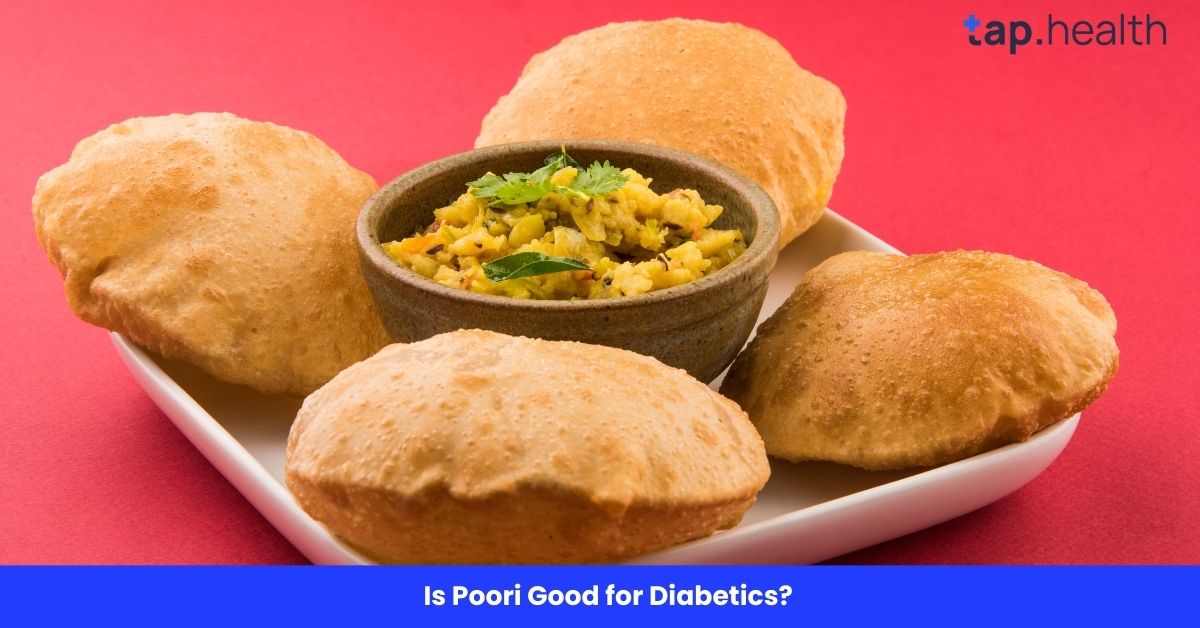
Poori is a type of unleavened bread, made from whole wheat flour, water, and salt. The dough is deep-fried, giving it a crispy, puffed texture. Typically, pooris are enjoyed with various curries, chutneys, or vegetable dishes. While poori is tasty, it is high in calories due to its deep-fried nature, which might be a concern for diabetics.
Now that we understand what poori is, let’s explore whether it’s suitable for individuals with diabetes.
Is Poori Healthy for Diabetics?
For diabetics, food choices must prioritize low glycemic index (GI) foods, nutrient-dense options, and minimal sugar content. Poori, on the other hand, has certain characteristics that may not be ideal for someone managing diabetes.
High Glycemic Index (GI)
Foods with a high glycemic index can cause a rapid increase in blood sugar levels. The glycemic index of pooris is quite high, meaning it can lead to spikes in blood sugar. Foods like pooris made from refined white flour (maida) tend to be absorbed quickly by the body, causing a surge in glucose levels.
High Carbohydrate Content
Carbohydrates are the primary source of glucose in the body. Diabetics need to be mindful of their carbohydrate intake, as too many carbs can lead to unstable blood sugar levels. Pooris made from white flour are high in simple carbohydrates, which get digested quickly and lead to increased blood sugar levels. For diabetics, this can make it challenging to maintain good control over glucose.
Fried Food and Its Effects
The deep-frying process used to make poori adds excess fat and calories to the dish. While fats don’t directly raise blood sugar, they contribute to weight gain, which is a risk factor for insulin resistance. People with diabetes often struggle with managing weight, and consuming high-calorie, deep-fried foods like pooris can make weight management even more difficult.
Nutritional Profile of Poori
Let’s take a closer look at the nutritional content of poori to better understand its impact on diabetics.
1. Calories
A typical serving of poori (1-2 pieces) can contain approximately 150-200 calories. Since poori is deep-fried, it tends to be more calorie-dense compared to other breads or flatbreads.
2. Carbohydrates
A single poori may have around 20-25 grams of carbohydrates. Given that diabetics need to control their carb intake, consuming a few pooris can significantly increase the total carbohydrate load in a meal, potentially causing blood sugar levels to rise.
3. Protein
Pooris contain small amounts of protein, usually around 2-3 grams per piece. Protein is essential for maintaining muscle mass and overall body function, but poori is not a significant source of protein compared to other foods like lentils, eggs, or chicken.
4. Fat
Since poori is fried, it contains around 7-10 grams of fat per serving. Many of these fats are unhealthy trans fats, which can contribute to an increased risk of heart disease—something diabetics must be cautious about.
5. Fiber
Pooris made with whole wheat flour may have slightly more fiber than those made from refined flour. However, the fiber content is still relatively low compared to other whole grains like oats or barley. Fiber helps to slow down the absorption of sugar and aids in blood sugar control.
Risks of Eating Poori for Diabetics
While poori can be enjoyed in moderation by people without diabetes, it poses certain risks to those with the condition:
1. Blood Sugar Spikes
Due to its high glycemic index, consuming poori can result in quick and significant blood sugar spikes. This can make it difficult for diabetics to keep their blood sugar levels within the desired range, leading to poor glucose control.
2. Weight Gain
Pooris are calorie-dense and can contribute to weight gain if consumed regularly. Obesity and excess weight are significant risk factors for type 2 diabetes, as they make the body less responsive to insulin. Managing weight is crucial for controlling blood sugar in diabetic individuals.
3. Insulin Resistance
Regular consumption of high-carb, high-calorie foods like pooris may contribute to insulin resistance. When the body becomes resistant to insulin, it has difficulty processing glucose, leading to higher blood sugar levels over time.
4. Increased Cholesterol Levels
Fried foods like poori contain unhealthy fats, which can raise cholesterol levels. For diabetics, this is especially concerning because high cholesterol increases the risk of heart disease and stroke, both of which are more common in people with diabetes.
Can Diabetics Eat Poori in Moderation?
For diabetics, moderation is key when it comes to many foods, including poori. While it’s not the best choice for blood sugar control, eating pooris occasionally and in small portions can be managed with proper care. Here are some tips for enjoying poori while keeping blood sugar levels in check:
1. Portion Control
Instead of eating several pooris, limit yourself to one or two pieces. Pair them with low-GI vegetables or lean protein sources like grilled chicken or fish to balance the meal.
2. Choose Whole Wheat or Multigrain Pooris
If you’re craving poori, opt for whole wheat or multigrain versions. These versions provide more fiber, which can help slow the absorption of sugar and may lead to a slower rise in blood glucose levels. They also provide more vitamins and minerals than refined-poori alternatives.
3. Avoid Pairing with High-Sugar Side Dishes
Avoid pairing pooris with high-sugar or high-carb side dishes like sweet chutneys, sugar-laden curries, or rice. Instead, opt for a vegetable-based curry or a protein-packed side dish to keep your blood sugar levels stable.
Real-Life Scenario
Consider the case of Rajesh, a 45-year-old man diagnosed with type 2 diabetes. He enjoys poori with aloo sabzi every Sunday as a family tradition. However, after monitoring his blood sugar levels post-meal, he notices significant spikes. Consulting his doctor, Rajesh learns that the high carbohydrate and fat content in poori contributes to these fluctuations. His doctor advises reducing the frequency of poori consumption and opting for healthier alternatives.
Expert Contribution
According to Dr. Sajeev Kumar, a general physician with over 35 years of experience, “Yes, poori or any food if taken in small amounts is good for diabetes and you need to keep the blood sugar level in tight control.”
This highlights the importance of moderation and careful monitoring of blood sugar levels when consuming foods like poori.
Recommendations Grounded in Proven Research and Facts
1. Limit Consumption
Due to its high glycemic index and calorie content, it’s advisable for diabetics to consume poori sparingly. Regular intake can lead to weight gain and poor blood sugar control.
2. Opt for Whole Wheat or Multigrain Poori
Using whole wheat or multigrain flour instead of refined flour can slightly reduce the glycemic index of poori. However, the impact remains limited due to the deep-frying process.
3. Avoid Pairing with High-Sugar Sides
Pairing poori with high-sugar or high-carb side dishes like sweet chutneys or sugary curries can exacerbate blood sugar spikes. Opt for vegetable-based curries or lean proteins instead.
4. Monitor Blood Sugar Levels
Regular monitoring of blood glucose levels after consuming poori can help understand its impact on individual blood sugar responses.
5. Consult a Dietitian
A registered dietitian can provide personalized advice and meal planning to incorporate occasional treats like poori without compromising blood sugar control.
Healthier Alternatives to Poori for Diabetics
If you’re looking for healthier options to replace poori, here are some diabetes-friendly alternatives that are lower in carbs and fat:
1. Chapati
Chapati (or roti) made from whole wheat flour is a much better alternative for diabetics. It has a lower glycemic index, is made from unrefined grains, and is not fried, making it a healthier choice overall.
2. Dosa
Dosa, made from fermented rice and lentil batter, is a healthy option for diabetics. The fermentation process lowers the glycemic index, and it is rich in protein and fiber. It can be paired with a variety of low-sugar chutneys and vegetables.
3. Oats or Barley Roti
For variety, you can replace traditional wheat roti with oats or barley roti. Both oats and barley have a lower glycemic index compared to regular wheat flour, and they provide additional health benefits, such as better digestion and cholesterol control.
4. Cauliflower Rice or Shirataki Noodles
If you’re looking for an alternative to traditional rice, cauliflower rice or shirataki noodles are great options. They are low in carbs, making them an excellent choice for managing blood sugar levels.
Frequently Asked Questions (FAQs) on Is Poori Good for Diabetics?
1. Can diabetics eat fried food like poori?
While fried foods can be consumed in moderation, they are not ideal for diabetics due to their high calorie and fat content, which can contribute to weight gain and increased insulin resistance. It’s better to choose healthier cooking methods like steaming, grilling, or baking.
2. Is whole wheat poori better than refined poori for diabetics?
Yes, whole wheat poori is a better option than refined poori. Whole wheat flour contains more fiber, which can help manage blood sugar levels and provide more nutrients.
3. Can I eat poori once in a while if I have diabetes?
You can have poori occasionally, but portion control is crucial. It’s best to pair it with low-GI foods and not consume it regularly to avoid blood sugar spikes.
4. What are the best low-GI foods for diabetics?
Some of the best low-GI foods include whole grains, legumes, vegetables, fruits like berries, lean proteins, and healthy fats like avocado and olive oil.
5. Is there any way to make poori more diabetes-friendly?
Yes, you can try making poori with whole wheat flour or multigrain flour and avoid deep-frying it. Instead, opt for shallow frying or baking. Pair it with non-starchy vegetables and proteins to balance the meal.
In conclusion, while poori may not be the most diabetes-friendly food due to its high glycemic index and calorie content, it can be enjoyed in moderation with mindful eating habits. By choosing healthier alternatives and focusing on balanced meals, diabetics can maintain better control over their blood sugar levels. Always consult with a healthcare professional or dietitian for personalized advice based on your individual needs.