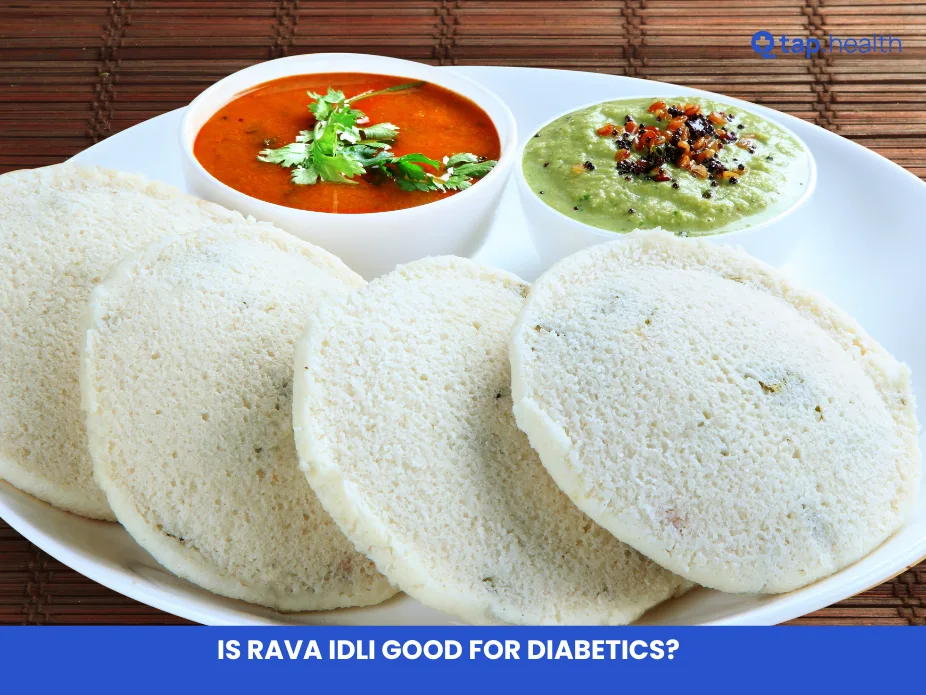
Rava idli, a quick and fluffy South Indian breakfast made from semolina (sooji/rava), is loved for its taste and ease. But the big question remains — is rava idli good for diabetics? Can people with diabetes enjoy this steamed delight safely? Let’s explore everything from glycemic index to smart modifications.
What Is the Glycemic Index of Rava Idli?
The glycemic index of rava idli falls around 68–72, which is medium GI. Compared to regular rice idli (GI 80–90), rava idli causes a slower and more moderate rise in blood sugar. Fermentation during preparation slightly lowers the GI by breaking down starch, making it a better choice than plain roasted sooji items.
Nutritional Profile of Rava Idli for Diabetes Management
One standard rava idli (40–45 g) contains:
- Calories: 70–80 kcal
- Carbohydrates: 14–18 g
- Protein: 2–4 g
- Fat: 1–3 g
- Fiber: 1–2 g (increases significantly with added veggies)
Semolina provides selenium, magnesium, and B-vitamins that support insulin sensitivity, but being a refined grain, it still demands portion control.
Benefits of Rava Idli for Diabetics
- Lower GI than rice idli and poha
- Steamed, not fried — zero added oil in basic recipe
- Easy to load with vegetables and dals
- Fermentation improves digestibility and reduces glycemic load
- Quick energy without heavy fats
Risks of Eating Rava Idli in Diabetes
- High carbohydrate density if eaten in large portions
- Fine sooji digests faster than coarse variety
- Traditional recipes with ghee or excessive chutney add hidden calories
- Low fiber in plain version leads to quicker glucose release
How to Make Diabetic-Friendly Rava Idli Recipe
Follow these simple tweaks to turn regular rava idli into a diabetes-safe meal:
- Use coarse or medium rava instead of fine sooji
- Replace 50% rava with oats powder, wheat bran, or jowar flour
- Add grated carrot, spinach, beans, peas, or capsicum (1 cup veggies per 1 cup rava)
- Mix in soaked moong dal or chana dal paste for extra protein
- Use thick low-fat curd and let the batter ferment 20–30 minutes
- Skip fruit salt (eno); use only baking soda if needed
- Steam in small mini idli moulds for perfect portion control
Best Accompaniments to Lower Glycemic Impact
- Protein-rich sambar made with extra dal and vegetables
- Mint-coriander chutney without coconut or with minimal coconut
- Sprouts salad or cucumber raita
- Avoid coconut chutney loaded with oil and sugar
Portion Guide for Diabetics
- Type 2 diabetes in control: 3–4 mini rava idlis or 2 standard ones per meal
- With gestational diabetes: Limit to 2 mini idlis + high-protein side
- Always test post-meal blood sugar 2 hours after eating to know personal response
Expert Tips from Dietitians
Registered dietitians recommend rava idli up to 2–3 times a week when modified. Combining it with 20–25 g protein and 8–10 g fiber per meal keeps blood sugar stable. Studies show that adding 30% vegetables reduces glycemic load by 25–30%.
Rava Idli vs Rice Idli for Diabetics – Which Is Better?
Rava idli wins slightly because:
- Lower and more predictable GI
- Less sticky starch
- Faster prep, encouraging home-cooked healthy versions
- Easier incorporation of millets and veggies
Still, neither is “free food” — moderation matters.
Final Verdict: Can Diabetics Eat Rava Idli Daily?
No food is completely forbidden in diabetes. Rava idli can absolutely be enjoyed 2–3 times a week if you follow the diabetic-friendly modifications, practice portion control, and pair it with protein and fiber. Monitor your glucose response and adjust accordingly.
Can Diabetics Eat Rava Idli Safely? TapHealth Diabetes Answer
Yes! With vegetable-loaded batter, coarse rava, and smart sides, rava idli becomes a safe, tasty, and blood sugar-friendly breakfast for people living with diabetes. At TapHealth Diabetes, we encourage enjoying traditional foods the smarter way — because diabetes management should never mean giving up flavor.