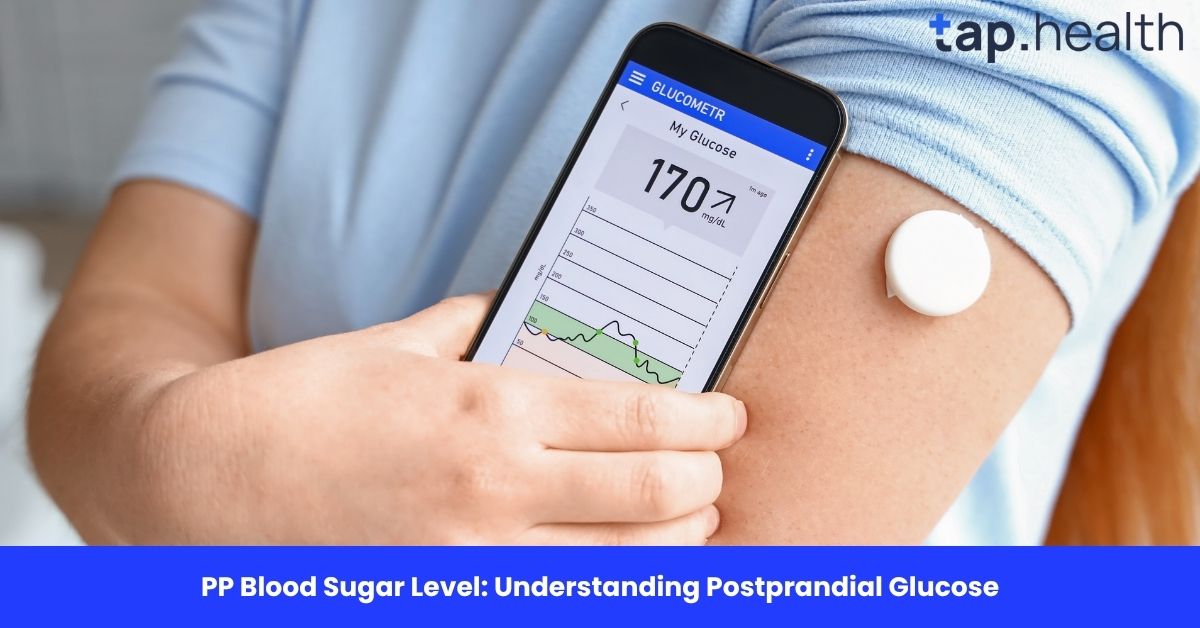
When managing diabetes or monitoring your overall health, understanding the nuances of blood sugar levels is crucial. While many are familiar with fasting blood sugar tests, another important metric is the PP blood sugar level, which refers to postprandial blood sugar levels — the measurement of glucose levels after eating.
In this article, we’ll explore everything you need to know about PP blood sugar, why it’s important, how to measure it, and how it helps diagnose and manage diabetes. By the end of this article, you’ll understand what constitutes a normal PP blood sugar level and how it affects your health. Whether you have diabetes or simply want to keep your blood sugar levels in check, this guide will help you take control of your health.
What is PP Blood Sugar?
PP blood sugar stands for Postprandial blood sugar, which refers to the blood glucose levels measured after eating a meal. Typically, the test is done 2 hours after eating. The body’s response to glucose intake during and after meals is important for diagnosing and managing conditions like type 2 diabetes, prediabetes, and insulin resistance.
Why Measure PP Blood Sugar?
After a meal, glucose from the food you eat enters the bloodstream, and the body releases insulin to help cells absorb the glucose for energy. In healthy individuals, the body regulates blood sugar efficiently, keeping it within a normal range. However, in people with diabetes or insulin resistance, blood sugar levels can remain elevated long after eating, leading to potential complications like heart disease, nerve damage, and kidney problems.
By monitoring PP blood sugar levels, doctors can assess how well your body handles glucose after meals and determine if you’re at risk of developing diabetes or other metabolic conditions.
Normal PP Blood Sugar Levels
For healthy individuals, the normal range for PP blood sugar is typically less than 140 mg/dL (7.8 mmol/L) two hours after eating. However, the range can vary slightly depending on factors such as age, lifestyle, and whether you have any underlying health conditions.
Ideal PP Blood Sugar Ranges:
- Normal PP Blood Sugar: Less than 140 mg/dL (7.8 mmol/L)
- Prediabetes Range: 140–199 mg/dL (7.8–11.0 mmol/L)
- Diabetes Diagnosis: 200 mg/dL (11.1 mmol/L) or higher
What Happens If PP Blood Sugar Is Too High?
If your PP blood sugar level is consistently high, it indicates that your body may not be producing enough insulin or is not responding to insulin properly. This can lead to elevated blood sugar levels, which, over time, may result in complications like:
- Damage to blood vessels
- Nerve damage
- Kidney damage
- Eye problems
Long-term high blood sugar is also a primary indicator of diabetes, particularly type 2 diabetes, which is associated with insulin resistance.
How to Measure PP Blood Sugar?
To measure PP blood sugar, the procedure is relatively simple. Here’s what it typically involves:
- Eat a Meal: First, you’ll need to eat a meal that includes carbohydrates, protein, and fats. This ensures that the test measures how your body handles a normal meal.
- Wait 2 Hours: After eating, you wait for two hours before testing your blood sugar. This allows enough time for the body to digest the food and begin processing the glucose.
- Blood Test: After the two hours, a blood sample is drawn to measure the glucose level. This can be done at a clinic, or you can use a home glucose meter if you are monitoring your levels regularly.
Importance of Postprandial Testing
PP blood sugar tests are especially useful for people who are pre-diabetic or have insulin resistance, as they help assess how the body manages glucose after meals. This is important because many individuals with early-stage diabetes or insulin resistance can still have normal fasting blood sugar levels, but their post-meal blood sugar can be significantly elevated. Catching these abnormalities early helps prevent the progression of diabetes.
Factors Affecting PP Blood Sugar Levels
Several factors can influence PP blood sugar levels, making it important to consider your lifestyle, diet, and other health conditions when interpreting your results.
1. Carbohydrate Intake:
The type and amount of carbohydrates in your meal significantly affect your postprandial blood sugar. Simple carbohydrates (like sugary snacks or white bread) are quickly converted into glucose, leading to a rapid spike in blood sugar, while complex carbs (like whole grains) release glucose more slowly.
2. Meal Size and Composition:
Large meals or meals high in fats and sugars can lead to higher postprandial blood sugar levels. Balanced meals with protein, fibre, and healthy fats can help regulate blood sugar spikes.
3. Exercise:
Physical activity helps improve insulin sensitivity, so regular exercise can lower postprandial blood sugar levels. However, exercising immediately after a large meal may cause fluctuations in blood sugar.
4. Medications:
Certain medications, such as those used to treat high blood pressure, corticosteroids, or those prescribed for diabetes, can affect blood sugar levels. It’s essential to discuss with your healthcare provider any medication that may influence your blood sugar.
5. Stress:
Stress can cause a temporary increase in blood sugar levels due to the release of stress hormones like cortisol and adrenaline. It’s important to manage stress to keep your blood sugar levels within a healthy range.
6. Sleep Patterns:
Poor sleep or insufficient sleep can increase insulin resistance, making it harder for your body to regulate blood sugar, especially after meals. Aiming for 7-9 hours of sleep each night can improve blood sugar control.
Postprandial Blood Sugar in Diabetes Management
Postprandial blood sugar measurements are essential for managing diabetes. For individuals with diabetes, doctors often recommend testing PP blood sugar levels to assess how well blood sugar is controlled throughout the day, especially after meals.
Read this : Is a 105 mg/dL blood sugar level dangerous?
Managing Postprandial Blood Sugar with Diet
Managing postprandial blood sugar often involves making dietary adjustments. Here are some dietary recommendations for keeping PP blood sugar levels within a normal range:
- Choose complex carbohydrates: Whole grains, legumes, and vegetables release glucose slowly, helping prevent spikes in blood sugar.
- Avoid sugary foods: Sweetened beverages, candies, and baked goods made with refined sugar can cause rapid increases in blood sugar.
- Eat smaller, more frequent meals: Large meals can overwhelm your body’s insulin response, leading to elevated blood sugar levels.
- Incorporate fibre: Foods rich in soluble fibre, such as oats, beans, and fruits, can help improve blood sugar control.
Key Takeaways
- PP blood sugar is a key measure of how your body handles glucose after eating. Normal levels should be less than 140 mg/dL two hours post-meal.
- Elevated postprandial glucose levels can indicate early-stage diabetes or insulin resistance, even if fasting blood sugar levels are normal.
- Regular monitoring of PP blood sugar levels helps manage diabetes, prevent complications, and improve overall health.
- Lifestyle changes, including a healthy diet, regular exercise, and stress management, can significantly impact postprandial blood sugar levels.
Frequently Asked Questions (FAQs) on PP Blood Sugar Level
Q1: What is a normal PP blood sugar level?
A1: A normal PP blood sugar level is typically less than 140 mg/dL (7.8 mmol/L) two hours after eating. Higher levels may indicate prediabetes or diabetes.
Q2: How do I measure PP blood sugar?
A2: To measure PP blood sugar, you should eat a meal, wait two hours, and then have a blood test to measure your glucose levels.
Q3: Why is postprandial blood sugar important?
A3: PP blood sugar levels help doctors assess how well your body processes glucose after eating, which is critical for diagnosing and managing diabetes.
Q4: How can I lower my PP blood sugar levels?
A4: You can lower your PP blood sugar by choosing complex carbs, eating balanced meals, exercising regularly, and managing stress.
Q5: Can stress affect PP blood sugar?
A5: Yes, stress can increase blood sugar levels due to the release of stress hormones. Managing stress through relaxation techniques can help maintain healthy blood sugar levels.
Q6: Can I use a home glucose meter for PP blood sugar testing?
A6: Yes, home glucose meters can be used to measure postprandial blood sugar levels, though it’s important to follow the instructions carefully to ensure accuracy.
Q7: What if my PP blood sugar is higher than normal?
A7: If your PP blood sugar is consistently high, it may indicate prediabetes or diabetes. It’s essential to consult a healthcare provider for further testing and management.
Q8: What foods can help lower PP blood sugar levels?
A8: Foods like whole grains, legumes, vegetables, and fruits high in fibre can help stabilise blood sugar levels and prevent spikes. Avoid sugary and processed foods.