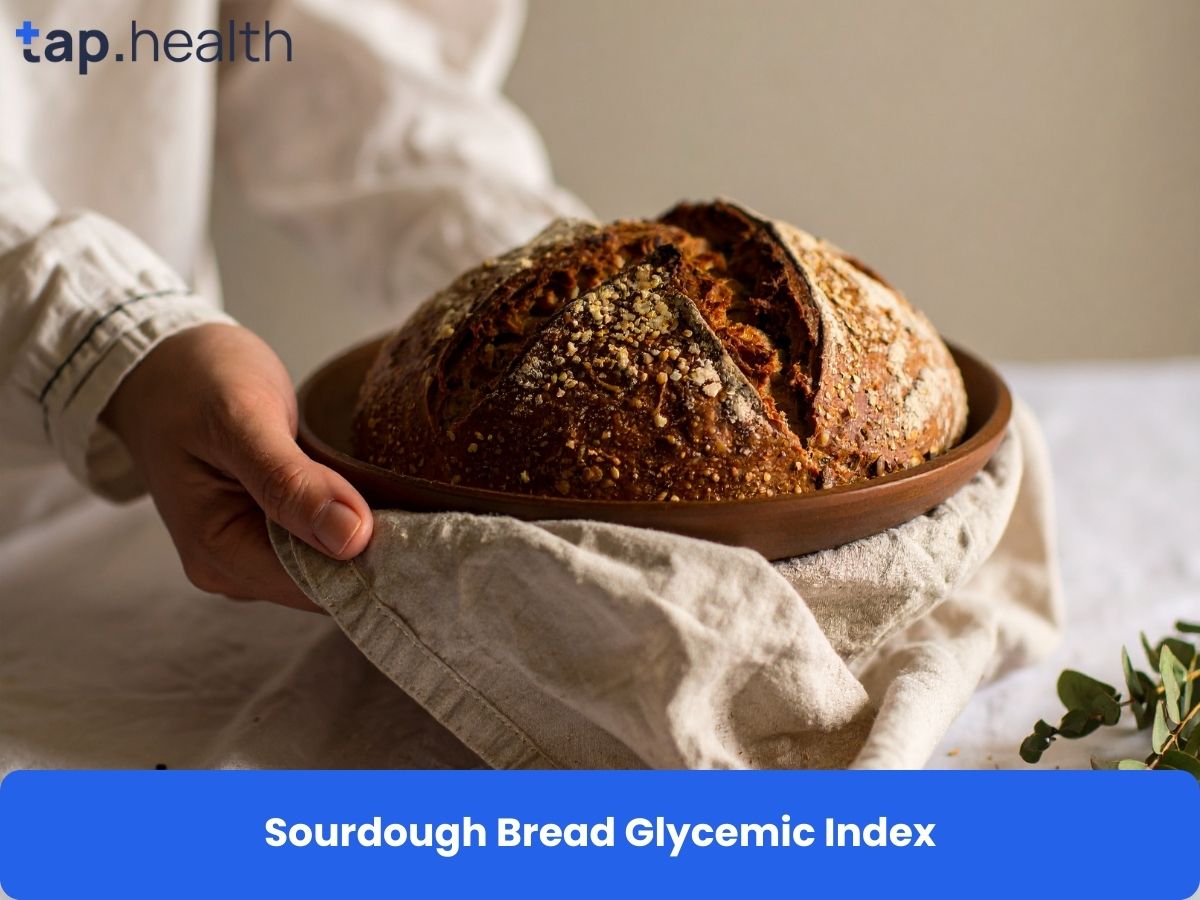
Bread. It is one of the oldest foods in human history, the “staff of life” that has sustained civilizations for thousands of years. But in today’s world, bread has gained a bad reputation. If you have been diagnosed with pre-diabetes, Type 2 diabetes, or insulin resistance, or even if you are just trying to shed a few kilos, you have probably been given one strict instruction: “Stop eating bread.”
It is a painful sacrifice. Who doesn’t love the smell of toast in the morning or a soft sandwich for lunch? But then, a whisper of hope appears. You hear about sourdough. People say it is different. They claim it is “gut-friendly,” “easier to digest,” and importantly, has a lower impact on blood sugar. But is this just another internet fad, or is there real science behind it?
If you have been frantically searching for the sourdough bread glycemic index or wondering if you can safely swap your standard white loaf for a rustic slice of sourdough, you have arrived at the right place. This is not just a quick summary; this is a deep dive. We are going to break down the science, the numbers, the chemistry, and the practical tips in simple, plain Indian English. We want you to understand exactly what happens inside your body when you eat this unique bread.
What Is the Glycemic Index (GI)?
Before we can truly understand the sourdough bread glycemic index, we need to be crystal clear on what the Glycemic Index (GI) actually represents. It is a ranking system that measures how fast a carbohydrate-containing food raises your blood glucose (blood sugar) levels compared to pure glucose.
Think of it like a race:
- High GI Foods (70–100): These are the sprinters. They digest rapidly and dump sugar into your bloodstream all at once. This causes a sudden “spike,” forcing your pancreas to pump out insulin desperately.
- Medium GI Foods (56–69): These are the joggers. They raise blood sugar at a moderate pace.
- Low GI Foods (0–55): These are the walkers. They digest slowly, releasing sugar drop by drop like a leaking tap. This keeps your energy stable and your insulin levels calm.
For context, standard commercial white bread typically has a high GI of around 70 to 75. This is the benchmark we are trying to beat.
The Science: Why Does Sourdough Have a Lower Glycemic Index?
This is one of the most frequently asked questions: “Why does sourdough have a lower glycemic index?”
If you look at the ingredients list, sourdough often looks identical to regular bread: flour, water, and salt. So, why does the body treat it so differently? The answer lies in the ancient art of fermentation.
1. The Magic of Wild Yeast and Bacteria
Regular bread is made with commercial baker’s yeast (Saccharomyces cerevisiae). It is designed for speed. It makes the dough rise in just 1 or 2 hours. It puffs up the bread, but it doesn’t change the flour much.
Sourdough is different. It relies on a “starter”—a living culture of wild yeast and lactic acid bacteria (Lactobacillus). This dough is left to ferment for a long time, often 12, 24, or even 48 hours. During this long wait, a chemical transformation happens.
2. Acid Production
The Lactobacillus bacteria eat the sugars in the dough and produce lactic acid and acetic acid. This gives sourdough its signature tangy flavour. But here is the medical magic: these organic acids interact with the starch in the flour. They reduce the rate at which your stomach empties its contents into the small intestine. Slower stomach emptying means slower sugar absorption.
3. Starch Modification
The fermentation process changes the physical structure of the starch molecules. It makes them less accessible to your digestive enzymes. Essentially, the bacteria “pre-digest” some of the starches for you, and they modify the rest so your body has to work harder to break them down. This lowers the sourdough vs yeast bread glycemic index.
4. Reduction of Anti-Nutrients
The bacteria also produce an enzyme called phytase, which breaks down phytic acid. Phytic acid normally binds to minerals like iron and zinc, stopping you from absorbing them. By breaking it down, sourdough makes these nutrients more available to your body.
Sourdough Bread Glycemic Index Chart: A Detailed Breakdown
Not all sourdough is created equal. The GI depends heavily on the type of flour used. Here is a comprehensive sourdough bread glycemic index chart to help you make the best choice.
1. White Sourdough Bread
- GI Score: Approximately 60–65.
- Verdict: This falls into the Medium GI category.
- Context: While the white sourdough bread glycemic index is lower than standard white bread (which is 75), it is still made from refined flour. It lacks fibre. It is a “better bad choice,” but not the gold standard for diabetics.
2. Whole Wheat Sourdough Bread
- GI Score: Approximately 53–58.
- Verdict: Low to Medium GI.
- Context: The whole wheat sourdough bread glycemic index is significantly better. The bran (outer layer of the wheat) provides fibre, which acts as a physical barrier to digestion. When you combine this fibre with the acidity of sourdough, you get a very stable blood sugar response.
3. Rye Sourdough Bread
- GI Score: Approximately 48–55.
- Verdict: Low GI (The Winner).
- Context: If you are searching for the best sourdough bread for diabetics, this is it. The rye sourdough bread glycemic index is consistently the lowest. Rye flour contains a specific type of fibre called arabinoxylan, which becomes very viscous (thick) in the gut, slowing down digestion massively.
4. Spelt Sourdough Bread
- GI Score: Approximately 54–60.
- Verdict: Low to Medium GI.
- Context: The spelt sourdough bread glycemic index is often lower than modern wheat because spelt is an ancient grain with a tougher protein structure. Many people find it easier to digest.
5. Multigrain Sourdough Bread
- GI Score: Approximately 45–55 (depending on the amount of seeds).
- Verdict: Low GI.
- Context: The multigrain sourdough bread glycemic index benefits from the “fat and protein effect.” Seeds like flax, sunflower, and pumpkin are rich in healthy fats and proteins. These macronutrients slow down the absorption of carbohydrates even further.
Sourdough vs. Commercial Bread: The Big Comparison
To truly appreciate the difference, let’s compare the sourdough bread glycemic index vs white bread and other common types side-by-side.
| Bread Type | Glycemic Index (GI) | Glycemic Load (GL) | Digestibility |
| Commercial White Bread | 70–75 (High) | High | Poor. Causes bloating in many. |
| Commercial Whole Wheat | 71 (High) | High | Often surprisingly high due to fine milling. |
| White Sourdough | 60–65 (Medium) | Medium | Good. |
| Whole Wheat Sourdough | 53–54 (Low) | Low | Excellent. |
| Rye Sourdough | 48–50 (Low) | Low | Superior. |
A shocking realization for many is the sourdough bread glycemic index vs whole wheat bread comparison. Standard commercial whole wheat bread often has a GI of 71—almost the same as white bread! This is because the flour is ground so finely that your body digests it instantly. Sourdough whole wheat, with a GI of 54, is a much safer bet.
Does Freezing Sourdough Bread Lower Glycemic Index?
This sounds like an old wives’ tale, but it is scientifically proven. Users frequently ask: “does freezing sourdough bread lower glycemic index?”
The Answer: Yes, significantly.
Here is the science of “Retrogradation”:
When bread is baked, the starch granules swell and gelatinize (become soft). This makes them easy to digest (and spike your sugar). However, when you cool the bread and freeze it, the starch molecules realign and crystallize. They turn into Resistant Starch.
Resistant starch functions like soluble fibre. Your body cannot break it down into glucose in the small intestine. Instead, it travels to the colon where it feeds your good gut bacteria.
- Fresh Bread: High digestibility.
- Frozen & Defrosted Bread: Lower GI.
- Frozen & Toasted Bread: Lowest GI.
Studies suggest that the frozen sourdough bread glycemic index can be 20% to 30% lower than fresh bread. If you toast it straight from the freezer, you are maximizing the resistant starch content. This is a simple, zero-cost hack for anyone managing diabetes.
Real-Life Scenario: The Diabetic Breakfast Experiment
Let’s look at a practical example involving Mr. Singh, a retired teacher with Type 2 Diabetes.
The Routine:
For years, Mr. Singh ate two slices of “Brown Bread” from the supermarket with his morning omelette. His post-breakfast blood sugar (PP) was consistently around 170 mg/dL, which frustrated his doctor.
The Change:
Mr. Singh read about the sourdough vs regular bread glycemic index. He found a local baker making authentic, slow-fermented whole grain sourdough bread.
The New Routine:
He bought a loaf, sliced it, and put it in the freezer (using the freezing hack). Every morning, he took out two slices, toasted them, and ate them with his eggs.
The Result:
After one week, his post-breakfast blood sugar dropped to an average of 135 mg/dL. He also noticed he felt “lighter” and didn’t have his usual mid-morning sugar crash.
The Lesson:
Mr. Singh didn’t stop eating bread; he just changed the chemistry of the bread he was eating.
Expert Contribution
We consulted with clinical nutritionists to get their take on the sourdough bread glycemic index reddit discussions and medical facts.
Dr. Anjali Desai, Clinical Nutritionist & Diabetes Educator:
“The mistake people make is looking only at the carbohydrate count on the label. A slice of sourdough and a slice of white bread might both have 15g of carbs. But the glycemic response is totally different. The organic acids in sourdough delay gastric emptying. It acts like a buffer. I often recommend rye sourdough bread glycemic index friendly options to my patients, specifically advising them to eat it with healthy fats like avocado or butter to further lower the spike.”
Recommendations Grounded in Proven Research and Facts
If you want to incorporate sourdough into a blood-sugar-friendly diet, follow these evidence-based recommendations:
1. Identify “Real” Sourdough
This is crucial. Many supermarkets sell “Sour Bread” which is just regular yeast bread with vinegar or flavouring added. This does not have a low GI.
- Check the Label: It should only say Flour, Water, Salt, and Starter (Culture). If you see “Yeast,” “Sugar,” or “Preservatives,” put it back.
- Texture Test: Real sourdough is chewy with a thick crust and uneven holes. Fake sourdough is soft and uniform.
2. Choose the Right Flour
Always opt for darker flours. The sourdough whole wheat bread glycemic index and sourdough rye bread glycemic index are far superior to white versions. Look for visible grains or “cracked wheat” textures.
3. Use the Freezer Hack
Buy your loaf, slice the entire thing, and freeze it. The freezing sourdough bread glycemic index benefit is too good to ignore. Toast slices directly from frozen.
4. Pair It Smartly
Never eat carbohydrates “naked.” Eating bread alone causes the fastest spike.
- Bad: Sourdough with Jam (Sugar on Carb).
- Good: Sourdough with Peanut Butter (Fat + Protein).
- Best: Sourdough with Eggs, Avocado, or Chicken (High Protein + Fat).
5. Watch Your Portions
Even though the sourdough bread glycemic index number is lower, it is not calorie-free. It is still a dense source of energy. Stick to 1 or 2 slices per meal.
Common Myths vs. Facts
Myth: “Sourdough is gluten-free.”
Fact: False. Sourdough is usually made from wheat, rye, or spelt, which all contain gluten. While the fermentation breaks down some gluten (making it easier to digest for mild sensitivities), it is absolutely unsafe for people with Celiac disease.
Myth: “All sourdough bread is low GI.”
Fact: False. A fluffy, white sourdough white bread glycemic index can be around 65. This is “Medium,” not “Low.” For a true Low GI food (under 55), you must choose whole grain or rye sourdough.
Myth: “You can eat as much sourdough as you want.”
Fact: False. It still impacts your sourdough bread glycemic index and load. Glycemic Load (GL) measures the quality (GI) multiplied by quantity. If you eat half a loaf, your blood sugar will spike, regardless of the fermentation.
Myth: “Homemade is always better.”
Fact: Usually true, but only if you ferment it long enough. A homemade sourdough bread glycemic index depends on time. A “quick” 4-hour sourdough won’t have the same benefits as a 24-hour slow-fermented loaf. The longer the ferment, the lower the GI.
Conclusion
The sourdough bread glycemic index is a fascinating example of how traditional food processing is often healthier than modern industrial methods. By allowing nature to take its course through slow fermentation, we transform a simple mixture of flour and water into a food that is kinder to our blood sugar and gut health.
While it is not a magic bullet that cures diabetes, switching from commercial white or brown bread to authentic whole wheat or rye sourdough is one of the easiest and most delicious dietary upgrades you can make.
Key Takeaways:
- The Number: Sourdough GI generally sits between 53 and 65.
- The Winner: Rye sourdough and whole grain sourdough are the best options for diabetics.
- The Secret: Lactic acid from fermentation slows down digestion.
- The Hack: Freezing and toasting your sourdough can lower the GI by a further 20–30%.
- The Rule: Always verify that it is authentic sourdough (no yeast added).
So, the next time you crave a slice of toast, don’t feel guilty. Just make sure it’s the right kind of bread, prepared the right way.
Frequently Asked Questions (FAQ) on Sourdough Bread Glycemic Index
What is the sourdough bread glycemic index number?
The sourdough bread glycemic index number varies by flour type. Generally, it ranges from 53 to 65. Whole wheat and rye sourdoughs are on the lower end (53–55), while white sourdough is on the higher end (60–65).
Is sourdough bread better than whole wheat bread for diabetics?
Yes, typically. The sourdough vs whole wheat bread glycemic index comparison shows that sourdough is better. Commercial whole wheat bread can have a high GI (around 71) because of fine milling, whereas the fermentation in sourdough lowers the GI to around 54.
Does freezing sourdough bread lower glycemic index?
Yes. The frozen sourdough bread glycemic index is significantly lower. Freezing causes the starch to retrogradate, turning it into resistant starch which the body digests much slower. Toasting the frozen bread enhances this effect even more.
What is the best sourdough bread for diabetics?
The best sourdough bread for diabetics is undoubtedly rye sourdough or a dense whole grain sourdough. These have the lowest GI scores (often under 50) and high fibre content, preventing blood sugar spikes.
Why does sourdough have a lower glycemic index?
Why does sourdough have a lower glycemic index? It is due to the lactic acid produced during fermentation. This acid slows down the rate at which the stomach empties food into the intestine, leading to a slower, steadier rise in blood sugar.
Is white sourdough bread healthy?
While the white sourdough bread glycemic index is lower than regular white bread, it is still a refined carbohydrate. It is better than standard white toast but lacks the fibre and nutrients of whole grain versions.
How does sourdough compare to regular yeast bread?
In the sourdough vs yeast bread glycemic index battle, sourdough wins. Yeast bread rises quickly and doesn’t break down starches, leading to a higher GI (70+). Sourdough ferments slowly, lowering the GI (53–65).
Can I find a sourdough bread glycemic index chart online?
Yes, most major diabetes associations and GI databases list sourdough. A typical summary is: Rye Sourdough (48), Whole Wheat Sourdough (53), White Sourdough (60), vs White Bread (75).
Is spelt sourdough bread low GI?
Yes, the spelt sourdough bread glycemic index is generally considered low to medium (around 54–60). Spelt is an ancient grain that many find easier to digest than modern wheat variants.
References
- Harvard Health Publishing: Glycemic index for 60+ foods
- University of Sydney: GI Search Database
- British Journal of Nutrition: Impact of sourdough fermentation on glycemic response
- American Diabetes Association: Types of Carbohydrates
- Healthline: Sourdough Bread: Nutrition and Benefits