Why Bone Health Supplements Matter More Than Ever
Strong bones are the silent foundation of an active life. As we age, bone remodeling slows, peak bone mass declines, and conditions like osteoporosis and osteopenia become real risks. Nutrition remains the most powerful tool to maintain bone density, prevent fractures, and support lifelong mobility. While whole foods should always come first, targeted bone health supplements fill critical gaps — especially for postmenopausal women, older adults, and those with limited sun exposure or dietary restrictions.
Calcium: The Primary Bone-Building Mineral
Calcium is the cornerstone of bone strength. 99% of the body’s calcium is stored in bones and teeth, providing rigidity and structure.
Daily Needs:
- Adults 19–50: 1,000 mg
- Women 51+ & men 71+: 1,200 mg
- Teens 14–18: 1,300 mg
Best absorbed forms: calcium citrate (ideal for low stomach acid) and calcium carbonate (taken with meals). Pairing calcium with vitamin D dramatically improves absorption and bone mineralization.
Vitamin D3: The Calcium Absorption Master
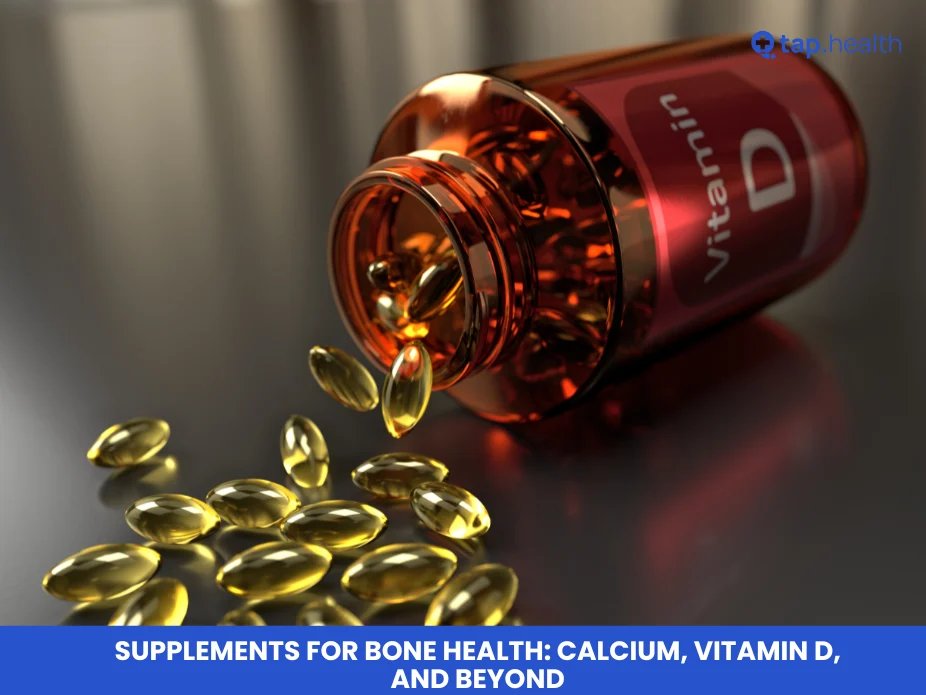
Without adequate vitamin D, up to 70–80% of dietary calcium goes unused. Vitamin D3 (cholecalciferol) is the most effective form for raising blood levels and supporting bone remodeling.
Recommended Intake:
- Adults up to 70 years: 600–800 IU
- Adults 71+: 800–2,000 IU (many experts suggest 1,000–4,000 IU for optimal bone health)
Limited sunlight, darker skin tones, and northern latitudes make vitamin D supplementation essential for most people.
Magnesium: The Overlooked Partner for Bone Density
Approximately 60% of the body’s magnesium resides in bone tissue. It activates vitamin D, balances calcium, and stimulates osteoblasts (bone-building cells). Low magnesium is directly linked to lower bone mineral density and higher fracture risk.
Daily Needs:
- Men 31+: 420 mg
- Women 31+: 320 mg
Magnesium citrate, glycinate, or malate are highly bioavailable forms that also support sleep and muscle recovery.
Vitamin K2 (MK-7): Directs Calcium Where It Belongs
Vitamin K2 activates osteocalcin, the protein that binds calcium into the bone matrix, while preventing dangerous calcium deposits in arteries and soft tissues. Clinical studies show K2 significantly improves bone density and reduces fracture risk by up to 60–80% when combined with vitamin D and calcium.
Typical effective dose: 90–180 mcg of MK-7 daily.
Collagen Peptides: The Flexible Framework of Strong Bones
Bone is 30% collagen — the protein “scaffolding” that gives bones flexibility and impact resistance. Collagen production drops sharply after age 30. Supplementing with hydrolyzed collagen peptides (10–15 g daily) has been shown to increase bone mineral density in postmenopausal women within 12 months.
Boron: The Trace Mineral That Boosts Everything Else
This underrated mineral enhances calcium and magnesium metabolism, extends vitamin D’s half-life, and supports sex hormone balance that protects bone mass. Just 3–6 mg daily can make a measurable difference.
How These Nutrients Work Together Synergistically
Calcium + Vitamin D → better absorption Vitamin D + Magnesium → active vitamin D formation Vitamin K2 + Calcium → proper calcium deposition in bones, not arteries Collagen + Minerals → stronger, more flexible bone matrix
Taking them in isolation is far less effective than a comprehensive approach.
Practical Tips to Maximize Bone Health Supplements
- Take calcium in divided doses (500 mg or less per dose) for best absorption.
- Pair vitamin D3 with a fat-containing meal or take with magnesium.
- Take vitamin K2 away from high-dose calcium to avoid competition.
- Choose third-party tested supplements for purity and potency.
- Combine supplementation with weight-bearing exercise (walking, resistance training) and adequate protein intake.
Real Results People Experience
Postmenopausal women combining calcium, vitamin D3, magnesium, and K2 often see measurable increases in spine and hip bone density within 1–2 years. Older men adding collagen report fewer aches and improved mobility alongside stronger bones.
Are You Doing Enough for Your Bone Health and Diabetes Risk?
Emerging research shows that optimal levels of vitamin D, magnesium, and K2 also support healthy blood sugar regulation and may lower the risk of type 2 diabetes — a condition that itself accelerates bone loss. At TapHealth, we help thousands of members monitor bone markers and metabolic health together, so you can protect both your skeleton and your long-term wellness in one simple program.on, exercise, and supplements is the best approach to maintaining healthy bones.
Sources:
- Harvard Health Publishing: Calcium and Bone Health
- National Osteoporosis Foundation: Bone Health
- Mayo Clinic: Bone Health and Supplements