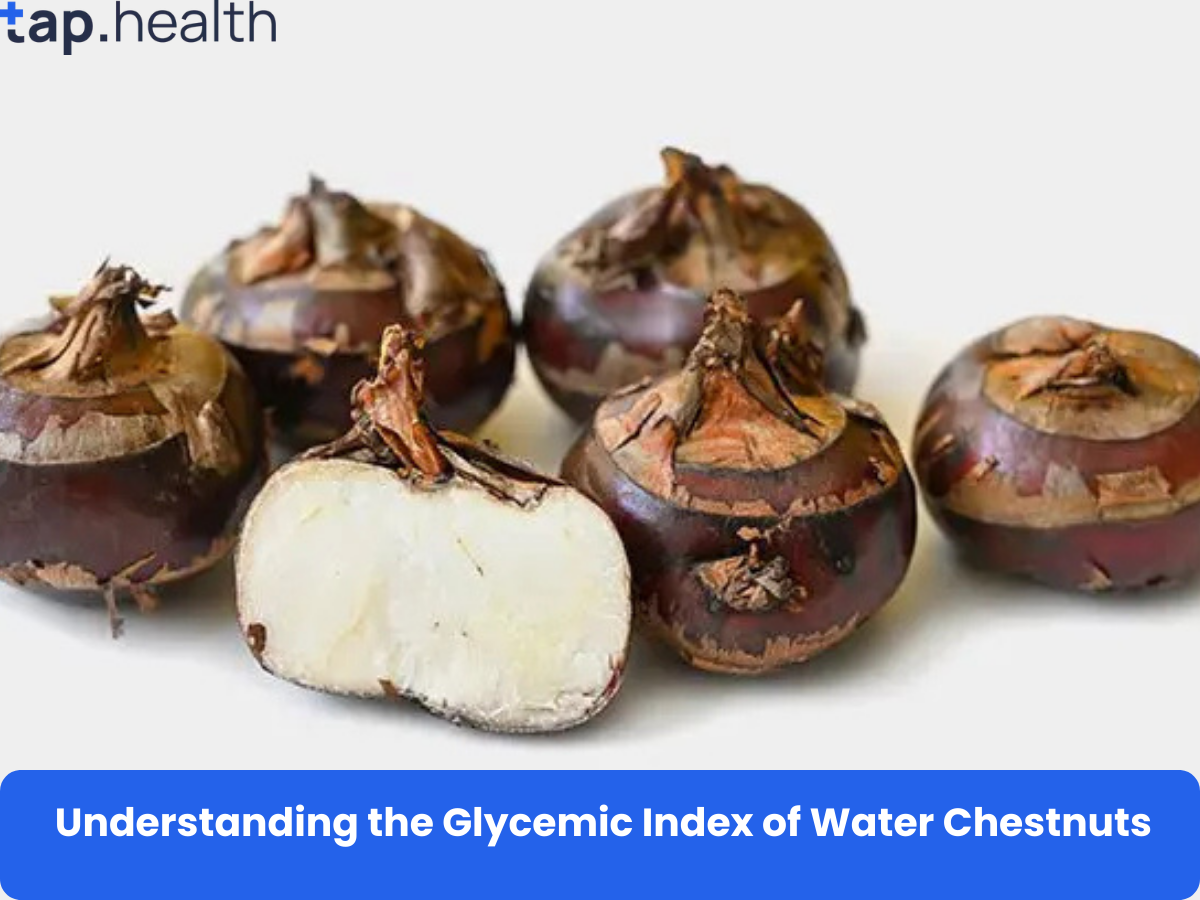
Water chestnuts are a popular aquatic vegetable found in many cuisines, especially in Asia. Not only do they add a delicious crunch to various dishes, but they also come with impressive nutritional benefits. If you are watching your blood sugar levels or are following a healthy diet plan, understanding the glycemic index (GI) of water chestnuts is essential. This guide will help you learn more about the glycemic index of water chestnuts, their health benefits, and how to incorporate them into your meals for better health.
What is the Glycemic Index (GI)?
Before diving into the specifics of water chestnuts, let’s first understand what the glycemic index is.
The glycemic index is a scale that measures how quickly a food raises your blood sugar levels after you consume it. Foods are ranked on a scale of 0 to 100, with 100 being pure glucose, which raises blood sugar levels the fastest. Low-GI foods (ranked 55 or less) raise blood sugar gradually, while high-GI foods (70 or more) cause a rapid increase in blood sugar.
Foods with a high glycemic index can lead to spikes in blood sugar, which may be harmful to individuals with diabetes or those trying to maintain healthy blood sugar levels. On the other hand, low-GI foods are digested and absorbed more slowly, making them better choices for overall health and blood sugar control.
Water Chestnut: A Nutritious Aquatic Vegetable
Water chestnuts are the edible corms of an aquatic plant, commonly found in marshy regions across Asia, Europe, and Africa. They are often used in both savory and sweet dishes, adding a unique crunch to salads, stir-fries, soups, and desserts.
Water chestnuts are rich in several nutrients, including:
- Fiber: Water chestnuts are a good source of dietary fiber, which promotes digestion and helps in maintaining healthy cholesterol levels.
- Vitamins: They are packed with vitamin B6, which supports brain health and immune function, as well as vitamin C, which helps protect against free radical damage and boosts the immune system.
- Minerals: Water chestnuts are rich in potassium, magnesium, and manganese, which contribute to overall heart health, bone strength, and energy metabolism.
- Low in Calories: Water chestnuts are low in calories, making them a great food choice for those looking to manage their weight.
Water Chestnut Glycemic Index: What You Need to Know
Now that we understand what the glycemic index is, let’s dive into the glycemic index of water chestnuts.
Water chestnuts have a low glycemic index. According to various nutritional sources, their glycemic index ranges from 40 to 45, which places them in the low-GI category. This means that water chestnuts are digested and absorbed more slowly by the body, causing a gradual increase in blood sugar levels rather than a rapid spike.
The low glycemic index of water chestnuts makes them an excellent choice for people with diabetes or those trying to manage their blood sugar levels. They are also ideal for those following a low-GI diet or a weight loss plan.
How Does the Glycemic Index of Water Chestnuts Affect Your Blood Sugar?
Since water chestnuts have a low glycemic index, they help in maintaining stable blood sugar levels. Here’s how:
Slow Release of Energy
Due to their low GI, water chestnuts are digested slowly, leading to a steady release of glucose into the bloodstream. This slow absorption prevents blood sugar spikes, which are common after consuming high-GI foods like white bread or sugary snacks.
Better Blood Sugar Control
For individuals with diabetes, consuming low-GI foods like water chestnuts can help manage blood sugar levels more effectively. It can also reduce the risk of developing insulin resistance, a common condition in people with poor blood sugar control.
Healthy Weight Management
Low-GI foods, like water chestnuts, are filling and keep you satisfied longer. This can help in controlling hunger and cravings, which may be beneficial for those looking to manage or lose weight.
Water Chestnuts: Health Benefits Beyond Glycemic Index
Water chestnuts are not only beneficial due to their low glycemic index but also because of their nutritional value. Here are some additional health benefits:
Promotes Digestive Health
The high fiber content in water chestnuts helps in promoting healthy digestion. It can prevent constipation by adding bulk to the stool and supporting regular bowel movements.
Heart Health
Rich in potassium, water chestnuts help maintain healthy blood pressure levels, thus promoting overall heart health. Potassium helps balance the effects of sodium, reducing the risk of high blood pressure, a key factor in heart disease.
Antioxidant Properties
Water chestnuts are a good source of vitamin C, which has antioxidant properties. Antioxidants protect the body from harmful free radicals that can cause oxidative stress and lead to chronic diseases like heart disease, cancer, and premature aging.
Boosts Skin Health
The presence of vitamin C also helps in collagen formation, which is essential for healthy skin. Regular consumption of water chestnuts may help maintain smooth, youthful skin.
How to Include Water Chestnuts in Your Diet
Water chestnuts are versatile and can be easily incorporated into various dishes. Here are some ways to include them in your diet:
In Stir-Fries
Water chestnuts are commonly used in stir-fries and Asian-style dishes. Their crunchy texture adds a unique element to vegetable or meat stir-fries.
In Soups and Salads
You can add water chestnuts to soups, broths, or salads for an added crunch and nutrition. They pair well with vegetables like carrots, peas, and mushrooms.
As a Snack
You can roast or boil water chestnuts and enjoy them as a healthy snack. They can be served with a sprinkle of salt, or you can dip them in a healthy dressing for extra flavor.
In Desserts
Water chestnuts can also be used in Asian desserts, like water chestnut cake or in syrup-based dishes. The natural sweetness of water chestnuts makes them a good option for low-GI sweets.
Water Chestnuts vs. Other Low-GI Foods
To give you a better perspective, let’s compare the glycemic index of water chestnuts with other common low-GI foods:
- Apples: GI of 38
- Carrots (raw): GI of 16
- Chickpeas: GI of 28
- Sweet Potatoes: GI of 44
- Water Chestnuts: GI of 40-45
As you can see, water chestnuts fall in the same range as other popular low-GI foods. This makes them a great addition to any balanced diet aimed at managing blood sugar levels.
FAQ: Glycemic Index of Water Chestnuts
1. What is the glycemic index of water chestnuts?
Water chestnuts have a glycemic index ranging from 40 to 45, which classifies them as a low-GI food.
2. Can water chestnuts help with diabetes?
Yes, water chestnuts can help with diabetes due to their low glycemic index. They provide a steady release of energy, preventing sudden spikes in blood sugar.
3. Are water chestnuts good for weight loss?
Yes, water chestnuts are low in calories and high in fiber, making them a good food choice for weight loss. The fiber helps you feel full longer, preventing overeating.
4. Can I eat water chestnuts if I am on a low-GI diet?
Absolutely! Water chestnuts are a perfect food for a low-GI diet because they have a low glycemic index, meaning they won’t cause rapid spikes in blood sugar.
5. What are the health benefits of water chestnuts?
Water chestnuts provide a range of health benefits, including promoting digestive health, supporting heart health, providing antioxidant protection, and improving skin health.
6. How can I include water chestnuts in my diet?
Water chestnuts can be added to stir-fries, soups, salads, and even desserts. They can be boiled, roasted, or used fresh to enhance the flavor and texture of your meals.
Conclusion
Water chestnuts are a low-GI food that offers multiple health benefits, including blood sugar control, improved digestion, and heart health. With their versatile use in a wide range of dishes, they are easy to incorporate into your diet. If you’re looking for a healthy, crunchy, and nutritious food option that won’t spike your blood sugar, water chestnuts are an excellent choice. Add them to your next meal and enjoy their health benefits!