A blood clot in the brain, medically termed cerebral thrombosis or embolism, is a critical condition that can disrupt blood flow, depriving brain cells of oxygen and potentially causing severe damage or death. Recognizing its symptoms early is vital for timely intervention and improved outcomes. This blog explores the symptoms, risk factors, diagnosis, and treatment of brain blood clots in a concise question-and-answer format, addressing common queries like those found in “People Also Ask” sections.
What Is a Blood Clot in the Brain?
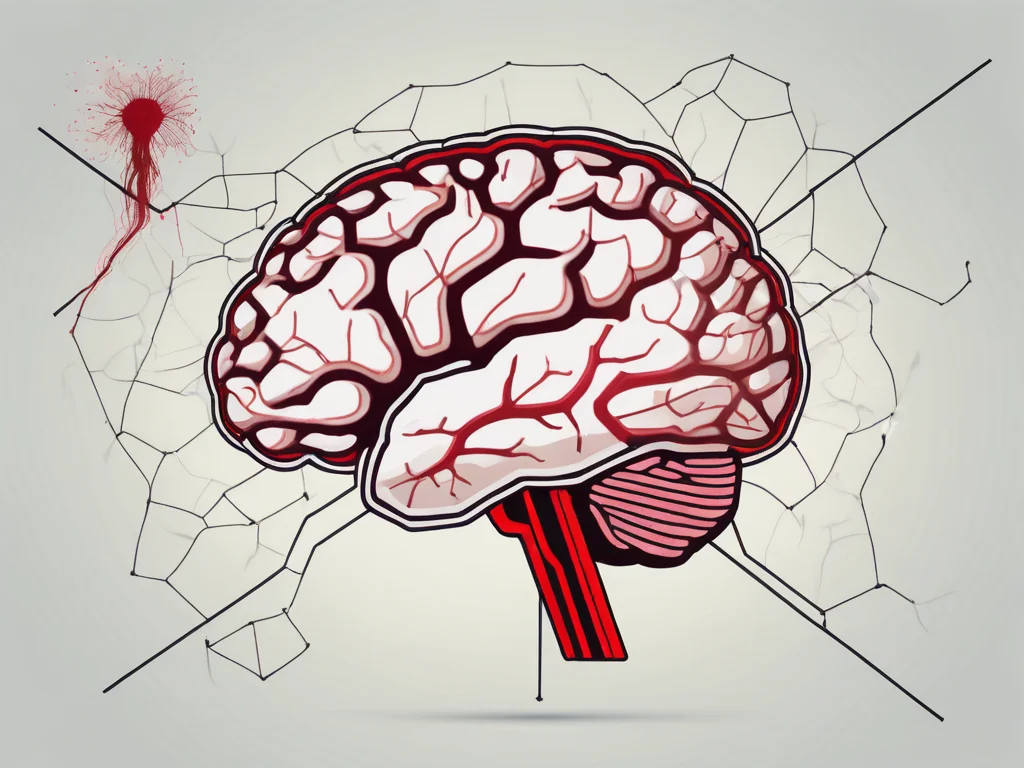
A blood clot in the brain occurs when a clot forms in or travels to a blood vessel supplying the brain, blocking oxygen delivery. This can lead to serious complications like stroke or brain damage if untreated.
How Does a Blood Clot Form in the Brain?
Clots often form due to thrombosis, where a clot develops in a brain blood vessel, or embolism, where a clot from elsewhere travels to the brain. Factors like atherosclerosis (artery narrowing), high blood pressure, or head trauma can trigger clot formation.
What Are the Main Causes of Brain Blood Clots?
Key causes include:
- Atherosclerosis: Plaque buildup narrows arteries, promoting clots.
- High blood pressure: Damages blood vessels, increasing clot risk.
- Trauma: Head injuries can trigger clotting as the body tries to stop bleeding.
- Medical conditions: Disorders like atrial fibrillation or clotting disorders heighten risk.
What Are the Symptoms of a Blood Clot in the Brain?
Symptoms vary based on the clot’s size and location but generally fall into physical, cognitive, and emotional categories. Recognizing these signs early can be life-saving.
Physical Symptoms of a Brain Blood Clot
- Severe headaches: Often sudden and described as the worst ever experienced.
- Dizziness or vertigo: Difficulty balancing or feeling the room is spinning.
- Speech difficulties (aphasia): Trouble speaking or understanding speech.
- Weakness or numbness: Typically on one side of the body (face, arm, or leg), known as hemiparesis.
- Visual disturbances: Blurred vision or sudden blindness in one or both eyes.
- Loss of coordination: Trouble walking or performing simple tasks.
Cognitive and Emotional Symptoms
- Confusion: Difficulty understanding situations or making decisions.
- Memory problems: Trouble recalling recent events or information.
- Difficulty concentrating: Inability to focus on tasks.
- Mood swings: Irritability, depression, or sudden emotional changes.
How Do Symptoms Differ by Clot Location?
The brain’s regions control different functions, so symptoms depend on the affected area:
- Frontal lobe: Personality changes, decision-making issues.
- Temporal lobe: Speech and memory problems.
- Occipital lobe: Visual disturbances.
- Parietal lobe: Sensory issues like numbness or tingling.
Who Is at Risk for a Blood Clot in the Brain?
Certain factors increase the likelihood of developing a brain blood clot.
Common Risk Factors
- Age: Risk increases with age, especially after 50.
- Smoking: Damages blood vessels, promoting clot formation.
- Obesity: Excess weight strains the cardiovascular system.
- Inactivity: Sedentary lifestyles increase clotting risk.
- Medical history: Conditions like heart disease, atrial fibrillation, or prior clotting disorders.
- Recent surgery: Especially brain or heart procedures, which can disrupt blood flow.
Can Lifestyle Choices Reduce Risk?
Yes, adopting a healthy lifestyle can lower risk:
- Maintain a balanced diet to support heart health.
- Exercise regularly to improve circulation.
- Quit smoking to protect blood vessels.
- Manage chronic conditions like hypertension or diabetes.
Why Is Early Detection of a Brain Blood Clot Important?
Early detection can prevent irreversible brain damage and improve recovery chances.
What Happens if a Brain Blood Clot Goes Undiagnosed?
Untreated clots can lead to:
- Stroke: Blocked blood flow causes brain cell death.
- Brain hemorrhage: Ruptured vessels cause bleeding in the brain.
- Permanent disability: Loss of motor, speech, or cognitive function.
- Coma or death: In severe cases, lack of oxygen can be fatal.
How Can Regular Check-Ups Help?
Routine medical evaluations can identify risk factors like high blood pressure or clotting disorders. Tests such as blood pressure monitoring, cholesterol checks, or imaging studies can detect warning signs early, allowing preventive measures.
How Is a Blood Clot in the Brain Diagnosed?
Diagnosis involves a combination of medical history, physical exams, and imaging tests to confirm the clot’s presence and location.
What Does a Medical Evaluation Involve?
- Medical history review: Doctors assess past clotting issues, surgeries, or heart conditions.
- Physical exam: Tests reflexes, muscle strength, coordination, and vital signs to gauge neurological health.
What Imaging Tests Are Used?
- CT scan: A quick tool to detect clots or bleeding in the brain.
- MRI: Provides detailed images to identify smaller clots.
- Angiography: Uses contrast dye to visualize blood flow and pinpoint clots.
What Are the Treatment Options for a Brain Blood Clot?
Treatment aims to dissolve or remove the clot, restore blood flow, and prevent further clots. Options depend on the clot’s size, location, and the patient’s health.
Medications for Brain Blood Clots
- Anticoagulants (blood thinners): Drugs like heparin, warfarin, or direct oral anticoagulants (DOACs) prevent new clots and stop existing ones from growing.
- Thrombolytics: In emergencies, these dissolve clots quickly but carry risks like bleeding.
Surgical Interventions
- Thrombectomy: A catheter removes the clot from the blood vessel, effective for large clots.
- Angioplasty: A balloon device widens blocked vessels to restore blood flow.
When Is Surgery Necessary?
Surgery is considered for severe cases where medications are insufficient or the clot causes significant symptoms. A team of specialists, including neurologists and neurosurgeons, decides based on the patient’s condition.
How Can You Prevent a Blood Clot in the Brain?
Prevention focuses on managing risk factors and maintaining overall health.
Practical Steps for Prevention
- Stay active: Regular exercise promotes healthy blood flow.
- Healthy diet: Reduce saturated fats and increase fruits, vegetables, and whole grains.
- Monitor health conditions: Control blood pressure, cholesterol, and diabetes.
- Avoid smoking: Quitting reduces vascular damage.
- Regular check-ups: Early detection of risk factors can prevent clot formation.
Are There Warning Signs to Watch For?
Be alert for early symptoms like unusual headaches, dizziness, or numbness, especially if you have risk factors. Seek medical attention immediately if these occur.
What Is the Outlook for Someone With a Brain Blood Clot?
With prompt treatment, many patients recover fully or with minimal long-term effects. However, outcomes depend on:
- Clot size and location: Smaller clots in less critical areas have better prognoses.
- Speed of treatment: Early intervention reduces damage.
- Overall health: Fewer comorbidities improve recovery chances.
Can Brain Blood Clots Recur?
Yes, individuals with a history of clots are at higher risk. Long-term management with medications, lifestyle changes, and regular monitoring can reduce recurrence.
Conclusion
A blood clot in the brain is a medical emergency requiring swift recognition and treatment. Symptoms like severe headaches, dizziness, numbness, and confusion signal the need for immediate medical attention. Understanding risk factors, undergoing regular check-ups, and adopting a healthy lifestyle can significantly reduce the likelihood of this condition. Advances in diagnostics and treatments, such as anticoagulants and thrombectomy, have improved outcomes, but early detection remains critical. Stay vigilant, prioritize brain health, and consult a healthcare provider if you suspect any symptoms.