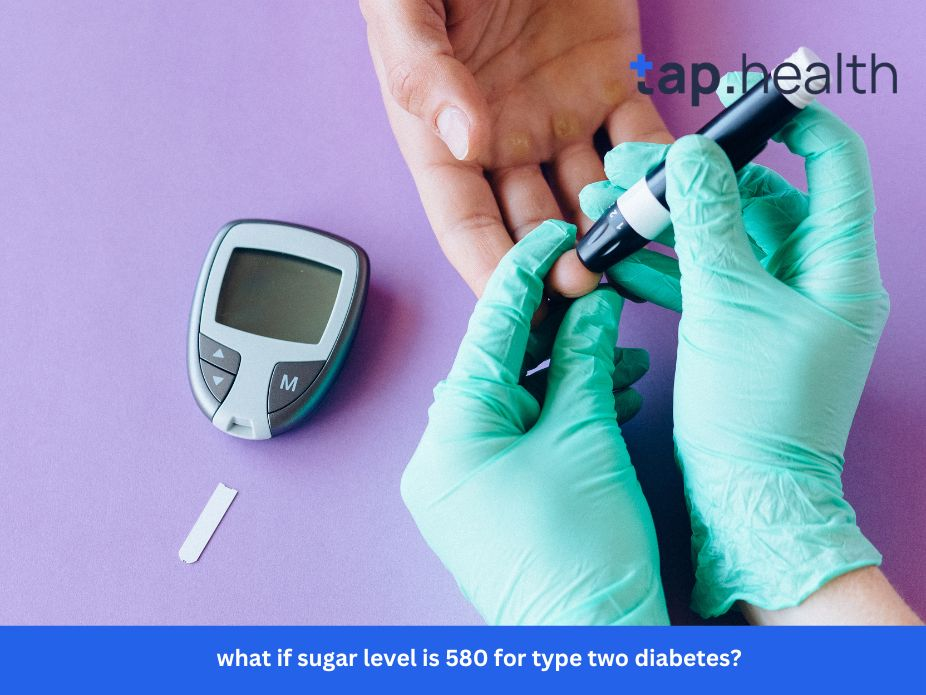
A blood sugar level of 580 mg/dL for someone with type 2 diabetes is more than just a “high” reading—it signals a severe metabolic crisis. At this extreme level, your body is under significant physiological stress, and the risk of life-threatening complications escalates dramatically. While it’s natural to feel alarmed, the most important thing you can do is stay calm and take swift, informed action.
This guide provides a comprehensive, evidence-based explanation of what happens inside your body when your blood sugar reaches 580 mg/dL, outlines the immediate steps you must take, and provides a clear plan for navigating this serious situation safely.
Understanding the Danger Zone: What Blood Sugar Levels Are Dangerous in Type 2 Diabetes?
To fully grasp the severity of a reading of 580 mg/dL, you need to understand the standard ranges for blood glucose and where the threshold for a medical emergency lies.
For context, a normal fasting blood sugar level for someone without diabetes is typically between 70 and 99 mg/dL. A fasting level of 126 mg/dL or higher on two separate tests is used to diagnose diabetes. In type 2 diabetes, levels above 180 mg/dL after meals are considered high.
The thresholds for “dangerous” are much higher, but the risk escalates rapidly:
- Mild Hyperglycemia: This is typically in the range of 180–250 mg/dL.
- Severe Hyperglycemia (Medical Emergency): This is defined as a level above 250 mg/dL, which can potentially lead to serious complications like diabetic ketoacidosis (DKA) or hyperosmolar hyperglycemic state (HHS).
- Critical Threshold: Many medical experts advise that a blood sugar level exceeding 300 mg/dL warrants urgent medical attention, especially if accompanied by symptoms like confusion or vomiting.
- Extreme Danger Zone: Levels that reach or exceed 500 mg/dL are considered a profound medical emergency. A reading of 580 mg/dL falls squarely within this category and represents a direct threat to your health.
At this level, your body is no longer able to manage the excess glucose on its own, and the risk of slipping into a diabetic coma becomes very real.
What Happens Inside Your Body at a 580 mg/dL Blood Sugar Level?
At a reading of 580 mg/dL, your body is in a state of severe hyperglycemia, meaning there is a massive excess of sugar in your bloodstream. Because insulin is either absent or your cells are highly resistant to its effects, this sugar cannot be used for energy. This triggers a cascade of dangerous physiological events:
- Severe Dehydration: Your kidneys, acting as the body’s filters, work overtime to flush out the massive amounts of excess sugar through your urine. This leads to extremely frequent urination (polyuria), which in turn causes profound dehydration.
- Electrolyte Imbalance: As your body loses fluid, it also loses vital minerals called electrolytes (such as sodium and potassium), which are essential for muscle and nerve function, including the beating of your heart.
- Concentrated (Thickened) Blood: The severe dehydration causes the liquid portion of your blood to decrease, making the remaining blood thicker and more concentrated. This makes it harder for your heart to pump blood effectively to your organs, including your brain.
- Metabolic Switch: Because your cells are starving for energy (as glucose can’t get in), your body begins breaking down fat at an alarming rate for fuel. This process produces acidic byproducts called ketones.
This combination of severe dehydration, concentrated blood, and potential ketone production is what makes a blood sugar level of 580 mg/dL so dangerous.
HHS vs. DKA: Identifying the Primary Threat in Type 2 Diabetes
When blood sugar is this high, the primary concern for someone with type 2 diabetes is a life-threatening complication called Hyperosmolar Hyperglycemic State (HHS) . However, it is also possible, though less common, to develop Diabetic Ketoacidosis (DKA) . Understanding the difference is critical.
The Primary Concern at 580 mg/dL: Given that you have type 2 diabetes, the most immediate and likely danger is HHS. At 580 mg/dL, you are on the precipice of the full-blown HHS state, where the risk of confusion, coma, and seizures skyrockets. Even if you are not experiencing full-blown HHS yet, the level of hyperglycemia is severe enough to be a medical emergency on its own.
Immediate Steps: What to Do if Your Blood Sugar Is 580
When you see a reading of 580 mg/dL, you must not panic. Instead, follow these critical steps in order. This is not a situation to manage on your own without professional guidance.
Step 1: Check for Ketones
Your very first action should be to check for ketones. This can be done with a simple urine test strip or, more accurately, with a blood ketone meter. The presence of ketones will help determine if you are at risk of developing DKA, which requires an even more urgent response.
- If ketones are high (over 3mmol/L in blood or over 2+ in urine): This is a sign of possible DKA. You should call 999 (or 108 in India) or go to the nearest emergency room immediately.
- If ketones are negative or low: Your primary concern is still severe hyperglycemia and the risk of HHS. Proceed to the next steps and seek urgent medical help.
Step 2: Begin Hydration Protocol
Start drinking plenty of plain water immediately. Water helps dilute the excess glucose in your bloodstream and supports your kidneys in flushing it out through urine.
- Avoid: Any sugary drinks, fruit juices, or caffeinated beverages, as these will worsen your condition by raising blood sugar further or contributing to dehydration.
Step 3: Seek Immediate Medical Help (Do NOT Delay)
A blood sugar level of 580 mg/dL is a medical emergency that requires professional care. You should contact your healthcare provider immediately or, better yet, go to the nearest hospital’s emergency room. If you are experiencing any of the following symptoms, call 911 (or 108) or have someone drive you to the emergency room:
- Confusion or disorientation
- Severe drowsiness or difficulty staying awake
- Nausea and vomiting that prevents you from keeping down food or fluids
- Shortness of breath or deep, rapid breathing
- Fruity-smelling breath (a sign of high ketones)
Step 4: Administer Insulin as Directed (If Prescribed)
If you are already on insulin therapy and have a prescribed “correction dose” plan from your doctor for high blood sugar, follow those instructions carefully. Taking fast-acting insulin is the most direct way to lower your blood sugar.
- Crucial Warning: Never self-prescribe or adjust your insulin dose without prior instruction from your healthcare provider. Taking too much insulin can lead to severe hypoglycemia (low blood sugar), which is also dangerous.
Step 5: Do NOT Exercise
While light activity can sometimes help lower a mildly elevated blood sugar, you must avoid exercise when your reading is 580 mg/dL. Physical exertion can cause your liver to release even more glucose into your bloodstream and may accelerate the production of ketones, potentially making the situation worse.
Step 6: Monitor and Re-Test
Keep a close eye on your blood sugar and check it every 1-2 hours to see how it is responding to your interventions. Stay in contact with your doctor or follow the guidance provided by the emergency room staff.
When High Blood Sugar Becomes a Full-Blown Emergency: Symptoms You Cannot Ignore
While a reading of 580 mg/dL is an emergency in itself, certain symptoms indicate that the situation is rapidly deteriorating into a life-threatening crisis like HHS or DKA. If you or your loved one experiences any of the following, do not wait—call for emergency medical services immediately.
- Confusion, Drowsiness, or Disorientation: This is a hallmark sign of HHS as the brain becomes affected by severe dehydration and electrolyte imbalance.
- Loss of Consciousness: This is a sign of a diabetic coma and requires immediate emergency intervention.
- Fruity-Smelling Breath: This is a classic sign of DKA and indicates a high level of ketones in your body.
- Deep, Rapid Breathing (Kussmaul Breathing): This is the body’s desperate attempt to blow off excess acid and is a severe sign of DKA.
- Severe Abdominal Pain, Nausea, and Vomiting: These are common symptoms of DKA and can be severe.
- Visual Disturbances or Hallucinations: These can occur in advanced HHS.
How Is a Blood Sugar of 580 Treated in the Hospital?
When you arrive at the hospital with a blood sugar level of 580 mg/dL, the medical team will act quickly to stabilise you. The treatment for severe hyperglycemia and HHS is standardised and highly effective. You will likely be treated in the emergency room and possibly admitted to the hospital for close monitoring.
Treatment typically involves:
- Intravenous (IV) Fluids: This is the most critical first step to correct the severe dehydration. Fluids are administered directly into a vein to rapidly restore fluid volume and help dilute the concentrated blood.
- IV Insulin: A continuous drip of insulin is given to shut down ketone production (if present) and to allow glucose to move from the blood into the cells, lowering your blood sugar level in a controlled manner.
- Electrolyte Replacement: The IV fluids will also contain essential electrolytes, like potassium, that have been lost through excessive urination. These must be replaced carefully to prevent dangerous heart rhythm problems.
The medical team will also investigate what triggered the hyperglycemic crisis (e.g., an infection, missed medication, or other illness) and provide appropriate treatment.
The Long-Term Risks of Repeated Episodes of Extreme Hyperglycemia
Surviving a blood sugar reading of 580 mg/dL is a powerful wake-up call. But even if you recover fully from the acute episode, it is crucial to understand the long-term damage that can result from repeated or prolonged periods of extreme hyperglycemia.
Chronically high blood sugar damages blood vessels throughout your body, leading to a host of serious complications:
- Cardiovascular Disease: High blood sugar significantly increases the risk of heart attack and stroke.
- Nerve Damage (Neuropathy): Damage to nerves, often in the legs and feet, causing pain, tingling, numbness, and increasing the risk of unnoticed injuries and amputations.
- Kidney Disease (Nephropathy): Damage to the kidneys’ filtering system, which can progress to kidney failure.
- Eye Damage (Retinopathy): Damage to the blood vessels in the retina, a leading cause of blindness in adults.
- Increased Risk of Infections: High blood sugar weakens the immune system and impairs wound healing.
How to Prevent a Future Blood Sugar Spike to 580
Prevention is the most powerful tool you have. After an episode of such severe hyperglycemia, it is essential to work with your healthcare team to build a robust plan to prevent it from happening again. The key is a combination of diligent self-management and a strong partnership with your doctor.
- Adhere Strictly to Your Prescribed Treatment Plan: Never skip doses of insulin or other diabetes medications without consulting your doctor.
- Monitor Your Blood Sugar Regularly: Frequent monitoring helps you understand how food, activity, and stress affect your levels and allows you to catch rising trends early.
- Follow a Balanced, Consistent Diet: Focus on whole foods, vegetables, lean proteins, and healthy fats. Manage your carbohydrate intake and avoid sugary drinks and processed foods.
- Stay Hydrated: Drink plenty of water throughout the day, especially during hot weather or when you are ill.
- Create a “Sick Day” Plan with Your Doctor: Illness is a major trigger for hyperglycemia. Have a pre-arranged plan with your doctor for how to manage your diabetes when you are unwell, including when to check for ketones and when to seek help.
- Recognise Early Warning Signs: Do not ignore symptoms like increased thirst, frequent urination, and fatigue. Address them promptly with your healthcare provider.
Real-Life Scenario: Recognising and Responding to a Crisis
To illustrate why this knowledge is so vital, consider the story of Mr. Anil Desai, a 65-year-old retired teacher from Pune.
Mr. Desai has been managing his type 2 diabetes for 15 years with oral medications and a once-daily injection of long-acting insulin. Over the past week, he had been feeling under the weather with a bad cold and a mild fever. He wasn’t eating much, so he skipped his insulin a couple of times, thinking it was the right thing to do.
One evening, his daughter noticed he seemed confused and was slurring his words. He was also breathing heavily. She checked his blood sugar, and the meter flashed “HI”—it was above its readable limit. At the hospital, his blood sugar was measured at 612 mg/dL. He was diagnosed with Hyperosmolar Hyperglycemic State (HHS) , triggered by his infection and missed insulin doses.
Applying the Knowledge:
- Recognition: Mr. Desai’s symptoms—confusion, slurred speech, and rapid breathing—were classic signs of a severe hyperglycemic emergency. His daughter’s quick action of checking his blood sugar was crucial.
- Emergency Response: They went straight to the emergency room, where he received IV fluids and insulin. He recovered fully after a few days in the hospital.
- The Lesson: The doctor explained that his blood sugar of 580+ mg/dL was a life-threatening situation. They worked together to create a strict “sick day” plan: he would never skip his basal insulin when ill, would stay hydrated, and would check for ketones and contact the doctor if his sugar went over 250 mg/dL.
Mr. Desai’s story is a powerful reminder that a blood sugar of 580 is not just a number—it is a medical emergency that requires immediate, decisive action.
Expert Contribution
The consensus among endocrinology experts and major health organisations is unequivocal. “When blood sugar levels hit 500 mg/dL or higher, it’s key to spot the signs and act fast,” states a medical resource from Liv Hospital. The Mayo Clinic advises seeking immediate medical help if you have signs and symptoms of diabetic ketoacidosis or hyperosmolar hyperglycemic state, as you may need to be treated in an emergency room or admitted to the hospital.
This expert perspective reinforces the central message of this article: a blood sugar reading of 580 mg/dL is not something to be managed at home. It is a clear signal of a medical crisis that demands professional intervention.
Recommendations Grounded in Proven Research and Facts
Based on the evidence and guidelines presented in this article, here are clear and actionable recommendations:
- Treat a 580 mg/dL Reading as a Medical Emergency: Do not attempt to manage this level of hyperglycemia at home without professional guidance. Seek immediate medical attention.
- Have a Ketone Testing Kit: If you have type 2 diabetes, especially if you are on insulin or SGLT2 inhibitors, keep ketone test strips at home and know how to use them.
- Never Skip Basal Insulin When Ill: Illness increases insulin resistance. Your body needs its basal insulin even if you are not eating. Work with your doctor to create a “sick day” plan.
- Wear a Medical ID: In case of a severe hyperglycemic emergency where you cannot communicate, a medical ID can inform first responders that you have diabetes.
- Partner with Your Healthcare Team: After a severe hyperglycemic episode, schedule a follow-up appointment to review your management plan and make necessary adjustments to prevent future occurrences.
Key Takeaways
- A blood sugar level of 580 mg/dL for type 2 diabetes is a severe medical emergency and falls within the critical danger zone for developing Hyperosmolar Hyperglycemic State (HHS) .
- At this level, the body is in a state of profound dehydration and metabolic stress, which can lead to confusion, coma, and even death if not treated promptly.
- The immediate steps are to check for ketones, begin drinking water, and seek emergency medical care without delay.
- Never exercise with a blood sugar this high, as it can worsen the condition.
- Hospital treatment for a reading of 580 mg/dL typically involves IV fluids, IV insulin, and electrolyte replacement to stabilise the body.
- Preventing future episodes relies on strict medication adherence, regular blood sugar monitoring, a healthy lifestyle, and having a pre-arranged “sick day” plan with your healthcare provider.
Frequently Asked Questions (FAQs)
Q1: What happens if your blood sugar is 580?
A: A blood sugar level of 580 mg/dL indicates severe hyperglycemia. It puts you at immediate risk for life-threatening complications like Hyperosmolar Hyperglycemic State (HHS). You need emergency medical treatment, usually involving IV fluids and insulin in a hospital.
Q2: Is 500 blood sugar high for type 2 diabetes?
A: Yes, a blood sugar of 500 mg/dL is dangerously high and is considered a medical emergency. It can lead to severe dehydration, HHS, and other serious health problems if not treated immediately.
Q3: Can a person survive a 600 sugar level?
A: Yes, people can and do survive a blood sugar level of 600 mg/dL, but it requires immediate and aggressive hospital treatment. However, levels this high can be fatal, especially if treatment is delayed or if the person has other underlying health conditions.
Q4: What is the danger zone for type 2 diabetes blood sugar levels?
A: For type 2 diabetes, a blood sugar level consistently above 300 mg/dL is considered dangerous and requires urgent medical attention. Levels above 500 mg/dL are a profound emergency with a high risk of life-threatening complications like HHS.
Q5: Can type 2 diabetes cause DKA at 580 mg/dL?
A: While HHS is the more common emergency for type 2 diabetes at very high blood sugar levels, DKA can also occur, especially in the setting of a severe illness or infection. Checking for ketones is the only way to know for sure.
Q6: How can I quickly lower my blood sugar from 580 at home?
A: You cannot safely or effectively lower a blood sugar of 580 mg/dL at home. This requires professional medical intervention. Your immediate steps should be to drink water and go to the nearest emergency room. Do not attempt to exercise.
Q7: What are the early warning signs of HHS?
A: Early signs of HHS include extreme thirst, frequent urination, dry mouth, weakness, and blurred vision. As the condition worsens, it can cause confusion, drowsiness, slurred speech, and even loss of consciousness.
Q8: What should I do after recovering from a severe hyperglycemic episode?
A: After recovery, you must schedule a follow-up appointment with your healthcare provider. Together, you can review your diabetes management plan, identify what triggered the crisis (like an infection or missed medication), and create a strategy to prevent it from happening again.