If you’ve ever wondered why your skin breaks out, you might have come across the terms “acne” and “pimples.” Are they the same thing? Can you treat them the same way? Understanding the difference between acne and pimples can help you take better care of your skin. In this blog post, we will dive into what acne and pimples are, their causes, symptoms, and natural treatments. By the end, you’ll have a clearer understanding of how to manage and treat these common skin issues.
What is Acne?
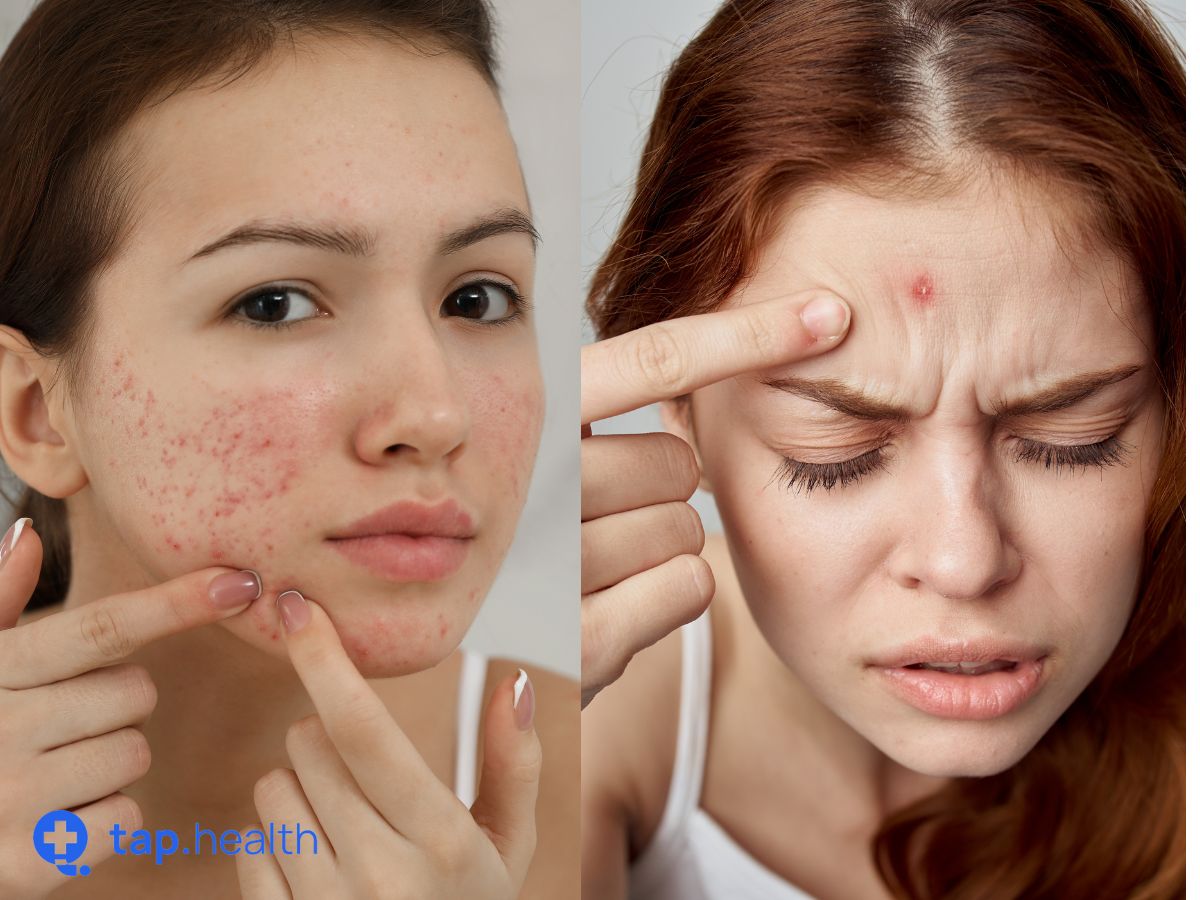
Acne is a skin condition that occurs when hair follicles are clogged with oil and dead skin cells. It often causes whiteheads, blackheads, or pimples and usually appears on the face, forehead, chest, upper back, and shoulders. Acne is most common among teenagers, though it affects people of all ages.
Types of Acne
There are several types of acne, including:
- Whiteheads: Closed plugged pores.
- Blackheads: Open plugged pores.
- Papules: Small red, tender bumps.
- Pustules: Pimples with pus at their tips.
- Nodules: Large, solid, painful lumps beneath the surface of the skin.
- Cystic lesions: Painful, pus-filled lumps beneath the surface of the skin.
What is a Pimple?
A pimple is a type of acne. It is a small, raised spot on the skin that may be red, swollen, and sometimes filled with pus. Pimples form when hair follicles under the skin become clogged. While all pimples are a form of acne, not all acne manifests as pimples.
Types of Pimples
Pimples can come in different forms, including:
- Whiteheads: Small pimples that stay under the skin.
- Blackheads: Small pimples that rise to the skin’s surface and look black.
- Papules: Small pink bumps that can be tender.
- Pustules: Pimples with pus at their tips, typically red at the base.
- Nodules: Large, painful pimples that are deep in the skin.
- Cysts: Deep, painful, pus-filled pimples.
Difference Between Acne vs Pimple
While the terms acne and pimples are often used interchangeably, they are not the same. Here’s a detailed explanation of their differences:
1. Definition
Acne is a skin condition that involves the oil glands at the base of hair follicles. Pimples are a symptom of acne and are one of its manifestations.
2. Scope
Acne encompasses a wide range of symptoms, including whiteheads, blackheads, papules, pustules, nodules, and cysts. Pimples specifically refer to the inflamed or pus-filled lesions that occur when hair follicles become clogged.
3. Severity
Acne can range from mild to severe. Mild acne might include the occasional pimple, while severe acne involves numerous pimples, nodules, and cysts.
4. Causes
While both acne and pimples are caused by clogged hair follicles, acne can also be influenced by hormonal changes, genetics, and bacterial infections.
5. Treatment
The treatment for acne and pimples can be similar, but acne might require more comprehensive and long-term treatments, especially if it is severe.
What are the Causes of Acne and Pimples?
Understanding what causes acne and pimples is essential for effective treatment and prevention. Here are the primary causes:
Causes of Acne
- Hormonal changes: Particularly during puberty, pregnancy, and the menstrual cycle.
- Diet: Some studies suggest that certain foods, including dairy products and carbohydrate-rich foods, can trigger acne.
- Stress: Stress doesn’t cause acne, but it can make it worse.
- Medications: Some drugs, such as those containing corticosteroids, androgens, or lithium, can cause acne.
- Genetics: A family history of acne can increase the likelihood of developing it.
Causes of Pimples
- Clogged pores: This is the primary cause of pimples. Dead skin cells and oil block the hair follicles.
- Bacteria: When pores become clogged and swollen, they can become infected with bacteria, leading to pimples.
- Hormonal changes: Similar to acne, hormonal fluctuations can cause pimples.
What are the Symptoms of Acne and Pimples?
Knowing the symptoms of acne and pimples can help you identify and treat them early. Here are the common symptoms:
Symptoms of Acne
- Whiteheads (closed plugged pores)
- Blackheads (open plugged pores)
- Small red, tender bumps (papules)
- Pimples (pustules), which are papules with pus at their tips
- Large, solid, painful lumps beneath the skin (nodules)
- Painful, pus-filled lumps beneath the surface of the skin (cystic lesions)
Symptoms of Pimples
- Small red bumps: Typically inflamed and may be tender to the touch.
- Whiteheads and blackheads: Non-inflamed pimples that can be small and appear on the surface of the skin.
- Pustules: Red, tender bumps with a white pus-filled center.
- Nodules and cysts: Larger, deeper pimples that can be painful and more severe.
How to Treat Acne Naturally?
Natural treatments can be effective in managing mild to moderate acne. Here are some methods:
Natural Acne Treatments
- Tea Tree Oil: Known for its antibacterial properties, it can reduce acne lesions.
- Aloe Vera: Its anti-inflammatory and soothing properties help calm the skin.
- Honey: Natural honey has antibacterial properties and can help heal acne.
- Apple Cider Vinegar: It has astringent properties that can help dry out acne.
- Green Tea: Rich in antioxidants, it can reduce inflammation and sebum production.
- Zinc Supplements: Zinc is an essential mineral that can help reduce inflammation and acne.
How to Treat Pimples Naturally?
For those pesky pimples, natural remedies can provide relief:
Natural Pimple Treatments
- Ice: Applying ice can reduce swelling and redness.
- Lemon Juice: Its antibacterial properties can help treat pimples, but it should be used with caution due to its acidity.
- Garlic: Known for its antibacterial properties, it can be applied topically.
- Baking Soda: A natural exfoliant that can help unclog pores and reduce inflammation.
- Cucumber: Its cooling effect can soothe the skin and reduce pimple size.
How Do You Know If You Have Acne Or Pimples?
Recognizing whether you have acne or just a few pimples can be straightforward if you know what to look for:
- Location and Spread: If you have several lesions on your face, chest, or back that include a mix of whiteheads, blackheads, papules, and pustules, you likely have acne.
- Severity: Occasional pimples are common and don’t necessarily mean you have acne. However, if you have frequent, multiple, and persistent pimples, it’s probably acne.
- Symptoms: Acne often includes a variety of symptoms like blackheads and nodules, while pimples are typically red, swollen bumps.
FAQ on the Difference Between Acne and Pimples
1: Can you have pimples without having acne?
A: Yes, it’s possible to have occasional pimples without having acne. Acne is a broader condition that includes multiple symptoms and lesions.
2: Are blackheads and whiteheads considered pimples?
A: Yes, blackheads and whiteheads are types of pimples, which are part of the acne spectrum.
3: Can diet affect both acne and pimples?
A: Yes, diet can influence both acne and pimples. Foods high in sugar and dairy may contribute to breakouts.
4: Do hormonal changes affect both acne and pimples?
A: Yes, hormonal fluctuations can trigger both acne and pimples, especially during puberty, menstrual cycles, and pregnancy.
5: Can stress cause acne and pimples?
A: While stress doesn’t directly cause acne or pimples, it can worsen existing conditions by increasing inflammation and oil production.
6: Are natural treatments effective for both acne and pimples?
A: Natural treatments can be effective for mild to moderate acne and pimples, but severe cases may require medical intervention.
Understanding the difference between acne and pimples, along with their causes, symptoms, and treatments, can empower you to take better care of your skin. Remember to consult with a dermatologist if your condition is severe or persistent.