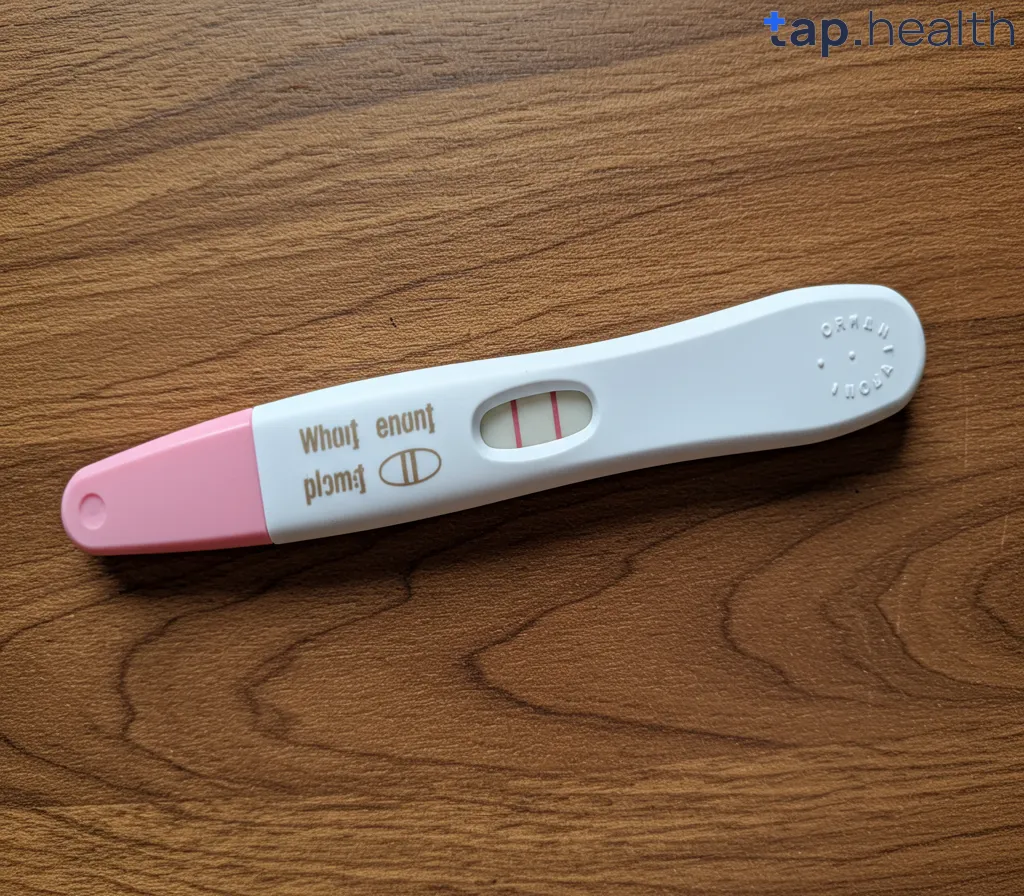
The first pregnancy appointment is your initial prenatal checkup after a positive pregnancy test. This visit starts your prenatal care and helps set a due date for your baby. It usually happens in the first trimester. Experts advise scheduling it as soon as possible. For example, Mayo Clinic says: “When you find out you’re pregnant, make your first prenatal appointment”mayoclinic.org. In the U.S., many women have this visit around 8–10 weeks of pregnancynichd.nih.gov. In the U.K., the NHS recommends it by about 10 weeks if possiblenhs.uk.
Pregnant women often feel excited or nervous before this visit. It’s a great time to ask questions and share concerns. You will meet your doctor or midwife, learn about what’s ahead, and begin a plan for a healthy pregnancy. Keep in mind that the first appointment is usually longer than later visits, since there’s a lot to covernichd.nih.gov. Plan to spend at least an hour (or more) at this visit.
When to Schedule Your First Pregnancy Appointment
You should call your healthcare provider as soon as you confirm you’re pregnant. Guidelines say the first prenatal visit should be in early pregnancy. In fact, ACOG (the American College of Obstetricians and Gynecologists) advises, “as soon as you think you may be pregnant, call your health care professional to set up an appointment”acog.org. In practice, many doctors schedule this checkup around 8–12 weeks of pregnancy. The UK’s NHS says you “should have your first midwife appointment before you’re 10 weeks pregnant”nhs.uk. If you have any health issues (like diabetes or past pregnancy problems), or if you have any concerns like pain or spotting, let the provider know when you call. They may set the appointment even earlier.
Remember: Don’t wait too long. Even if you’re a bit past 10 weeks, it’s still important to see a doctor or midwife as soon as you can. Early prenatal care helps ensure you and your baby are healthy, and it lets you start any needed treatments or supplements (like folic acid) early on.
What to Expect at the First Appointment
Your first prenatal visit will cover a lot of ground. It often takes longer than later checkups, so plan your day with enough time. You might want to bring a family member or friend for support and to help remember information. Expect a full discussion and exam. Here are the main things that typically happen:
- Talk about Your Health History: The provider will ask about your medical background. They’ll ask for the first day of your last menstrual period (LMP) to estimate how far along you are. They will review any past pregnancies or losses, and any chronic health conditions (like asthma or high blood pressure). They’ll ask about surgeries, allergies, and whether any health problems run in your familynichd.nih.gov. Be honest about lifestyle habits, too – including smoking, alcohol, or drugs, as well as diet and exercisenichd.nih.gov. This helps them give the best advice and identify any risks.
- Physical Exam and Measurements: The doctor or nurse will check your vital signs. This usually includes measuring your weight and height to calculate body mass index (BMI), and taking your blood pressurenichd.nih.gov. They will listen to your heart and lungs briefly. A pelvic exam is common: this can include a breast exam and a pelvic check (sometimes a Pap test if needed)mayoclinic.orgmayoclinic.org. The provider may check your abdomen and uterus. Don’t worry – you’ll be guided every step of the way. They may also measure your belly if your uterus has grown enough by this visit (often a little later, around 12 weeks).
- Lab Tests: You will likely give blood and urine samples. In fact, laboratory tests are a big part of the first visit. These tests check your health and screen for any issues. Your blood tests may include: blood type and Rh factor (important for baby’s care)mayoclinic.org, a hemoglobin/hematocrit count to check for anemia (low red blood cells)mayoclinic.org, and screens for infections. They often test immunity to certain diseases (like rubella or chickenpox) and check for infections such as hepatitis B, HIV, syphilis, gonorrhea, and chlamydiamayoclinic.orgnichd.nih.gov. A urine test checks for urinary tract infection or protein (which can signal kidney stress)nichd.nih.gov. If it’s time for your routine Pap smear (cervical cancer screening), you may get one or be scheduled for itnichd.nih.gov.
- Ultrasound (May Be Done): Many providers perform an early ultrasound at the first visit or soon after. This is an imaging test where a wand (transducer) is used on your belly to show the baby on a screen. It can confirm the pregnancy, check for a heartbeat, and give a more accurate due date. For example, during this visit a doctor might do a Doppler ultrasound. The photo above shows a doctor performing an ultrasound scan. If it’s still very early (around 6–8 weeks), you might not see much more than a gestational sac. By about 8–12 weeks, the doctor can usually hear the baby’s heartbeat with the Dopplerwomenscare-obgyn.com. In the UK, one ultrasound is offered at about 11–14 weeks to confirm dates and check for certain conditionsnhs.uk.
If there are any findings or concerns (like multiple babies or a cyst on an ovary), your provider will explain what they mean. This is a good time to ask what the images show. Even if the ultrasound is too early to see much, it helps give a clear due date and peace of mind.
Common Tests at the First Appointment
There are several routine tests done at the first prenatal visit. These tests help make sure both you and your baby are healthy. For example, the image above shows an early pregnancy ultrasound. Your doctor uses a scan like this to find the fetal heartbeat. Besides ultrasound, common tests include:
- Blood tests: These check important things. For example, they verify your blood type and Rh factor and count your red blood cellsmayoclinic.org. This is to see if you have anemia (low iron). They also check your immunity to certain illnesses (like rubella or chickenpox) and screen for infections. Your provider will likely do tests for hepatitis B, HIV, syphilis, and may test for rubella immunitymayoclinic.orgnichd.nih.gov. If any infections are found, they can be treated early.
- Urine test: A urine sample checks for urinary tract infections and also looks for protein or sugar. Protein in urine can be a sign of kidney stress or high blood pressure, and sugar could signal diabetes. The healthcare team will want a clean sample to test thesenichd.nih.gov.
- Sexually transmitted infection (STI) tests: Often included in blood or urine tests. Cultures or swabs may be taken to test for gonorrhea and chlamydianichd.nih.gov. These are common infections, and treating them early can protect your pregnancy. A Pap smear or HPV test (for cervical cancer screening) may also be done if it’s due.
- Genetic screenings: Depending on your situation, you may be offered blood tests or ultrasound screenings for genetic conditions. For instance, early screening for sickle cell or thalassemia (inherited blood disorders) should be done by 10 weeksnhs.uk. You may also be offered Down syndrome or other genetic screenings (blood tests or an ultrasound measurement called nuchal translucency around 11–14 weeks)mayoclinic.org. These are optional tests to give you information about your baby’s health.
- Other checks: They will discuss your lifestyle and any health concerns (like smoking, alcohol use, or exposure to toxins) to give you advice. If you have any health issues (like asthma or high blood pressure), they will discuss a care plan.
In short, expect a mix of blood work, a urine test, and possibly an ultrasound. Your provider will explain each test beforehand and make sure you understand the results later.
How to Prepare for Your First Prenatal Visit
Prepare for your appointment by gathering some important information and items:
- List of medications and supplements: Write down every medicine, vitamin, or supplement you take – even over-the-counter ones. For example, include prenatal vitamins, prescriptions, or herbal remedies. Your provider will review theseacog.org.
- Medical history notes: Make notes of your past health issues. Include any chronic illnesses (diabetes, thyroid problems, etc.), surgeries, or allergies. Also note details of any past pregnancies, miscarriages, or abortionsacog.org.
- Family history: If possible, find out if any close relatives (yours or the baby’s father’s side) have genetic conditions (like cystic fibrosis or hemophilia) or medical issues like high blood pressure, diabetes, or birth defectsacog.org.
- Date of last menstrual period (LMP): Write down the first day of your last period. This helps the doctor estimate your due dateacog.org.
- Questions and concerns: Bring a list of questions you have. (See below for examples.) It’s easy to forget them, so write them down beforehand.
- Documents and insurance: Bring your photo ID, health insurance card, and any referral forms if required. If you have previous test results or medical records (for example, if you had fertility treatments), bring those.
- Comfort items: Wear comfortable, loose clothing. You may need to remove clothing for the exam and wear a gown. If you want to bring a partner, friend, or family member for support, you can do so (infection control rules allowing). A small snack or water bottle might help too if you feel nervous or if the visit runs long.
By preparing these things, you’ll help the visit go smoothly and make the most of the time with your provider.
Questions to Ask Your Healthcare Provider
Your first appointment is a great time to get answers to important questions. Here are some topics you might ask about:
- Daily life and diet: What foods are safe or not safe to eat? Can I exercise or travel? Do I need to change my work or home routine? Your provider can give clear do’s and don’ts.
- Vitamins and nutrition: What prenatal vitamin should I take? (All providers agree on folic acid, at least 400 micrograms daily.) Are there any other supplements I need?
- Weight gain: How much weight should I expect to gain during pregnancy? This depends on your starting weight, but your doctor can give you a healthy range.
- Common symptoms: Are nausea, fatigue, or other early symptoms normal? When do they usually go away, and what can I do to feel better?
- Warning signs: Which symptoms should I worry about? For example, the doctor will likely tell you to call if you have heavy bleeding, severe pain, high fever, or other serious symptoms. (One source advises: “Ask what symptoms should prompt a call to the office”womenscare-obgyn.com.) It’s good to know in advance what problems need urgent care.
- When to call: Make sure you know how to reach your care team between visits. Ask if the clinic has an emergency line or special instructions for after-hours.
- Follow-up appointments and tests: What happens next? Your doctor might explain the schedule of upcoming visits and any future scans or tests.
- Any other concerns: If you have specific worries (like previous pregnancy complications, chronic health issues, or multiple pregnancy), bring them up now.
A helpful tip: Write down these questions before the visit. It can be hard to remember everything during the appointment. Your doctor or midwife expects you will have questions, so don’t be shy to ask.
What to Do If You Have Concerns Before the Appointment
While waiting for your first appointment date, keep an eye on your symptoms and health. Some things are normal, but others need attention. Always call your provider if you have any of these issues before your scheduled appointment:
- Any vaginal bleeding: Spotting can be common, but any bleeding (especially heavy or bright red blood) is a reason to call right awaynhs.uk. The NHS advises contacting your midwife or doctor immediately if you have any bleeding at allnhs.uk. Similarly, Cleveland Clinic notes that you should “contact your healthcare provider and share your symptoms” if you experience bleeding during pregnancymy.clevelandclinic.orgmy.clevelandclinic.org.
- Strong abdominal pain or cramping: Severe belly pain or cramping could be a sign of miscarriage or ectopic pregnancy. Call immediately for advice or to come in.
- Severe nausea and vomiting: It’s normal to feel nauseous (morning sickness) in early pregnancy, but if you are vomiting more than a few times a day, unable to keep any liquids down, losing a lot of weight, or feeling dizzy, call your doctormy.clevelandclinic.org. These can be signs of dehydration or a severe condition (hyperemesis gravidarum) that may require treatmentmy.clevelandclinic.org.
- Fever or signs of infection: If you run a fever (over 100°F/38°C) or have chills, or if you suspect a bladder/kidney infection (pain with urination, etc.), call your provider.
- Severe headache or vision changes: These can be signs of high blood pressure complications (like preeclampsia) and need prompt attention.
Remember: when in doubt, call and ask. Often, the clinic can reassure you or tell you to come in. Don’t wait until the appointment if something feels wrong. It’s better to be safe and get checked out sooner. Your care team is there to help you at any stage.
What Happens After the First Appointment
After your first visit, your healthcare provider will set up a plan for the rest of your pregnancy. Usually, you will have regular checkups every 4 weeks through about 28 weeks, then every 2-3 weeks until 36 weeks, and then weekly until birth. At each follow-up visit, the doctor or midwife will check your baby’s growth and your health.
Within a month or two after the first visit, you will get more information from your initial tests (like blood work or first ultrasound). The next important milestone is typically around 11–14 weeks, when you may have an ultrasound scan (dating scan) to confirm the due date and check the baby’s developmentnhs.uk. By then, you may also hear your baby’s heartbeat with a Doppler devicemayoclinic.org.
Around 18–21 weeks, you’ll usually get a detailed anatomy scan (the “20-week ultrasound”) to look for any physical anomaliesnhs.uk. Your doctor or midwife will also review things like your weight gain, blood pressure, and any new tests (like glucose testing for diabetes around 24–28 weeks).
Keep in touch with your care provider. If you have questions between visits, they can guide you. Remember to keep all your scheduled appointments. Each one helps ensure you and your baby stay healthy.
Frequently Asked Questions
When should I have my first prenatal appointment?
You should call your doctor or midwife as soon as you confirm pregnancy. Most experts say in the first trimester (ideally before 12 weeks). In practice, many women are seen around 8–10 weeks. If you can, schedule it by 10 weeks. ACOG advises calling as soon as you suspect pregnancyacog.org, and the NHS suggests a first visit by 10 weeksnhs.uk. Don’t wait; early care is best.
What happens during the first prenatal visit?
This visit includes questions and a full exam. According to the U.S. National Institutes of Health, a typical first visit will check your urine (to confirm pregnancy or look for infection), measure your blood pressure, weight, and height, and then calculate your due date from your last period and possibly an ultrasoundnichd.nih.gov. Your provider will ask about your health history, surgeries, past pregnancies, family history, lifestyle (smoking, exercise), and stressnichd.nih.gov. They will also draw blood for tests (blood type/Rh, anemia, and screens for infections like hepatitis B, HIV, rubella, and syphilis)nichd.nih.gov. A pelvic exam is done, and tests for gonorrhea and chlamydia or a Pap smear may be done as needednichd.nih.gov.
Will I get an ultrasound at my first appointment?
Often, yes or very soon. Many providers perform an early ultrasound (around 8–10 weeks) to confirm the pregnancy’s location and hear the heartbeatwomenscare-obgyn.com. This might be done at the first visit or at a separate early scan appointment. In general, you should expect at least one ultrasound in the first trimester. For example, in the UK the standard is an ultrasound at 11–14 weeks to set the due date and check for certain conditionsnhs.uk. If the baby is very small at 6–7 weeks, you might not see much yet, but the heart motion can usually be detected by 8 weeks.
What should I bring to the first prenatal appointment?
Bring your ID and insurance card, and any referral or forms requested by the office. Prepare a written list of all your current medications, vitamins, and health issuesacog.org. Also note the first day of your last menstrual period (this helps estimate the due date)acog.org. If possible, bring notes on your past pregnancies (dates and outcomes) and any family history of health problems. Writing down your questions is very helpful. If you have any early pregnancy records (like blood tests or an ultrasound done elsewhere), bring those too. In short: ID, insurance, medical history details, and questions.
What questions should I ask at the first visit?
Here are some important ones:
- Pregnancy health: What prenatal vitamins should I take (especially folic acid)? How much weight should I gain?
- Diet and activity: What foods or activities are safe? Are there foods to avoid? How much exercise can I do?
- Symptoms: Which symptoms are normal (nausea, fatigue) and which should worry me? The doctor may advise, for instance, to call if you have heavy bleeding or severe painnhs.uk.
- Medications: Can I continue my current medications, or do I need to stop/change any?
- Follow-up: When should I schedule my next visit or ultrasound?
Doctors often suggest writing these questions down. One clinic even advises asking about exercise, vitamins, what symptoms to expect, and what symptoms should prompt a callwomenscare-obgyn.com.
What if I have bleeding or pain before my appointment?
Any bleeding or significant pain in early pregnancy should prompt an immediate call to your doctor or midwife. The NHS guidance is clear: “Call your midwife or GP immediately if you have any bleeding from your vagina”nhs.uk. Cleveland Clinic experts also say that if you have any vaginal bleeding, you should contact your provider right awaymy.clevelandclinic.orgmy.clevelandclinic.org. Similarly, severe cramps or pain, high fever, or inability to keep fluids down (from vomiting) are warning signsmy.clevelandclinic.org. If you experience these, don’t wait for your appointment day — call for advice or to come in.
How long is the first appointment?
The first visit is usually the longest prenatal checkup. Plan on spending at least 45 minutes to an hour (sometimes more) at this appointmentnichd.nih.gov. There will be a lot of talking, asking questions, and medical checks. Because it is long, you may want to use bathroom and water beforehand, and bring a snack if that makes you comfortable. Later visits (once pregnancy is established) tend to be shorter, but the first one is comprehensive.
What happens after the first appointment?
After the first visit, you will have regular follow-ups. Typically, you will come back in about a month (around 12 weeks), then continue monthly visits through the second trimester. By the end of the first trimester (around 12–14 weeks), many women get to hear the baby’s heartbeat with a Dopplermayoclinic.org. You’ll also get scheduling for future tests: for example, an ultrasound at 11–14 weeks (dating scan) and another at 18–21 weeks (anatomy scan)nhs.uk. Each visit will include checking your health and the baby’s growth. Between visits, you should follow any advice on diet, exercise, and supplements, and keep contacting your provider if any new issues come up.
Can I bring someone to my appointment?
Yes, you can usually bring a partner, friend, or family member to support you, unless there are restrictions (like during COVID or if the office has rules). Having another person can help you remember details and provide emotional support. However, make sure any extra person is healthy (no symptoms of illness) so as not to expose you or staff.
Summary: Your first prenatal appointment is about checking your health and your baby’s early development. It includes questions, a physical exam, and some tests. Knowing what to expect and how to prepare will help you feel more confident and get the most out of this important visitmayoclinic.orgnichd.nih.gov.