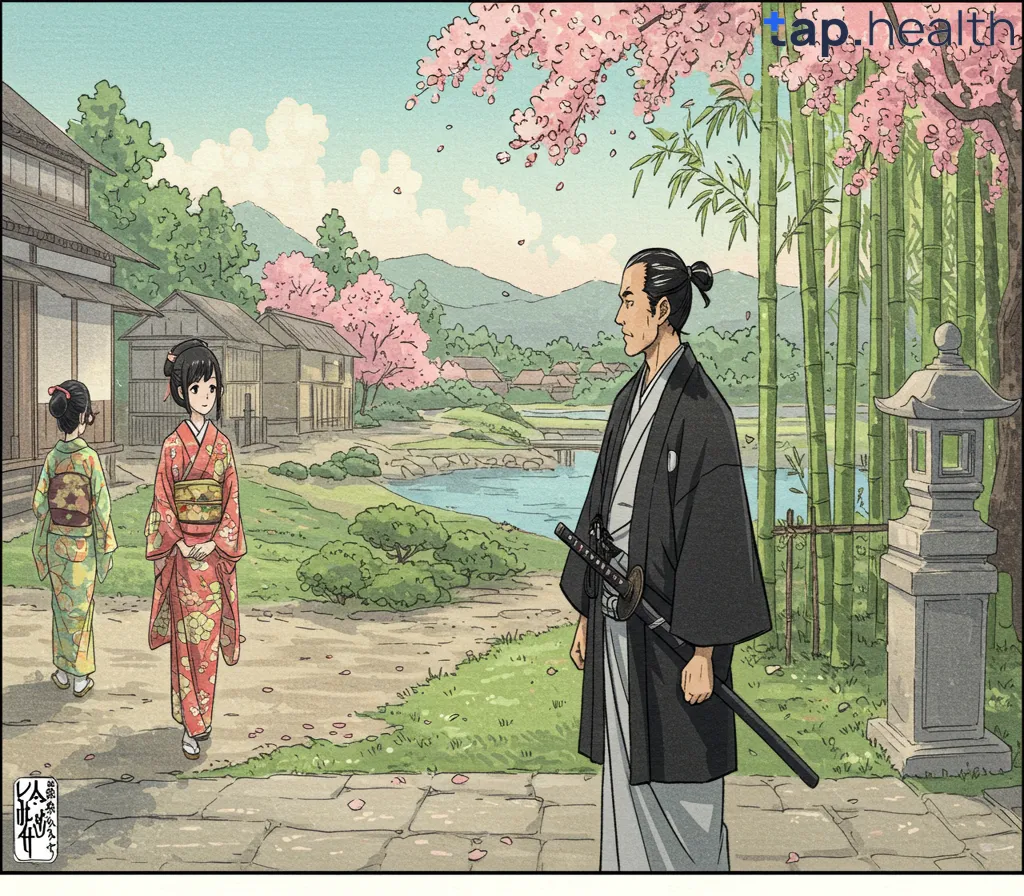
In many stories, whether in literature or personal anecdotes, you might come across a character whose heart races or beats faster due to a specific moment or event. For instance, Seibei’s heart might have beaten faster in a tense or exciting moment. But what exactly causes a person’s heart rate to increase?
The heart rate, or pulse, is the number of times the heart beats per minute. Under normal circumstances, it’s around 60-100 beats per minute for adults. However, many factors, including physical, emotional, and environmental triggers, can cause this rate to increase. Understanding why Seibei’s heart beat faster involves looking into the science behind how the body reacts to various stimuli.
In this article, we will explore the reasons why a person’s heart rate might increase, and delve deeper into the factors that could have made Seibei’s heart beat faster. From excitement and fear to physical exertion, we will look at everything that influences heart rate and the physiological mechanisms behind it.
What Happens When the Heart Beats Faster?
To understand why Seibei’s heart might have started beating faster, it’s important to first understand the physiological process behind an increased heart rate.
The Role of the Heart in Circulation
The heart plays a crucial role in pumping oxygenated blood throughout the body to all the organs and tissues. Blood carries oxygen and nutrients that cells need to function properly, and this requires the heart to maintain a steady, rhythmic pumping action. The rate at which the heart beats is influenced by a variety of factors, including physical activity, emotions, and stress levels.
The heart’s electrical system controls its rhythm, and when something triggers a need for more blood flow, the body will increase the heart rate to ensure that oxygen and nutrients are delivered efficiently.
How the Body Responds to Different Stimuli
When the body experiences a stimulus—whether it’s a physical event like running, or an emotional event like feeling scared or excited—the body’s sympathetic nervous system (a part of the autonomic nervous system) kicks into action. This system is responsible for the “fight or flight” response, which prepares the body for quick action.
This response releases adrenaline (epinephrine) and other hormones, which cause the heart rate to increase. This is why when a person gets excited, frightened, or is under stress, they may notice their heart rate increasing.
Common Factors That Make the Heart Beat Faster
Let’s take a closer look at some of the key factors that can cause an increase in heart rate. Whether Seibei experienced physical exertion, excitement, or fear, the body has multiple mechanisms that can trigger a faster heartbeat.
1. Emotions and Stress
One of the most common reasons for a person’s heart to beat faster is an emotional or stressful situation. When the brain senses emotions such as fear, excitement, anxiety, or even anger, it signals the body to release stress hormones like adrenaline.
- Fight or Flight Response: This is an evolutionary response that prepares the body to either confront or flee from a perceived threat. Adrenaline increases heart rate, raises blood pressure, and speeds up breathing, providing the body with more energy and alertness.
- Excitement: Positive emotions, such as excitement or joy, can also cause a faster heart rate. For instance, Seibei might have been excited or nervous about an event, triggering this response.
- Fear or Anxiety: When a person is scared or anxious, the body’s stress response can cause the heart to beat faster as part of the body’s readiness to deal with a potential threat.
2. Physical Activity and Exercise
Another common reason for an increased heart rate is physical exertion. When the body requires more oxygen and energy during physical activity, the heart works harder to pump oxygenated blood to the muscles.
- Exercise: During exercise, the heart rate naturally increases to supply the muscles with the oxygen and nutrients needed to perform. The harder you exercise, the faster the heart beats.
- Intensity of Activity: Activities such as running, lifting weights, or playing sports demand more from the heart. It has to pump blood faster to meet the increased demands of the body.
- Recovery: After intense physical activity, the heart rate remains elevated for a while as the body works to recover and return to a resting state.
3. Caffeine and Stimulants
Caffeine and other stimulants, such as nicotine or certain medications, can cause a temporary increase in heart rate. These substances stimulate the central nervous system and promote the release of adrenaline, which in turn increases the heart’s output.
- Caffeine: Coffee, tea, energy drinks, and chocolate are common sources of caffeine. Consuming too much caffeine can cause a noticeable increase in heart rate, which is why some people feel jittery or anxious after drinking too much coffee.
- Nicotine: Smoking or using nicotine-based products can also cause an increase in heart rate as it stimulates the nervous system.
4. Fever or Illness
When the body is fighting an infection, such as during a fever, the heart rate may increase. This is because the body is working harder to combat the infection and maintain its normal functions. The body’s temperature rises, which leads to an increase in metabolic demands and, consequently, a faster heart rate.
- Infection: The body’s immune system releases various chemicals to fight off pathogens, and this can increase the heart rate as part of the inflammatory response.
- Fever: As the body raises its temperature to fight infection, the heart must work harder to maintain blood flow to vital organs, causing an increase in heart rate.
5. Dehydration
When the body is dehydrated, it may struggle to maintain proper blood volume and circulation. In response, the heart may beat faster to compensate for the lack of fluids, ensuring that the organs receive the oxygen and nutrients they need.
- Lack of Fluid: Dehydration reduces the volume of blood in the body, which can cause the heart to pump faster to maintain blood pressure and keep the body functioning properly.
- Heat Exposure: Exposure to extreme heat can also lead to dehydration and cause the heart to beat faster in an effort to regulate body temperature and circulation.
The Role of the Autonomic Nervous System
The autonomic nervous system (ANS) controls involuntary functions in the body, including heart rate. The ANS has two primary branches: the sympathetic nervous system and the parasympathetic nervous system.
- Sympathetic Nervous System: This is the “fight or flight” system that speeds up the heart rate in response to stress, exercise, or other triggers.
- Parasympathetic Nervous System: This system helps slow down the heart rate and promotes relaxation and recovery. It’s responsible for bringing the heart rate back to normal after a stressful event.
When Seibei’s heart began to race, the sympathetic nervous system was likely activated, either due to physical exertion, emotional stress, or excitement. This rapid response helped prepare the body for action, increasing alertness and physical readiness.
What Made Seibei’s Heart Beat Faster?
Now, let’s apply this understanding to Seibei’s situation. Depending on the context in which Seibei’s heart began to race, it’s likely that one or more of the following factors were at play:
1. Emotional Stress or Anxiety
If Seibei was facing a stressful or emotionally charged situation, such as giving a speech, meeting someone new, or facing an important decision, the release of adrenaline could have caused an increased heart rate. This could have been due to the body’s natural fight-or-flight response.
2. Excitement or Joy
On the flip side, if Seibei was experiencing excitement or happiness, such as seeing a loved one after a long time, the emotional response would trigger an increase in heart rate due to the body’s heightened state of alertness and joy.
3. Physical Activity
If Seibei was engaging in physical activity, like running, dancing, or working out, the increased demand for oxygen in the muscles would cause the heart rate to speed up. This is a normal physiological response to ensure that blood reaches the muscles more efficiently.
4. External Stimulants
If Seibei had consumed something like caffeine or nicotine, these stimulants could have stimulated the central nervous system and caused a temporary increase in heart rate.
5. Fear or Threat
If Seibei was in a situation where fear or danger was perceived, the sympathetic nervous system would have been activated, causing the heart to race in response to the “fight-or-flight” reaction.
Frequently Asked Questions (FAQs) on What Made Seibei’s Heart Beat Faster?
1. What Causes the Heart to Beat Faster?
The heart beats faster in response to physical exertion, stress, emotions, excitement, illness, dehydration, or stimulants like caffeine. The sympathetic nervous system plays a key role in increasing heart rate.
2. Can Emotional Stress Cause Your Heart to Beat Faster?
Yes, emotional stress or anxiety can trigger the fight-or-flight response, releasing adrenaline and causing the heart rate to increase.
3. Why Does Physical Activity Increase Heart Rate?
Physical activity increases heart rate because the body requires more oxygen and nutrients during exercise. The heart pumps faster to meet these demands.
4. How Does the Autonomic Nervous System Affect Heart Rate?
The autonomic nervous system regulates involuntary functions like heart rate. The sympathetic nervous system increases heart rate in response to stress, while the parasympathetic nervous system slows it down during rest.
5. How Can I Slow Down My Heart Rate After Stress or Exercise?
Relaxation techniques like deep breathing, meditation, or stretching can help activate the parasympathetic nervous system, slowing down the heart rate after stress or physical activity.
In conclusion, a faster heart rate can be triggered by a variety of factors, from physical activity and emotional stress to the consumption of stimulants. Seibei’s heart likely beat faster due to one of these triggers, and understanding the underlying physiology can help us recognize how the body responds to different stimuli. Whether it’s excitement, anxiety, or exercise, the heart’s response is a vital part of how we adapt to our environment.