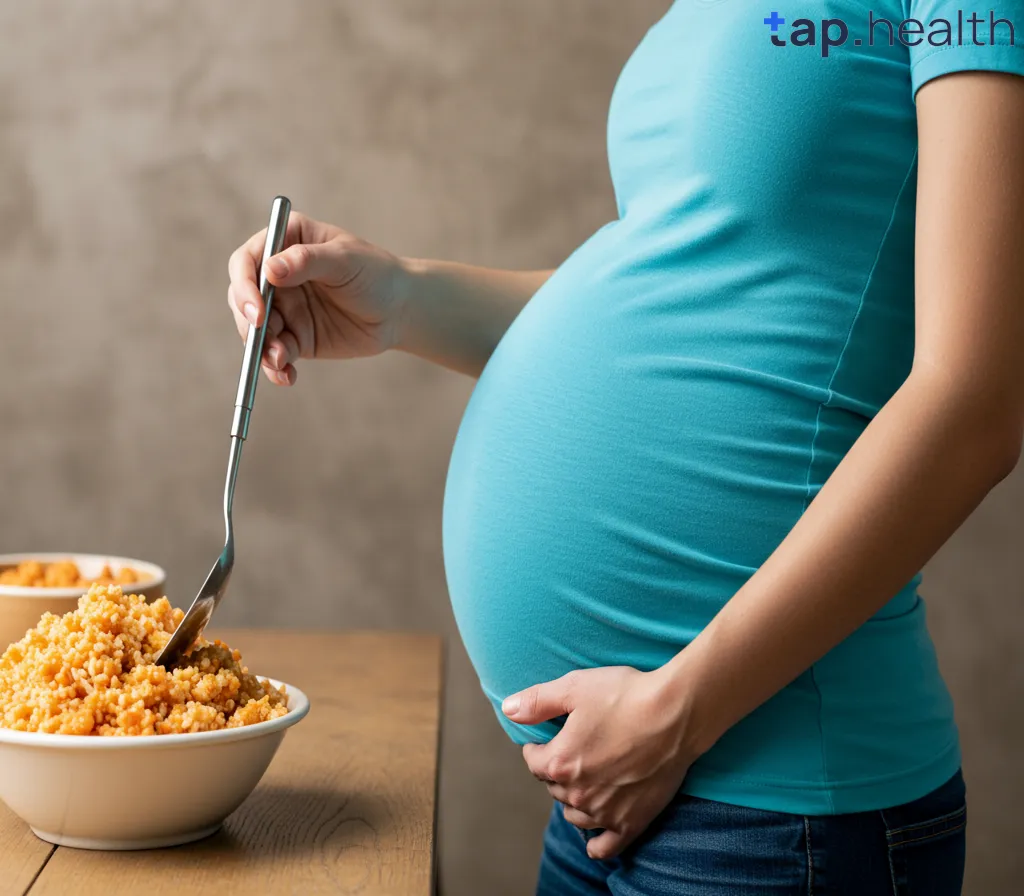
Pregnancy is a time of big changes—your body is working hard to grow a new life, and that means your appetite will likely change too.
If you’re wondering “When does the hunger start in pregnancy?” or “Why am I suddenly so hungry all the time?” , you’re not alone. Many women experience dramatic shifts in their appetite during pregnancy, from total loss of interest in food to uncontrollable cravings.
In this article, we’ll break down:
- When most women start feeling hungrier
- How hunger changes in each trimester
- What causes these changes
- Tips for managing sudden cravings or low appetite
- And much more!
Let’s get started.
When Do Most Women Start Feeling Hungrier?
For many women, hunger tends to kick in around the second trimester , which is roughly weeks 13 through 27 of pregnancy.
Before that, especially in the first trimester , some women may feel:
- Less hungry than usual
- Nauseous after eating
- Sudden food aversions
So while you might be surprised by how hungry you are in the second half of your pregnancy, it’s completely normal.
Here’s a quick timeline:
| First | Low to moderate | Loss of appetite, nausea |
| Second | High | Increased hunger, cravings |
| Third | Variable | Some women still hungry; others lose appetite again |
Why Does Hunger Increase in Pregnancy?
Your body needs more energy to support your growing baby, and that means you need to eat more calories.
Here’s what happens behind the scenes:
1. Baby’s Growth Spurt
- Your baby grows rapidly in the second and third trimesters.
- This requires more nutrients and energy, so your body sends signals to eat more.
2. Hormonal Changes
- Hormones like progesterone and insulin can affect how your body processes food and stores energy.
- These hormones can make you feel hungrier or less full.
3. Blood Volume Increases
- During pregnancy, your blood volume increases by up to 50%.
- This can cause low blood sugar , making you feel hungry more often.
4. Metabolism Speeds Up
- Your metabolism (how fast your body burns energy) increases by about 30–50% .
- You burn more calories just to keep up with your daily activities.
All of these factors can lead to increased hunger and even food cravings .
How Does Hunger Change in Each Trimester?
Now let’s take a closer look at how your appetite changes during each trimester.
1. First Trimester: When Hunger Might Be Low
The first trimester is usually the hardest for many women when it comes to appetite.
Common Symptoms:
- Morning sickness : Nausea that makes it hard to eat.
- Loss of appetite : Even your favorite foods might taste bad.
- Food aversions : Strong dislike for certain smells or flavors.
- Fatigue : Tiredness can reduce your desire to cook or eat.
What Helps:
- Eat small, frequent meals.
- Choose bland, easy-to-digest foods like crackers, toast, or applesauce.
- Stay hydrated with water or herbal tea.
- Avoid strong-smelling foods if they trigger nausea.
2. Second Trimester: When Hunger Picked Up
This is when most women start to feel more hungry and notice cravings .
Common Symptoms:
- Increased appetite : You may feel hungry every few hours.
- Cravings : For specific foods, sometimes unusual combinations (like pickles and ice cream).
- Energy boost : You may have more energy now than in the first trimester.
- Desire for snacks : Especially salty, sweet, or crunchy foods.
What Helps:
- Keep healthy snacks on hand (nuts, fruit, yogurt).
- Eat balanced meals with protein, carbs, and healthy fats.
- Don’t worry about “eating for two”—you only need about 300 extra calories per day .
- Listen to your body, but avoid overeating junk food.
3. Third Trimester: Hunger Can Vary
In the final months of pregnancy, your appetite can go up or down depending on how you feel.
Common Symptoms:
- Bloating and pressure : Makes it harder to eat large meals.
- Heartburn : Certain foods can irritate your stomach.
- Mood swings : May affect your appetite one way or another.
- Some women still crave food , while others don’t feel hungry at all.
What Helps:
- Eat smaller, more frequent meals.
- Avoid lying down right after eating.
- Use gravity to help digestion (sit upright after meals).
- Talk to your doctor if you’re losing weight or not eating well.
What Are Pregnancy Cravings and Aversions?
As your appetite changes, you may also notice strong cravings or aversions to certain foods.
Cravings:
- You might want foods you never liked before.
- Some cravings are harmless, but others (like non-food items) could be a sign of a nutrient deficiency.
Aversions:
- You might suddenly hate foods you used to love.
- Smells that didn’t bother you before can now make you feel sick.
Both cravings and aversions are caused by hormonal changes and are perfectly normal.
Is It Normal to Lose My Appetite in Pregnancy?
Yes! Many women, especially in the first trimester , experience loss of appetite due to nausea or fatigue.
However, if you’re:
- Not eating at all
- Losing weight
- Feeling very weak or dizzy
You should talk to your doctor. They can check for severe morning sickness (called hyperemesis gravidarum ) or other issues.
What Should I Eat When I’m Really Hungry?
If you find yourself ravenous, it’s important to choose nutritious, healthy foods instead of reaching for junk food.
Here are some good options:
- Protein-rich foods : Eggs, chicken, beans, tofu
- Complex carbs : Whole grains, oats, brown rice
- Healthy fats : Avocados, nuts, olive oil
- Fruits and veggies : Apples, bananas, leafy greens, carrots
- Dairy or alternatives : Milk, cheese, yogurt (for calcium)
Avoid:
- Foods high in mercury (like shark or swordfish)
- Undercooked meats or eggs
- Unpasteurized dairy or juice
- Excessive caffeine or alcohol
What If I Still Don’t Want to Eat?
It’s okay to not feel like eating all the time. But if you’re worried about not getting enough nutrition, here are some tips:
- Try smoothies or shakes with fruits, vegetables, and protein powder.
- Eat slowly and chew thoroughly.
- Snack on small portions throughout the day.
- Talk to your doctor or a dietitian for personalized advice.
Remember, you don’t have to force yourself to eat something you hate. Just try to get a variety of healthy foods over time.
How Much Extra Should I Eat?
You don’t need to “eat for two.” In fact, you only need an extra 300 calories per day in the second and third trimesters.
Think of it like this:
- One glass of milk + one piece of fruit = ~300 calories
- A small snack or side dish = ~300 calories
Focus on quality over quantity—your baby needs nutrients , not just calories.
Final Thoughts
Pregnancy brings many changes—and your appetite is no exception. From feeling totally uninterested in food to being ravenous all the time, it’s all part of the journey.
Knowing when to expect hunger, how to manage cravings, and what to eat when you’re starving can make a big difference in how you feel.
If you ever feel confused or worried about your appetite, don’t hesitate to reach out to your doctor. They’re there to help you stay healthy and happy throughout your pregnancy.
Wishing you a joyful and nourished pregnancy!
Frequently Asked Questions (FAQ) on When Does the Hunger Start in Pregnancy?
Q: When does the hunger start in pregnancy?
A: For most women, hunger starts increasing in the second trimester (around week 13). Before that, many women struggle with nausea and loss of appetite in the first trimester.
Q: Why am I so hungry all the time now?
A: Increased hunger is common in the second and third trimesters because your body needs more energy to support your growing baby. Hormonal changes and a faster metabolism also play a role.
Q: Is it normal to not feel hungry during pregnancy?
A: Yes, especially in the first trimester . Morning sickness and fatigue can reduce your appetite. If you’re not eating well, talk to your doctor.
Q: Can I eat anything I want when I’m really hungry?
A: No, it’s best to choose healthy, nutritious foods even when you’re hungry. Junk food can give you a quick burst of energy but won’t provide the nutrients your baby needs.
Q: What if I’m craving weird things?
A: Craving strange foods is common in pregnancy and usually harmless. However, if you’re craving non-food items (like dirt or paint), it could be a sign of a nutrient deficiency . Talk to your doctor.
Q: How much should I eat when I’m pregnant?
A: You only need about 300 extra calories per day in the second and third trimesters . Focus on eating a balanced diet with protein, carbs, and healthy fats.
Q: What if I lose my appetite and can’t eat?
A: If you’re struggling to eat, try small, frequent meals or snacks. If you’re not eating at all or losing weight, see your doctor to rule out severe morning sickness or other issues.
Q: Can I skip a meal if I’m not hungry?
A: Yes, but try not to skip too many meals in a row. Eating regularly helps maintain your energy and supports your baby’s growth. If you’re not hungry, try a light snack instead.
Q: Are food aversions normal in pregnancy?
A: Yes! Many women develop strong dislikes for certain foods or smells during pregnancy. It’s caused by hormonal changes and is perfectly normal.
Q: What should I do if I’m hungry but nothing sounds good?
A: Try simple, bland foods like toast, crackers, yogurt, or fruit . Sometimes your body just wants something easy to digest. You can also try a smoothie with fruits and protein.