Are you feeling the symptoms of pregnancy but unsure if it’s the right time to take a test? You’re not alone. One of the most common questions for women who think they might be pregnant is, “When is the best time to test for pregnancy?” Taking a test too early can lead to inaccurate results, while waiting too long can cause unnecessary anxiety. In this blog post, we’ll walk you through everything you need to know about the best time to take a pregnancy test, the accuracy of tests, and much more.
What Happens in Early Pregnancy?
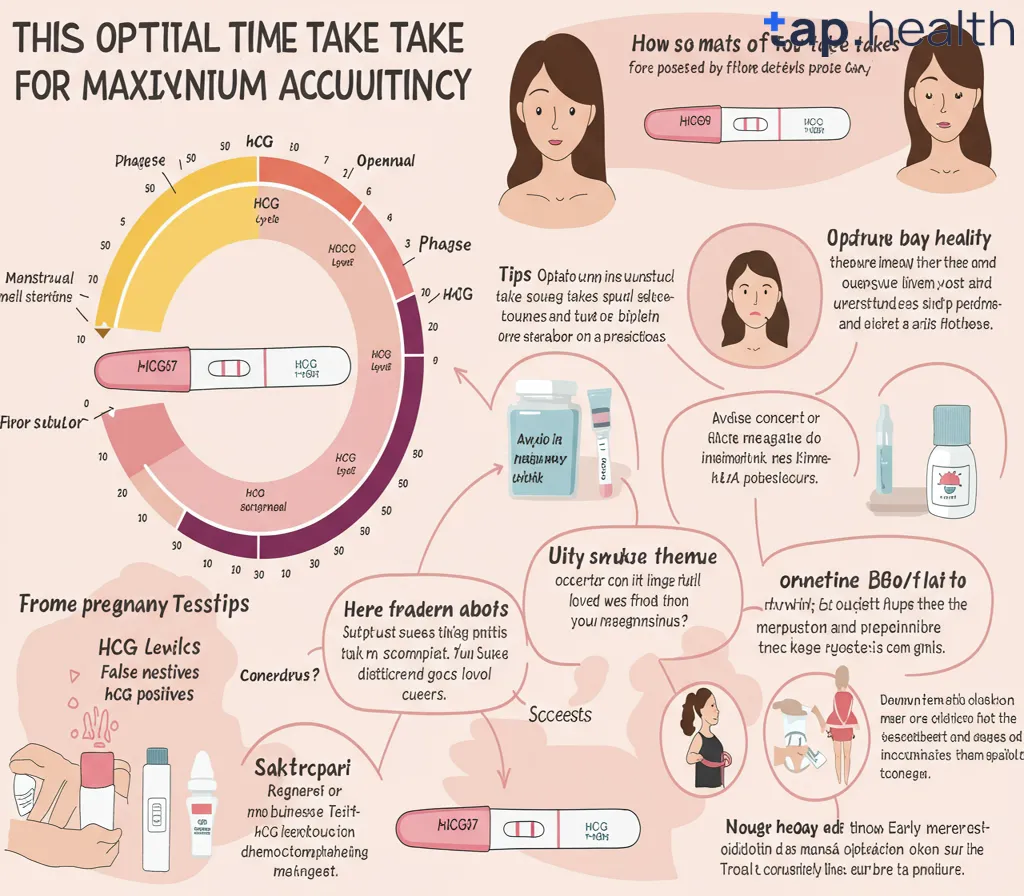
Before we dive into when to take a pregnancy test, let’s first understand what happens when pregnancy occurs. When an egg is fertilized by sperm, it attaches to the lining of the uterus. This triggers a series of hormonal changes in your body, including the production of human chorionic gonadotropin (hCG). hCG is the hormone that pregnancy tests detect to give you a positive result.
However, it takes time for your body to produce enough hCG to be detected by a test. This is why the timing of your pregnancy test is so important. Now, let’s look at when you should take the test.
When Should You Test for Pregnancy?
1. Wait Until After a Missed Period
The most common and accurate time to test for pregnancy is after you’ve missed your period. This is typically around 14 days after ovulation, and it’s when most at-home pregnancy tests will give you the most reliable results.
Your period is usually a reliable indicator that your body is not pregnant, but if it doesn’t arrive on time, it could signal pregnancy. Waiting until after you miss your period ensures that your body has had enough time to produce enough hCG for the pregnancy test to detect.
Why Wait for a Missed Period?
- Most Accurate Timing: This is when pregnancy tests are most accurate.
- Avoid False Negatives: Testing too early might give you a negative result even if you’re pregnant.
- Give Your Body Time to Produce hCG: The hormone needs time to build up in your system before it can be detected by a test.
2. How Early Can You Test for Pregnancy?
While the missed period is the best time, some pregnancy tests are designed to detect hCG earlier. These tests can sometimes detect pregnancy a few days before your expected period, depending on the test’s sensitivity.
Early Pregnancy Tests
- Super Early Tests: Some tests claim they can detect pregnancy as early as 6-8 days after conception (about 3-4 days before your missed period).
- Accuracy: These tests can give you an answer earlier, but they may also be less reliable if hCG levels are too low at the time of testing.
3. The Timing of Ovulation Matters
To truly understand when to test for pregnancy, it helps to know when ovulation occurred. Ovulation typically happens around the 14th day of your cycle if you have a regular 28-day cycle, but this can vary. If you have irregular cycles, it might be harder to predict ovulation. For the most accurate test results, try to track your ovulation and wait until after you’ve missed your period to test.
How Do Pregnancy Tests Work?
Pregnancy tests work by detecting hCG in your urine or blood. This hormone is produced once a fertilized egg implants in your uterus. There are two types of pregnancy tests:
1. Urine Pregnancy Tests (Home Pregnancy Tests)
These are the most common tests. You use them at home by urinating on a test strip or dipping a strip into a sample of urine. These tests are designed to detect hCG in your urine, which can show up 12-14 days after conception.
- How Accurate Are They?: Urine pregnancy tests are accurate when taken after a missed period. If you test too early, you risk a false negative.
- How to Use: Follow the instructions on the test carefully for the best results.
2. Blood Pregnancy Tests
These tests are done at a doctor’s office and can detect pregnancy even earlier than urine tests. A blood test can detect pregnancy 6-8 days after ovulation.
- How Accurate Are They?: Blood tests are very accurate and can detect pregnancy earlier than urine tests.
- When to Use: Doctors often use blood tests to confirm pregnancy, especially if the urine test is unclear or if you need more precise information.
What Affects the Accuracy of a Pregnancy Test?
There are several factors that can impact the accuracy of a pregnancy test, especially if you’re testing early. Here are some of the most common:
1. Testing Too Early
Taking a pregnancy test before your missed period can lead to a false negative. Your body might not have produced enough hCG for the test to detect. Even super-sensitive tests can sometimes fail to detect low levels of hCG early on.
2. Not Following Instructions
Each pregnancy test has specific instructions, and not following them can result in an inaccurate test. Make sure to read the directions carefully, especially the timing of how long to wait before reading the results.
3. Diluted Urine
If you drink too much fluid before taking the test, your urine may be diluted, which can reduce the concentration of hCG. This could lead to an inaccurate result. For the most accurate results, test with your first morning urine, as it is typically more concentrated.
4. Expired or Faulty Tests
Always check the expiration date on your pregnancy test before using it. Expired tests can provide inaccurate results. Similarly, a faulty test can give you false positives or negatives.
When to Take the Test for the Most Accurate Results
1. First Morning Urine
For the most accurate results, use your first morning urine, which has the highest concentration of hCG. This is the best time to test, especially if you’re testing early or trying to detect a pregnancy before a missed period.
2. Follow the Timing Instructions
Each pregnancy test has a recommended waiting time before you check the results. Be sure to follow the instructions carefully. Checking too early can lead to confusion or false results.
Can You Get a False Positive?
While false negatives are more common, false positives are possible, although rare. Here are some reasons why this might happen:
1. Chemical Pregnancy
A chemical pregnancy is an early miscarriage that happens before the pregnancy is even confirmed through an ultrasound. This can lead to a positive test result, but no baby is actually developing.
2. Evaporation Lines
An evaporation line can appear on a test after the recommended time window for reading results. This can be mistaken for a positive result. Always check your test within the specified time frame.
3. Medications
Some medications, particularly those containing hCG or fertility treatments, can cause a false positive. Be sure to consider any medications you are taking when interpreting your test results.
FAQ About When to Test for Pregnancy
1. When is the earliest I can test for pregnancy?
The earliest you can test for pregnancy is about 6-8 days after ovulation, although the most accurate results come after you miss your period.
2. How accurate are pregnancy tests before my missed period?
Pregnancy tests can be less accurate before your missed period because hCG levels may not be high enough to detect. For the most reliable results, wait until after your period is due.
3. Can I test for pregnancy the day after my missed period?
Yes, testing the day after your missed period is a great time for an accurate result, as your body will have produced enough hCG to be detected.
4. What time of day is best for a pregnancy test?
The best time to take a pregnancy test is first thing in the morning when your urine is most concentrated, which increases the accuracy of the test.
5. What should I do if my pregnancy test is negative but I still suspect I’m pregnant?
If you get a negative result but still suspect pregnancy, wait a few days and test again. If you continue to have symptoms or miss your period, schedule an appointment with your doctor for a blood test.
Conclusion
Knowing when to take a pregnancy test is key to getting an accurate result. While testing too early can lead to false negatives, waiting until after your missed period is the most reliable option. Remember to follow the instructions on the test, use your first morning urine, and consider tracking your ovulation for the best timing.
If you ever feel uncertain about your results or symptoms, don’t hesitate to reach out to a healthcare provider for further guidance and support.