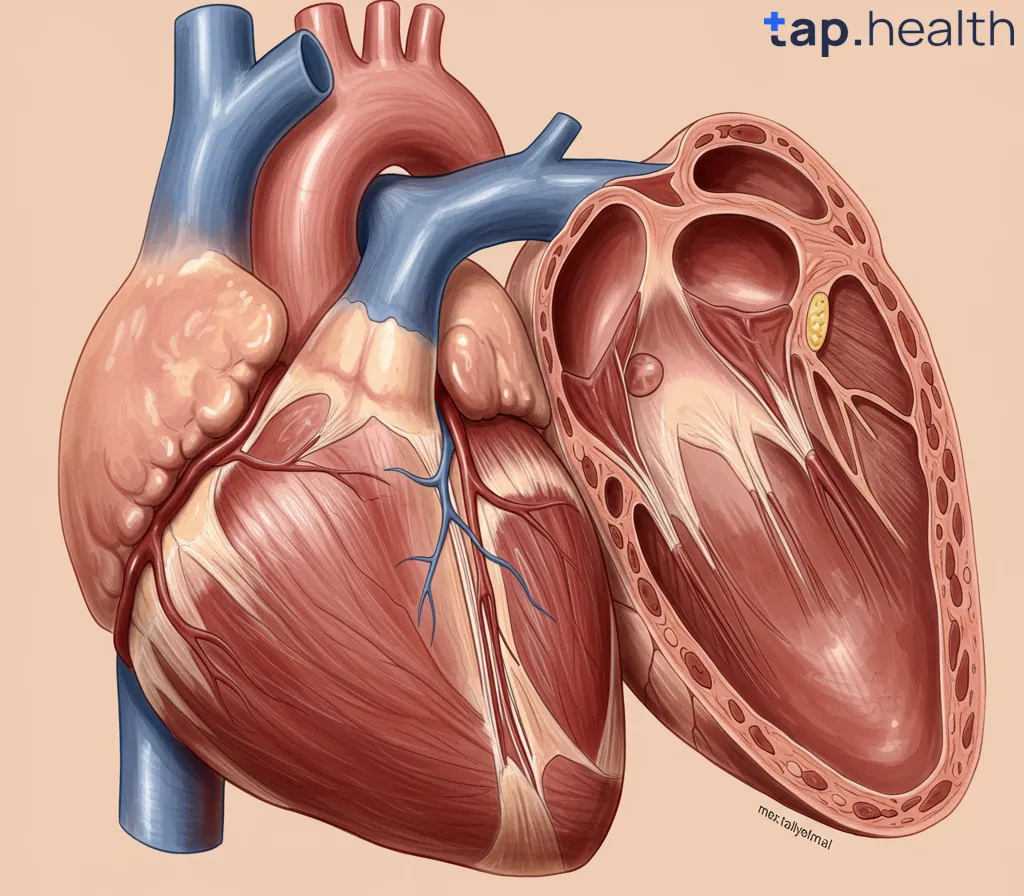
The heart is one of the most important organs in the body, responsible for pumping blood to every part of the body. But how does it do this? The structure and function of the heart’s chambers are key to its efficiency. Among the four chambers of the heart, each plays a specific role in ensuring that blood circulates effectively throughout the body. But there’s one chamber that stands out when it comes to muscle thickness—and that’s the left ventricle.
In this article, we’ll dive into the structure of the heart and explore which chamber has the thickest wall, why that’s important, and how the heart works to keep blood moving efficiently. We’ll also answer common questions about the heart’s anatomy and its function.
Heart Anatomy: An Overview
Before we explore the thickest chamber in detail, it’s important to understand the basic anatomy of the heart. The heart is divided into four chambers: two atria (upper chambers) and two ventricles (lower chambers).
The Four Chambers of the Heart
- Right Atrium: Receives deoxygenated blood from the body and pumps it into the right ventricle.
- Right Ventricle: Pumps deoxygenated blood to the lungs for oxygenation.
- Left Atrium: Receives oxygenated blood from the lungs and pumps it into the left ventricle.
- Left Ventricle: Pumps oxygenated blood to the rest of the body, including the brain, organs, and tissues.
Heart Wall Structure
Each chamber of the heart is lined with a layer of muscle known as the myocardium. The myocardium is responsible for contracting and relaxing to pump blood. The thickness of this muscle varies depending on the chamber’s function. Now, let’s focus on which chamber has the thickest myocardium and why.
Which Chamber of the Heart Has the Thickest Wall?
The left ventricle has the thickest wall of all the heart chambers. The reason for this lies in its role and the amount of work it must do to pump blood to the entire body.
Why Does the Left Ventricle Have the Thickest Wall?
The left ventricle is responsible for pumping oxygenated blood to the entire body, which includes high-resistance areas like the brain, muscles, and organs. To do this efficiently, the left ventricle needs to generate a significant amount of pressure. This is why its walls are much thicker than those of the other chambers.
Here’s a deeper look at why the left ventricle needs to be so strong:
1. Long-Distance Blood Circulation
The left ventricle pumps blood through the aorta, the body’s largest artery, which then branches out to supply blood to the rest of the body. The distance and resistance the blood must travel require a powerful, forceful contraction, which is made possible by the thick myocardium in the left ventricle.
2. Higher Pressure Requirements
The right ventricle, which only needs to pump blood to the lungs, operates under much lower pressure compared to the left ventricle. The lungs are close to the heart and don’t require as much pressure to pump blood. In contrast, the left ventricle needs to overcome the higher resistance in the systemic circulation to ensure that oxygen-rich blood is delivered efficiently throughout the body.
3. Oxygenated Blood
The left ventricle is responsible for pumping oxygenated blood, which has a higher viscosity than deoxygenated blood. To handle this thicker blood, the left ventricle requires more muscle strength, resulting in a thicker wall.
What is the Role of Each Heart Chamber?
Understanding the role of each heart chamber helps explain why the left ventricle needs to be the thickest. Let’s look at the specific functions of each chamber:
1. Right Atrium
The right atrium receives deoxygenated blood from the body through two main veins, the superior vena cava (from the upper body) and the inferior vena cava (from the lower body). It pumps this blood into the right ventricle.
- Function: Collects and pumps deoxygenated blood into the right ventricle.
2. Right Ventricle
The right ventricle pumps deoxygenated blood to the lungs via the pulmonary artery. The lungs are where the blood picks up oxygen and releases carbon dioxide.
- Function: Pumps deoxygenated blood to the lungs for oxygenation.
3. Left Atrium
The left atrium receives oxygenated blood from the lungs through the pulmonary veins. It then pumps the oxygen-rich blood into the left ventricle.
- Function: Collects oxygenated blood from the lungs and pumps it into the left ventricle.
4. Left Ventricle
The left ventricle is the powerhouse of the heart. It pumps oxygenated blood into the aorta, which is the main artery that carries blood to the entire body. The force required to pump blood to distant organs is what necessitates a thick, muscular wall in the left ventricle.
- Function: Pumps oxygenated blood throughout the entire body.
How Does the Heart Work to Pump Blood?
Understanding the pumping process of the heart helps clarify the need for the thick walls in certain chambers. Here’s a simplified overview of how blood circulates through the heart:
- Deoxygenated Blood: The heart receives deoxygenated blood from the body into the right atrium. This blood is pumped into the right ventricle.
- Pulmonary Circulation: The right ventricle then pumps this blood to the lungs via the pulmonary artery, where it picks up oxygen.
- Oxygenated Blood: Oxygenated blood returns to the left atrium from the lungs. The left atrium then pumps this blood into the left ventricle.
- Systemic Circulation: The left ventricle pumps the oxygenated blood into the aorta, which then delivers the blood to the rest of the body.
This continuous cycle ensures that oxygen and nutrients are delivered to tissues and organs, while waste products like carbon dioxide are removed.
What Happens if the Left Ventricle is Not Working Properly?
Because the left ventricle is the most powerful chamber, any issue with its function can have serious consequences. Common problems that affect the left ventricle include:
1. Left Ventricular Hypertrophy (LVH)
This condition occurs when the muscle wall of the left ventricle becomes thickened, often due to high blood pressure. Over time, LVH can lead to heart failure, as the heart becomes less efficient at pumping blood.
2. Heart Failure
In heart failure, the left ventricle is unable to pump blood effectively. This can result in fluid buildup in the lungs (pulmonary edema), fatigue, and difficulty breathing.
3. Heart Attack
A heart attack occurs when the blood supply to part of the heart is blocked. If the blockage affects the left ventricle, it can cause significant damage, as it’s the chamber responsible for pumping oxygenated blood to the body.
How Do the Other Chambers of the Heart Compare?
While the left ventricle has the thickest wall due to its vital function, the other chambers also have important roles:
- Right Ventricle: The right ventricle has a thinner wall compared to the left because it only needs to pump blood to the nearby lungs, which requires less pressure.
- Atria: Both atria (right and left) have the thinnest walls since they primarily function as receiving chambers. They push blood into the ventricles, which then pump the blood to the lungs and body.
Conclusion
The left ventricle of the heart has the thickest wall due to its critical role in pumping oxygenated blood throughout the body. This muscle thickness is essential for generating the high pressure required to send blood to distant organs, tissues, and muscles. The other chambers of the heart, while important, don’t require as much forceful pumping and therefore have thinner walls. Understanding the role of the heart’s chambers and the anatomy behind them is crucial for comprehending how the heart functions efficiently to support overall health.
By monitoring and maintaining a healthy cardiovascular system, you can help ensure that all chambers of the heart, especially the left ventricle, continue to perform at their best. Regular exercise, healthy eating, and routine check-ups are key to preserving heart health.
FAQ Section On Which Chamber of the Heart Has the Thickest Wall?
1. Which chamber of the heart has the thickest wall?
The left ventricle has the thickest wall because it needs to generate enough pressure to pump oxygenated blood to the entire body.
2. Why is the left ventricle thicker than the right ventricle?
The left ventricle is thicker because it pumps blood throughout the body, requiring higher pressure, while the right ventricle only pumps blood to the nearby lungs, requiring less force.
3. What causes left ventricular hypertrophy (LVH)?
LVH occurs when the left ventricle becomes thickened, often due to high blood pressure. Over time, this condition can lead to heart failure.
4. How do the atria function in the heart?
The atria are the upper chambers of the heart. Their primary function is to receive blood from the body (right atrium) and the lungs (left atrium) and pump it into the ventricles.
5. What can go wrong with the left ventricle?
Conditions like heart failure, left ventricular hypertrophy, and heart attacks can affect the left ventricle, compromising its ability to pump blood effectively.
By understanding the anatomy of the heart and the functions of its chambers, we gain valuable insights into how the body’s cardiovascular system works to keep us healthy. Proper care and awareness of the heart’s health are crucial for preventing issues and maintaining a strong, efficient heart throughout life.