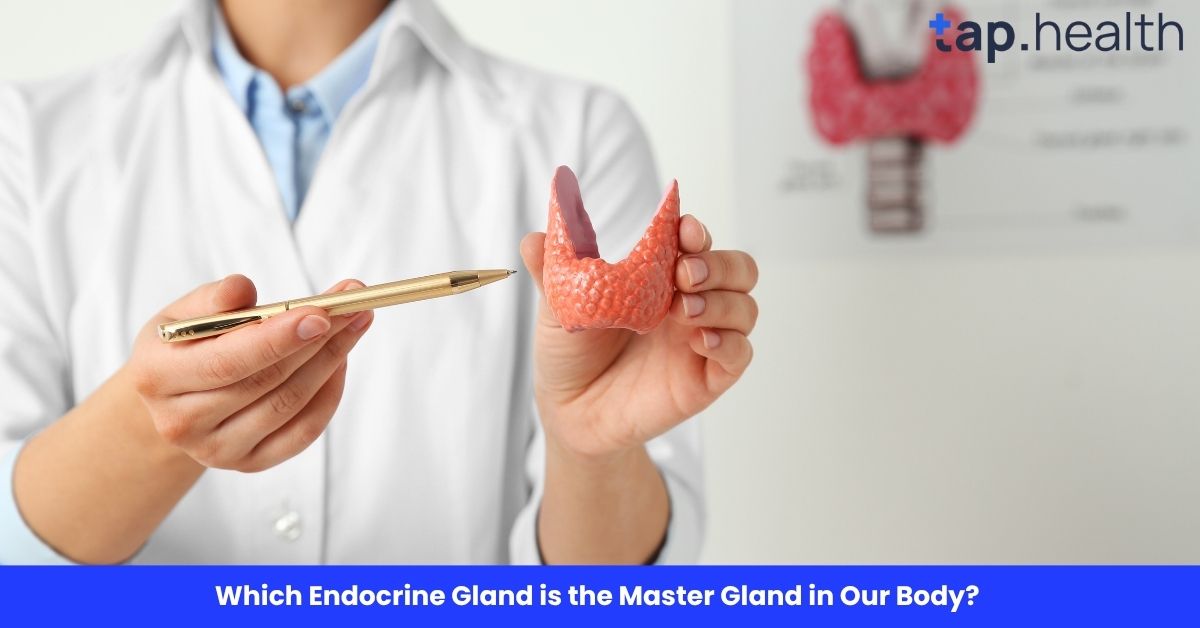
The human body is an intricate system, and within it, the endocrine system plays a crucial role. It helps regulate various bodily functions, such as metabolism, growth, reproduction, and mood. The endocrine glands secrete hormones directly into the bloodstream, and these hormones travel to different organs and tissues to help the body function optimally.
Out of all the endocrine glands in the body, there is one that is often referred to as the master gland. This gland is critical because it controls the activity of several other endocrine glands, making it the most influential in the entire system. But which gland deserves this title of “master gland”?
In this article, we will answer this important question, dive deep into the functions of the master gland, and explain how it interacts with other glands in the body to maintain health and balance.
What is the Endocrine System?
Before we talk about the master gland, it’s important to first understand what the endocrine system is and how it functions.
Definition of the Endocrine System
The endocrine system is a collection of glands that produce and secrete hormones. These hormones are chemical messengers that travel through the bloodstream to regulate the activities of various organs and tissues. The endocrine system influences many essential bodily functions, including:
- Growth and development
- Metabolism (the way your body converts food into energy)
- Reproduction (fertility, menstrual cycle, and sexual function)
- Mood and emotions
- Sleep patterns
Major Endocrine Glands in the Body
The main glands in the endocrine system include:
- Pituitary Gland (the master gland)
- Thyroid Gland
- Parathyroid Glands
- Adrenal Glands
- Pancreas
- Ovaries (in females) / Testes (in males)
- **Pineal Gland
These glands are responsible for producing hormones that travel through the bloodstream and regulate many body functions.
Which Endocrine Gland is the Master Gland in Our Body?
The pituitary gland is often referred to as the “master gland” of the endocrine system. It is located at the base of the brain, in a small bony cavity called the sella turcica, which is just behind the bridge of the nose. Despite being relatively small (about the size of a pea), the pituitary gland plays a critical role in controlling and regulating the functions of other endocrine glands.
Why is the Pituitary Gland Called the “Master Gland”?
The pituitary gland earns its title as the “master gland” because it produces and secretes hormones that control the activities of other glands, such as the thyroid, adrenal glands, ovaries, and testes. In this way, it helps maintain homeostasis—the balance necessary for the body to function efficiently.
The pituitary gland also helps regulate functions like growth, metabolism, and reproduction by controlling other glands that produce their own hormones. By producing hormones that influence other glands, it plays a pivotal role in coordinating the body’s response to various signals.
The Functions of the Pituitary Gland
The pituitary gland is composed of two main parts:
- Anterior Pituitary (Front part)
- Posterior Pituitary (Back part)
Each part has a unique set of functions and controls different glands and processes in the body.
1. Anterior Pituitary
The anterior pituitary produces several important hormones that regulate the activity of other endocrine glands. Some of the key hormones produced by the anterior pituitary include:
- Growth Hormone (GH): Stimulates growth and development, particularly of bones and muscles.
- Thyroid-Stimulating Hormone (TSH): Stimulates the thyroid gland to produce thyroid hormones (T3 and T4), which regulate metabolism.
- Adrenocorticotropic Hormone (ACTH): Stimulates the adrenal glands to produce cortisol, which helps the body respond to stress and regulate metabolism.
- Prolactin: Stimulates milk production in the breasts after childbirth.
- Follicle-Stimulating Hormone (FSH) and Luteinizing Hormone (LH): Regulate the function of the ovaries in females and testes in males, including the production of eggs and sperm, as well as sex hormone production (estrogen, progesterone, testosterone).
2. Posterior Pituitary
The posterior pituitary does not produce hormones, but it stores and releases hormones that are produced by the hypothalamus. The key hormones released by the posterior pituitary are:
- Antidiuretic Hormone (ADH): Regulates water balance in the body by controlling the amount of water reabsorbed by the kidneys.
- Oxytocin: Stimulates uterine contractions during labor and promotes the release of breast milk during breastfeeding.
These hormones play a crucial role in various bodily processes such as water balance, labor, and breastfeeding.
How the Pituitary Gland Controls Other Glands
The pituitary gland controls other endocrine glands by secreting hormones that signal them to produce their own hormones. This process is vital for maintaining the body’s balance and ensuring that all the systems work together smoothly.
The Pituitary-Hypothalamus Connection
The pituitary gland works closely with the hypothalamus, a region of the brain located just above the pituitary. The hypothalamus sends signals to the pituitary to either release or stop the release of certain hormones, depending on the body’s needs.
For example, the hypothalamus detects when the thyroid hormone levels are low and signals the pituitary to release TSH, which in turn stimulates the thyroid gland to produce more thyroid hormones. Similarly, if cortisol levels are too high, the hypothalamus signals the pituitary to reduce ACTH production, which helps control cortisol levels.
This constant feedback loop between the hypothalamus and pituitary helps regulate vital body functions such as metabolism, temperature regulation, and stress responses.
What Happens If the Pituitary Gland Malfunctions?
Since the pituitary gland plays such a vital role in controlling other endocrine glands, any malfunction in the pituitary can lead to a range of health problems. Some common pituitary disorders include:
1. Pituitary Tumors
Pituitary tumors can lead to either overproduction or underproduction of hormones, resulting in symptoms like:
- Headaches
- Vision problems
- Fatigue
- Hormonal imbalances
- Growth abnormalities
2. Hypopituitarism
This is a condition in which the pituitary gland doesn’t produce enough hormones. Symptoms may include:
- Fatigue
- Weight loss or gain
- Decreased sex drive
- Infertility
3. Hyperpituitarism
This condition occurs when the pituitary produces too many hormones, leading to conditions like acromegaly (overproduction of growth hormone) or Cushing’s disease (overproduction of cortisol).
4. Diabetes Insipidus
A condition caused by insufficient ADH production, leading to frequent urination and excessive thirst.
Other Key Endocrine Glands Controlled by the Pituitary
Apart from the pituitary, several other endocrine glands in the body are vital for various processes. These include:
1. Thyroid Gland
The thyroid produces hormones that regulate metabolism. It is controlled by TSH produced by the anterior pituitary. When the pituitary senses low thyroid hormone levels, it releases TSH to stimulate the thyroid to produce more hormones.
2. Adrenal Glands
The adrenal glands produce cortisol and adrenaline, which help the body manage stress and regulate metabolism. The pituitary controls the adrenal glands via ACTH.
3. Ovaries and Testes
The pituitary regulates the ovaries and testes through FSH and LH, which control the production of sex hormones (estrogen, progesterone, and testosterone) and the production of eggs and sperm.
4. Pancreas
The pancreas produces insulin and glucagon, which help regulate blood sugar levels. While the pituitary doesn’t directly control the pancreas, its overall regulation of metabolism can influence pancreatic function.
Real-Life Scenario
Consider a teenager going through a growth spurt. The pituitary gland releases growth hormone, which stimulates bone and muscle development. If the gland produces too little or too much hormone, it can lead to conditions like dwarfism or gigantism, showing how vital its balance is for overall health.
Expert Contribution
Endocrinologists emphasize that the pituitary gland’s hormones act as messengers to other glands. Dr. Smith, a leading endocrinologist, explains: “The pituitary is central to maintaining hormonal balance. Even slight dysfunction can affect multiple systems in the body.”
Recommendations Grounded in Proven Research and Facts
- Regular health checkups can detect pituitary disorders early.
- Balanced nutrition and sleep support healthy hormone production.
- Awareness of symptoms like unusual fatigue, rapid weight changes, or growth abnormalities can prompt timely medical evaluation.
- Medical intervention for pituitary disorders is guided by endocrinologists and may include hormone therapy, medication, or surgery depending on the condition.
Frequently Asked Questions (FAQs) on Which Endocrine Gland is the Master Gland in Our Body?
1. What is the master gland in our body?
The pituitary gland is known as the master gland in the body because it controls and regulates the functions of other endocrine glands by secreting hormones.
2. Why is the pituitary gland called the master gland?
The pituitary gland is called the master gland because it produces hormones that control the activity of other endocrine glands like the thyroid, adrenal glands, and gonads (ovaries and testes).
3. What hormones are produced by the pituitary gland?
The pituitary gland produces several important hormones, including growth hormone (GH), thyroid-stimulating hormone (TSH), adrenocorticotropic hormone (ACTH), prolactin, and follicle-stimulating hormone (FSH), among others.
4. How does the pituitary gland affect other organs?
The pituitary gland releases hormones that stimulate other glands like the thyroid, adrenal glands, and ovaries/testes to produce their respective hormones. This regulation helps maintain balance in the body’s systems.
5. What happens if the pituitary gland malfunctions?
Malfunctions of the pituitary gland can lead to a variety of disorders, including hypopituitarism, hyperpituitarism, pituitary tumors, and diabetes insipidus. These conditions can result in hormonal imbalances, fatigue, and growth abnormalities.
6. Can the pituitary gland be treated if it’s malfunctioning?
Yes, treatment options for pituitary disorders include hormone replacement therapy, medication, surgery to remove tumors, and lifestyle changes, depending on the specific condition.
Conclusion
The pituitary gland is truly the “master gland” of the endocrine system, as it controls the activity of other critical glands in the body. By producing hormones like TSH, ACTH, and GH, it regulates functions such as metabolism, growth, reproduction, and stress responses. Without the proper functioning of the pituitary, the body’s balance could be disrupted, leading to a wide range of health problems.
Understanding the role of the pituitary gland helps us appreciate how essential it is to the body’s overall functioning. If you suspect a pituitary issue, consult a healthcare provider for proper diagnosis and treatment. With proper care, most endocrine disorders can be managed effectively to ensure a healthy, balanced life.