hen someone says “heart attack” or “stroke,” most people immediately think of something serious—something that could be life-threatening. And they’re right. Both conditions are medical emergencies that require fast action. But when people ask, “Which is worse—heart attack or stroke?”, they’re usually trying to understand which one causes more damage, has a higher chance of death, or leads to a harder recovery.
The truth is, both are extremely dangerous. Neither is “better” than the other. But to really answer this question, we need to look at what each condition is, how they happen, what happens to the body, and what the long-term outcomes can be.
In this article, we’ll break everything down in simple terms. No confusing medical jargon. No robotic language. Just clear, accurate, and easy-to-understand facts—so you can know exactly what to expect, how to prevent these conditions, and why acting fast can save a life.
Let’s start from the beginning.
What Is a Heart Attack?
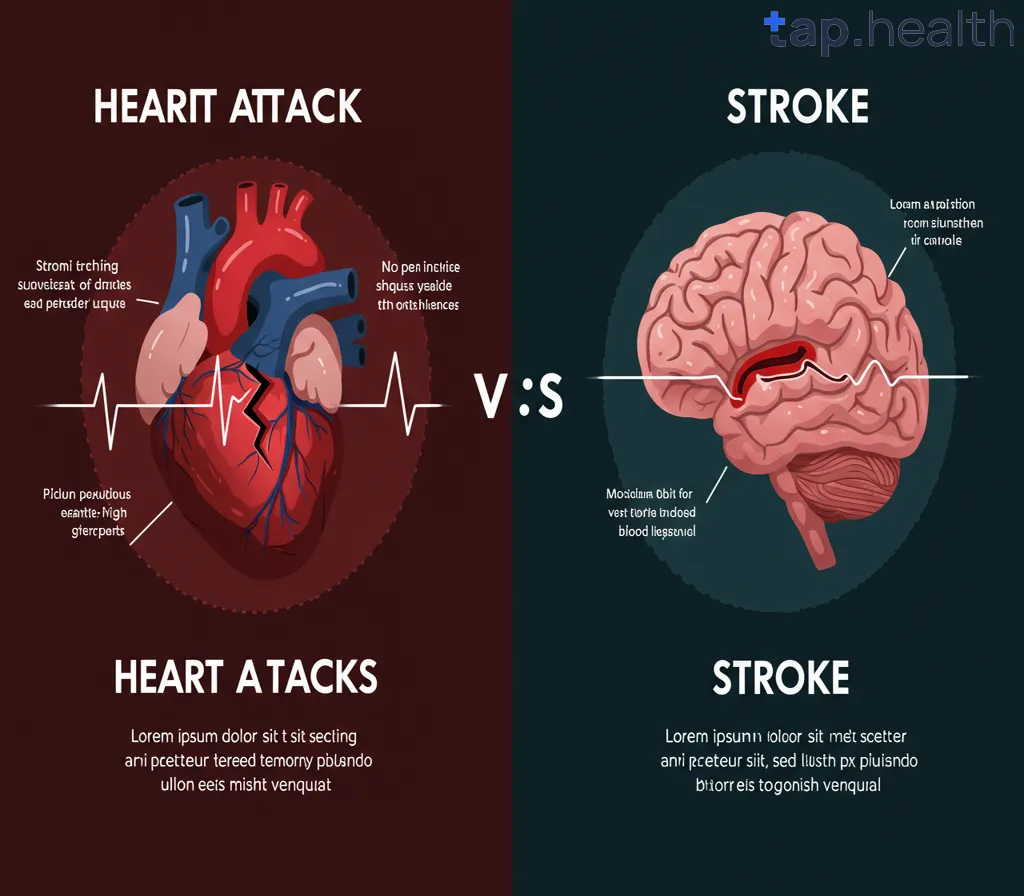
A heart attack, also called a myocardial infarction, happens when blood flow to part of the heart muscle is blocked. Think of your heart as a pump that needs fuel—just like a car needs gas. That fuel comes from blood flowing through arteries. When one of those arteries gets clogged, the heart muscle it feeds starts to die.
This blockage is usually caused by a buildup of plaque—made of fat, cholesterol, and other substances—over time. If that plaque breaks open, a blood clot can form right there, completely blocking the artery.
When the heart doesn’t get enough oxygen-rich blood, it starts to suffer damage within minutes. The longer the blockage lasts, the more damage occurs.
What Causes a Heart Attack?
The main cause of a heart attack is coronary artery disease (CAD). This is when the arteries that supply blood to the heart become narrow or blocked. But other things can trigger a heart attack too, such as:
- Smoking – Damages blood vessels and speeds up plaque buildup.
- High blood pressure – Makes the heart work harder and damages arteries.
- High cholesterol – Leads to more plaque in arteries.
- Diabetes – Increases the risk of heart disease.
- Obesity – Puts extra strain on the heart.
- Lack of physical activity – Weakens the heart and circulatory system.
- Family history – Genetics can play a role.
Some people may not have any symptoms until they’re having a heart attack. Others may feel warning signs days or weeks before.
Common Symptoms of a Heart Attack
Not everyone has the same symptoms. But the most common ones include:
- Chest pain or discomfort (often described as pressure, squeezing, or fullness)
- Pain or discomfort in the arms, back, neck, jaw, or stomach
- Shortness of breath
- Cold sweat
- Nausea or vomiting
- Lightheadedness or dizziness
- Unusual fatigue (especially in women)
Women are more likely than men to have less typical symptoms like shortness of breath, nausea, or back pain without chest pain. That’s one reason why heart attacks in women are sometimes missed or diagnosed late.
What Is a Stroke?
A stroke happens when blood flow to part of the brain is cut off. The brain needs a constant supply of oxygen and nutrients from blood. When that supply stops, brain cells begin to die within minutes.
There are two main types of stroke: ischemic and hemorrhagic.
Ischemic Stroke
This is the most common type—about 87% of all strokes. It happens when a blood clot blocks an artery that supplies blood to the brain. The clot usually forms because of fatty deposits (plaque) in the arteries, just like in heart attacks. Sometimes, a clot forms somewhere else in the body (like the heart) and travels to the brain.
Hemorrhagic Stroke
This type is less common but often more deadly. It happens when a blood vessel in the brain bursts and causes bleeding. The bleeding increases pressure in the brain and damages brain cells. High blood pressure and weakened blood vessels (like aneurysms) are common causes.
There’s also something called a transient ischemic attack (TIA), sometimes called a “mini-stroke.” It’s caused by a temporary blockage. Symptoms go away in minutes or hours, but a TIA is a serious warning sign. About 1 in 3 people who have a TIA will later have a full stroke.
What Causes a Stroke?
The risk factors for stroke are very similar to those for heart attack. They include:
- High blood pressure – The #1 risk factor for stroke
- Smoking – Damages blood vessels and raises blood pressure
- Diabetes – Increases risk of both stroke and heart disease
- High cholesterol – Leads to plaque buildup in arteries
- Atrial fibrillation (AFib) – An irregular heartbeat that can cause blood clots
- Obesity and lack of exercise
- Family history or age – Risk increases after age 55
Some people are at higher risk because of genetics or race. For example, African Americans have a higher risk of stroke than white Americans.
Common Symptoms of a Stroke
Stroke symptoms come on suddenly. The acronym FAST helps people remember the signs:
- F – Face drooping (one side of the face droops or feels numb)
- A – Arm weakness (one arm is weak or numb)
- S – Speech difficulty (slurred speech or trouble speaking)
- T – Time to call 911 (if you see any of these signs, act fast)
Other symptoms include:
- Sudden confusion or trouble understanding speech
- Sudden trouble seeing in one or both eyes
- Sudden severe headache with no known cause
- Sudden dizziness, loss of balance, or coordination
Just like heart attacks, women may have different or less obvious stroke symptoms, such as sudden hiccups, nausea, or general weakness.
Comparing Heart Attack vs. Stroke: Which Is Worse?
Now we get to the big question: Which is worse—heart attack or stroke?
The answer isn’t simple. Both can be deadly. Both can cause long-term disability. But they affect different parts of the body and have different outcomes.
Let’s break it down.
Death Rates: Which One Kills More People?
According to the Centers for Disease Control and Prevention (CDC), heart disease is the leading cause of death in the United States, and heart attacks are a major part of that. In 2021, heart disease caused about 695,000 deaths in the U.S. Strokes caused about 160,000 deaths.
So, more people die from heart attacks than strokes each year. But that doesn’t mean strokes are “less serious.” It just means heart disease is more common.
When you look at survival rates, the picture changes.
- About 87% of people survive a heart attack if they get treatment quickly.
- For stroke, about 85% of people survive the first month, but long-term survival depends on how severe the stroke was and how fast treatment was given.
So in terms of immediate survival, both are very close.
Long-Term Effects: Which Causes More Disability?
Here’s where strokes often come out as “worse” in the long run.
A heart attack damages the heart muscle. Depending on how much damage was done, a person might recover fully, need medication, or develop heart failure. But most people can still talk, walk, and think normally after a heart attack.
A stroke, on the other hand, affects the brain—the control center of the body. Damage to the brain can lead to:
- Paralysis or muscle weakness (often on one side of the body)
- Trouble speaking or understanding language (called aphasia)
- Memory problems or confusion
- Vision issues
- Emotional changes (like depression or mood swings)
- Difficulty swallowing or eating
Some stroke survivors need long-term care, rehab, or help with daily tasks. About 1 in 4 stroke survivors will have another stroke, which can make things even worse.
Heart attack survivors also face long-term risks, like heart failure or arrhythmias, but they usually don’t lose basic brain functions.
So while heart attacks are more common, strokes tend to cause more lasting disability.
Recovery Time: Which Takes Longer?
Recovery depends on the severity of the event and how fast treatment was given.
- Heart attack recovery usually takes weeks to months. Many people go back to work and normal life after cardiac rehab.
- Stroke recovery can take months or even years. Some people never fully regain their speech, movement, or independence.
Rehab after a stroke often includes physical therapy, speech therapy, and occupational therapy. It’s a long process that requires a lot of effort and support.
So in terms of recovery, strokes usually take longer and are more challenging.
Quality of Life After: Which Is Harder?
After a heart attack, most people can return to a good quality of life. They may need to take medications, eat healthier, and exercise, but they can still drive, work, and enjoy hobbies.
After a severe stroke, some people may never walk again, may need help eating or bathing, or may not be able to talk. This can be emotionally and physically hard for both the person and their family.
So while both conditions change lives, a severe stroke often has a bigger impact on daily living.
Can You Have Both a Heart Attack and a Stroke?
Yes, it’s possible—and more common than you might think.
People who have heart disease are at higher risk for stroke, and vice versa. Why? Because both are caused by problems in the blood vessels.
For example:
- A person with atrial fibrillation (an irregular heartbeat) is more likely to form blood clots in the heart. If a clot breaks loose, it can travel to the brain and cause a stroke.
- Someone who has had a heart attack may have damaged heart tissue that doesn’t pump well, increasing the risk of clots and stroke.
Also, the same risk factors—like high blood pressure, smoking, and diabetes—raise the risk for both conditions.
So having one doesn’t protect you from the other. In fact, it increases your chances of having both.
How Are Heart Attacks and Strokes Treated?
Time is critical for both. The faster you get help, the better your chances of survival and recovery.
Treating a Heart Attack
When someone arrives at the hospital with a heart attack, doctors act fast.
Common treatments include:
- Clot-busting drugs (thrombolytics) – Given to dissolve the clot blocking the artery.
- Angioplasty and stent – A tube is threaded through a blood vessel to the heart. A balloon opens the blocked artery, and a stent (a tiny mesh tube) is placed to keep it open.
- Bypass surgery – Used in severe cases. A surgeon uses a blood vessel from another part of the body to go around the blocked artery.
After treatment, patients go into cardiac rehab. This includes exercise, education, and counseling to help the heart heal and prevent future attacks.
Treating a Stroke
Stroke treatment depends on the type.
For ischemic stroke:
- Clot-busting drugs (like tPA) – Must be given within 3 to 4.5 hours of symptoms starting.
- Mechanical thrombectomy – A device is used to remove the clot from the brain artery. This can be done up to 24 hours in some cases.
For hemorrhagic stroke:
- Surgery may be needed to stop the bleeding or relieve pressure on the brain.
- Medications to lower blood pressure and prevent seizures.
After a stroke, rehab is essential. Patients work with therapists to regain strength, speech, and daily living skills.
Why Fast Action Matters
Every minute counts.
- During a heart attack, about 1.5 million heart cells die every minute the artery is blocked.
- During a stroke, 1.9 million brain cells die every minute without blood flow.
That’s why the phrase “time is muscle” (for heart attacks) and “time is brain” (for strokes) is used by doctors.
Calling 911 immediately can mean the difference between walking out of the hospital and spending the rest of your life in a wheelchair.
Prevention: Can You Avoid Heart Attacks and Strokes?
Yes—most heart attacks and strokes can be prevented.
The good news? The same healthy habits that protect your heart also protect your brain.
1. Control Your Blood Pressure
High blood pressure is the #1 risk factor for both heart attacks and strokes. It’s often called the “silent killer” because it has no symptoms.
- Get your blood pressure checked regularly.
- Aim for less than 120/80 mm Hg.
- Take medication if prescribed.
2. Manage Cholesterol
High LDL (“bad”) cholesterol leads to plaque buildup in arteries.
- Eat less saturated fat and trans fat.
- Exercise regularly.
- Take statins if your doctor recommends them.
3. Don’t Smoke
Smoking damages blood vessels, raises blood pressure, and lowers oxygen in the blood.
- Quitting smoking cuts your risk of heart attack and stroke in half within a year.
- Talk to your doctor about stop-smoking programs or medications.
4. Stay Active
Exercise strengthens the heart, lowers blood pressure, and helps control weight.
- Aim for at least 150 minutes of moderate exercise per week (like brisk walking).
- Even 10-minute walks add up.
5. Eat a Heart-Healthy Diet
Focus on:
- Fruits and vegetables
- Whole grains
- Lean proteins (like fish, chicken, beans)
- Healthy fats (like olive oil, nuts, avocados)
- Less salt, sugar, and processed foods
The Mediterranean diet is one of the best for heart and brain health.
6. Maintain a Healthy Weight
Being overweight makes your heart work harder and increases the risk of diabetes and high blood pressure.
- Losing just 5–10% of your body weight can make a big difference.
7. Limit Alcohol
Drinking too much raises blood pressure and can cause irregular heartbeats.
- Men: no more than 2 drinks per day
- Women: no more than 1 drink per day
8. Manage Diabetes
High blood sugar damages blood vessels over time.
- Keep blood sugar under control with diet, exercise, and medication.
- Check your levels regularly.
9. Treat Atrial Fibrillation (AFib)
If you have an irregular heartbeat, you may need blood thinners to prevent clots.
- See your doctor if you feel palpitations, dizziness, or shortness of breath.
10. Reduce Stress
Chronic stress raises blood pressure and can lead to unhealthy habits like overeating or smoking.
- Practice relaxation techniques like deep breathing, meditation, or yoga.
- Stay connected with friends and family.
Are Heart Attacks and Strokes Hereditary?
Yes, family history plays a role.
If your parents or siblings had a heart attack or stroke before age 55 (men) or 65 (women), your risk is higher.
But genetics isn’t destiny. Even if heart disease runs in your family, you can lower your risk by living a healthy lifestyle.
Talk to your doctor about your family history. They may recommend earlier or more frequent screenings.
Can Young People Have Heart Attacks or Strokes?
Yes—though it’s less common.
While most heart attacks and strokes happen in older adults, younger people are not immune.
Heart Attacks in Young Adults
- More young people are having heart attacks due to rising rates of obesity, diabetes, and high blood pressure.
- Smoking, drug use (like cocaine), and extreme stress can also trigger heart attacks in young adults.
- Some are born with heart conditions that increase risk.
Strokes in Young Adults
- About 10–15% of strokes occur in people under 50.
- Causes include blood vessel problems, blood clotting disorders, migraines with aura, and lifestyle factors.
- Pregnancy and birth control pills can increase stroke risk in young women.
The takeaway? Age doesn’t protect you. Healthy habits matter at every stage of life.
What Should You Do If Someone Is Having a Heart Attack or Stroke?
Act fast. Don’t wait.
If You Suspect a Heart Attack:
- Call 911 immediately.
- Have the person sit down, rest, and stay calm.
- If they have prescribed nitroglycerin, help them take it.
- If they are not allergic and have no contraindications, give them an aspirin (chewable is best).
- Do not drive them yourself—wait for the ambulance.
If You Suspect a Stroke:
- Use the FAST test:
- F – Face drooping?
- A – Arm weakness?
- S – Speech slurred?
- T – Time to call 911!
- Note the time when symptoms started.
- Do not give them food, water, or medication.
- Stay with them until help arrives.
Remember: Every minute matters. Delaying treatment can mean more damage or death.
Can You Fully Recover from a Heart Attack or Stroke?
Yes, many people do—but recovery looks different for each person.
Heart Attack Recovery
- Most people can return to normal activities within a few weeks.
- Cardiac rehab helps strengthen the heart and reduce future risk.
- Lifestyle changes are key to staying healthy.
Stroke Recovery
- Recovery varies widely. Some people regain most or all function.
- Others may have lasting problems with movement, speech, or thinking.
- Early rehab improves outcomes.
- Support from family, therapists, and doctors is crucial.
Recovery is a journey. It takes time, patience, and effort.
Final Answer: Which Is Worse?
So, which is worse—heart attack or stroke?
There’s no clear winner. Both are life-threatening. Both can cause permanent damage.
But if we look at long-term impact:
- Heart attacks are more common and cause more deaths overall.
- Strokes are more likely to leave survivors with lasting disabilities.
So in terms of sheer numbers, heart attacks take more lives. But in terms of quality of life after the event, strokes often have a greater impact.
Ultimately, neither is “worse” in a way that makes the other safe. Both demand immediate attention, prevention, and respect.
The best approach? Don’t let either happen.
Live a healthy lifestyle. Know the warning signs. Act fast if you or someone else shows symptoms.
Your heart and brain are both priceless. Protect them.
Frequently Asked Questions (FAQ) on Which Is Worse: Heart Attack or Stroke?
Q: Can a heart attack turn into a stroke?
No, a heart attack doesn’t “turn into” a stroke. But having a heart attack increases your risk of having a stroke later. This is because both are caused by similar problems—like plaque in arteries or blood clots. Also, a damaged heart may form clots that travel to the brain.
Q: Do heart attacks and strokes feel the same?
No. Heart attacks usually cause chest pain, pressure, or discomfort that may spread to the arm, neck, or jaw. Strokes often cause sudden numbness, confusion, trouble speaking, or facial drooping. But symptoms can overlap, and some people (especially women) may have unusual symptoms.
Q: Which is more painful—heart attack or stroke?
Pain is subjective, but heart attacks often cause more noticeable pain, especially chest pain. Strokes may not hurt at all—some people just feel confused or weak. However, hemorrhagic strokes (caused by bleeding) can cause a sudden, severe headache.
Q: Can you have a heart attack and stroke at the same time?
It’s rare, but possible. For example, a large blood clot could block both a heart artery and a brain artery. Or a person with severe heart disease could have a heart attack that leads to a clot breaking loose and causing a stroke.
Q: Are heart attacks and strokes preventable?
Yes, up to 80% of heart attacks and strokes can be prevented with healthy lifestyle choices and managing medical conditions like high blood pressure, diabetes, and high cholesterol.
Q: Which is more common in women—heart attack or stroke?
Heart attacks are slightly more common in women than strokes. However, women are more likely to die from a heart attack than men. Also, women often have different or milder symptoms, which can delay diagnosis.
Q: Can stress cause a heart attack or stroke?
Yes. Chronic stress raises blood pressure and can lead to unhealthy habits like smoking or overeating. Extreme stress can even trigger a temporary heart condition called “broken heart syndrome” (takotsubo cardiomyopathy), which mimics a heart attack.
Q: What age do heart attacks and strokes usually happen?
Most heart attacks and strokes happen in people over 65. But they can occur at any age. Risk increases with age, but rising rates of obesity, diabetes, and high blood pressure mean more younger people are affected.
Q: Is recovery easier after a heart attack or stroke?
Generally, recovery is easier and faster after a heart attack. Most people can return to normal life with rehab. Stroke recovery is often longer and more complex, especially if it affects speech, movement, or thinking.
Q: Can you live a normal life after a heart attack or stroke?
Yes, many people do. After a heart attack, most can return to work, exercise, and daily activities. After a stroke, recovery depends on severity—some people regain full function, while others need ongoing support. Early treatment and rehab improve outcomes.
Q: What’s the survival rate for heart attacks and strokes?
- About 87% of heart attack patients survive if treated quickly.
- About 85% of stroke patients survive the first month. Survival depends on how fast treatment is given, the severity of the event, and the person’s overall health.
Q: Are heart attacks and strokes genetic?
Family history increases risk for both. If close relatives had early heart attacks or strokes, your risk is higher. But lifestyle choices play a bigger role than genes in most cases.
Q: Can you prevent both with the same habits?
Absolutely. Eating well, exercising, not smoking, managing blood pressure, and controlling diabetes help prevent both heart attacks and strokes. A healthy heart usually means a healthy brain.
Final Thoughts
When it comes to “which is worse—heart attack or stroke,” the real answer is: both are serious, and both deserve your attention.
Instead of comparing them, focus on what you can do: live a heart-healthy, brain-healthy life. Know the warning signs. Act fast in an emergency.
Your body is built to last—but only if you take care of it.
Stay informed. Stay healthy. And never ignore chest pain, facial drooping, or sudden confusion.
Because when it comes to your heart and brain, every second counts.