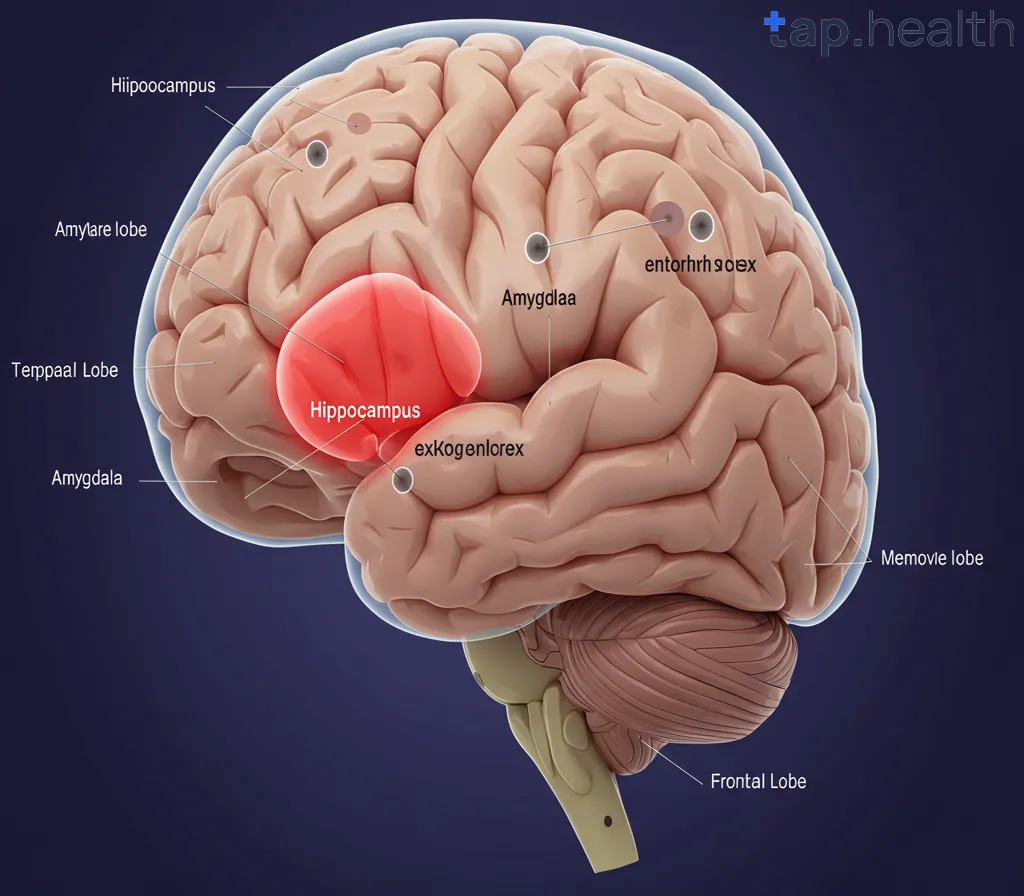
Alzheimer’s disease is a devastating condition that impacts millions of people worldwide, gradually impairing memory, cognitive abilities, and behavior. But what exactly happens to the brain in Alzheimer’s disease? Which part of the brain is primarily affected?
In this article, we’ll break down how Alzheimer’s disease affects the brain, which regions are most impacted, and what this means for those who live with the disease. We’ll explore how these brain changes influence memory, thinking, and behavior, providing a clear understanding of the disease and its progression.
What Is Alzheimer’s Disease?
Alzheimer’s disease is a progressive neurodegenerative disorder, meaning that it slowly damages and destroys brain cells over time. It is the most common cause of dementia, a group of symptoms that affect memory, thinking, and social abilities. Alzheimer’s disease leads to the deterioration of brain function, impacting everything from the ability to remember important information to the capacity to perform simple tasks.
As Alzheimer’s disease progresses, it leads to memory loss, confusion, changes in behavior, and difficulties with speech and movement. The disease eventually interferes with daily functioning and independence, making it a major concern for individuals, families, and healthcare providers.
Which Part of the Brain Does Alzheimer’s Disease Affect?
Alzheimer’s disease primarily affects several parts of the brain that are responsible for memory, thinking, and behavior. The key areas impacted by the disease include the hippocampus, the cerebral cortex, and the amyloid plaques and tau tangles that form in these regions. Let’s dive into each of these areas to understand how Alzheimer’s damages the brain.
1. Hippocampus: The Memory Center of the Brain
The hippocampus is one of the first areas affected by Alzheimer’s disease. This small, seahorse-shaped structure is located deep within the brain and is essential for forming new memories and retrieving old ones. It is a crucial part of the brain’s limbic system, which is responsible for regulating emotions and memory.
How Alzheimer’s Affects the Hippocampus
In the early stages of Alzheimer’s disease, damage to the hippocampus begins to impair short-term memory. Individuals may struggle to remember recently learned information, names, or appointments. As the disease progresses, the hippocampus continues to shrink, leading to more severe memory loss and difficulty forming new memories. This is why memory loss is often one of the first and most noticeable symptoms of Alzheimer’s.
2. Cerebral Cortex: The Brain’s Outer Layer
The cerebral cortex is the outer layer of the brain and is involved in higher cognitive functions such as reasoning, problem-solving, language, and voluntary muscle movements. The cortex is divided into different regions, each responsible for different functions. Alzheimer’s disease causes the degeneration of the cerebral cortex, leading to various cognitive impairments.
How Alzheimer’s Affects the Cerebral Cortex
As Alzheimer’s disease progresses, the degeneration of the cerebral cortex leads to a decline in cognitive abilities. People with Alzheimer’s may experience difficulties in:
- Language – Individuals may struggle to find the right words, leading to speech difficulties and problems with communication.
- Problem-solving – Cognitive decline in the cortex can make it difficult to make decisions or perform tasks that were once simple.
- Spatial awareness – A person’s ability to recognize familiar places or navigate through their environment may become impaired.
- Judgment and reasoning – Alzheimer’s disease can impact a person’s ability to think logically and make sound decisions.
3. Amyloid Plaques and Tau Tangles: The Hallmarks of Alzheimer’s Disease
One of the most well-known features of Alzheimer’s disease is the accumulation of abnormal protein deposits in the brain. These include amyloid plaques and tau tangles.
- Amyloid plaques: These sticky clumps of protein build up between neurons (brain cells) and disrupt communication between them. Amyloid plaques are most commonly found in the hippocampus and cerebral cortex, further impairing memory and cognitive function.
- Tau tangles: Tau is a protein that helps stabilize microtubules in cells. In Alzheimer’s disease, tau proteins become tangled and twisted, disrupting the function of neurons. These tangles typically form inside the neurons, leading to cell death and further cognitive decline.
4. Other Affected Areas in the Brain
While the hippocampus and cerebral cortex are most affected, Alzheimer’s disease also impacts several other regions of the brain as it progresses. These areas include:
- Amygdala: The amygdala is responsible for processing emotions such as fear, pleasure, and anger. Alzheimer’s disease can affect emotional regulation, leading to mood swings, anxiety, or depression.
- Basal Ganglia: This area of the brain is involved in motor control and movement. As Alzheimer’s disease advances, it can cause motor difficulties, including tremors, difficulty walking, and muscle rigidity.
- Brainstem: The brainstem controls essential functions such as breathing, heart rate, and swallowing. In the final stages of Alzheimer’s, damage to the brainstem may affect these basic life-sustaining functions.
Symptoms of Alzheimer’s Disease and Their Link to Brain Damage
As Alzheimer’s disease progresses, the damage to the brain becomes more widespread. The symptoms of the disease vary depending on which part of the brain is most affected, but common signs and symptoms include:
1. Memory Loss
The most common early symptom of Alzheimer’s is difficulty remembering recent events or conversations. The hippocampus’s inability to form new memories leads to confusion about dates, places, and names.
2. Disorientation and Confusion
As the disease progresses, individuals with Alzheimer’s may become disoriented and confused, not recognizing familiar places or people. The degeneration of the cerebral cortex contributes to these issues.
3. Difficulty Communicating
Due to the deterioration of the language areas in the cerebral cortex, people with Alzheimer’s often have difficulty speaking and understanding language. They may forget words, struggle to complete sentences, or experience difficulty in following or holding conversations.
4. Mood Swings and Personality Changes
Alzheimer’s disease can lead to significant mood changes, such as anxiety, irritability, depression, or even aggression. Damage to the amygdala affects emotional regulation, causing people to react inappropriately or become withdrawn.
5. Loss of Independence
As Alzheimer’s progresses, individuals often lose the ability to perform daily tasks, such as cooking, dressing, or managing finances. This loss of independence is a result of the widespread brain damage that affects motor skills, judgment, and memory.
6. Physical Impairments
In the later stages of Alzheimer’s, motor difficulties such as trouble walking, swallowing, and maintaining balance become common. This is due to the involvement of the basal ganglia and brainstem.
Why Does Alzheimer’s Disease Affect These Brain Regions?
The reasons Alzheimer’s disease primarily affects these regions of the brain are still not fully understood, but several factors contribute to the damage:
- Genetic factors: Certain genes are associated with an increased risk of developing Alzheimer’s disease, including the APOE gene. These genetic factors can influence how amyloid plaques and tau tangles form and spread in the brain.
- Age-related changes: Alzheimer’s disease is most common in people over 65, and age-related changes in the brain can make it more susceptible to neurodegenerative diseases.
- Environmental and lifestyle factors: Factors such as diet, exercise, and exposure to toxins can also impact the development and progression of Alzheimer’s.
Can Alzheimer’s Disease Be Prevented?
At present, there is no known cure for Alzheimer’s disease, and prevention remains a challenge. However, research into the causes and treatment of Alzheimer’s is ongoing. Several strategies have been suggested to reduce the risk or delay the onset of Alzheimer’s disease:
- Exercise: Regular physical activity has been shown to reduce the risk of developing Alzheimer’s disease by improving blood flow to the brain and supporting neurogenesis (the growth of new neurons).
- Mental stimulation: Engaging in mentally stimulating activities, such as puzzles, reading, or learning new skills, may help maintain cognitive function and delay the onset of Alzheimer’s.
- Healthy diet: Diets rich in antioxidants, omega-3 fatty acids, and other brain-boosting nutrients have been associated with a lower risk of Alzheimer’s disease.
- Social engagement: Staying socially active and maintaining relationships has been shown to support brain health and reduce the risk of cognitive decline.
FAQs on Which Part of the Brain Does Alzheimer’s Disease Affect?
1. What part of the brain does Alzheimer’s disease affect first?
Alzheimer’s disease first affects the hippocampus, which is responsible for forming new memories. This early damage leads to memory loss and confusion.
2. Can Alzheimer’s disease be prevented?
While there is no guaranteed way to prevent Alzheimer’s disease, adopting a healthy lifestyle with regular exercise, mental stimulation, and a balanced diet can help reduce the risk.
3. How does Alzheimer’s disease affect a person’s ability to communicate?
As Alzheimer’s affects the cerebral cortex, particularly the language areas, individuals may have difficulty speaking, finding the right words, and understanding language. This leads to communication problems.
4. What happens in the later stages of Alzheimer’s disease?
In the later stages, Alzheimer’s disease leads to significant cognitive decline, including the loss of motor skills, trouble walking, and the inability to perform basic tasks like eating or dressing. It can also affect emotional regulation and decision-making.
5. What is the role of amyloid plaques and tau tangles in Alzheimer’s disease?
Amyloid plaques and tau tangles are abnormal protein deposits that disrupt communication between brain cells. These plaques form between neurons, and tau tangles form inside neurons, leading to cell death and progressive brain damage.
Alzheimer’s disease is a complex condition that affects many areas of the brain, primarily the hippocampus, cerebral cortex, and areas responsible for emotions and motor control. Understanding how Alzheimer’s impacts the brain is crucial for early diagnosis, treatment, and management of the disease. As research continues, new strategies and potential treatments may emerge, offering hope to those affected by this devastating condition.