The human body is an incredibly complex system that relies on multiple mechanisms to maintain balance and health. One of the most crucial processes for survival is thermoregulation – the body’s ability to maintain a stable internal temperature despite changes in the external environment. This process is critical because our bodies need to stay within a specific temperature range to function properly. But have you ever wondered which part of the brain is responsible for regulating body temperature?
In this article, we’ll explore how the brain controls thermoregulation, which part of the brain is primarily responsible for it, and how it interacts with other systems in the body. Understanding this vital process will give you a deeper appreciation of how your body keeps itself in balance.
What is Thermoregulation?
Thermoregulation refers to the process by which the body maintains its internal temperature within a safe and optimal range. The ideal body temperature for humans is around 37°C (98.6°F), though it can vary slightly from person to person.
Thermoregulation is a continuous process, constantly working to ensure that the body stays neither too hot nor too cold. If the body becomes too hot, it can lead to overheating or hyperthermia, while if it becomes too cold, hypothermia can set in.
To understand how the body maintains this balance, we need to look at the systems and organs involved in thermoregulation. However, the brain plays the most central role in this process.
Which Part of the Brain is Responsible for Thermoregulation?
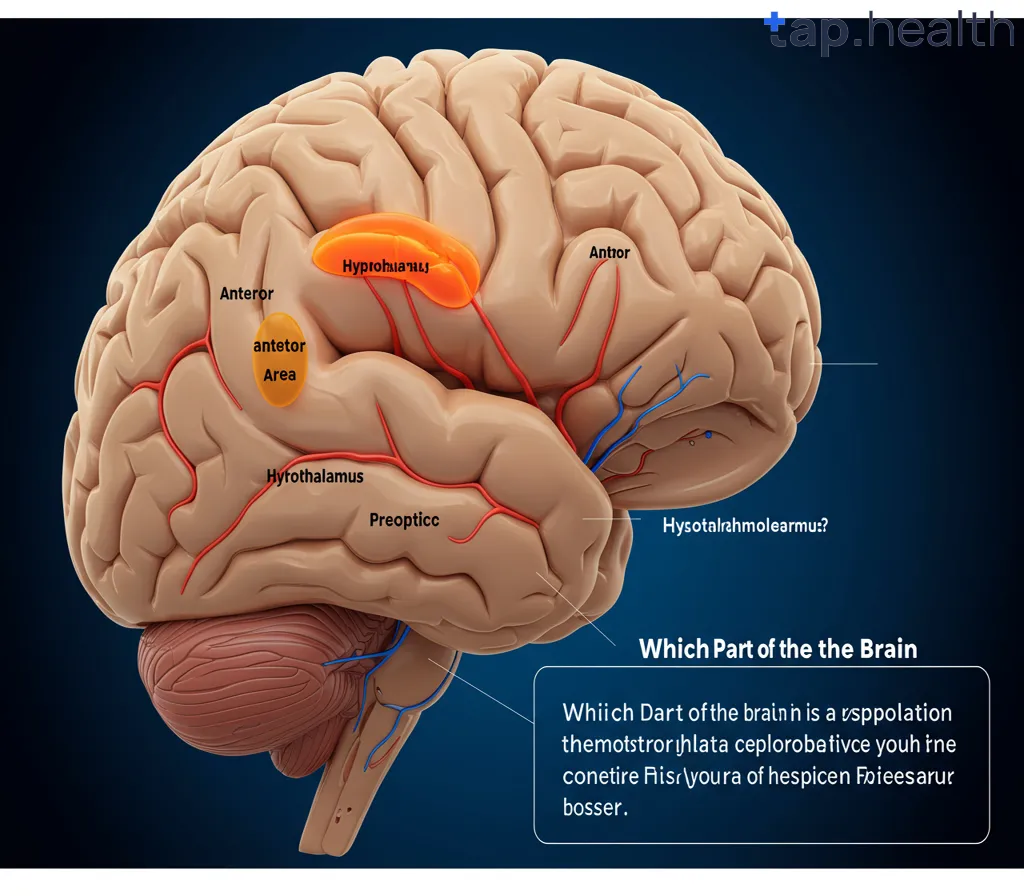
The hypothalamus is the part of the brain responsible for thermoregulation. It acts as the body’s thermostat, monitoring and maintaining the body’s internal temperature. The hypothalamus detects changes in temperature through thermoreceptors and then triggers appropriate responses, such as sweating to cool down or shivering to warm up, to keep the body’s temperature within a safe and optimal range. It also regulates hormone release and blood flow to support these temperature adjustments.
The Brain and Thermoregulation: The Hypothalamus
The Hypothalamus: The Master Thermostat of the Body
When we talk about thermoregulation, the hypothalamus is the part of the brain that stands out as the primary control center. The hypothalamus is a small region located deep in the brain, just above the brainstem. Although it is only about the size of an almond, it is responsible for managing a wide range of critical functions, including body temperature regulation.
Why is the Hypothalamus So Important for Thermoregulation?
The hypothalamus acts like the body’s thermostat, constantly monitoring the temperature of the blood that flows through it. It receives input from various temperature sensors throughout the body, and based on this information, it sends signals to the body to make adjustments. These adjustments can involve shivering to warm up or sweating to cool down. The hypothalamus also controls blood flow and hormone release, both of which play a significant role in maintaining body temperature.
Key Functions of the Hypothalamus in Thermoregulation
Here’s how the hypothalamus keeps the body temperature in check:
- Temperature Sensing: The hypothalamus contains specialized neurons called thermoreceptors that detect changes in the body’s temperature. These sensors are able to detect both internal temperature (from the blood) and external temperature (from the environment).
- Activation of Response Mechanisms: Once the hypothalamus senses a temperature change, it triggers appropriate responses. For example, if the body is too hot, the hypothalamus will stimulate sweating and vasodilation (widening of blood vessels) to release heat. If the body is too cold, it will activate shivering and vasoconstriction (narrowing of blood vessels) to conserve heat.
- Control of Hormones: The hypothalamus also regulates hormones that play a role in thermoregulation. For instance, it controls the release of thyroid-stimulating hormone (TSH), which affects the production of thyroid hormones that regulate metabolism and heat production in the body.
How the Hypothalamus Works with Other Systems
While the hypothalamus is the key player in thermoregulation, it works closely with several other systems in the body to help maintain a stable temperature.
The Skin
The skin plays a vital role in temperature regulation. Specialized thermoreceptors in the skin send signals to the hypothalamus about changes in external temperature. In response, the hypothalamus adjusts the body’s internal mechanisms, such as sweating or shivering.
The Autonomic Nervous System
The autonomic nervous system (ANS) is responsible for involuntary functions such as heart rate, digestion, and blood flow. The hypothalamus communicates with the ANS to control processes like sweating (via sweat glands) and vasodilation or vasoconstriction (in blood vessels). These processes help release or conserve heat, respectively.
The Endocrine System
The endocrine system, which involves hormone-producing glands like the thyroid, also plays a role in thermoregulation. The hypothalamus can influence the thyroid gland to produce thyroid hormones that regulate metabolism. Metabolic rate affects how much heat the body generates, contributing to the maintenance of core temperature.
The Role of Other Parts of the Brain in Thermoregulation
While the hypothalamus is the primary control center for thermoregulation, other parts of the brain also contribute to regulating body temperature.
The Brainstem
The brainstem plays a supporting role in thermoregulation. It is involved in controlling basic bodily functions like heartbeat, respiration, and digestion, all of which can influence body temperature. The brainstem works in conjunction with the hypothalamus to maintain homeostasis (a stable internal environment).
The Limbic System
The limbic system, which is responsible for emotions, can also have an indirect effect on thermoregulation. Emotional responses such as fear, stress, or excitement can activate the body’s fight or flight response, leading to changes in body temperature. For example, anxiety or stress can sometimes cause a person to feel unusually hot or cold.
The Thermoregulatory Process: Step by Step
Now that we understand which part of the brain is responsible for thermoregulation, let’s take a closer look at the step-by-step process of how it works in the body.
- Sensing Temperature Changes: Thermoreceptors in the hypothalamus, skin, and other parts of the body detect changes in temperature.
- Processing Information: The hypothalamus processes this information and compares it to the body’s set point temperature (around 37°C). If the body’s temperature deviates from this point, the hypothalamus triggers corrective actions.
- Initiating Responses: Depending on whether the body is too hot or too cold, the hypothalamus activates mechanisms like sweating, shivering, or changing blood flow to adjust the temperature.
- Feedback Loop: The hypothalamus continues to monitor the body’s temperature and adjust as needed, creating a feedback loop to maintain homeostasis.
Factors That Can Affect Thermoregulation
Several factors can affect how the body regulates temperature. Understanding these factors can help us appreciate how complex and adaptable the thermoregulatory process is.
Age
Young children and older adults have less efficient thermoregulation mechanisms. For example, infants are more susceptible to heat loss, while older adults may have difficulty sensing temperature changes or may not sweat as effectively.
Environmental Factors
Extreme temperatures, whether hot or cold, can challenge the body’s ability to maintain its set point temperature. In extreme heat, the body may struggle to cool down, while in extreme cold, the body may have difficulty generating enough heat.
Health Conditions
Certain medical conditions, such as hypothyroidism, fever, or neurological disorders, can impair thermoregulation. These conditions may affect how the hypothalamus responds to temperature changes or disrupt the normal processes involved in cooling or warming the body.
Why is Thermoregulation Important?
Thermoregulation is essential for survival. If the body’s temperature rises too high or drops too low, it can have serious consequences. Hyperthermia (excessive heat) can lead to heatstroke, while hypothermia (excessive cold) can lead to frostbite and other life-threatening conditions.
Maintaining a stable internal temperature is necessary for enzymes to function properly, for cellular processes to occur at the right speed, and for the overall health of the organs and tissues.
Frequently Asked Questions (FAQs) on Which Part of the Brain is Responsible for Thermoregulation?
1. Which Part of the Brain Controls Thermoregulation?
The hypothalamus is the part of the brain primarily responsible for thermoregulation. It monitors and adjusts the body’s temperature through mechanisms like sweating, shivering, and changing blood flow.
2. How Does the Hypothalamus Regulate Temperature?
The hypothalamus detects changes in body temperature and triggers appropriate responses, such as sweating or shivering, to restore the body’s temperature to its optimal level. It also controls hormones that influence metabolism and heat production.
3. Can Other Parts of the Brain Affect Thermoregulation?
Yes, the brainstem and limbic system play supporting roles in thermoregulation. The brainstem controls vital functions like breathing and heartbeat, while the limbic system can influence body temperature through emotional responses.
4. What Happens if Thermoregulation Fails?
If thermoregulation fails, the body may experience dangerous temperature imbalances, such as hyperthermia (high body temperature) or hypothermia (low body temperature). These conditions can cause serious health problems, including organ failure and death.
5. Why is Thermoregulation Important for Health?
Thermoregulation is critical for maintaining the body’s internal environment, allowing it to function efficiently. Without proper temperature control, the body’s enzymes and metabolic processes would not work correctly, potentially leading to severe health problems.
In conclusion, the hypothalamus is the central part of the brain responsible for regulating body temperature, acting as the body’s thermostat. Through its complex mechanisms, it keeps the body within a safe temperature range, ensuring that all biological processes can function optimally. Thermoregulation is a crucial survival function, and without it, the body would not be able to maintain homeostasis or respond effectively to environmental changes.