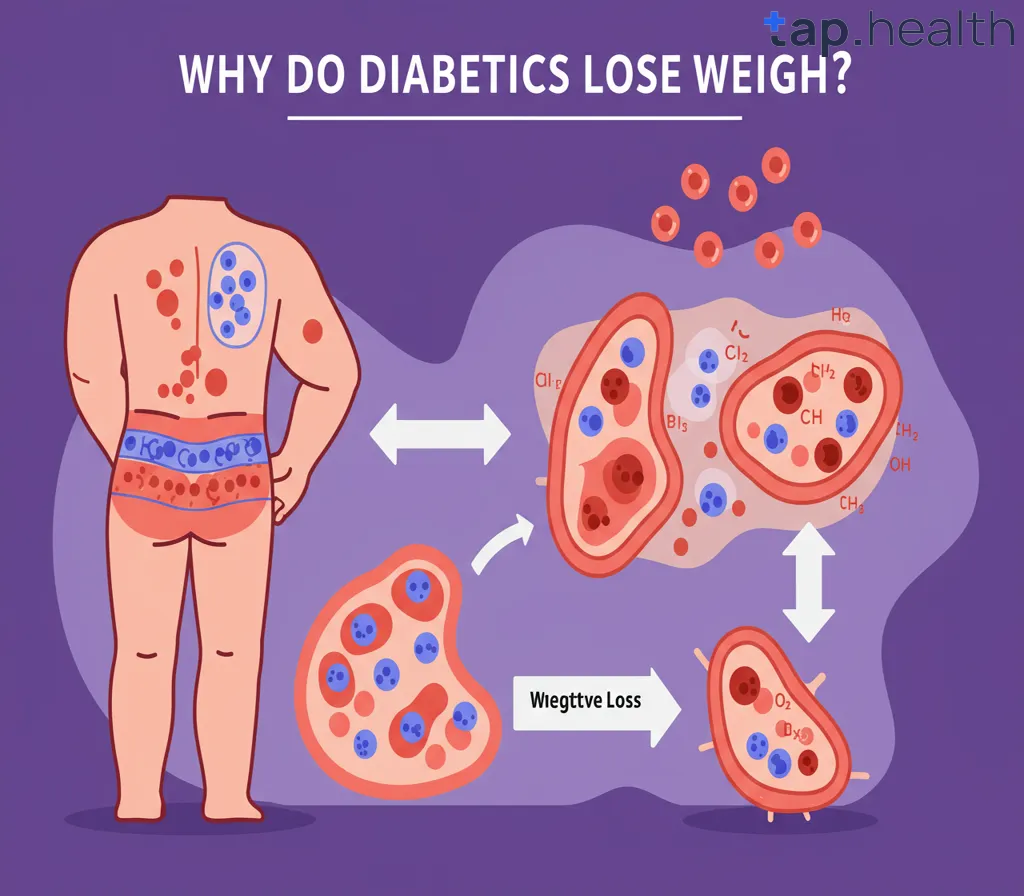
Unintended or unexplained weight loss is a common symptom of diabetes, especially in the early stages of Type 1 diabetes and in poorly controlled Type 2 diabetes. For many, weight loss might initially seem beneficial—particularly for individuals with overweight or obesity—but in the context of diabetes, it may indicate an underlying metabolic imbalance and, in some cases, a serious medical issue that requires immediate attention.
This article offers a comprehensive explanation of why diabetic individuals lose weight, the biological mechanisms behind this process, when it becomes a cause for concern, and how it can be managed effectively.
What Is Diabetes?
Diabetes mellitus is a chronic metabolic condition characterized by high blood glucose (hyperglycemia) due to either:
- A lack of insulin production (Type 1 diabetes),
- Ineffective use of insulin by the body (Type 2 diabetes), or
- A combination of both.
Insulin is a hormone that allows glucose from the bloodstream to enter cells for energy production. In diabetic individuals, this process is disrupted, leading to excess glucose in the blood and insufficient energy in the cells.
Why Do Diabetic People Lose Weight?
Weight loss in diabetic patients is often caused by caloric deficit and energy mismanagement in the body due to the following physiological factors:
1. Lack of Insulin Prevents Glucose Absorption
In both Type 1 and uncontrolled Type 2 diabetes:
- The cells cannot absorb glucose due to insufficient or ineffective insulin.
- As a result, the body cannot use glucose for energy, even though it’s present in high amounts in the blood.
- The body mistakenly perceives itself as starving, despite high blood glucose levels.
This triggers alternative energy sources.
2. Fat and Muscle Breakdown for Energy
To meet energy needs:
- The body begins breaking down fat stores through a process called lipolysis.
- Muscle tissue is also broken down via proteolysis to provide amino acids for energy conversion.
This leads to:
- Rapid weight loss
- Muscle wasting
- Fatigue and weakness
The continuous breakdown of muscle and fat tissues results in significant weight loss, even if food intake remains normal or increases.
3. Glucosuria (Loss of Glucose in Urine)
When blood sugar levels are very high, the kidneys attempt to remove the excess glucose through the urine, a condition known as glucosuria. This results in:
- Loss of calories through urine
- Dehydration, as water follows glucose out of the body
This further contributes to both weight loss and fatigue.
4. Increased Urination and Dehydration
High blood sugar causes osmotic diuresis—increased urination triggered by the body’s attempt to flush out excess glucose. The consequences are:
- Fluid loss
- Electrolyte imbalance
- Reduced body weight due to water loss
Chronic dehydration can also suppress appetite and reduce nutrient absorption.
5. Malabsorption and Gastrointestinal Complications
In some diabetic patients, especially those with long-standing or poorly controlled diabetes, diabetic gastroparesis and other gastrointestinal conditions may develop. These conditions can cause:
- Nausea
- Vomiting
- Bloating
- Reduced nutrient absorption
This leads to inadequate calorie intake, exacerbating weight loss.
6. Uncontrolled Type 1 Diabetes and Diabetic Ketoacidosis (DKA)
In Type 1 diabetes, extreme insulin deficiency can lead to diabetic ketoacidosis—a serious condition where the body produces excess ketones due to fat breakdown. Ketones are used for energy when glucose cannot enter cells.
DKA causes:
- Rapid and dangerous weight loss
- Dehydration
- Electrolyte disturbances
- Life-threatening acidosis if not treated
DKA is a medical emergency and often presents with sudden weight loss as a prominent symptom.
Is Weight Loss in Diabetes Always Bad?
Not necessarily. Intentional, gradual weight loss through a healthy diet and exercise is encouraged for overweight individuals with Type 2 diabetes because:
- It improves insulin sensitivity
- Lowers blood glucose levels
- Reduces cardiovascular risk factors
However, unintentional weight loss, especially if rapid or unexplained, is a red flag and must be investigated.
When to Seek Medical Help
Unexplained weight loss of more than:
- 5% of body weight in 6–12 months
- Or more than 10 pounds (4.5 kg) in a short period
…should prompt a visit to a healthcare provider. It may indicate:
- Poor glucose control
- Onset of Type 1 diabetes
- Complications such as infection or cancer
Managing and Preventing Unwanted Weight Loss in Diabetes
1. Optimize Blood Sugar Control
- Follow prescribed medications and insulin regimens.
- Regularly monitor blood glucose and HbA1c levels.
- Avoid fluctuations that can lead to catabolism.
2. Eat a Balanced, Nutrient-Rich Diet
- Incorporate complex carbohydrates, lean proteins, and healthy fats.
- Avoid skipping meals.
- Focus on calorie-dense but diabetes-friendly foods (nuts, avocado, whole grains).
3. Exercise Cautiously
- Engage in physical activity to improve insulin sensitivity.
- Avoid over-exercising if experiencing significant weight loss.
4. Address Underlying Medical Conditions
- Treat infections, GI issues, or thyroid disorders that may contribute to weight loss.
5. Work with a Dietitian or Diabetes Educator
- Develop a personalized nutrition and insulin plan to meet calorie needs.
Conclusion
Weight loss in diabetes is primarily a result of the body’s inability to process glucose efficiently, leading to reliance on fat and muscle for energy, along with caloric loss through urine. While weight loss may seem like a positive outcome in overweight individuals, rapid or unintended loss is often a warning sign of poor metabolic control or complications. The key to managing this symptom lies in tight glycemic control, personalized nutrition, and medical supervision.
Frequently Asked Questions (FAQ) ON Why Do Diabetics Lose Weight? Causes, Explanation
Q1. Why do diabetics lose weight even when they eat more?
Answer: The body cannot use the glucose from food due to insulin dysfunction, so it starts breaking down fat and muscle for energy, leading to weight loss despite increased appetite.
Q2. Can Type 2 diabetes cause weight loss?
Answer: Yes, especially in poorly controlled or advanced cases. Weight loss may occur due to insulin resistance and associated metabolic disturbances.
Q3. Is weight loss always a bad sign in diabetes?
Answer: Not always. Intentional weight loss can improve outcomes in Type 2 diabetes. However, unintentional weight loss is usually a sign of metabolic imbalance and should be addressed.
Q4. How can I stop losing weight with diabetes?
Answer: Focus on stabilizing your blood sugar levels, eat balanced meals with adequate calories, and consult a healthcare provider or dietitian for tailored advice.
Q5. Can insulin therapy help prevent weight loss?
Answer: Yes. In people with Type 1 diabetes or insulin-deficient Type 2 diabetes, insulin helps restore proper glucose usage, stopping fat and muscle breakdown.