The liver is a powerhouse organ, vital for detoxification, nutrient metabolism, and digestion. To keep it functioning optimally, your diet plays a critical role. Certain foods can harm liver health, leading to conditions like fatty liver disease or cirrhosis. This article explores the top foods to avoid for a healthy liver, their impact, and tips for better choices. By understanding these dietary pitfalls, you can support your liver and overall well-being.
Why Liver Health Matters
The liver performs over 500 functions, including detoxifying harmful substances, producing bile for digestion, and regulating blood sugar and cholesterol levels. It also supports immunity by removing bacteria from the bloodstream and aids in blood clotting. Poor dietary choices can overburden the liver, impairing its ability to function and increasing the risk of liver diseases like non-alcoholic fatty liver disease (NAFLD) or alcoholic liver disease.
LSI Keywords: liver function, liver detoxification, liver health importance, liver disease prevention
How Diet Impacts Liver Function
A poor diet can lead to fat buildup in the liver, inflammation, and oxidative stress, all of which contribute to liver damage. Foods high in sugar, unhealthy fats, or artificial additives can disrupt the liver’s ability to metabolize nutrients and eliminate toxins. Adopting a liver-friendly diet can prevent these issues and promote long-term health.
Alcohol: The Liver’s Worst Enemy
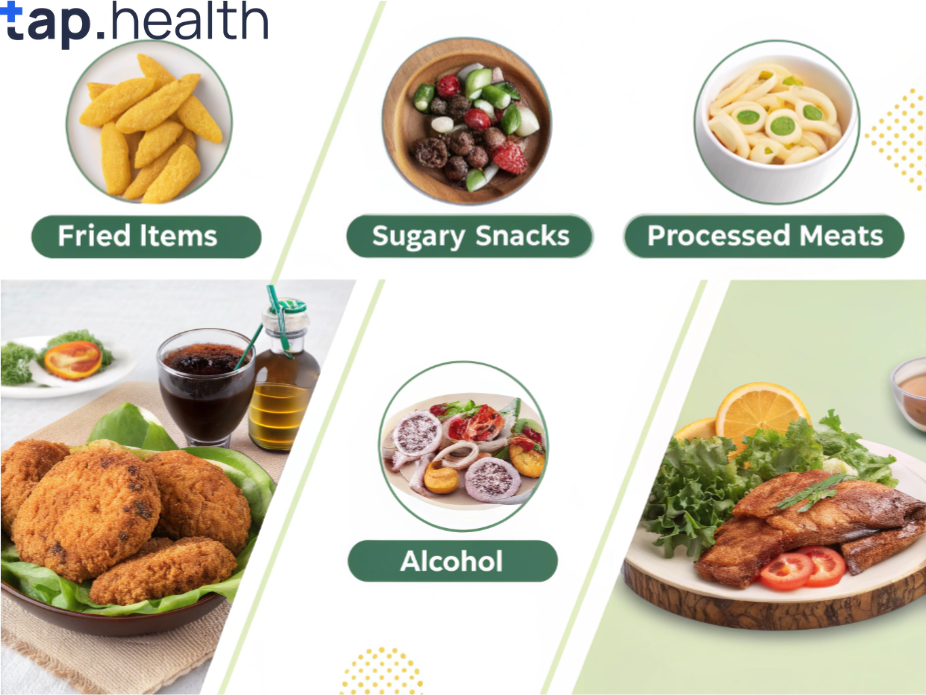
Excessive alcohol consumption is one of the leading causes of liver damage. The liver metabolizes alcohol, producing toxic byproducts that cause inflammation and scarring. Over time, this can lead to conditions like alcoholic hepatitis, fatty liver, or cirrhosis.
How Alcohol Harms the Liver
When you drink excessively, the liver prioritizes alcohol metabolism over other functions, leading to fat accumulation and impaired detoxification. Chronic alcohol use can cause irreversible liver damage, increasing the risk of liver failure. Even moderate drinking can strain the liver if consumed regularly.
Tips to Protect Your Liver
- Limit Alcohol Intake: Stick to moderate drinking—up to one drink per day for women and two for men, per health guidelines.
- Monitor Liver Health: Regular check-ups can detect early signs of liver damage.
- Stay Hydrated: Drinking water supports liver detoxification.
High-Sugar Foods and Drinks: A Silent Threat
Excessive sugar, particularly fructose, is a major contributor to liver damage. The liver converts excess sugar into fat through a process called lipogenesis, leading to NAFLD. High-sugar diets also increase insulin resistance, further harming liver function.
The Link Between Sugar and Liver Damage
Fructose, found in sugary beverages and processed foods, is metabolized solely by the liver, causing fat buildup. This can progress to inflammation and more severe liver conditions if left unchecked. High-sugar diets also disrupt the gut-liver axis, leading to systemic inflammation.
Foods to Avoid
- Sugary Beverages: Soda, energy drinks, and sweetened fruit juices.
- Processed Snacks: Candy, cookies, and pastries.
- Hidden Sugars: Check labels for terms like high-fructose corn syrup, sucrose, or dextrose in products like yogurt or sauces.
Healthier Alternatives
- Choose Whole Fruits: Opt for fresh fruits over juices to get fiber and reduce sugar intake.
- Read Labels: Look for low-sugar or unsweetened options.
- Hydrate Smartly: Drink water or herbal teas instead of sugary drinks.
High-Fat Foods: Choose Wisely
While fats are essential for energy, unhealthy fats like trans fats and excessive saturated fats can harm the liver. These fats contribute to fat accumulation, inflammation, and insulin resistance, increasing the risk of NAFLD and other liver issues.
Good Fats vs. Bad Fats
- Healthy Fats: Found in avocados, nuts, seeds, and olive oil, these support liver health with anti-inflammatory properties.
- Unhealthy Fats: Trans fats (in fried foods and packaged snacks) and saturated fats (in red meat and full-fat dairy) promote liver fat buildup and inflammation.
Foods to Limit
- Fried Foods: French fries, fried chicken, and donuts.
- Processed Meats: Bacon, sausages, and deli meats high in saturated fats.
- Packaged Snacks: Chips and crackers containing trans fats.
Tips for Better Fat Choices
- Incorporate Omega-3s: Eat fatty fish like salmon or walnuts for anti-inflammatory benefits.
- Cook with Healthy Oils: Use olive or avocado oil instead of butter or margarine.
- Limit Red Meat: Opt for lean proteins like chicken or plant-based options.
Processed Foods: A Hidden Danger
Processed foods are often loaded with unhealthy fats, sugars, and artificial additives, all of which burden the liver. These foods lack essential nutrients and fiber, making it harder for the liver to function efficiently.
Why Processed Foods Harm the Liver
The high levels of trans fats, sugars, and preservatives in processed foods cause inflammation and oxidative stress in the liver. Over time, this can lead to fat buildup and increase the risk of NAFLD or other liver conditions.
Common Processed Foods to Avoid
- Fast Food: Burgers, pizza, and fried items.
- Packaged Snacks: Chips, crackers, and instant noodles.
- Canned Goods: High-sodium soups or sugary canned fruits.
Healthier Swaps
- Cook at Home: Prepare meals with fresh, whole ingredients.
- Choose Whole Grains: Opt for brown rice or quinoa over refined grains.
- Snack Smart: Reach for nuts, seeds, or fresh veggies instead of chips.
Excessive Caffeine: Moderation is Key
While moderate caffeine intake may benefit liver health, excessive consumption can strain the liver. Caffeine is metabolized by the liver, and overconsumption can lead to increased stress on the organ, especially when combined with other unhealthy habits.
How Caffeine Affects the Liver
High doses of caffeine, especially from energy drinks or supplements, can elevate liver enzymes and contribute to inflammation. For individuals with existing liver conditions, excessive caffeine may exacerbate symptoms.
Tips for Safe Caffeine Consumption
- Stick to Moderation: Limit intake to 400 mg per day (about 4 cups of coffee).
- Avoid Sugary Coffee Drinks: These combine caffeine with high sugar content, doubling the liver’s workload.
- Balance with Water: Hydration helps the liver process caffeine efficiently.
Building a Liver-Friendly Diet
To protect your liver, focus on a balanced diet rich in whole foods. Incorporate these tips:
- Eat Plenty of Vegetables: Leafy greens, broccoli, and cruciferous vegetables support detoxification.
- Choose Lean Proteins: Fish, chicken, and legumes are easier on the liver than red meat.
- Include Healthy Fats: Avocados, nuts, and olive oil promote liver health.
- Stay Hydrated: Water aids in flushing toxins from the liver.
- Limit Added Sugars: Keep daily added sugar intake below 10% of calories, as recommended by health guidelines.
Conclusion
A healthy liver is essential for digestion, detoxification, and overall well-being. By avoiding or limiting alcohol, high-sugar foods, unhealthy fats, processed foods, and excessive caffeine, you can reduce the risk of liver diseases like NAFLD or cirrhosis. Instead, embrace a diet rich in whole foods, healthy fats, and nutrients to support your liver’s vital functions. Making small, mindful changes to your eating habits can lead to lasting benefits for your liver and overall health.