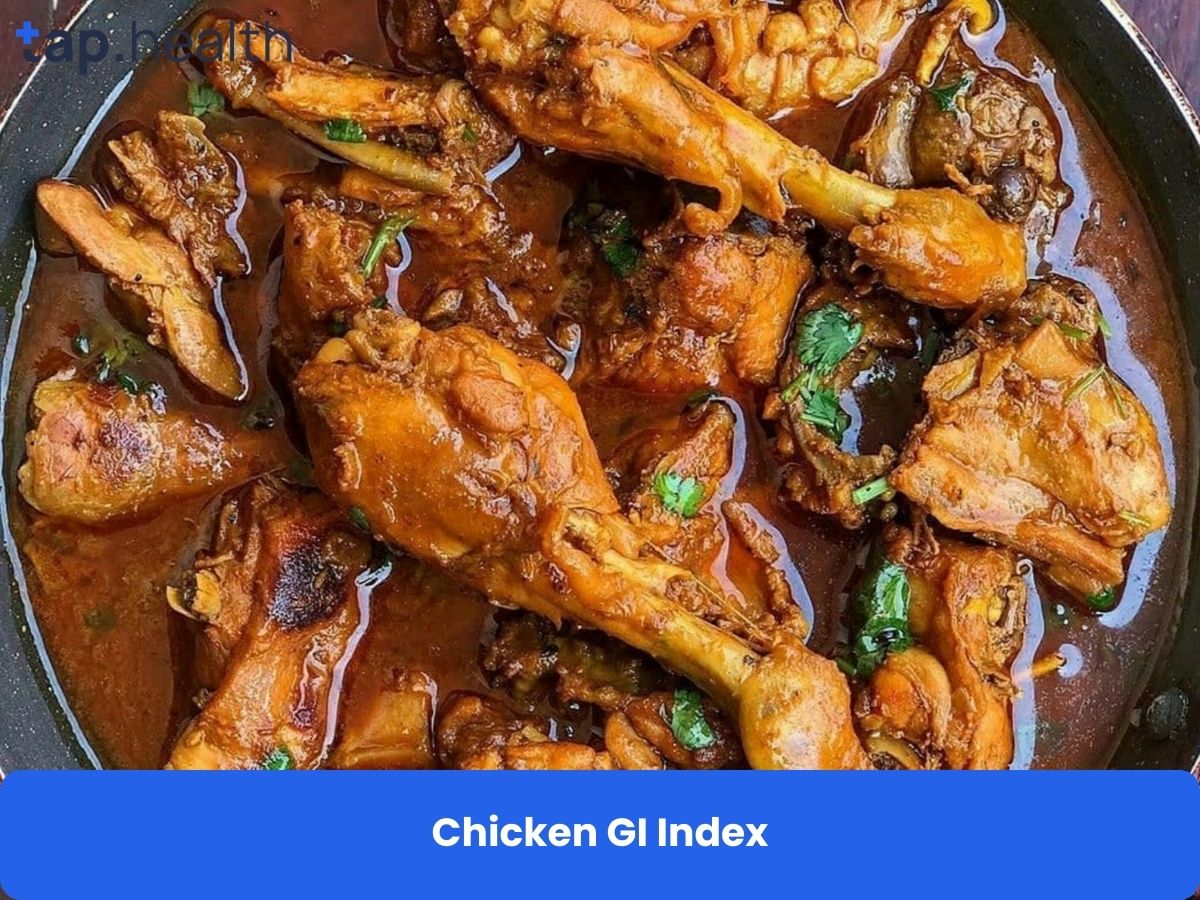
When you are managing diabetes or just trying to eat healthier, understanding the Glycemic Index (GI) of your food is crucial. It acts like a traffic signal for your blood sugar—green means go, red means stop. One question we hear constantly is: What is the chicken GI index?
If you have been searching for the “chicken gi index” or wondering if your favourite chicken curry will spike your sugar levels, you are in the right place. This article will break down everything you need to know in simple, plain English. No confusing medical jargon—just facts you can use today.
What Is the Glycemic Index (GI)?
Before we dive into the “chicken gi index”, let us quickly understand what GI actually means.
The Glycemic Index is a ranking system for carbohydrates. It measures how quickly a food raises your blood sugar levels after you eat it.
- Low GI (0–55): These foods are digested slowly. They are great for keeping energy stable.
- Medium GI (56–69): Moderate impact on blood sugar.
- High GI (70+): These foods cause a rapid spike in blood sugar (the sugar rush).
Here is the golden rule: The GI scale only applies to foods that contain carbohydrates.
Does Chicken Have a Glycemic Index?
This is the most important part of the article. The raw chicken GI index is 0.
Yes, you read that correctly. Zero.
Why? Because natural, raw chicken contains no carbohydrates. It is purely protein and fat. Since there are no carbs to break down into sugar (glucose), it does not directly raise your blood sugar levels.
Whether you are looking for the “boiled chicken gi index” or “broiler chicken gi index”, the answer remains zero—as long as we are talking about plain chicken with no additives.
However, do not close this tab yet. Most of us do not eat plain, unseasoned boiled chicken. We eat it fried, in curries, or with rice. This is where things get tricky.
How Cooking Methods Change the GI Score
While raw chicken has a GI of 0, the moment you add ingredients, the nutritional profile changes. Let us look at how different Indian and international styles of cooking affect the “cooked chicken gi index”.
1. Grilled and Tandoori Chicken
If you love “tandoori chicken gi index” queries, good news! Tandoori and grilled chicken are among the healthiest options.
- Preparation: Marinated in yoghurt (dahi) and spices, then cooked in a clay oven or grill.
- GI Impact: Very low. The carbohydrates in the yoghurt and spices are minimal.
- Verdict: Excellent for diabetics. It is high in protein and keeps you full without spiking insulin.
2. Fried Chicken and Nuggets
This is the danger zone. The “fried chicken gi index” is not zero.
- Preparation: Coated in flour, breadcrumbs, or batter and deep-fried in oil.
- GI Impact: High. The breading is pure carbohydrate (refined flour/maida).
- Numbers: A “breaded chicken gi index” or “fried chicken gi index” can jump to anywhere between 45 and 60, depending on the thickness of the batter.
- KFC Chicken: If you are searching for the “kfc chicken gi index” or “kfc chicken glycemic index”, be careful. The secret recipe includes breading that adds significant carbs.
3. Chicken Curry and Butter Chicken
In India, we love our gravies. The “glycemic index of chicken curry” or “butter chicken gi index” depends entirely on the sauce.
- Home-style Curry: Made with onions, tomatoes, and spices. The GI remains low.
- Butter Chicken/Korma: These often contain cream, sugar, and cashew paste. These additives introduce carbs and calories, potentially raising the glycemic load (GL) of the meal.
4. Chicken Biryani and Rice
This is a classic cheat meal. The “glycemic index of chicken biryani” or “chicken biryani gi index” is actually quite high, but not because of the chicken.
- The Culprit: White rice.
- GI Score: White rice has a high GI (around 70–73). Even though the chicken is zero, eating it with a large portion of rice makes the total meal high GI.
- Tip: The “chicken rice gi index” follows the same logic. The rice spikes the sugar; the chicken tries to balance it.
Comparison: Chicken vs. Other Meats
Many people ask how chicken compares to red meat or seafood. Let’s look at the “beef gi index”, “mutton gi index”, and “fish glycemic index”.
| Meat Type | Glycemic Index (Raw) | Notes |
| Chicken | 0 | Lean protein, heart-healthy. |
| Beef | 0 | “Beef gi index” is 0. Contains more saturated fat than chicken. |
| Mutton (Lamb) | 0 | “Mutton gi index” is 0. High in iron but also higher in fat. |
| Fish | 0 | “Fish glycemic index” is 0. Rich in Omega-3 fatty acids. |
Key Takeaway: All fresh meats have a GI of 0. The difference lies in their fat content and how they affect your heart health, not your immediate blood sugar.
Real-Life Scenario: The Sunday Lunch Dilemma
Let’s imagine a scenario involving Mr. Sharma, who has Type 2 diabetes.
The Situation: It is Sunday, and the family is ordering lunch. Mr. Sharma has two choices:
- Choice A: A plate of Chicken Biryani.
- Choice B: Tandoori Chicken with a side of salad and one multigrain roti.
The Breakdown:
- If he chooses Choice A, he is searching for trouble. The “chicken biryani gi index” is high due to the white rice. His blood sugar will likely spike rapidly within an hour.
- If he chooses Choice B, he is safe. The “tandoori chicken gi index” is low. The salad provides fibre, and the multigrain roti has complex carbs. His sugar levels will remain stable.
The Lesson: It is not the chicken that hurts you; it is what accompanies it.
Expert Contribution: Why Protein Matters
We spoke to nutrition experts to understand why protein is vital for blood sugar management.
“When you eat protein like chicken along with carbohydrates, it slows down digestion. This means the sugar from the carbs enters your bloodstream more slowly, preventing a spike. This is why we recommend adding ‘chicken breast gi index’ friendly foods to rice or pasta.”
This is why a “chicken sandwich” (using whole wheat bread) is better than just a jam sandwich. The protein acts as a buffer.
6 Specific Chicken Preparations and Their GI Estimates
To make this super clear, here is a quick list of common searches and their estimated GI impact when eaten as a meal:
- Boiled Chicken GI Index: 0. The cleanest form. Great for soups and salads.
- Roasted Chicken GI Index: 0. As long as no sugary glazes (like honey or BBQ sauce) are used.
- Chicken Sausage GI Index: Variable (28–40). Processed sausages often have fillers like corn starch or rusk, which add carbs. Always check the label.
- Chicken Nuggets GI Index: 46–55. Processed and breaded. Not ideal for daily consumption.
- Chicken Liver GI Index: 0. Organ meats are zero carb but high in cholesterol.
- Grilled Chicken GI Index: 0. Excellent choice.
Recommendations Grounded in Proven Research and Facts
Based on guidelines from major health organizations, here are practical tips for incorporating chicken into a low-GI diet:
- Remove the Skin: The “roasted chicken gi index” is low, but the skin adds unnecessary saturated fat.
- Watch the Sides: If you are checking the “chicken wings gi index”, remember that the dipping sauce (often full of sugar) is the real enemy.
- Avoid Breading: Choose grilled or baked over fried to avoid the high “fried chicken gi index”.
- Pair Smartly: If you eat “chicken curry”, have it with cauliflower rice or whole wheat roti instead of white naan.
Myths vs. Facts
Myth: “KFC chicken gi index” is low because it is chicken.
Fact: False. The thick batter and deep-frying process add significant carbohydrates and unhealthy fats.
Myth: “Chicken soup gi index” is always healthy.
Fact: Mostly true, but commercially canned soups may contain added sugar, corn starch, or noodles, raising the GI.
Myth: “Chicken breast gi index” is better than “chicken thigh”.
Fact: Both have a GI of 0. However, the breast is leaner (less fat), making it better for heart health, though the GI is identical.
Key Takeaways
- The chicken GI index is 0 for raw, plain chicken.
- Cooking methods matter: Fried chicken and breaded chicken have a much higher GI than grilled or boiled chicken.
- Red meats like beef and mutton also have a GI of 0, but chicken is generally lower in saturated fat.
- Diabetics should be careful with chicken biryani and sweet curries due to the rice and added sugars.
- Always pair chicken with fibre-rich vegetables to keep your total meal’s glycemic load low.
Frequently Asked Questions (FAQ) on Chicken GI Index
What is the glycemic index of chicken breast?
The chicken breast gi index is 0. It contains no carbohydrates. It is an excellent protein source for keeping blood sugar levels stable, provided it is not breaded or cooked with sugary sauces.
Is fried chicken high in glycemic index?
Yes, the fried chicken gi index is higher than plain chicken. While the chicken itself has no carbs, the flour batter and breadcrumbs used for frying contain fast-digesting carbohydrates that can spike blood sugar.
Can diabetics eat chicken biryani?
Diabetics should be cautious. While the chicken is safe, the “glycemic index of chicken biryani” is high because of the white rice. It is better to eat a smaller portion or swap white rice for brown rice or quinoa.
Does grilled chicken raise blood sugar?
No, the grilled chicken gi index is very low. Grilled chicken does not raise blood sugar directly because it lacks carbohydrates. It is one of the safest cooking methods for managing diabetes.
What is the GI of chicken curry?
The “chicken curry gi index” depends on the ingredients. A homemade curry with spices and tomatoes has a low GI. However, creamy curries with added sugar, cream, or corn flour will have a higher GI.
How does chicken compare to beef or fish in GI?
The beef gi index, mutton gi index, and fish glycemic index are all 0, just like chicken. They are all protein-rich foods. Fish is often considered the healthiest option due to beneficial Omega-3 fats.
Is KFC chicken safe for diabetics?
Generally, no. The kfc chicken gi index is affected by the breaded coating and deep-frying oils. It is considered a processed food high in sodium and carbs, which is not ideal for strict diabetes management.
Does chicken soup have a high GI?
Usually, no. The chicken soup gi index is low if it contains mostly broth, chicken, and vegetables. Be careful with canned soups that have added noodles, potatoes, or thickeners, as these raise the GI.
References
- American Diabetes Association – Glycemic Index and Diabetes
- Mayo Clinic – Diabetes Diet: Eating & Physical Activity
- Harvard Health Publishing – Glycemic Index for 60+ Foods
- WebMD – Top Low-Glycemic Foods