Maintaining a healthy weight after reaching your goal is just as important as losing weight. For those who want to maintain weight without gaining it back, a 1500-calorie diet plan offers a balanced approach. This plan ensures you stay within your calorie needs while enjoying a variety of Indian foods that are rich in nutrients and help maintain energy levels throughout the day.
In this article, we will explore a 1500-calorie Indian diet plan that’s ideal for weight maintenance. This plan will allow you to enjoy traditional Indian meals while ensuring that you’re getting the right amount of proteins, fats, and carbohydrates to support your healthy lifestyle.
Why Choose a 1500-Calorie Diet for Weight Maintenance?
A 1500-calorie diet is a balanced approach for weight maintenance because it provides enough calories to support your body’s daily energy requirements while preventing overconsumption of food. It’s especially suitable for individuals who want to maintain their current weight and energy levels without resorting to extreme calorie restrictions.
Benefits of a 1500-Calorie Diet for Maintenance:
- Supports Metabolism: With moderate calories, you won’t risk slowing down your metabolism, which can happen with extreme calorie deficits.
- Maintains Lean Muscle Mass: This calorie level provides enough energy and protein to preserve muscle while maintaining fat levels.
- Sustains Energy Levels: The right combination of carbohydrates, protein, and healthy fats will keep you energized throughout the day.
- Prevents Overeating: By sticking to a structured meal plan, you avoid the temptation to overeat, which is important for weight maintenance.
How Does the 1500-Calorie Diet Work?
The 1500-calorie diet ensures that you consume an amount of food that sustains your weight while still providing room for healthy snacks and meals throughout the day. The key to success is including a mix of whole grains, protein-rich foods, fruits, vegetables, and healthy fats.
A balanced macronutrient breakdown might look like:
- 40% carbohydrates (mainly from whole grains, fruits, and vegetables)
- 30% protein (from lentils, beans, tofu, paneer, and dairy)
- 30% healthy fats (from nuts, seeds, olive oil, and avocado)
Important Nutritional Components:
- Protein: Essential for muscle repair and sustaining metabolic function.
- Healthy Fats: Necessary for hormonal balance, brain function, and overall well-being.
- Complex Carbohydrates: Provide sustained energy and are high in fiber, which aids in digestion and satiety.
Key Foods to Include in a 1500-Calorie Indian Diet Plan
For a 1500-calorie Indian diet, it’s essential to focus on whole, unprocessed foods. Here are the key food groups to include:
1. Whole Grains:
- Brown rice
- Quinoa
- Whole wheat roti
- Oats
- Millets
2. Protein Sources:
- Lentils (dal)
- Chickpeas (chana)
- Tofu
- Paneer
- Greek yogurt
- Legumes (kidney beans, black beans)
3. Healthy Fats:
- Olive oil
- Avocados
- Almonds, walnuts
- Flaxseeds, chia seeds
4. Fruits and Vegetables:
- Leafy greens (spinach, kale)
- Berries (blueberries, strawberries)
- Tomatoes, carrots, bell peppers, broccoli
- Seasonal fruits (apples, oranges, pomegranates)
1500-Calorie Indian Diet Plan for Weight Maintenance
This sample 1500-calorie Indian diet plan provides a balanced distribution of calories to help you maintain your current weight. You can adjust portions to meet your personal needs, but the following meal plan offers a structure that promotes healthy eating and weight maintenance.
Day 1 – 1500-Calorie Indian Meal Plan
Breakfast (350 Calories)
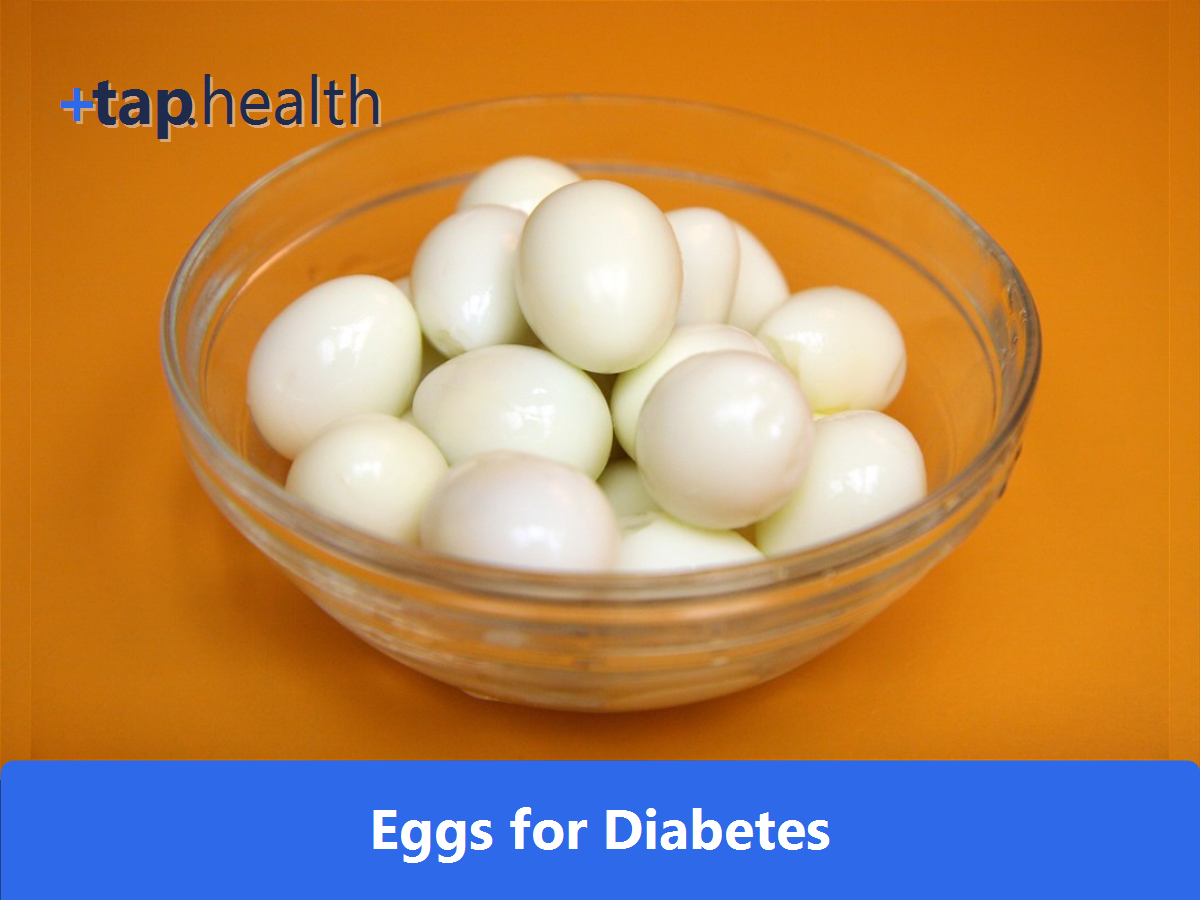
- 1 boiled egg (70 calories)
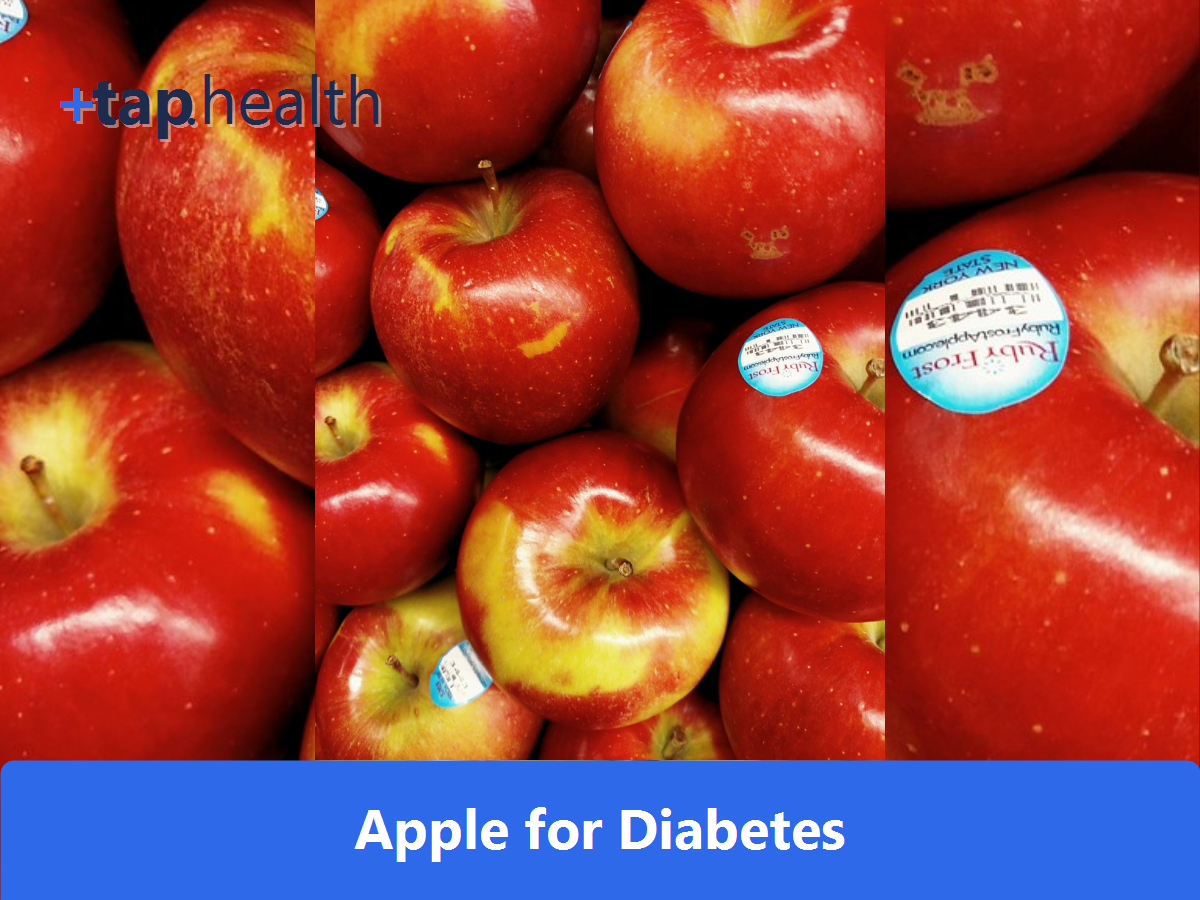
- 1 small apple (80 calories)
- 1 tablespoon peanut butter (90 calories)
- 1/2 cup oats cooked with almond milk (55 calories)
- 1 cup green tea (5 calories)
- 1 tablespoon chia seeds (50 calories)
Lunch (450 Calories)
- 1 small bowl of moong dal (100 calories)
- 1 small whole wheat roti (80 calories)
- 1 small portion of vegetable curry (spinach, carrots, peas) (120 calories)
- 1 small cucumber salad with lemon and black salt (50 calories)
- 1 small cup of low-fat yogurt (50 calories)
- 1 teaspoon olive oil for dressing (50 calories)
Dinner (450 Calories)
- 1 small serving of vegetable stir-fry (broccoli, cauliflower, peas) (150 calories)
- 1 small portion of grilled paneer (150 calories)
- 1 small serving of quinoa (100 calories)
- 1/2 cup steamed broccoli (50 calories)
Snack (250 Calories)
- 1 small orange (50 calories)
- 5-6 almonds (50 calories)
- 1 cup herbal tea (5 calories)
- 1 small boiled egg (70 calories)
- 1 small portion of Greek yogurt (75 calories)
Day 2 – 1500-Calorie Indian Meal Plan
Breakfast (350 Calories)
- 1 small banana (90 calories)
- 1 tablespoon peanut butter (90 calories)
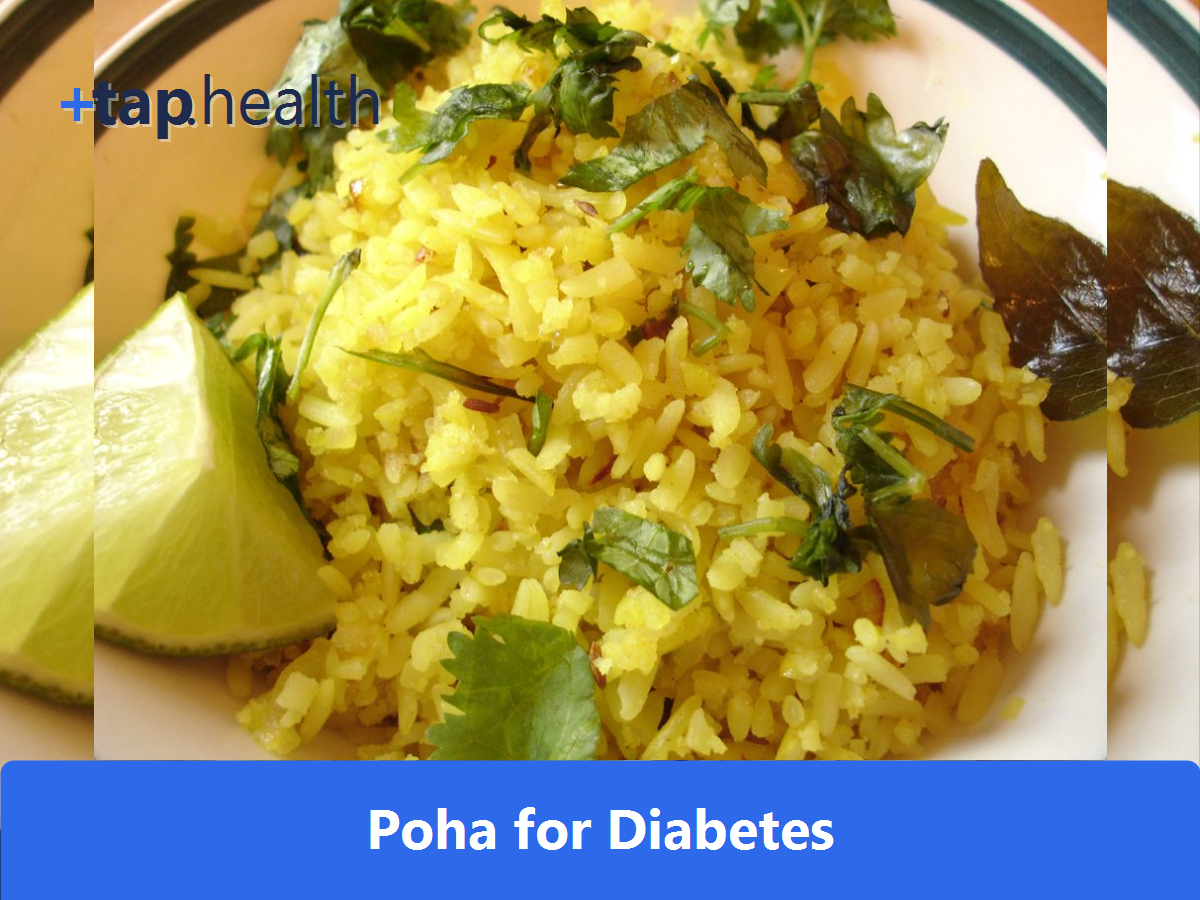
- 1 small bowl of poha (with peas and carrots) (120 calories)
- 1 cup green tea (5 calories)
- 1 tablespoon chia seeds (45 calories)
Lunch (450 Calories)
- 1 small serving of chana masala (150 calories)
- 1 small whole wheat roti (80 calories)
- 1 small side of mixed greens salad (50 calories)
- 1 small cup of low-fat yogurt (80 calories)
- 1 teaspoon olive oil for dressing (40 calories)
Dinner (450 Calories)
- 1 small bowl of vegetable soup (carrots, spinach, tomatoes) (150 calories)
- 1 small portion of grilled tofu (150 calories)
- 1/2 cup steamed broccoli (50 calories)
- 1 small serving of brown rice (50 calories)
Snack (250 Calories)
- 1 small apple (80 calories)
- 5-6 walnuts (50 calories)
- 1 cup green tea (5 calories)
- 1 small portion of Greek yogurt (75 calories)
- 1 small boiled egg (70 calories)
Day 3 – 1500-Calorie Indian Meal Plan
Breakfast (350 Calories)
- 1 small bowl of mixed fruit (apples, papaya, kiwi) (120 calories)
- 1 tablespoon chia seeds with water or almond milk (60 calories)
- 1 cup herbal tea (5 calories)
- 5-6 almonds (50 calories)
- 1 small boiled egg (70 calories)
Lunch (450 Calories)
- 1 small bowl of dal soup (spinach, onions, garlic) (150 calories)
- 1 small portion of brown rice (100 calories)
- 1 small side of mixed vegetables (50 calories)
- 1 teaspoon olive oil for dressing (40 calories)
- 1 small cup of low-fat yogurt (50 calories)
Dinner (450 Calories)
- 1 small serving of vegetable stir-fry (zucchini, bell peppers, mushrooms) (150 calories)
- 1 small portion of grilled paneer (150 calories)
- 1 small portion of quinoa (100 calories)
- 1/2 cup steamed broccoli (50 calories)
Snack (250 Calories)
- 1 small orange (50 calories)
- 5-6 almonds (50 calories)
- 1 small apple (80 calories)
- 1 cup herbal tea (5 calories)
Day 4 – 1500-Calorie Indian Meal Plan
Breakfast (350 Calories)
- 1 small whole wheat toast with 1 tablespoon peanut butter (150 calories)
- 1 small banana (90 calories)
- 1 cup green tea (5 calories)
- 1 small boiled egg (70 calories)
Lunch (450 Calories)
- 1 small serving of mixed vegetable curry (broccoli, carrots, peas) (150 calories)
- 1 small whole wheat roti (80 calories)
- 1 small portion of brown rice (100 calories)
- 1 small cucumber salad with lemon and black salt (50 calories)
- 1 small cup of low-fat yogurt (50 calories)
Dinner (450 Calories)
- 1 small serving of vegetable stir-fry (spinach, cauliflower, peas) (150 calories)
- 1 small portion of grilled tofu (150 calories)
- 1 small serving of quinoa (100 calories)
- 1/2 cup steamed broccoli (50 calories)
Snack (250 Calories)
- 1 small apple (80 calories)
- 1 small handful of almonds (50 calories)
- 1 cup herbal tea (5 calories)
- 1 small boiled egg (70 calories)
- 1 small portion of Greek yogurt (75 calories)
Tips for Success on a 1500-Calorie Diet Plan
- Meal Prep: Prepare meals in advance to save time and ensure you have healthy options available at all times.
- Portion Control: Stick to appropriate portion sizes, especially for calorie-dense foods like nuts, oils, and dairy.
- Stay Hydrated: Drink plenty of water throughout the day to support metabolism and digestion.
- Exercise Regularly: Engage in moderate exercise like walking, yoga, or strength training to enhance your metabolism and maintain muscle mass.
- Monitor Your Progress: Track your weight and body measurements regularly to ensure you’re staying on track for weight maintenance.
Conclusion
The 1500-calorie Indian diet plan is an ideal choice for those who want to maintain their weight in a healthy and balanced manner. By focusing on whole foods, moderate calorie intake, and nutrient-dense meals, this plan helps you maintain energy levels while keeping your weight steady. The key is sustainable, long-term habits that promote overall health and well-being.