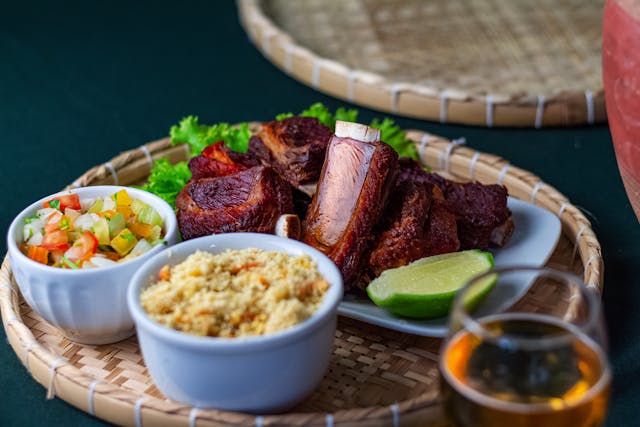
If you’re living with diabetes, making smart food choices is a crucial part of managing your condition and maintaining healthy blood sugar levels. One food that often comes up in discussions about diabetic diets is couscous. This versatile grain is a staple in many cultures, but is it a good choice for people with diabetes?
In this blog post, we’ll dive into whether couscous is suitable for people with diabetes, its impact on blood sugar levels, and how to include it in a balanced diet. We’ll also discuss healthier alternatives if you’re looking to reduce your carb intake.
What is Couscous?
Couscous is a type of pasta made from crushed semolina wheat, which is steamed and then dried. It’s a popular dish in many parts of the world, especially in North African, Middle Eastern, and Mediterranean cuisines. Couscous comes in three main types:
- Traditional couscous: The most common type, which is made from durum wheat semolina.
- Whole wheat couscous: Made from whole wheat flour, offering more fiber than regular couscous.
- Israeli couscous: Larger in size and has a chewy texture compared to traditional couscous.
Couscous is quick to cook, making it a convenient side dish or main course. It’s often used as a base for salads, stews, or paired with meats and vegetables.
Nutritional Value of Couscous
Before we dive into whether couscous is good for diabetics, let’s first take a look at its nutritional profile. Here’s what you can expect from a 1-cup (157-gram) serving of cooked regular couscous:
- Calories: Around 176 calories
- Carbohydrates: 36 grams
- Protein: 6 grams
- Fat: 0.3 grams
- Fiber: 2.2 grams
- Vitamins and minerals: Couscous contains small amounts of B vitamins, iron, and selenium.
Whole Wheat Couscous Nutritional Breakdown
Whole wheat couscous, made from whole grain wheat, has slightly more fiber and protein than traditional couscous. Here’s the nutritional breakdown for a 1-cup serving of cooked whole wheat couscous:
- Calories: Around 170 calories
- Carbohydrates: 35 grams
- Protein: 7 grams
- Fat: 1.5 grams
- Fiber: 6 grams
As you can see, the key difference is the increased fiber content in whole wheat couscous, which can make a big difference when it comes to managing blood sugar levels.
How Does Couscous Affect Blood Sugar?
One of the biggest concerns for people with diabetes is managing their blood sugar levels, especially after meals. Foods that contain carbohydrates, like couscous, are broken down into glucose in the bloodstream, causing blood sugar levels to rise. The glycemic index (GI) is a tool used to measure how fast a food increases blood sugar. Foods with a high GI (above 70) cause rapid spikes in blood sugar, while foods with a low GI (under 55) cause slower, more gradual increases.
Glycemic Index of Couscous
Couscous generally has a medium glycemic index ranging between 60 and 65, depending on the type and preparation method. This means it can cause a moderate rise in blood sugar. While it’s not as high as foods like white bread or sugary snacks, couscous is still considered to have a moderate impact on blood sugar compared to foods with a lower GI, such as non-starchy vegetables or whole grains.
Couscous and Carb Counting
For people with diabetes, controlling carbohydrate intake is key to managing blood sugar. A serving of couscous can contain around 35-40 grams of carbohydrates per cup, which is significant. However, the glycemic load (GL), which takes into account both the GI and the carbohydrate content of a food, can help you assess the overall effect on blood sugar. Couscous has a moderate glycemic load, meaning that while it may cause a moderate rise in blood sugar, its overall effect can be minimized when portion sizes are controlled.
Whole Wheat Couscous and Blood Sugar
Whole wheat couscous, due to its higher fiber content, is a better option for diabetics compared to regular couscous. The extra fiber helps slow the absorption of carbohydrates, leading to a slower rise in blood sugar. It also helps improve digestion and maintain overall gut health, which is important for managing diabetes.
Can Diabetics Eat Couscous?
The short answer is yes – diabetics can eat couscous, but it’s essential to do so in moderation. While couscous has a moderate glycemic index, portion size and balance are key factors in managing blood sugar levels.
Tips for Eating Couscous When You Have Diabetes
- Opt for Whole Wheat Couscous: Whole wheat couscous contains more fiber and nutrients, which can help stabilize blood sugar levels.
- Practice Portion Control: Stick to a 1-cup serving of couscous and pair it with vegetables, lean proteins, and healthy fats to create a balanced meal.
- Pair with Low-Glycemic Foods: Complement couscous with low-GI foods like leafy greens, legumes, and non-starchy vegetables to lower the overall glycemic load of your meal.
- Cook It Al Dente: Overcooking couscous can make it digest more quickly, causing a sharper increase in blood sugar. Cooking it al dente helps slow digestion.
- Monitor Your Blood Sugar: Everyone’s body responds differently to foods, so it’s important to check your blood sugar after eating couscous to see how it affects you.
Healthier Alternatives to Couscous for Diabetics
If you’re looking to cut down on carbohydrates or reduce the glycemic load of your meal, there are several healthy alternatives to couscous that you can try:
1. Quinoa
Quinoa is a whole grain that is high in protein, fiber, and other essential nutrients. It has a low to medium glycemic index and is a good option for diabetics. It’s also gluten-free and versatile, making it a great substitute for couscous.
2. Cauliflower Rice
Cauliflower rice is a low-carb alternative to couscous that’s made by finely chopping cauliflower into rice-sized pieces. It’s low in calories, carbs, and has a very low glycemic index. Plus, it’s packed with vitamins and minerals.
3. Brown Rice
Brown rice is another whole grain option that’s higher in fiber than white rice or couscous. Its lower glycemic index makes it a better choice for diabetics, and it pairs well with a variety of dishes.
4. Shirataki Noodles
Shirataki noodles are made from the konjac plant and are extremely low in carbohydrates and calories. They’re an excellent alternative if you want to enjoy a noodle-like texture without the carb content of couscous.
5. Zucchini Noodles
Zucchini noodles, or “zoodles,” are another low-carb alternative to couscous. They’re made by spiralizing zucchini into long noodle-like strands, and they can be sautéed, grilled, or eaten raw in salads.
Managing Couscous in a Diabetic Diet — How Tap Health Helps?
If you’re managing diabetes or prediabetes, Tap Health makes it easier to enjoy foods like couscous without worry:
- Personalized glucose tracking: Instantly see how couscous or similar grains affect your blood sugar.
- Smart food swaps: Get AI-driven suggestions for healthier options like quinoa or whole-grain couscous.
- Meal scoring: Know whether your meal is diabetes-friendly before you eat it.
- 24/7 guidance: Tap Health’s AI coach adjusts recommendations based on your eating patterns, glucose readings, and fitness activity.
With Tap Health, you can make confident food choices and enjoy your meals — all while keeping your blood sugar in control.
FAQ on Is Couscous Good for Diabetes?
1. Is couscous better than rice for diabetics?
Whole wheat couscous is better than white rice for diabetics because it contains more fiber, which helps control blood sugar. However, brown rice is also a good choice for diabetics and has a lower glycemic index than couscous.
2. Can I eat couscous if I have high blood sugar?
Yes, you can eat couscous if you have high blood sugar, but it’s important to monitor portion sizes and balance it with other foods that help stabilize blood sugar, such as vegetables and lean proteins.
3. What is the glycemic index of couscous?
Couscous has a medium glycemic index, typically between 60 and 65. This means it can cause a moderate rise in blood sugar, so it should be eaten in moderation.
4. What’s the healthiest way to prepare couscous?
To make couscous healthier, opt for whole wheat couscous and cook it al dente. Pair it with vegetables, lean proteins, and healthy fats to balance out the meal and reduce its glycemic load.
5. What are some good alternatives to couscous for diabetics?
Good alternatives to couscous for diabetics include quinoa, brown rice, cauliflower rice, shirataki noodles, and zucchini noodles. These options are lower in carbohydrates and have a better impact on blood sugar levels.
6. Is Whole-Wheat Couscous Good for Diabetics?
Yes. Whole-wheat couscous is the best type for diabetics. It’s a low to medium glycemic index food (GI around 46–50), which means it raises blood sugar more slowly than refined grains.
It’s also high in fiber, selenium, and plant-based protein, supporting better digestion and blood sugar control.
7. Is Couscous or Quinoa Better for Diabetics?
Between the two, quinoa is generally better for diabetics.
Quinoa has more fiber, protein, and a lower GI (around 35–40) compared to couscous. It also contains all nine essential amino acids, making it a complete protein.
Still, couscous remains a good option if you prefer its texture — just choose the whole-wheat variety and pair it with veggies or lean proteins.
8. Is Couscous Good for Prediabetes?
Yes — couscous, when eaten in moderation and in its whole-grain form, can be beneficial for people with prediabetes. It provides slow-release energy and helps maintain stable blood sugar when paired with fiber-rich foods like legumes or vegetables.
9. Is Couscous Good for Type 2 Diabetes?
Yes, in controlled portions. Couscous can be part of a balanced meal plan for people with type 2 diabetes.
The key is to:
- Choose whole-wheat couscous.
- Avoid adding sugary sauces or fried toppings.
- Combine with high-fiber vegetables and lean proteins.
10. How Long Can I Keep Cooked Couscous in the Fridge?
Cooked couscous can be stored in an airtight container in the refrigerator for up to 3–4 days.
Before eating, reheat it thoroughly and check that it hasn’t developed an off smell or texture.
Conclusion
Couscous can be part of a diabetes-friendly diet, but like any carbohydrate, it should be eaten in moderation. Whole wheat couscous, in particular, offers more fiber and nutrients, which can help stabilize blood sugar levels. Pairing couscous with vegetables and lean proteins, controlling portion sizes, and choosing healthier alternatives like quinoa or cauliflower rice can further help in managing diabetes.