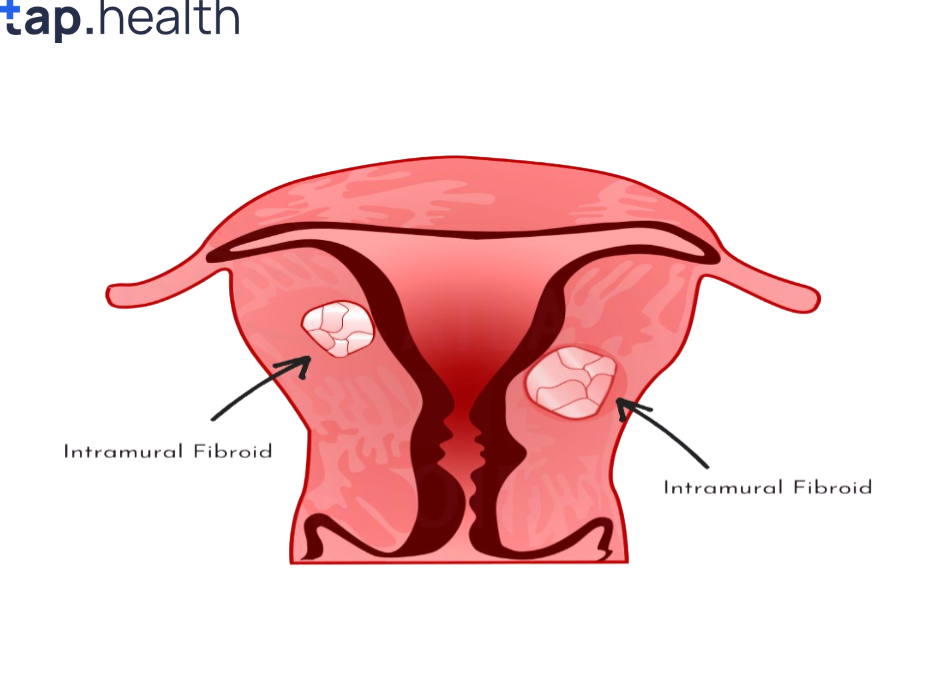
Intramural fibroids are a common health concern for many women, impacting their quality of life and reproductive health. This blog provides a concise yet detailed overview of intramural fibroids, addressing their definition, causes, symptoms, diagnosis, and treatment options. Whether you’re seeking answers about uterine fibroids or exploring management strategies, this guide offers valuable insights.
What Are Intramural Fibroids?
What defines intramural fibroids?
Intramural fibroids are non-cancerous tumors that grow within the muscular walls of the uterus, known as the myometrium. They are the most common type of uterine fibroids, varying in size from small, pea-sized growths to large tumors that can alter the uterus’s shape. Unlike submucosal or subserosal fibroids, intramural fibroids develop specifically within the uterine muscle tissue, potentially causing pressure on nearby organs.
How do intramural fibroids affect women’s health?
These fibroids can lead to significant health challenges, including heavy menstrual bleeding, pelvic pain, and fertility issues. Large fibroids may cause the uterus to expand, creating a visible abdominal bulge, which can affect body image and emotional well-being. Understanding their impact is crucial for timely intervention and management.
What Causes Intramural Fibroids?
What hormonal factors contribute to intramural fibroids?
Hormones, particularly estrogen and progesterone, play a significant role in fibroid development. Estrogen stimulates fibroid growth, making them more prevalent during reproductive years when hormone levels peak. Progesterone also promotes fibroid growth, and imbalances in these hormones can exacerbate the condition.
Is there a genetic link to intramural fibroids?
Yes, genetics can increase the risk of developing intramural fibroids. Women with a family history of fibroids are more likely to develop them, as specific genetic mutations may predispose individuals to fibroid formation. Ongoing research aims to identify these genetic factors for targeted treatments.
How do lifestyle and environmental factors influence fibroids?
Obesity is a known risk factor, as excess fat tissue produces estrogen, leading to hormonal imbalances that promote fibroid growth. Exposure to chemicals in household products or environmental pollutants may also disrupt hormonal balance, potentially contributing to fibroid development. However, these factors do not guarantee fibroid occurrence, as their interplay with genetics and hormones is complex.
What Are the Symptoms of Intramural Fibroids?
What physical symptoms are associated with intramural fibroids?
Common symptoms include pelvic pain, pressure, or a feeling of fullness in the lower abdomen. Pain can range from mild to severe and may worsen during menstruation. Some women experience discomfort during sexual intercourse, impacting intimate relationships.
How do intramural fibroids affect the menstrual cycle?
These fibroids can cause heavy or prolonged menstrual bleeding, potentially leading to anemia and fatigue. Intermenstrual bleeding and severe menstrual cramps are also common, disrupting daily activities and reducing quality of life.
Can intramural fibroids impact fertility and pregnancy?
Yes, depending on their size and location, intramural fibroids can interfere with conception by affecting embryo implantation or blood supply. They may also increase the risk of miscarriage, premature labor, or complications during pregnancy, such as obstructed labor requiring a cesarean section.
How Are Intramural Fibroids Diagnosed?
What is involved in diagnosing intramural fibroids?
Diagnosis typically begins with a medical history review and pelvic exam to assess symptoms and fibroid size. Imaging tests, such as ultrasound, are commonly used to confirm the presence of fibroids. MRI or CT scans may be recommended for larger fibroids or to rule out other conditions.
Are lab tests necessary for diagnosis?
Blood tests to measure estrogen and progesterone levels can help identify hormonal imbalances contributing to fibroid growth. These tests provide additional context for diagnosis and treatment planning.
What Are the Treatment Options for Intramural Fibroids?
What are conservative treatment approaches?
For women with mild or no symptoms, conservative management involves regular monitoring through imaging and symptom reassessment. Over-the-counter pain relievers can manage discomfort, while hormonal therapies may reduce symptoms or slow fibroid growth.
What minimally invasive procedures are available?
For more significant symptoms, minimally invasive options include:
- Ultrasound-guided focused ultrasound surgery (FUS): Uses sound waves to shrink fibroids.
- Uterine artery embolization (UAE): Blocks blood flow to fibroids, reducing their size.
- Myomectomy: Surgically removes fibroids while preserving the uterus, ideal for women seeking to maintain fertility.
When is surgical intervention necessary?
Surgical options are considered when other treatments fail or are unsuitable. A hysterectomy (removal of the uterus) is a definitive solution but eliminates fertility. A myomectomy removes only the fibroids, preserving the uterus for future pregnancies. The choice depends on factors like age, fertility goals, and fibroid characteristics.
How Can Women Manage Intramural Fibroids Effectively?
What lifestyle changes can help?
Maintaining a healthy weight through diet and exercise can reduce estrogen levels and lower fibroid risk. Avoiding exposure to environmental toxins, such as those in certain cleaning products, may also help. Regular medical checkups ensure early detection and management.
Why is consulting a healthcare provider important?
Women experiencing symptoms like heavy bleeding or pelvic pain should seek medical advice. A healthcare provider can recommend appropriate tests and treatments tailored to individual needs, improving outcomes and quality of life.
Can intramural fibroids be prevented?
While prevention is challenging due to genetic and hormonal factors, managing risk factors like obesity and stress may reduce the likelihood of fibroid development. Regular gynecological exams can aid in early detection.
Conclusion
Intramural fibroids are a prevalent condition that can significantly affect women’s health, from causing discomfort to impacting fertility. Understanding their causes—hormonal, genetic, and environmental—along with their symptoms and treatment options empowers women to make informed decisions. Whether through conservative measures, minimally invasive procedures, or surgery, effective management is possible with professional guidance. If you suspect intramural fibroids, consult a healthcare provider to explore personalized treatment plans and take control of your health.