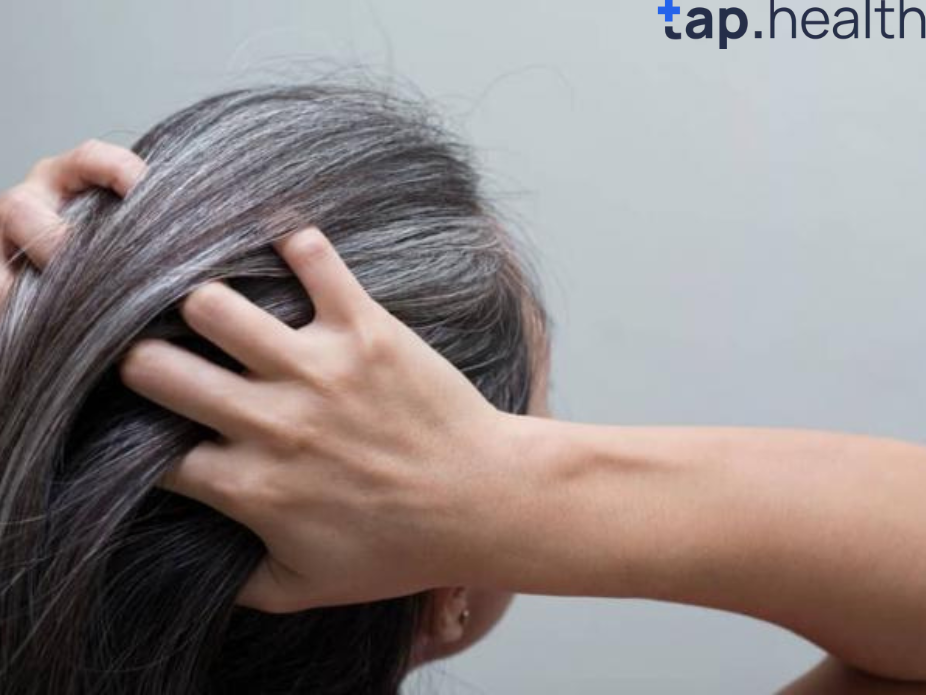
Grey hair is often linked to aging, but seeing silver strands in teenagers can raise concerns. Premature greying, or grey hair appearing before age 20, is a phenomenon that affects both appearance and confidence. This blog explores the causes of grey hair in teens, risk factors, symptoms, treatment options, preventive measures, and its impact on mental health, all in a concise question-and-answer format. By understanding these aspects, teens and their families can better manage this condition.
What Causes Grey Hair in Teenagers?
Grey hair results from a loss of melanin, the pigment responsible for hair color. This section dives into the primary causes of premature greying in teens.
How Does Hair Pigmentation Work?
Hair color comes from melanin, produced by melanocytes in hair follicles. Two types of melanin—eumelanin (dark colors) and pheomelanin (lighter shades)—determine hair shade. When melanocyte activity decreases, melanin production drops, leading to grey or white hair. In teens, disruptions in this process can cause premature greying.
Is Genetics a Major Cause of Grey Hair in Teens?
Yes, genetics play a significant role. If parents or grandparents experienced early greying, teens are more likely to as well. Genes like IRF4, PRSS53, and TYR influence melanin production, and variations in these genes can trigger premature greying.
Can Nutritional Deficiencies Lead to Grey Hair?
Absolutely. A lack of essential nutrients like vitamin B12, iron, copper, and zinc can impair melanin synthesis, contributing to grey hair. Antioxidants, such as vitamins C and E, also protect hair follicles from oxidative stress. Without them, follicles may weaken, accelerating greying.
Do Health Conditions Cause Premature Greying?
Certain medical conditions can lead to grey hair in teens. Autoimmune disorders like alopecia areata, thyroid dysfunction, and vitiligo can disrupt melanocyte function, causing pigment loss. For example, vitiligo affects both skin and hair pigmentation, while thyroid imbalances alter hormone levels, impacting melanin production.
What Are the Risk Factors for Premature Greying?
Several factors increase the likelihood of grey hair in teens, from lifestyle choices to environmental exposures.
How Do Lifestyle Choices Contribute to Grey Hair?
Unhealthy habits like smoking, excessive alcohol consumption, and lack of exercise can disrupt melanin production. Toxins in cigarettes and alcohol harm hair follicles, while a sedentary lifestyle may reduce overall health, affecting hair pigmentation.
Does Environmental Exposure Play a Role?
Yes, environmental pollutants, especially in urban areas, can penetrate hair shafts and impair melanocyte function. Studies link high air pollution levels to premature greying, as harmful particles damage follicles and reduce pigment production.
Is Stress Linked to Grey Hair in Teens?
Chronic stress may accelerate greying. Stress triggers cortisol release, which, in high levels, can disrupt melanocyte activity, reducing melanin. Stress-related conditions like telogen effluvium (excessive hair shedding) can also make grey hair more noticeable.
What Are the Symptoms of Premature Greying?
Recognizing the signs of premature greying helps teens and parents address the issue early.
How Does Grey Hair Affect Hair Texture?
Grey hair often feels coarser, drier, or wirier than pigmented hair. This change in texture requires specific care, like using moisturizing conditioners, to maintain hair health.
Are There Other Symptoms to Watch For?
Some teens may experience scalp sensitivity or itchiness alongside premature greying. In severe cases, hair thinning or loss may occur, signaling the need for professional evaluation.
How Can Teens Treat or Manage Grey Hair?
While grey hair cannot be fully reversed, treatments and lifestyle changes can help manage or slow the process.
What Medical Treatments Are Available?
Dermatologists may recommend topical creams, injections, or laser therapy to stimulate melanin production or slow greying. These treatments target underlying causes like nutrient deficiencies or medical conditions.
Are Natural Remedies Effective?
Natural remedies, such as a nutrient-rich diet with foods high in B12, iron, and antioxidants, can support hair health. Avoiding stress, using natural hair-darkening products (like henna), and practicing good hair care habits may also help slow greying.
How Can Teens Prevent Premature Greying?
Taking proactive steps can help delay or reduce the likelihood of grey hair.
What Preventive Measures Can Teens Take?
- Balanced Diet: Eat foods rich in vitamins B12, C, E, iron, copper, and zinc to support melanin production.
- Stress Management: Practice mindfulness, meditation, or exercise to reduce cortisol levels.
- Avoid Heat Damage: Limit the use of heat styling tools to protect hair follicles.
- Quit Harmful Habits: Avoid smoking and excessive alcohol to maintain healthy hair.
How Can Environmental Damage Be Minimized?
Wearing protective headgear in polluted areas and using clarifying shampoos to remove toxins can help shield hair from environmental harm.
How Does Grey Hair Impact Mental Health?
Premature greying can affect more than just appearance—it can take a toll on a teen’s emotional well-being.
Why Does Grey Hair Affect Confidence?
Teens may feel self-conscious about grey hair, perceiving it as a sign of aging or difference from peers. This can lead to lower self-esteem or social anxiety.
How Can Teens Cope with Emotional Distress?
- Open Communication: Talking to family or friends about concerns can provide emotional support.
- Professional Guidance: Consulting a counselor or therapist can help address self-esteem issues.
- Support Groups: Connecting with others facing similar issues can reduce feelings of isolation.
Frequently Asked Questions About Grey Hair in Teens
Can Stress Really Turn Hair Grey?
Chronic stress may accelerate greying by affecting melanocyte function, but it’s not the only cause. Genetics, nutrition, and health conditions also play roles.
Is It Possible to Reverse Grey Hair?
No guaranteed reversal exists, but treatments like nutrient supplementation or medical interventions may slow greying or restore some color in rare cases.
Do Nutritional Supplements Prevent Grey Hair?
Supplements with vitamins B12, C, E, and minerals like zinc may support hair health, but their effectiveness in preventing greying needs more research.
When Should a Teen See a Dermatologist?
If grey hair appears in significant amounts before age 20, consult a dermatologist. They can assess for underlying causes like deficiencies or medical conditions and recommend treatments.
Conclusion:
Premature greying in teens can be unsettling, but understanding its causes—genetics, nutrition, health conditions, stress, and environmental factors—empowers informed decisions. By adopting preventive measures like a balanced diet, stress management, and proper hair care, teens can support hair health and delay greying. Addressing the emotional impact through support and professional guidance is equally important. If grey hair is a concern, consulting a dermatologist can provide clarity and solutions tailored to individual needs.