Table of Contents
- Hidden Sugar: The Diabetes Diet Saboteur
- Sweetener Shock: How Added Sugar Impacts Blood Glucose
- Decoding Sugar: Unveiling Hidden Sources in Your Diet
- Manage Your Diabetes: Identifying and Avoiding Sugar Bombs
- Is it Sugar or Sweetener? A Guide to Diabetes-Friendly Choices
- Frequently Asked Questions
- References
Living with diabetes requires careful attention to your diet, and sometimes, the biggest threats lurk where you least expect them. We’re talking about hidden sugar bombs – those sneaky sweeteners disguised in everyday foods that can wreak havoc on your blood sugar levels. This blog post dives into the surprising places these sugar culprits hide and how they sabotage your diabetes management. Understanding where these hidden sugars are is the first step towards taking control of your health. Let’s uncover the truth and empower you to make informed food choices.
Hidden Sugar: The Diabetes Diet Saboteur
Hidden sugars are a silent threat, especially in the context of diabetes management, particularly prevalent in Indian and tropical countries. The shocking statistic that 50% of diabetes cases worldwide are undiagnosed, as highlighted by the International Diabetes Federation, underscores the urgent need for awareness. Many individuals unknowingly consume excessive sugar, hindering their efforts to control blood glucose levels.
Unmasking the Culprits
Common culprits include processed foods, packaged snacks, sweetened beverages (like sugary juices and sodas popular in many tropical regions), and even seemingly healthy options like fruit juices or flavored yogurts. These often contain added sugars, far exceeding the recommended daily intake, significantly impacting blood sugar regulation. In India, for example, many traditional sweets and desserts are high in refined sugar, posing a considerable challenge for individuals managing their diabetes. Similarly, many tropical fruits, while nutritious, can be high in natural sugars, requiring mindful consumption. Understanding the impact of sugar extends beyond diabetes; for example, The Impact of Sugar on Thyroid Health: How to Cut Back highlights the broader health consequences of excessive sugar intake.
Taking Control: Actionable Steps
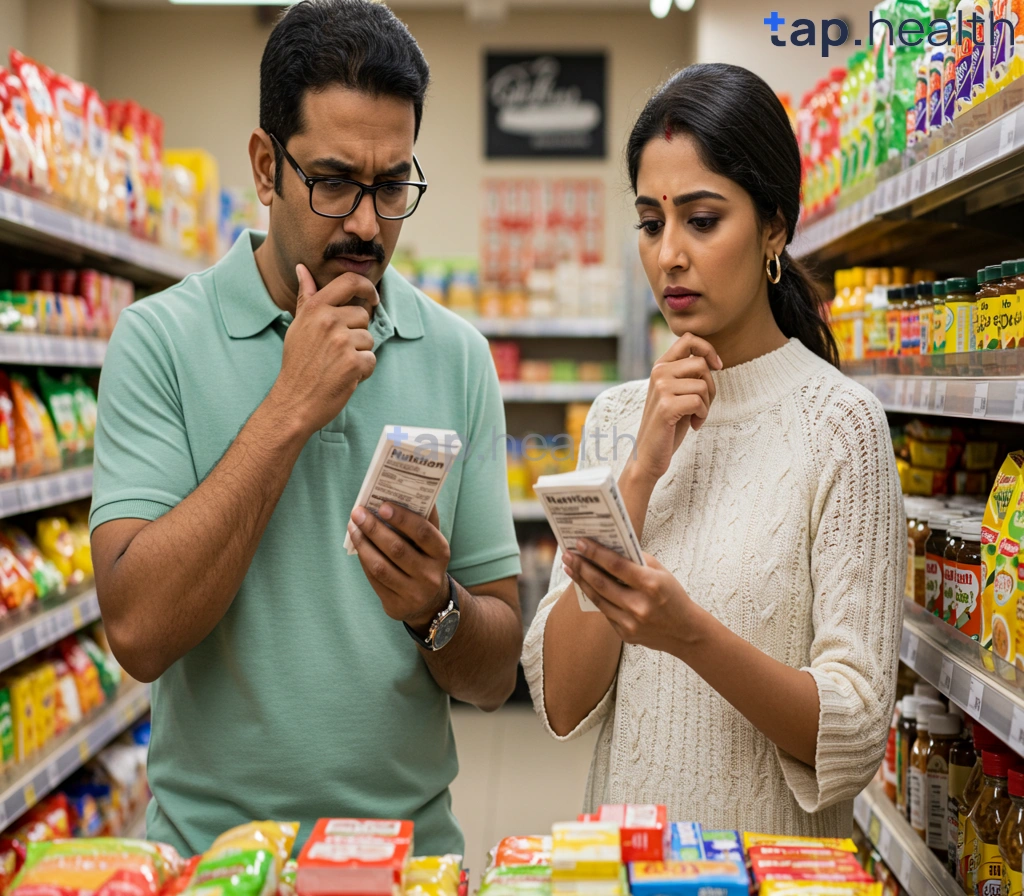
Careful label reading is paramount. Look for terms like sucrose, fructose, glucose, corn syrup, and dextrose, as these indicate added sugars. Prioritize whole, unprocessed foods, including fresh fruits, vegetables, and lean proteins. Opt for water or unsweetened beverages instead of sugary drinks. Consult with a doctor or registered dietitian for personalized dietary guidance tailored to your specific needs and cultural context. Remember, managing diabetes effectively involves making conscious choices about your diet, and understanding hidden sugars is a crucial first step. While diet is key, exploring other methods like the What is the Salt Water Hack for Diabetes? might also be of interest, though always consult your doctor before trying any alternative remedies.
Sweetener Shock: How Added Sugar Impacts Blood Glucose
The Hidden Enemy in Your Diet
Did you know that daily consumption of sugary drinks significantly increases your risk of developing diabetes? Studies show a staggering 26% rise in diabetes risk associated with regular sugary beverage consumption. This alarming statistic highlights the urgent need to understand how added sugars, often hidden in seemingly harmless foods and drinks prevalent in Indian and tropical countries, impact blood glucose levels. Many traditional sweets and beverages, beloved parts of our culinary heritage, can contain surprisingly high levels of sugar, contributing to uncontrolled blood sugar.
Understanding the Blood Sugar Spike
When you consume added sugar, your blood glucose levels rapidly increase. This sudden spike forces your pancreas to work overtime producing insulin to regulate these levels. Over time, this constant strain can lead to insulin resistance, a major factor in type 2 diabetes. The impact is particularly pronounced in individuals already at higher risk, including those with a family history of diabetes or those living with a sedentary lifestyle common in many urban areas across India and tropical regions. Hidden sugars in processed foods, fruit juices, and sweetened beverages are particularly problematic. Understanding what constitutes a healthy Is an 85 Sugar Level Normal? Understanding Healthy Blood Glucose is crucial for managing your health.
Taking Control of Your Sweet Tooth
Managing your blood sugar effectively involves mindful consumption. Start by reading food labels carefully, paying close attention to the total sugar content, and opt for natural sweeteners like jaggery or honey in moderation. Replacing sugary drinks with water, unsweetened tea, or herbal infusions is a significant step toward better blood glucose control. Incorporating regular physical activity and a balanced diet rich in fiber and whole grains further supports healthy blood sugar management. Consulting a healthcare professional or a registered dietitian for personalized advice tailored to your specific needs and dietary preferences is highly recommended. Remember, small changes can make a big difference in preventing and managing diabetes. For more information on maintaining healthy blood sugar levels, check out this helpful resource: Blood Sugar Levels.
Decoding Sugar: Unveiling Hidden Sources in Your Diet
The Sweet Deception: Sugar’s Stealthy Presence
Did you know that excess sugar consumption increases your risk of developing diabetes by a staggering 18%? In India, with a per capita sugar consumption of 20 kg per year, this is a particularly pressing concern. This alarming statistic highlights the urgent need to understand where hidden sugars lurk in our everyday diets. Many processed foods, often marketed as “healthy,” contain surprisingly high levels of added sugars, far exceeding recommended limits. This includes seemingly innocuous items like packaged fruit juices, sauces, and even breads.
Unmasking the Culprits: Common Hidden Sugar Sources in India and Tropical Climates
Tropical countries, including India, often feature unique culinary traditions that can inadvertently contribute to high sugar intake. Sweetened beverages like *lassi* and *sharbat*, while delicious, can pack a significant sugar punch. Similarly, many traditional sweets and desserts are generously laden with sugar. Pay close attention to ingredient lists, looking out for terms like sucrose, dextrose, fructose, corn syrup, and molasses. These often indicate added sugars, camouflaged in familiar foods. Even savory dishes can contain hidden sugars in the form of added sauces or marinades. Learning How to Identify and Avoid Hidden Sugars in Processed Foods is crucial for managing your intake.
Taking Control: Simple Steps for Reducing Sugar Intake
Reducing your sugar intake is crucial for better diabetes management. Start by gradually cutting down on sweetened drinks and opting for water, unsweetened tea, or milk. Choose whole, unprocessed foods whenever possible. Read food labels meticulously, comparing sugar content across different brands. Experiment with natural sweeteners like jaggery or honey in moderation, remembering that even natural sugars contribute to overall intake. Making informed choices empowers you to take control of your health and reduce your diabetes risk. Prioritizing whole foods and mindful consumption is key to a healthier lifestyle. Understanding what a 95 Sugar Level Decoded means in terms of your health can also be beneficial.
Manage Your Diabetes: Identifying and Avoiding Sugar Bombs
Managing diabetes effectively requires vigilance, especially in identifying hidden sugars that can sabotage your blood sugar control. Many common foods in Indian and tropical countries, often perceived as healthy, contain surprisingly high levels of added sugars. These “sugar bombs” can lead to uncontrolled blood glucose levels, increasing the risk of long-term complications. The majority of those living with diabetes are between the ages of 20-64 (61%), a critical working age group needing effective management strategies.
Unmasking Hidden Sugars
Hidden sugars lurk in unexpected places. Sweetened beverages, like fruit juices and commercially prepared drinks, are obvious culprits. However, many processed foods, including packaged snacks, chutneys, and even seemingly healthy options like flavored yogurts and breads, contain substantial amounts of added sugar. Pay close attention to food labels, looking beyond obvious names like sugar; check for ingredients such as corn syrup, dextrose, maltose, and sucrose. Remember, even seemingly small amounts can add up significantly throughout the day. For those aged 65 and over (39%), careful monitoring is especially crucial due to age-related physiological changes. This is further discussed in our article on Managing Diabetes as You Age: Challenges and Solutions.
Practical Steps for Better Control
To effectively manage your diabetes, prioritize whole, unprocessed foods. Focus on fresh fruits, vegetables, lean proteins, and whole grains. Read labels carefully, comparing products to find lower-sugar options. Choose unsweetened beverages like water or herbal teas. Incorporating traditional Indian and tropical recipes that emphasize natural sweetness from fruits and spices can be beneficial. Remember to consult with your doctor or a registered dietitian to create a personalized diabetes management plan tailored to your specific needs and dietary preferences. Taking charge of your diet is a crucial step toward long-term health and well-being. For more simple tips, check out our guide: 10 Proven Tips to Effectively Manage Diabetes | Simple Guide.
Is it Sugar or Sweetener? A Guide to Diabetes-Friendly Choices
Managing diabetes can feel tricky when it comes to satisfying your sweet tooth. In India and tropical countries, where traditional sweets and packaged foods are everywhere, making smart choices about sugar and sweeteners is key to keeping blood glucose under control. Let’s break it down simply so you can make better decisions every day.
Understanding the Sugar Deception
Sugar hides in more foods than you might think. Packaged snacks, sauces, fizzy drinks, and even “healthy” energy bars often contain added sugars that cause quick spikes in blood sugar. These spikes not only disrupt diabetes control but also increase the risk of long-term complications like heart disease and kidney issues.
For people with diabetes, the goal is to keep carbohydrate intake balanced—usually around 45–60 grams per meal (though this varies depending on medical advice). That’s why it’s important to be mindful of both sugars and sweeteners, since both contribute to your total carb count.
Navigating Sweetener Options
Not all sweeteners are equal. Here are the main categories:
1. Artificial Sweeteners
-
Examples: Aspartame, saccharin, sucralose
-
Pros: Very sweet, very low in calories, don’t raise blood sugar directly.
-
Cons: Some people report digestive issues; research on long-term effects is still ongoing.
2. Natural Sweeteners
-
Stevia: Plant-based, virtually zero calories, and safe for blood sugar.
-
Jaggery (gur): A traditional favorite in India. While healthier than refined sugar due to its lower glycemic index, jaggery still contains carbohydrates and must be consumed in moderation.
👉 If you’re curious about alternatives, check out our article: [Is Brown Sugar Good for Diabetics?].
Making Informed Choices
-
Go for whole foods: Fresh fruits are nature’s sweet gift. They provide fiber, vitamins, and minerals along with natural sugars that are absorbed more slowly.
-
Use spices to add flavor: Cinnamon, cardamom, and nutmeg can enhance sweetness without adding sugar.
-
Read food labels carefully: Look at total carbohydrates and added sugars, not just calories.
-
Portion control is key: Even natural sweeteners like jaggery or honey can raise blood sugar if overused.
-
Get personalized advice: A doctor or dietitian can help you design a diabetes-friendly eating plan that fits your cultural food habits.
Final Word
You don’t have to give up sweetness to manage diabetes—you just need to be smarter about it. Whether you choose sugar, artificial sweeteners, or natural alternatives, the key is moderation and balance. Small changes—like swapping biscuits for diabetes-friendly options—can make a big difference in your health journey.
👉 Remember: Every bite is a choice. Make it count for your health.
Frequently Asked Questions on Hidden Sugar Bombs
Q1. What are the biggest dangers of hidden sugars for people with diabetes?
Hidden sugars in processed foods and sweets can cause significant blood sugar spikes, hindering diabetes management. These sugars are often disguised in food labels, making it difficult to track intake.
Q2. How can I identify hidden sugars in food products?
Carefully read food labels and look for various names of added sugars like sucrose, fructose, corn syrup, etc. Prioritize whole, unprocessed foods that are naturally low in sugar.
Q3. Are there any healthier alternatives to refined sugar?
Natural sweeteners like jaggery can be a potentially healthier option, but moderation is key. They still contain sugar and should be consumed in limited quantities.
Q4. How important is it to seek professional guidance for managing diabetes?
It’s crucial to consult a doctor or registered dietitian for personalized dietary advice. They can help create a meal plan that effectively manages your blood sugar levels.
Q5. What is the most effective way to prevent and manage diabetes through diet?
Mindful consumption is vital. Make informed food choices by checking labels, limiting added sugars, and prioritizing whole, unprocessed foods. This, combined with professional guidance, is key to effective diabetes management.
References
- A Practical Guide to Integrated Type 2 Diabetes Care: https://www.hse.ie/eng/services/list/2/primarycare/east-coast-diabetes-service/management-of-type-2-diabetes/diabetes-and-pregnancy/icgp-guide-to-integrated-type-2.pdf
- What is Diabetes: https://www.medschool.lsuhsc.edu/genetics/docs/DIABETES.pdf