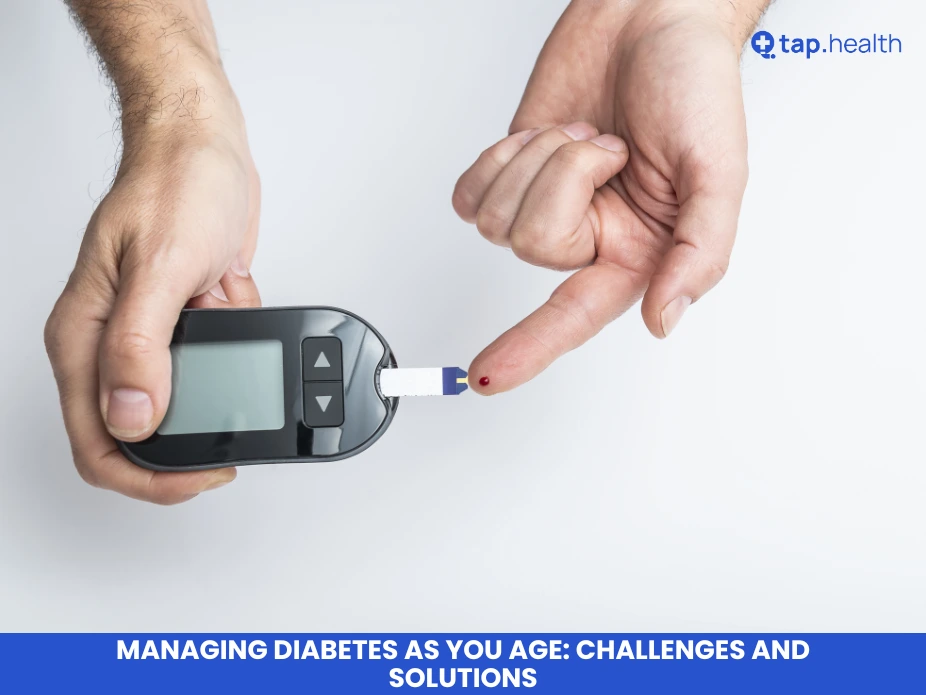
As we age, the body goes through several changes that can make managing chronic conditions like diabetes more challenging. Diabetes is a long-term condition where the body either cannot produce enough insulin (Type 1 diabetes) or cannot effectively use the insulin it produces (Type 2 diabetes). While diabetes can be managed at any age, older adults face unique challenges when it comes to maintaining blood sugar control. In this article, we will discuss these challenges and offer practical solutions to help manage diabetes effectively as you age.
Challenges of Managing Diabetes in Older Adults
As people age, several factors contribute to the complexity of managing diabetes. Below are some of the key challenges that older adults may face:
1. Changes in Metabolism
With age, metabolism naturally slows down, leading to changes in the way the body processes food and uses insulin. This slowing down of metabolic processes can affect blood sugar control and require adjustments in insulin doses or medication.
2. Coexisting Health Conditions
Older adults are more likely to develop other health conditions, such as hypertension, heart disease, arthritis, and kidney disease, which can complicate diabetes management. These conditions may require multiple medications, some of which may interact with diabetes medications, affecting blood sugar control.
3. Decreased Physical Activity
As people age, they may experience joint pain, muscle weakness, and fatigue, all of which can reduce physical activity levels. Regular exercise is essential for managing diabetes, but limited mobility or chronic pain may make it difficult for older adults to stay active.
4. Cognitive Decline
Some older adults experience cognitive decline, which may impair their ability to manage diabetes effectively. Forgetting to take medications, monitor blood sugar levels, or make healthy food choices are all common issues faced by seniors with diabetes.
5. Hypoglycemia (Low Blood Sugar)
Older adults may be at an increased risk for hypoglycemia, especially if they are on insulin or certain diabetes medications. Hypoglycemia can be dangerous and may cause confusion, dizziness, and falls, which are more likely to happen in the elderly.
6. Social and Emotional Factors
Loneliness, depression, and lack of social support can impact a senior’s ability to manage diabetes. Mental health challenges can reduce motivation for self-care, making it harder to stick to a diabetes-friendly diet or exercise regimen.
Solutions for Managing Diabetes as You Age
Managing diabetes in older adults requires a multifaceted approach that includes lifestyle changes, medication adjustments, and support systems. Below are some solutions that can help mitigate the challenges of aging and diabetes.
1. Focus on a Balanced, Diabetes-Friendly Diet
As metabolism slows, the need for a healthy, well-balanced diet becomes even more critical. A nutritious diet helps maintain blood sugar levels while providing essential nutrients to combat age-related health issues.
Dietary Recommendations:
- Low Glycemic Index (GI) Foods: Foods that have a low GI release sugar into the bloodstream more slowly, helping maintain stable blood sugar levels. These include whole grains, legumes, and non-starchy vegetables.
- Control Carbohydrates: Carb counting or the use of smaller, balanced meals can help older adults better manage blood sugar levels throughout the day.
- Increase Fiber Intake: Fiber helps regulate blood sugar levels and improve digestion. Include more fruits, vegetables, beans, and whole grains in the diet.
- Healthy Fats: Focus on heart-healthy fats from sources like nuts, seeds, and avocados. This is particularly important since heart disease is a common concern in older adults with diabetes.
Portion Control
Older adults may not need as many calories as younger people, and portion control is vital in preventing weight gain and maintaining stable blood sugar levels.
2. Incorporate Regular Physical Activity
Exercise is an essential part of managing diabetes, but as you age, physical limitations may reduce your ability to stay active. However, there are ways to incorporate physical activity into daily routines without straining the body.
Exercise Recommendations:
- Low-Impact Exercises: Activities like walking, swimming, or cycling can provide cardiovascular benefits without stressing the joints.
- Strength Training: Strength exercises can help improve muscle mass, increase insulin sensitivity, and boost metabolism.
- Stretching and Flexibility: Stretching exercises can reduce stiffness and improve mobility, making it easier to stay active.
- Balance Exercises: For older adults, balance exercises are essential to prevent falls, a common risk associated with diabetes-related complications.
The American Diabetes Association recommends at least 150 minutes of moderate aerobic exercise per week, along with strength training twice a week (Source: ADA).
3. Monitor Blood Sugar Levels Regularly
Older adults should monitor their blood sugar levels more frequently to ensure they remain within a healthy range. Advances in technology, like continuous glucose monitoring (CGM), make it easier to track blood sugar levels without constant finger-pricking.
Monitoring Tips:
- Frequency: Check blood sugar at different times of the day, especially before and after meals, to understand how food, medication, and exercise impact levels.
- A1c Tests: The A1c test provides a long-term view of blood sugar control over the past 2-3 months. It is crucial for assessing whether overall diabetes management is on track.
- Track Patterns: Keeping a blood sugar log helps identify trends and patterns, making it easier to adjust medications or lifestyle habits.
4. Manage Medications Carefully
As you age, the body’s ability to process medications may change, and older adults are more likely to have multiple prescriptions. It’s essential to work closely with a healthcare provider to adjust diabetes medications and avoid harmful interactions.
Medication Tips:
- Medication Review: Have your medications reviewed regularly by your doctor, especially if you’re taking drugs for other health conditions. Some medications, like certain blood pressure or cholesterol medications, may affect blood sugar levels.
- Personalized Diabetes Care: Your doctor may adjust insulin doses, prescribe oral diabetes medications, or suggest newer classes of drugs like SGLT2 inhibitors or GLP-1 receptor agonists, which can be more effective for older adults with diabetes.
5. Address Cognitive and Emotional Health
The mental and emotional health of older adults can significantly affect their ability to manage diabetes. Cognitive decline, depression, or anxiety can make it difficult to maintain consistent self-care.
Cognitive and Emotional Health Tips:
- Social Support: Family members, friends, and diabetes support groups can provide essential emotional support and encouragement.
- Mental Health Care: Seeking help from a counselor or psychologist can address feelings of isolation, depression, or stress that might arise from managing a chronic condition.
- Routine and Reminders: Implementing a daily routine, setting reminders for medication, and keeping diabetes management tools visible can help older adults stay on track with their care.
6. Prevent and Manage Hypoglycemia
Hypoglycemia (low blood sugar) is a common concern for older adults, especially if they take insulin. Symptoms of hypoglycemia include dizziness, confusion, and weakness. Managing hypoglycemia is crucial to avoid serious complications, such as falls and accidents.
Hypoglycemia Tips:
- Recognize the Symptoms: Older adults should be aware of hypoglycemia signs, which include shakiness, sweating, confusion, and rapid heartbeat.
- Carry Quick Sugar Sources: Always carry glucose tablets, fruit juice, or hard candies to quickly raise blood sugar levels if hypoglycemia occurs.
- Adjust Medications: If hypoglycemia is frequent, discuss with your healthcare provider the possibility of adjusting medications or insulin doses.
Real-Life Scenarios
Scenario 1: Mary, 68 Years Old – Type 2 Diabetes
Mary, a 68-year-old retiree, had been managing her Type 2 diabetes for over a decade. As she aged, she noticed that her blood sugar levels were harder to control, and she began to experience joint pain, making exercise more difficult. She started working with a dietitian to create a diabetes-friendly eating plan, focusing on low-GI foods and portion control. Mary also found low-impact exercises like swimming to be easier on her joints. With regular monitoring and medication adjustments, Mary managed to stabilize her blood sugar and improve her quality of life.
Scenario 2: John, 75 Years Old – Type 1 Diabetes
John, a 75-year-old man, had lived with Type 1 diabetes since childhood. Over the years, his insulin needs had increased, and his cognitive abilities had begun to decline. His daughter helped him set up reminders for his insulin injections and assisted with meal planning. John also participated in a local diabetes support group, where he learned coping strategies and received emotional support. With these adjustments, John managed his diabetes more effectively despite the challenges of aging.
Expert Contributions
Dr. Jane Miller, a geriatric endocrinologist, states, “Managing diabetes as we age requires a comprehensive approach that addresses physical, emotional, and cognitive health. Lifestyle changes, personalized medications, and regular monitoring are the cornerstones of diabetes care for older adults.”
Recommendations Grounded in Proven Research and Facts
- Regular Monitoring: Regular blood sugar monitoring is essential to understand patterns and adjust treatment plans accordingly (Source: ADA).
- Exercise: Physical activity is proven to improve insulin sensitivity and control blood sugar, even in older adults (Source: Mayo Clinic).
- Diet: A healthy diet rich in fiber, low in processed foods, and balanced in carbohydrates is critical to blood sugar management (Source: NIH).
Factual and Reliable Information
The information provided in this article is based on scientific research and expert recommendations. It is essential to consult a healthcare provider for personalized care, as diabetes management is highly individualized.
FAQ on Managing Diabetes as You Age: Challenges and Solutions
Q1: Can I manage Type 2 diabetes without medication as I age?
A1: In some cases, lifestyle changes such as diet and exercise may reduce the need for medication, but this is not always possible. Consult your healthcare provider for the best management plan.
Q2: Is physical activity important even if I have joint pain?
A2: Yes, low-impact activities like swimming or walking can help manage diabetes while being gentle on your joints.
Q3: How can I prevent hypoglycemia?
A3: Monitor your blood sugar regularly, adjust medications with the help of your doctor, and always carry a quick source of sugar for emergencies.