Table of Contents
- Diabetes Emergency Kit: Life-Saving Supplies
- Essential Items for Your Diabetes Emergency Kit
- What to Include in a Diabetic Emergency Kit?
- Building Your Diabetes Emergency Kit: A Step-by-Step Guide
- Hypoglycemia & Hyperglycemia: Managing Emergencies
- Frequently Asked Questions
- References
Living with diabetes requires vigilance, and knowing how to handle emergencies is crucial. A sudden drop in blood sugar or other complications can be life-threatening, making preparedness paramount. That’s why understanding Diabetes Emergency Kit Essentials: Must-Have Supplies for Life-Threatening Situations is so important. This blog post will guide you through assembling a comprehensive kit, ensuring you’re equipped to handle unexpected events and stay safe. We’ll cover essential supplies, practical tips for organization, and explain why having a readily accessible kit is a vital part of diabetes self-management. Let’s dive in and learn how to protect your well-being.
Diabetes Emergency Kit: Life-Saving Supplies
Diabetes affects millions globally, costing the world economy a staggering $760 billion annually. In hot and humid climates prevalent in many Indian and tropical countries, the risk of diabetic emergencies is heightened. Therefore, maintaining a readily accessible and well-stocked diabetes emergency kit is crucial. This kit is a lifeline, potentially preventing life-threatening situations.
Essential Supplies for Your Kit:
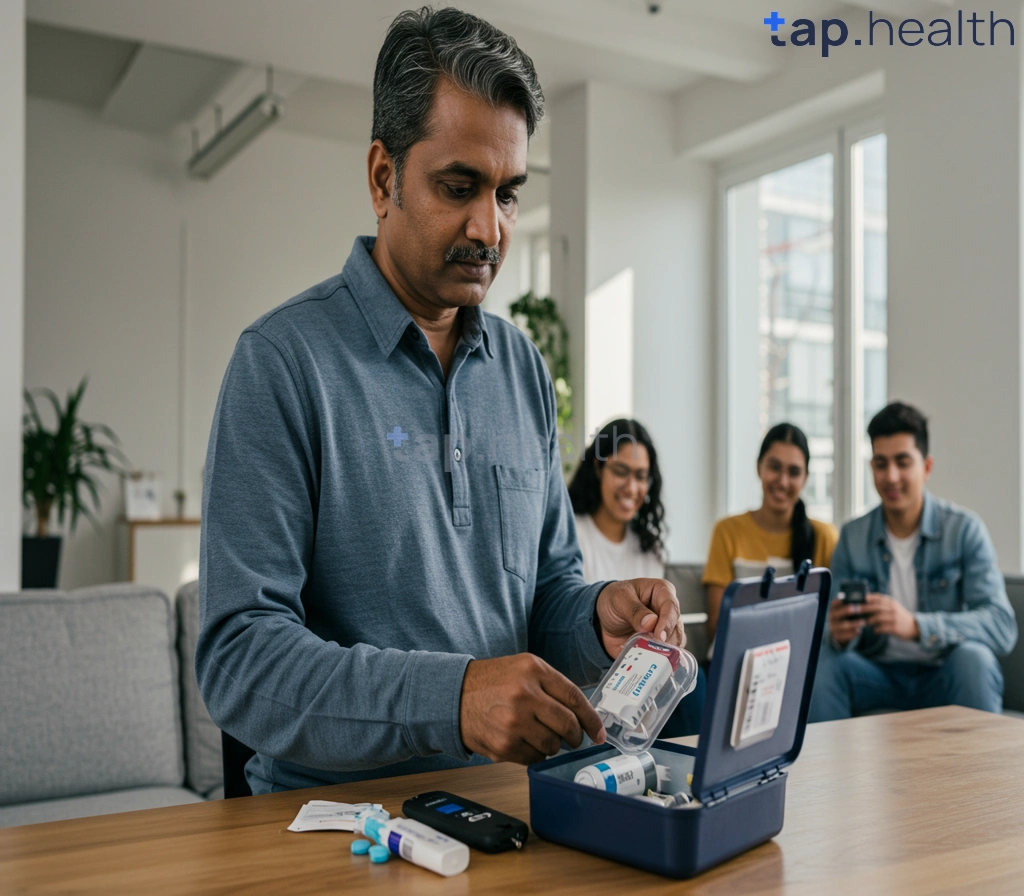
Your kit should include fast-acting glucose sources like glucose tablets or gel, fruit juice (ensure it’s not expired), or even hard candies. These are vital for rapidly raising blood sugar levels during hypoglycemic episodes. Include a glucagon emergency kit, particularly important for individuals with type 1 diabetes or those prone to severe hypoglycemia. Remember to check its expiry date regularly. Also, pack a medical identification bracelet or necklace clearly stating your diabetes condition and any allergies. Having a list of emergency contacts, including your doctor’s details, is also essential.
Regional Considerations for India and Tropical Countries:
In warmer climates, ensure your kit is stored in a cool, dry place to prevent medication degradation. Consider including electrolyte drinks to replenish fluids lost through sweating, especially during periods of high heat. Remember that heat can exacerbate diabetes symptoms, so staying hydrated is crucial. Finally, regularly check and replace items in your kit to maintain its effectiveness, especially considering the impact of heat and humidity on medication and supplies. Your proactive approach could save a life. For more information on managing your diabetes through diet, you might find our article on Safe and Effective Dietary Supplements for Diabetes Care helpful. If you’re planning to travel, remember to check out our tips on Traveling with Diabetes: Essential Tips for a Safe & Healthy Journey to ensure a smooth and safe trip.
Essential Items for Your Diabetes Emergency Kit
Living with diabetes, particularly in hot and humid climates common across India and other tropical countries, presents unique challenges. A well-stocked emergency kit is crucial, especially considering that 61% of people with diabetes are aged between 20-64 years, a demographic often active and mobile. Ignoring preparedness can be life-threatening in situations where immediate access to medical care is limited.
Immediate Needs:
Your kit should include fast-acting glucose sources like glucose tablets or glucose gel, essential for treating hypoglycemia (low blood sugar). Include several, as the rate of glucose absorption can vary depending on individual factors and the weather. In hot climates, dehydration exacerbates hypoglycemia; thus, readily available water or an electrolyte drink is crucial. A reliable glucometer with extra batteries and test strips is essential for monitoring blood sugar levels. Don’t forget a list of emergency contacts, including your doctor, family, and local diabetes support groups. Consider a medical identification bracelet or necklace clearly stating you have diabetes and any relevant allergies.
Additional Considerations for Tropical Climates:
High temperatures and humidity increase the risk of dehydration, which can complicate diabetes management. Include items such as sunscreen, a hat, and light, loose-fitting clothing to minimize heatstroke risk. Consider adding anti-diarrheal medication, as dehydration from gastrointestinal issues can quickly become dangerous for people with diabetes. For individuals aged 65+, who represent a significant portion of the diabetic population, additional support items like a readily accessible list of medications might be beneficial. Remember to regularly check expiration dates and replenish your kit as needed.
Building Your Kit: A Practical Approach
Building a comprehensive diabetes emergency kit is a proactive step towards managing your health effectively. Start by identifying your personal needs, considering your age group, lifestyle and the specific challenges of your region. Regularly review and update your kit to ensure it’s prepared for any emergency. Consult with your doctor or a diabetes educator to personalize your kit further. For more tips on managing your diabetes effectively, check out our blog on 10 Proven Tips for Effective Diabetes Management. And to learn how to protect your heart, which is especially important for people with diabetes, read our article on Protect Your Heart from Diabetes: 5 Essential Steps.
What to Include in a Diabetic Emergency Kit?
Managing diabetes in hot and humid climates like those prevalent in India and other tropical countries presents unique challenges. A well-stocked emergency kit is crucial for mitigating life-threatening situations. Quick access to essential supplies can be the difference between a manageable episode and a serious health crisis. Remember, individual needs vary, but generally, a person with diabetes needs approximately 45–60 grams of carbs per meal for blood sugar regulation; your kit should reflect this. For more information on managing your daily carbohydrate intake, you might find our Diet Chart for Diabetic Patients to Control Diabetes helpful.
Fast-Acting Carbohydrates:
Your kit must include fast-acting carbohydrates to rapidly raise blood sugar during a hypoglycemic event (low blood sugar). Think glucose tablets, fruit juice boxes (ensure they’re not expired!), and hard candies. Avoid sugary drinks with added chemicals that can have negative long-term health effects. Opt for natural options whenever possible. Carrying a small, easily accessible supply of these is paramount, especially when travelling or in areas with limited access to food.
Monitoring & Medication:
Include a reliable glucometer with extra batteries and test strips. Always carry a current prescription for insulin or other diabetes medications, along with any necessary syringes or other administration devices. Ensure these are stored correctly based on the medication requirements. Additionally, keep a list of your medications, dosages, and any allergies.
Other Essentials:
Don’t forget other crucial items: a medical identification bracelet or necklace clearly stating your diabetes and any allergies; a list of emergency contacts; and any personal medical information. Also, consider including electrolyte solutions to prevent dehydration, particularly in hot climates, and any personal comfort items. Lastly, always carry a small first-aid kit to address minor injuries. Preparing for the unexpected is key to managing diabetes effectively, especially in challenging environments. If you’re concerned about preventing diabetes altogether, check out our Pre Diabetic Diet Chart: Simple Plans to Prevent Diabetes for valuable insights.
Regional Considerations for India & Tropical Countries:
In hot and humid climates, consider the impact of heat on your blood sugar levels and adjust your kit accordingly. Consider including cooling packs or a means of staying hydrated; dehydration can exacerbate diabetic complications. Ensure all items are stored properly to avoid spoilage, especially in high-temperature areas. Regularly review and replenish your kit to maintain its effectiveness. Your doctor or diabetes educator can provide personalized recommendations based on your specific needs and your location.
Building Your Diabetes Emergency Kit: A Step-by-Step Guide
Regular Checks
Regularly check expiration dates on all items and replace as needed. The high temperatures in many Indian and tropical countries necessitate more frequent checks to prevent spoilage. Consider storing your kit in a cool, dry place away from direct sunlight. Replenishing supplies should be a regular part of your diabetes management routine. For more 10 Proven Tips to Effectively Manage Diabetes | Simple Guide, check out our other helpful resources.
Seeking Support
For further personalized guidance on building your diabetes emergency kit tailored to your specific needs and location, consult with your doctor or a diabetes educator. They can provide valuable advice considering your region’s unique challenges and resources. Parents of children with Type 1 diabetes will find our guide, Tips for Parents of Kids with Type 1 Diabetes: Complete Guide, particularly helpful.
Hypoglycemia & Hyperglycemia: Managing Emergencies
Managing diabetes in hot, humid climates—such as those in India and other tropical regions—comes with unique challenges. The risk of both hypoglycemia (low blood sugar) and hyperglycemia (high blood sugar) increases, especially since over 60% of people with diabetes in India also have hypertension, according to the International Diabetes Federation (IDF). This dual health burden makes it essential to have a well-prepared emergency plan.
Recognizing the Symptoms
Hypoglycemia symptoms often include:
- Dizziness
- Shakiness
- Sweating
- Confusion
- Loss of consciousness (in severe cases)
Hyperglycemia symptoms may involve:
- Excessive thirst
- Frequent urination
- Blurred vision
- Fatigue
The speed at which symptoms appear can vary depending on your medications, activity levels, and overall health. Quick recognition is crucial for effective intervention.
If you’re unsure whether high blood sugar is a medical emergency, understanding the severity is key. For example, you may find the article Is Blood Sugar Over 400 an Emergency? Expert Insights helpful.
Essential Items for Your Diabetes Emergency Kit
Your diabetes emergency kit should include:
- Fast-acting glucose (e.g., glucose tablets, fruit juice) for hypoglycemia.
- Prescribed diabetes medications for hyperglycemia.
- Blood glucose meter and test strips for monitoring.
- Emergency contact list, including your doctor and family members.
- Medical documentation detailing your condition and treatment plan.
- Electrolyte drinks to prevent dehydration, which is common in both hypo- and hyperglycemia, especially in tropical climates.
Tip: Heat can make symptoms worse, so store your supplies in a cool, dry place.
For more insights on managing diabetes in later life stages, you might explore Managing Diabetes as You Age: Challenges and Solutions.
When to Seek Immediate Medical Help
Call for emergency help right away if you experience:
- Loss of consciousness
- Difficulty breathing
- Severe confusion or inability to self-treat
Don’t wait—prompt action can prevent serious complications. Your healthcare provider can also guide you on region-specific strategies for managing diabetes emergencies.
Be prepared, stay vigilant, and protect your health—no matter the weather.
Frequently Asked Questions on Diabetes Emergency Kit
Q1. What is a diabetes emergency kit and why is it crucial, especially in hot and humid climates?
A diabetes emergency kit is a collection of essential supplies to manage life-threatening low (hypoglycemia) or high (hyperglycemia) blood sugar events. It’s especially crucial in hot, humid climates like India’s because heat and humidity can affect medication and increase the risk of dehydration, worsening blood sugar fluctuations.
Q2. What are the essential items I should include in my diabetes emergency kit?
Your kit should include fast-acting glucose sources (glucose tablets, juice, hard candies) for low blood sugar, a glucagon emergency kit (if prescribed), a glucometer with supplies, and a medical identification bracelet. Electrolyte drinks are also important in hot climates.
Q3. How do I store and maintain my diabetes emergency kit effectively in a hot, humid climate?
Store your kit in a cool, dry place, away from direct sunlight and heat. Regularly check and replace items, especially medications, as heat and humidity can degrade their effectiveness. Pay close attention to expiration dates.
Q4. What other information should I keep in my kit, and how often should I review it?
Include a list of emergency contacts, your medications list, and relevant personal medical information. Review and update your kit regularly, at least every three months, considering your individual needs, age, lifestyle, and regional challenges. Consult your doctor or diabetes educator for personalized recommendations.
Q5. When should I seek immediate medical attention?
Seek immediate medical attention if you experience severe symptoms of either hypoglycemia (e.g., confusion, seizures, loss of consciousness) or hyperglycemia (e.g., severe thirst, frequent urination, blurred vision). Prompt recognition and treatment are vital.
References
- A Practical Guide to Integrated Type 2 Diabetes Care: https://www.hse.ie/eng/services/list/2/primarycare/east-coast-diabetes-service/management-of-type-2-diabetes/diabetes-and-pregnancy/icgp-guide-to-integrated-type-2.pdf
- Children with Diabetes : A resourse guide for families and school. : https://www.health.ny.gov/publications/0944.pdf