tap.health logo
  • Diabetes Management
  • Health Assistant
  • About Us
  • Blog
  • Contact Us
Get Plan
  • Diabetes Management
  • Health Assistant
  • About Us
  • Blog
  • Contact Us
  • All Blogs
  • Diabetes
  • Are Cracked Heels a Sign of Diabetes? Here’s What You Need to Know

Are Cracked Heels a Sign of Diabetes? Here’s What You Need to Know

Diabetes
February 6, 2026
• 6 min read
Kritika Singh
Written by
Kritika Singh
Isha Yadav
Reviewed by:
Isha Yadav
ChatGPT Perplexity WhatsApp LinkedIn X Grok Google AI
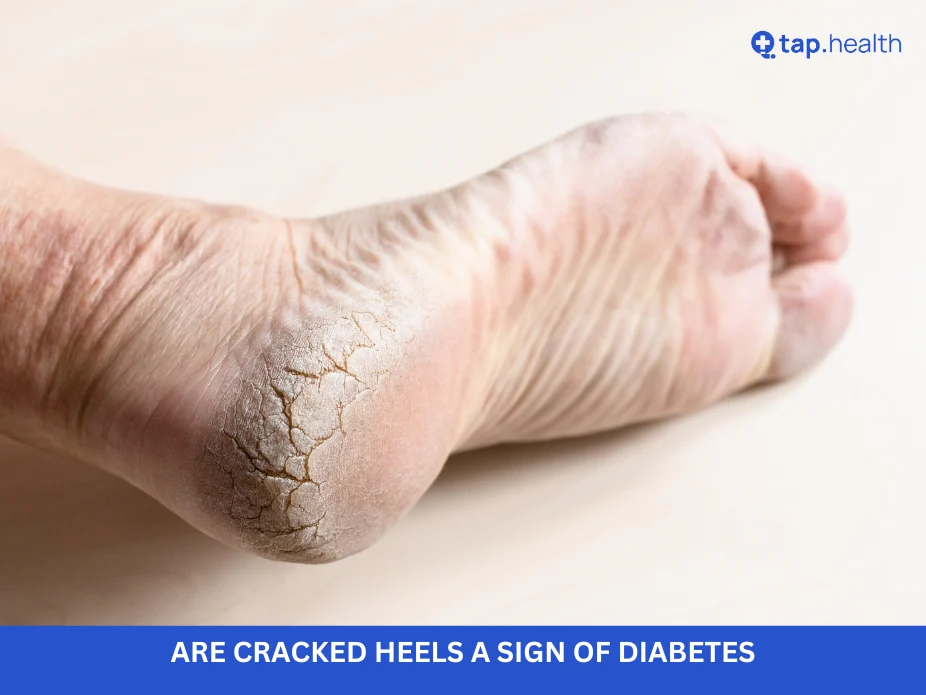
are cracked heels a sign of diabetes

If you’ve ever dealt with cracked heels, you know how uncomfortable and sometimes painful they can be. But for people with diabetes, cracked heels may be more than just a cosmetic issue—they could be a warning sign of an underlying health problem. In this article, we’ll explore whether cracked heels are a sign of diabetes, how diabetes can affect your feet, and what steps you can take to keep your feet healthy.


What Are Cracked Heels?

Cracked heels, also called heel fissures, occur when the skin around the edges of your heels becomes dry, thickened, and rough. Over time, these cracks can deepen, causing pain and making it difficult to walk. Cracked heels are common, especially in people who stand for long periods or wear ill-fitting shoes, but for people with diabetes, they can be a symptom of more serious issues.

Common Causes of Cracked Heels

Before we dive into the relationship between cracked heels and diabetes, it’s important to understand what causes them. Cracked heels are typically caused by:

  1. Dry Skin: The skin around your heels is prone to dryness, especially in colder weather.
  2. Standing for Long Periods: If you’re on your feet a lot, especially on hard surfaces, your heels are under constant pressure, which can lead to cracks.
  3. Obesity: Extra weight puts additional pressure on your heels, contributing to the formation of cracks.
  4. Improper Footwear: Shoes that don’t fit properly or sandals without backs can lead to friction and cracks in your heels.
  5. Poor Hygiene: Neglecting to clean and moisturize your feet can lead to dryness and cracking.

While these factors contribute to cracked heels, people with diabetes may experience cracked heels for different reasons.


Can Cracked Heels Be a Sign of Diabetes?

Yes, cracked heels can be a sign of diabetes, but they are not always an indication of the condition. However, if you have diabetes, cracked heels might be a more serious concern than just dry skin. Here’s how diabetes can affect your feet:

1. Poor Circulation

People with diabetes often experience poor circulation, especially in the feet. This happens because high blood sugar levels can damage the blood vessels, reducing the flow of blood to the extremities. Without enough blood flow, the skin on your feet may not get the nutrients and moisture it needs, leading to dryness and cracked heels.

2. Diabetic Neuropathy

One of the complications of diabetes is diabetic neuropathy, a condition in which high blood sugar levels damage the nerves in your body. This damage can cause a loss of sensation in the feet, meaning you might not feel pain or notice injuries. In the case of cracked heels, this can be especially dangerous. You may not notice the cracks worsening or becoming infected, leading to complications like ulcers or even severe infections.

3. Infections

Cracked heels can create small openings in the skin, which can become entry points for bacteria. In people with diabetes, the body’s ability to fight off infections is weakened due to poor circulation and high blood sugar levels. This makes it easier for infections to develop, and harder for them to heal. If you have cracked heels and notice redness, swelling, or discharge, it could be an infection, and you should seek medical attention immediately.

4. Dry Skin and Dehydration

Diabetes can cause dehydration, leading to dry skin, including on the feet. Since dry skin is more prone to cracking, people with diabetes may be more likely to experience cracked heels than others. High blood sugar can also lead to other skin issues, such as fungal infections and dryness, that further contribute to the problem.


Real-Life Scenarios

Let’s bring this to life with a couple of real-world examples.

Scenario 1: Sunita from Mumbai

Sunita, a 45-year-old woman from Mumbai, was recently diagnosed with type 2 diabetes. She noticed that her heels were dry and cracked, and despite using lotions, the cracks didn’t seem to heal. She assumed it was just due to the weather, but her condition worsened, and she began to notice tingling in her feet. A visit to her doctor revealed that she was also suffering from diabetic neuropathy, which made her less aware of the severity of her foot condition. With proper treatment and regular foot checks, Sunita is now managing her cracked heels and preventing further complications.

Scenario 2: Raj from New Delhi

Raj, a 50-year-old man from New Delhi, has struggled with obesity for years, and recently he started noticing deep cracks in his heels. As someone with poorly controlled type 2 diabetes, Raj had been neglecting his foot care. The cracks got worse, leading to an infection. After seeing a doctor, Raj learned that his poor circulation and high blood sugar levels had caused the cracks to become more severe. Raj now visits his healthcare provider regularly for foot checkups and works on managing his blood sugar more carefully.


Expert Contributions: Insights from Dr. Ramesh Sharma

According to Dr. Ramesh Sharma, an endocrinologist at AIIMS (All India Institute of Medical Sciences), “Foot care is extremely important for people with diabetes. Cracked heels can often be an early sign of more serious complications like diabetic neuropathy and poor circulation. Regular foot inspections and proper hydration are key to preventing more severe issues, including infections and ulcers.”

Dr. Sharma emphasizes that cracked heels should not be ignored, especially if you have diabetes. “A small crack can become a major concern if it leads to infection or if it goes unnoticed due to nerve damage.”


How to Prevent and Treat Cracked Heels If You Have Diabetes

If you have diabetes and are dealing with cracked heels, it’s essential to take extra care of your feet. Here’s how to prevent and treat cracked heels effectively:

1. Moisturize Regularly

Moisturizing your feet is one of the most effective ways to prevent cracked heels. Choose a thick, diabetic-friendly foot cream that is free of fragrances and alcohol. Apply it every day, especially after a shower, when your skin is still damp. Make sure to massage it into the heels and the surrounding areas to keep the skin hydrated.

2. Avoid Hot Water

While it may feel soothing, hot water can dry out your skin, making it more prone to cracking. Use lukewarm water instead when washing your feet, and avoid long soaks in hot water.

3. Wear Proper Footwear

Wearing shoes that fit well is essential to preventing pressure on your heels. Avoid sandals or shoes that leave the heels exposed or put pressure on them. Opt for shoes with padded soles and supportive insoles to help distribute weight more evenly across your feet.

4. Inspect Your Feet Daily

If you have diabetes, you should check your feet every day for any signs of cracks, blisters, or other damage. You can use a mirror to check the soles of your feet or ask a family member to help you if you have trouble seeing or feeling your feet. Catching issues early can help prevent infections and further complications.

5. Control Your Blood Sugar

Maintaining stable blood sugar levels is crucial in preventing complications like cracked heels. High blood sugar levels can affect circulation and cause your skin to dry out, so make sure to follow your doctor’s recommendations for blood sugar management.

6. Use Foot Soaks and Scrubs Carefully

Soaking your feet in warm water mixed with Epsom salt can help soften the skin and loosen dead cells. However, be gentle when exfoliating the heels with a pumice stone or foot scrub. Over-scrubbing can make the cracks worse. Always moisturize afterward to keep the skin hydrated.

7. Seek Medical Attention If Necessary

If the cracks on your heels are severe, or if you notice signs of infection, such as redness, swelling, or pus, seek medical attention immediately. Infections can quickly become serious, especially for people with diabetes, so it’s always better to err on the side of caution.

Read this : How Much Insulin is Fatal for a Non-Diabetic?


FAQs on Are Cracked Heels a Sign of Diabetes?

1. Can cracked heels be a sign of diabetes?

Yes, cracked heels can sometimes be a sign of diabetes, particularly if they are accompanied by other symptoms like numbness, tingling, or poor circulation. People with diabetes are more prone to foot issues due to neuropathy and poor blood circulation.

2. What can I do if my cracked heels don’t heal?

If your cracked heels are not healing, it’s important to moisturize regularly, inspect your feet for infections, and keep your blood sugar under control. If the cracks are severe or infected, see a doctor for treatment.

3. Can cracked heels be prevented in diabetics?

Yes, regular moisturizing, wearing proper footwear, inspecting your feet daily, and controlling your blood sugar can help prevent cracked heels in people with diabetes.

4. What is the best moisturizer for diabetic feet?

Look for a thick, fragrance-free foot cream that is designed specifically for diabetics. These creams typically contain ingredients that help retain moisture and improve skin health, such as urea and shea butter.

5. How often should I check my feet if I have diabetes?

You should check your feet every day for cuts, cracks, blisters, or other signs of injury. If you have reduced sensation in your feet, consider asking someone to help you or using a mirror to inspect your feet.


Conclusion

Cracked heels can sometimes be a sign of diabetes, particularly when combined with other symptoms like dry skin, numbness, or poor circulation. For people with diabetes, foot care is essential, and cracked heels should not be ignored. With proper attention, including moisturizing, inspecting your feet, and controlling your blood sugar, you can reduce the risk of more severe foot complications. If you notice signs of infection or if the cracks don’t heal, be sure to consult a healthcare professional to prevent further issues.


Tags
A1C gestational diabetes poor sleep blood sugar HbA1c diabetes symptoms in women diabetes medicines diabetes nerve damage diabetes and blood pressure mango and diabetes dark patches diabetes diabetes stomach problems diabetes wounds metformin safety diabetes tingling hands banana blood sugar papaya for diabetes is jaggery good for diabetes poha blood sugar orange for diabetes sugar spike after rice gestational diabetes India blood sugar pregnancy diabetes sleep and diabetes diabetes in India women diabetes signs diabetes treatment advice tingling feet diabetes high blood pressure diabetes mango sugar diabetes walking after meals for diabetes diabetic gastroparesis diabetic wound care diabetes ketoacidosis warning signs diabetic neuropathy hands coconut water and diabetes is papaya good for diabetes gur for diabetes sprouts for diabetes can diabetics eat oranges Indian diet diabetes continuous glucose monitor India Medicine fasting glucose blood sugar pregnancy diabetes and stress diabetes risk factors India diabetes risk women Indian diabetic diet chart diabetes eye disease diabetes heart kidney risk diabetes reversal vs remission post meal walk diabetes diabetes bloating nausea diabetes yeast infection DKA symptoms fasting with diabetes coconut water for diabetes papaya blood sugar watermelon for diabetes are sprouts good for diabetes orange blood sugar glucose spike symptoms CGM cost India Health A1C test low blood sugar stress blood sugar diabetes prevention India diabetes symptoms in men diabetic meal plan diabetic eye test borderline HbA1c diabetes remission walking lowers blood sugar diabetes sick day rules diabetes fungal infection ketones diabetes diabetes fasting safety can diabetics drink coconut water oats for diabetes can diabetics eat watermelon sprouts blood sugar brown bread for diabetes post meal blood sugar time in range Lifestyle diabetes diet hypoglycemia cortisol diabetes best fruits for diabetes men diabetes signs HbA1c test high protein breakfast for diabetes HbA1c 5.7 to 6.4 reverse type 2 diabetes diabetes grocery list India diabetes during illness diabetes vaginal itching diabetes blurry vision can diabetics fast curd for diabetes oatmeal diabetes watermelon blood sugar methi seeds for diabetes bread for diabetes diabetes blood pressure glucometer accuracy Home remedies balanced meals diabetes safety diabetes eye care diabetes fruits diabetes risk men HbA1c normal range diabetes breakfast India prediabetes HbA1c diabetes plate method diabetic food list India blood sugar fever infection diabetes night sweats high blood sugar blurry vision insulin injection sites is curd good for diabetes are oats good for diabetes apple for diabetes fenugreek for diabetes whole wheat bread diabetes diabetes heart risk diabetes technology Fitness healthy eating diabetes heart health diabetic retinopathy fruit and blood sugar type 1 diabetes how to lower HbA1c diabetic breakfast ideas post-meal blood sugar Indian diabetes plate foods for diabetes shopping diabetes and alcohol low blood sugar at night diabetes excessive thirst insulin site rotation diabetes curd milk for diabetes can diabetics eat apple methi diabetes avocado for diabetes ABC diabetes CGM vs glucometer India Prevention why diabetes is considered as a lifestyle disease blood pressure diabetes eye test rice and diabetes type 1 diabetes symptoms fasting sugar normal range PCOS and diabetes blood sugar after food diabetes portion control diabetes kidney tests alcohol blood sugar diabetes diabetes sweating at night diabetes dry mouth insulin lumps tea and coffee in diabetes can diabetics drink milk apple blood sugar cinnamon for diabetes is avocado good for diabetes kidney risk diabetes diabetes reversal myths Hygiene lifestyle diabetes cholesterol diabetes kidney care can diabetics eat rice insulin diabetes high fasting blood sugar PCOS insulin resistance postprandial glucose low glycaemic index foods for diabetes urine albumin diabetes can diabetics drink alcohol diabetes headache frequent urination diabetes diabetes weight gain coffee diabetes best milk for diabetes eggs for diabetes cinnamon blood sugar avocado blood sugar blurred vision diabetes HbA1c remission Ailments type 2 diabetes lifestyle disease living with diabetes diabetic kidney disease diabetes diet India prediabetes diet reverse prediabetes naturally PCOS diabetes risk dawn phenomenon diabetes low GI foods India eGFR diabetes diabetes and dizziness high blood sugar headache diabetes fatigue diabetes and weight gain tea diabetes peanuts for diabetes are eggs good for diabetes dalchini for diabetes travelling with diabetes fundus exam diabetes remission vs reversal Hindi exercise and diabetes diabetes habits kidney tests diabetes morning blood sugar prediabetes food prediabetes reversal gestational diabetes diet Indian morning sugar high diabetes low GI diet diabetes and dental problems dizziness diabetes low blood sugar headache diabetes tiredness insulin weight gain roti for diabetes are peanuts good for diabetes egg diabetes amla for diabetes diabetes travel checklist eye care diabetes skin diseases blood sugar control diabetes management high blood sugar symptoms fasting sugar high lower diabetes risk how to prevent type 2 diabetes pregnancy diabetes diet high fasting sugar in morning diabetes and fatty liver diabetes gum disease low sugar dizziness blood sugar monitoring at home high blood sugar tiredness diabetes swollen feet best roti for diabetes peanuts blood sugar paneer for diabetes amla juice diabetes insulin travel storage diabetic retinopathy symptoms acne vulgaris symptoms physical activity insulin resistance hyperglycemia symptoms dawn phenomenon diabetes and weight loss insulin resistance diet gestational diabetes meal plan diabetes and cholesterol fatty liver diabetes dry mouth diabetes diabetes leg pain when to check blood sugar diabetes constipation swollen feet diabetes chapati diabetes sweet potato for diabetes is paneer good for diabetes amla blood sugar diabetes hot weather GDM screening AI Search diabetes foot care insulin sensitivity diabetes warning signs diabetes myths weight loss diabetes Indian foods for insulin resistance diabetic foot ulcer diabetes lipid profile insulin resistance fatty liver diabetes urine infection diabetic leg cramps blood glucose monitoring diabetes and constipation diabetes foot swelling can diabetics eat dates can diabetics eat sweet potato paneer diabetes guava for diabetes diabetes dehydration pregnancy blood sugar targets prediabetes diabetic foot type 2 diabetes risk normal blood sugar levels diabetes facts insulin resistance weight loss improve insulin sensitivity diabetes foot wound cholesterol in diabetes diabetes skin problems frequent UTI diabetes diabetes nerve pain legs metformin for diabetes constipation diabetes can diabetics eat banana dates for diabetes sweet potato blood sugar poha for diabetes can diabetics eat guava heat and blood sugar postpartum diabetes risk diabetes prevention foot health diabetes and sleep fasting blood sugar diabetes misconceptions diabetes medicine safety diabetic neuropathy symptoms diabetic foot ulcer warning signs can diabetics eat mango diabetes itching urinary infection diabetes diabetes slow wound healing metformin side effects diabetes numbness in hands banana for diabetes dates blood sugar jaggery for diabetes is poha good for diabetes guava blood sugar India diabetes diabetes after pregnancy
More blogs
Naimish Mishra
Naimish Mishra
• June 9, 2026
• 2 min read

Recognizing Hypoglycemia: A 3-Step Action Plan to Manage Sudden Sugar Crashes

While much of diabetes management focus is placed on avoiding high blood sugar (hyperglycemia), low blood sugar—known as hypoglycemia—is a far more immediate, acute medical emergency. Defined as blood glucose falling below 70 mg/dL, a sudden sugar crash can happen rapidly. Knowing how to recognize the warning signs and acting immediately can prevent loss of […]

Product
are cracked heels a sign of diabetes
Naimish Mishra
Naimish Mishra
• June 9, 2026
• 2 min read

Apple Cider Vinegar for Diabetes: Clinical Evidence vs. Social Media Claims

Scroll through TikTok or Instagram, and you will quickly find wellness influencers claiming that a daily shot of Apple Cider Vinegar (ACV) is a miracle cure for diabetes. Some claim it allows you to eat high-carb foods without any blood sugar spikes, while others promise it can replace standard diabetes medications. To separate clinical truth […]

Product
are cracked heels a sign of diabetes
Naimish Mishra
Naimish Mishra
• June 9, 2026
• 2 min read

Stress and Blood Sugar: The Invisible Hormonal Connection

When managing Type 2 diabetes or prediabetes, we often focus intently on the physical factors: counting carbs, measuring portion sizes, and hitting step targets. Yet, many people experience frustrating, unexplained spikes in their blood sugar despite eating a perfect diet. The culprit is often an invisible one: chronic mental stress. Understanding the psychosomatic connection between […]

Product
are cracked heels a sign of diabetes
Do you remember your last sugar reading?
Log and Track your glucose on the Tap Health App
All logs in one place
Smart trend graphs
Medicine Reminder
100% Ad Free
Download Now

Missed your diabetes meds

again? Not anymore.

Get medicine reminders on your phone.

✓ Glucose diary and Insights
✓ Smart Nudges
✓ All logs at one place
✓ 100% Ad free
Download Free
tap health
tap.health logo
copyright © 2025
2nd Floor,Plot No 4, Minarch Tower,
Sector 44,Gurugram, 122003,
Haryana, India
  • About Us
  • Blog
  • Doctor login
  • Contact Us
  • Privacy Policy
  • Return / Shipping Policy
  • Terms and Conditions
Get Your Free AI Diabetes Coach