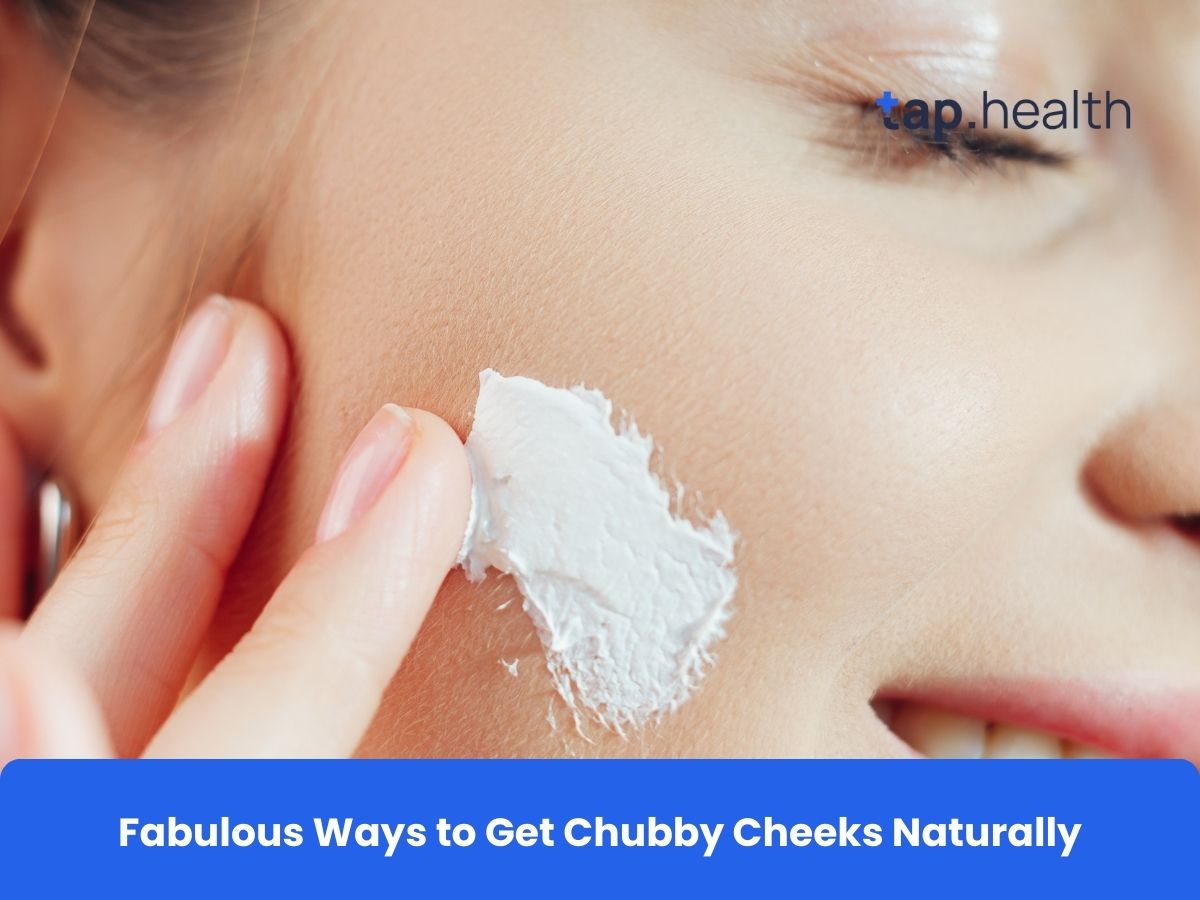
Having plump, chubby cheeks is often considered a sign of youthfulness and beauty. Many people desire In a world obsessed with sharp jawlines and contouring, there is a timeless charm to having soft, full cheeks. In India, we often associate “gol matol” (round and chubby) cheeks with health, youth, and vitality. While sunken cheeks can sometimes make a person look tired or older than they are, plump cheeks give the face a fresh, youthful glow.
But here is the tricky part: how do you gain weight just on your face without adding inches to your waistline? Is it even possible?
The answer is yes, but it requires patience and the right approach. You cannot “spot reduce” fat, and similarly, you cannot force fat to go only to your cheeks instantly. However, by improving your skin’s elasticity, building facial muscles, and eating collagen-boosting foods, you can create the appearance of fuller, healthier cheeks naturally.
In this comprehensive guide, we will move beyond the myths and focus on what actually works. From grandmother’s kitchen secrets to modern facial yoga, here are the most fabulous ways to get chubby cheeks naturally.
Understanding the Science: Why Do Cheeks Lose Volume?
Before we try to fix the problem, we must understand why it happens. As we age, our face loses two key things: subcutaneous fat (the fat layer under the skin) and collagen (the protein that keeps skin tight).
When collagen levels drop, skin starts to sag. When fat pads in the face shrink, the cheeks look hollow. This can also happen due to:
- Rapid Weight Loss: Losing weight too quickly often shows on the face first.
- Dehydration: Lack of water makes skin look thin and paper-like.
- Poor Diet: Not eating enough healthy fats.
- Genetics: Sometimes, it is just how your family is built.
To get fuller cheeks, we need to focus on rebuilding that collagen and nourishing the skin from both inside and outside.
1. Facial Yoga: The Natural Facelift
Just as you go to the gym to build biceps, you can exercise your face to build cheek muscles. When the muscles underneath grow, they push the skin out, making your cheeks look fuller.
The “Cheek Lift” Exercise
This is one of the most effective movements.
- Step 1: Close your lips gently.
- Step 2: Smile as wide as you can, lifting your cheek muscles up towards your eyes.
- Step 3: Place your index fingers on top of your cheeks.
- Step 4: Push your cheeks up with your fingers while trying to smile even harder.
- Step 5: Hold for 10 seconds. Repeat 10 times.
The “Balloon Blow” Technique
This helps expand the cheek muscles.
- Step 1: Take a deep breath.
- Step 2: Fill your mouth with air as if you are blowing up a balloon.
- Step 3: Hold the air in your cheeks for 15 to 30 seconds.
- Step 4: Move the air from the left cheek to the right cheek.
- Step 5: Release. Repeat 5 times daily.
2. Diet Magic: Foods That Plump Your Skin
You are what you eat. To get fuller cheeks, you need foods rich in healthy fats and antioxidants.
Aloe Vera (Internal and External)
Aloe vera is famous for skin elasticity. A study published in the Annals of Dermatology showed that women who consumed aloe vera gel for 90 days showed significant improvement in facial elasticity.
- How to use: Drink a small shot of aloe vera juice in the morning. You can also apply fresh gel to your cheeks, massage it in circular motions, and leave it for 10 minutes.
Shea Butter and Sugar Scrub
Exfoliation is key. Dead skin cells make the face look dull and flat.
- The Recipe: Mix 1 cup of shea butter with ¾ cup of granulated sugar.
- How it works: Shea butter is high in fatty acids that absorb into the skin, making it look plump. The sugar gently scrubs away dead cells.
- Routine: Massage this onto your cheeks for 5 minutes before your morning shower.
Eat More “Healthy Fats”
If you are on a zero-fat diet, your face will look gaunt. Your body needs fat to maintain healthy skin cells.
- What to eat: Include avocados, walnuts, almonds, olive oil, and fatty fish (like salmon or mackerel) in your diet. These foods are high in Omega-3 fatty acids, which keep skin cells strong and hydrated.
3. The Oil Massage Therapy
Massaging your face increases blood circulation. More blood flow means more nutrients reaching the skin cells, making them look rosy and full.
Almond Oil Massage
Almond oil is rich in Vitamin E, which is a skin superfood.
- Technique: Take a few drops of warm almond oil. Using your fingertips, massage your cheeks in an upward and circular motion. Never pull the skin down (that causes sagging). Do this every night before sleep.
Coconut Oil Treatment
Coconut oil protects the skin against UV radiation and keeps it deeply moisturised.
- Technique: Apply extra virgin coconut oil to your cheeks. Massage gently for 5 minutes. The fatty acids in the oil seep into the skin, providing a temporary “plumping” effect and long-term hydration.
4. Hydration: The Simplest Trick
It sounds too simple to be true, but it is the most important factor.
- The Logic: Think of a grape vs. a raisin. A grape is full of water; a raisin is dehydrated. Your skin cells are the same.
- The Goal: Drink at least 8 glasses of water a day.
- The Boost: Avoid excessive alcohol and caffeine, as they dehydrate the body and make cheeks look sunken.
5. Glycerin and Rose Water Mask
This is a classic Indian home remedy used for generations.
- Ingredients: Mix equal parts of glycerin and rose water (gulab jal).
- Why it works: Glycerin is a humectant, meaning it pulls moisture from the air into your skin. Rose water soothes and cleanses.
- Application: Rub this mixture on your cheeks before bed. Leave it on overnight. It keeps the skin hydrated and gives it a soft, “chubby” look by morning.
Real-Life Scenario
Meet Anjali: The Wedding Prep Transformation
Anjali, a 28-year-old teacher from Bangalore, felt her face looked “too thin” and tired after recovering from a viral fever. With her sister’s wedding a month away, she wanted to look healthier in photos.
The Strategy: She didn’t want to gain weight on her body, just her face.
- Morning: She started doing the “Balloon Blow” exercise while making tea.
- Night: She applied an olive oil massage every night for 5 minutes.
- Diet: She added a handful of soaked almonds and walnuts to her breakfast.
The Result: By week 3, she noticed a change. Her cheeks weren’t drastically “fat,” but the hollows under her cheekbones were gone. Her skin looked bouncy and reflected light better, giving the illusion of fuller cheeks. She looked radiant in the wedding photos without gaining an inch on her waist.
Expert Contribution
We spoke to skin care professionals to separate fact from fiction.
Dr. Kavita Reddy, a Dermatologist, explains: “You cannot grow new fat cells on your face just by applying oil. What you are doing with oils and masks is hydrating the epidermis (top layer of skin). When skin is fully hydrated, it swells slightly, reducing the appearance of fine lines and hollows. This gives the visual effect of chubby cheeks.”
On Facial Yoga: “Facial exercises do work, but consistency is key,” says Dr. Reddy. “A study by Northwestern Medicine showed that 30 minutes of facial exercise daily for 20 weeks made women look about three years younger with fuller upper and lower cheeks. But you must do it every day.”
Myths vs. Facts: What Not to Do
There is a lot of bad advice on the internet. Let’s clear it up.
Myth: Rubbing butter on your face will make it fat. Fact: No. Butter will just clog your pores and give you acne. Stick to facial oils like almond or olive oil that are safe for skin.
Myth: You can gain cheek fat by eating junk food. Fact: Eating burgers and fries will make you gain weight everywhere—stomach, thighs, and arms—not just your cheeks. It is an unhealthy way to try and change your face.
Myth: Applying cortisol cream makes cheeks puffy. Fact: While steroids can cause a “moon face” as a side effect, using steroid creams without a prescription is dangerous. It thins the skin and damages your health. Never do this.
Recommendations Grounded in Proven Research and Facts
Based on medical data and dermatological studies, here are the safest recommendations:
1. Collagen Supplements Research suggests that oral collagen supplements can improve skin elasticity and hydration. As we age, natural collagen drops. Taking a hydrolyzed collagen supplement (powder or tablet) can help thicken the skin dermis, making the face look fuller.
2. Sun Protection Sun damage destroys elastin and collagen. If you want fuller cheeks, you must protect the collagen you have.
- Action: Wear sunscreen with SPF 30 or higher every single day, even if you are indoors.
3. The “Fenugreek” Factor Fenugreek (Methi) is rich in vitamins and antioxidants.
- Proven Benefit: While eating it helps health, applying a paste of soaked fenugreek seeds to the cheeks can firm up the skin. It fights the free radicals that cause sagging.
Key Takeaways
- Patience is Key: You cannot get chubby cheeks overnight. Natural methods take 3-4 weeks to show results.
- Exercise the Face: Facial yoga (like the balloon blow) builds muscle under the skin, pushing it out.
- Hydrate: Drink water and use humectants like glycerin to keep skin cells plump.
- Eat Healthy Fats: Nuts, seeds, and avocados provide the building blocks for healthy skin.
- Avoid Bad Habits: Smoking and excessive alcohol destroy collagen and make cheeks look hollow.
Frequently Asked Questions (FAQ) on Fabulous Ways to Get Chubby Cheeks Naturally
1. How can I get chubby cheeks in 7 days?
Honestly, getting significantly chubby cheeks in just 7 days naturally is very difficult. However, you can make your cheeks look fuller in a week by drinking plenty of water, getting 8 hours of sleep, and doing facial massages daily to increase blood flow and “plump” the skin temporarily.
2. Does chewing gum help get chubby cheeks?
No, chewing gum usually does the opposite. Excessive chewing exercises the jaw muscles, which can make your jawline look sharper and your face look thinner. If you want softer, rounder cheeks, avoid chewing gum constantly.
3. Which food increases cheek fat?
Foods rich in healthy fats and collagen help. Include avocados, olive oil, honey, milk, nuts (almonds/walnuts), and seeds (chia/flax) in your diet. These nourish the skin from within. Carb-rich foods like rice and potatoes can gain overall weight, which may show on the face too.
4. Is facial yoga safe?
Yes, facial yoga is safe and effective if done correctly. It strengthens the facial muscles. However, do not be too aggressive or pull your skin harshly, as that can create wrinkles. Use gentle, lifting motions.
5. Can I use baby oil on my face?
Baby oil is mineral oil. While it locks in moisture, it is comedogenic, meaning it can clog pores and cause pimples for many adults. It is better to use almond oil, coconut oil, or olive oil, which contain vitamins beneficial for adult skin.
6. Why is my face getting thin while my body is normal?
This can happen due to stress, lack of sleep, dehydration, or aging. As we age, we naturally lose facial fat. Sudden weight loss or a diet lacking in essential fatty acids can also cause the face to lose volume before the rest of the body.
7. Does sleeping position affect cheek shape?
Yes! Sleeping on your side or stomach presses your face against the pillow for hours, which can contribute to “sleep lines” and flattening of the cheeks over time. Sleeping on your back is the best position to keep facial skin smooth and gravity-defying.
8. Are there medical treatments for chubby cheeks?
Yes, if natural methods don’t work, dermatologists offer treatments like “dermal fillers” (injections of hyaluronic acid) or “fat grafting” (moving fat from your body to your face). These provide instant results but are expensive and require medical supervision.
References
Harvard Health Publishing: The best foods for healthy skin
Healthline: How to Get Chubby Cheeks
National Institutes of Health (NIH): Association of Facial Exercise With the Appearance of Aging
Mayo Clinic: Skin care: 5 tips for healthy skin
Annals of Dermatology: Dietary Aloe Vera Supplementation Improves Facial Wrinkles