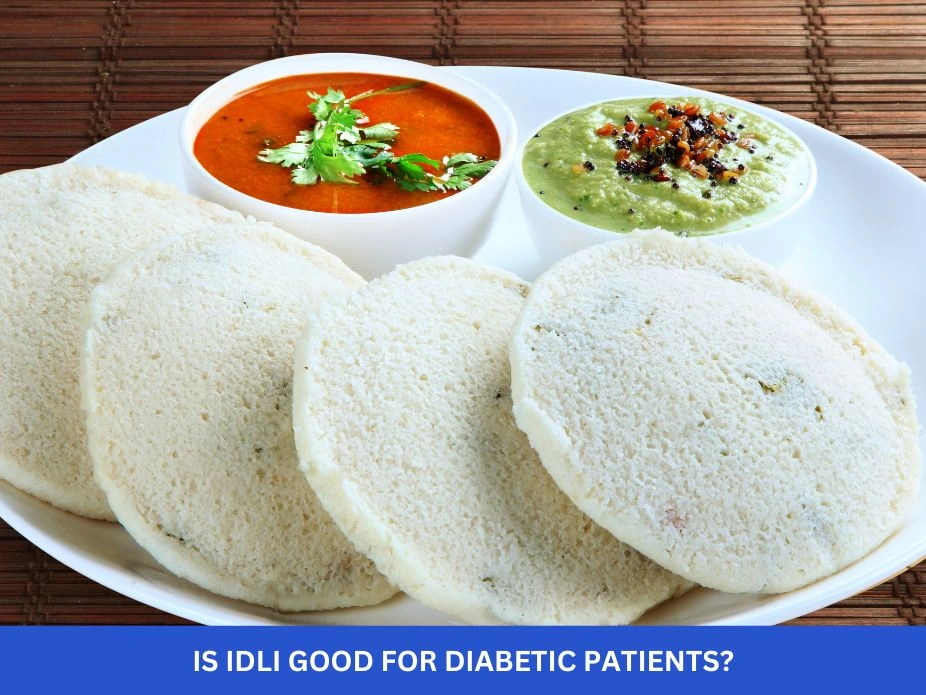
Idli, a popular South Indian dish, is a steamed rice cake made from fermented rice and urad dal (split black gram). It is commonly eaten for breakfast or dinner and is served with sambar and chutney. But for those living with diabetes, the question arises: Is idli a good food choice for managing blood sugar levels? Let’s dive into the nutritional benefits of idli and see if it can be part of a diabetic-friendly diet.
How Idli Affects Blood Sugar Levels
1. The Glycemic Index of Idli
Idli is made from rice, which has a moderate glycemic index (GI). The glycemic index of food determines how quickly it raises blood sugar levels after eating. Foods with a high GI can cause rapid spikes in blood sugar, which is a concern for diabetic patients. However, idli made from fermented rice and urad dal tends to have a slightly lower glycemic index compared to non-fermented rice products, thanks to the fermentation process. This makes idli a better option than some other rice-based foods.
2. The Role of Fermentation
Fermentation in idli preparation plays an essential role in lowering the glycemic index of the food. During fermentation, the starch in rice is broken down, which results in a slower and more controlled release of sugar into the bloodstream. This helps in maintaining steady blood sugar levels, which is ideal for diabetes management.
Nutritional Benefits of Idli for Diabetic Patients
1. Rich in Protein
Idli contains urad dal (split black gram), which is an excellent source of plant-based protein. Protein helps in regulating blood sugar levels by slowing down the absorption of carbohydrates. Including protein in your meal helps prevent sugar spikes after eating and promotes satiety, reducing the likelihood of overeating.
2. Low in Fat
Idli is low in fat, making it a heart-healthy choice for diabetics. Since people with diabetes are at a higher risk of heart disease, it is essential to choose foods that promote cardiovascular health. Idli, especially when made with little or no oil, provides a low-fat option for those looking to manage both their blood sugar and heart health.
3. Good Source of Carbohydrates
Idli provides a good source of carbohydrates, which are necessary for energy. While the carbohydrates in idli come primarily from rice, the fermentation process makes these carbs easier to digest and absorb. Unlike refined carbohydrates, the digestion of fermented foods tends to be slower, preventing rapid increases in blood sugar.
How to Make Idli Diabetes-Friendly
1. Use Brown Rice or Multigrain Flour
Traditional idlis are made with white rice, which has a high glycemic index. To make idli more diabetes-friendly, try using brown rice or multigrain flour (which may include oats, barley, or millet). These options are richer in fiber and have a lower glycemic index, which helps in maintaining steady blood sugar levels.
2. Include More Legumes and Whole Grains
To increase the fiber and protein content of idli, you can add more legumes or whole grains into the batter. Ingredients like millet, quinoa, or flaxseeds can boost the nutritional value and provide additional fiber, which helps in slowing down the absorption of sugars from the idli.
3. Avoid Excessive Oil and Ghee
While idli itself is low in fat, it’s common to eat it with sambar or chutney, which may be made with ghee or oil. To keep the meal diabetes-friendly, avoid using too much oil or ghee. Opt for a small amount of olive oil or coconut oil when making chutney or sambar.
4. Pair with Protein-Rich Sides
Idli is typically served with sambar (a lentil-based stew) and vegetable chutney. Both sambar and chutney are excellent sources of protein and fiber, which helps to balance the carbohydrates in the idli. This combination of protein, fiber, and complex carbohydrates makes idli a more balanced and diabetes-friendly meal.
Tips for Diabetic Patients Enjoying Idli
- Portion Control: While idli is a healthy food, it’s important to watch portion sizes. One or two idlis per meal, paired with vegetables and protein-rich sides, is an ideal portion size.
- Monitor Blood Sugar: After eating idli, it’s always a good idea to monitor your blood sugar levels to see how your body responds to the food. This will help you understand your body’s needs and adjust portion sizes accordingly.
- Pair with Vegetables: Pair idli with vegetable-based chutneys and sambar to enhance the nutritional content of your meal and maintain a balanced blood sugar level.
- Fermentation is Key: Make sure the batter is properly fermented. The longer the fermentation process, the lower the glycemic index of the idli.
Frequently Asked Questions (FAQ) on Is Idli Good for Diabetic Patients? Healthy Alternatives
Q1: Can diabetic patients eat idli?
A1: Yes, diabetic patients can eat idli, especially when it is made with brown rice or multigrain flour. Portion control and pairing it with protein and fiber-rich sides like sambar are key to making it diabetes-friendly.
Q2: Is idli made from white rice bad for diabetics?
A2: Idli made from white rice has a moderate glycemic index, which may cause a moderate rise in blood sugar. Opting for brown rice or multigrain flour in the idli batter can make it a healthier choice for diabetics.
Q3: How many idlis can a diabetic eat in a meal?
A3: Diabetic patients can eat one to two small idlis per meal. Pair it with a protein-rich side like sambar and vegetables for a balanced meal.
Q4: Can I eat idli with chutney if I have diabetes?
A4: Yes, you can eat idli with vegetable chutney or sambar. These side dishes provide additional fiber and protein, which help stabilize blood sugar levels.
Q5: Is idli a good source of energy for diabetics?
A5: Yes, idli provides steady energy due to its carbohydrate content. The fermentation process slows down the digestion of carbs, preventing rapid increases in blood sugar levels.
Conclusion
Idli can be part of a diabetes-friendly diet, especially when made with whole grains like brown rice or multigrain flour. Its moderate glycemic index, protein content from urad dal, and fiber from fermentation make it a suitable option for diabetics. However, it’s essential to practice portion control and pair idli with protein-rich sides like sambar or vegetable chutney to maintain steady blood sugar levels. With these adjustments, you can enjoy this traditional dish without compromising your health.