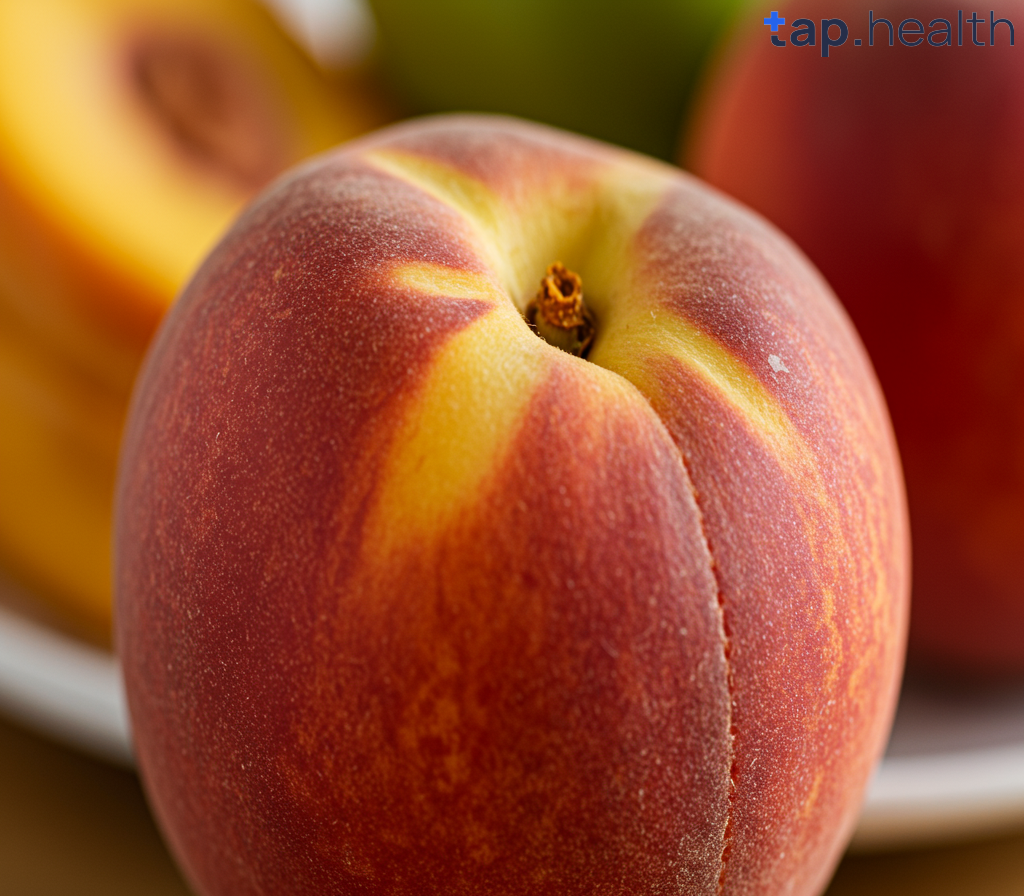
Peaches are a delicious and nutritious fruit that many people enjoy, especially during the summer months. But for individuals with diabetes, the question often arises: “Is peach good for diabetic patients?” In this article, we’ll dive into the various health benefits of peaches, any potential risks they may pose for diabetic patients, and how to safely include them in a diabetes-friendly diet. So, let’s explore everything you need to know about this juicy fruit and its impact on blood sugar levels.
What Are Peaches?
Before we dive into how peaches affect people with diabetes, let’s first understand what they are. Peaches are a type of stone fruit belonging to the Prunus genus, which also includes cherries, plums, and apricots. Known for their sweet and juicy flesh, peaches come in various colors, including yellow, white, and even red. They are rich in water, vitamins, and minerals, making them a popular choice for health-conscious individuals.
Nutritional Breakdown of Peaches
A medium-sized peach (approximately 150 grams) contains the following nutrients:
- Calories: 58
- Carbohydrates: 14 grams
- Fiber: 2.3 grams
- Sugar: 12 grams
- Protein: 1 gram
- Fat: 0.4 grams
- Vitamin C: 10% of the daily recommended intake
- Vitamin A: 8% of the daily recommended intake
Peaches are low in calories and fat, which makes them a great option for a balanced diet.
The Impact of Peaches on Blood Sugar Levels
For diabetic patients, controlling blood sugar levels is crucial. The carbohydrates in food play a significant role in how blood sugar levels fluctuate. Peaches contain natural sugars, primarily fructose, which is a type of carbohydrate. However, peaches have a relatively low glycemic index (GI) compared to many other fruits, making them a better option for diabetics.
Glycemic Index of Peaches
The glycemic index measures how quickly a food raises blood sugar levels. Foods with a high GI (above 70) are more likely to cause spikes in blood sugar, while foods with a low GI (below 55) have a slower impact on blood sugar levels. Peaches have a GI of around 42, which classifies them as a low-GI fruit. This means that when you consume a peach, it will cause a gradual increase in blood sugar, which is beneficial for people with diabetes.
Effect on Blood Sugar
The natural sugars in peaches are absorbed slowly due to their low GI, which prevents rapid spikes in blood sugar. The fiber content in peaches also helps regulate blood sugar levels by slowing down the digestion and absorption of carbohydrates. As a result, peaches are generally safe for diabetic patients when eaten in moderation.
However, portion control is important. While a small peach may not significantly impact blood sugar levels, consuming large quantities could lead to higher sugar intake, potentially causing an increase in blood sugar.
Health Benefits of Peaches for Diabetic Patients
Peaches offer numerous health benefits that are especially valuable for diabetic patients. These include:
1. Rich Source of Antioxidants
Peaches are packed with antioxidants like vitamin C, beta-carotene, and flavonoids. Antioxidants help fight oxidative stress, which is a common issue for people with diabetes. By reducing oxidative stress, antioxidants may help protect against complications such as heart disease, kidney damage, and nerve damage, which are common in diabetic patients.
2. High in Dietary Fiber
Fiber is an essential part of a healthy diet, particularly for those with diabetes. Peaches provide about 2.3 grams of fiber per medium fruit. Fiber helps slow down the absorption of sugar into the bloodstream, preventing sudden spikes in blood sugar levels. It also promotes gut health, reduces the risk of constipation, and aids in weight management.
3. Supports Heart Health
People with diabetes are at a higher risk for heart disease. Peaches contain potassium, which helps regulate blood pressure. Additionally, the antioxidants in peaches may reduce inflammation and improve cholesterol levels, further supporting heart health.
4. Low in Calories and Fat
Peaches are a low-calorie, low-fat food, making them an excellent choice for people with diabetes who are looking to maintain or lose weight. Maintaining a healthy weight is crucial for managing diabetes, and incorporating peaches into a balanced diet can help achieve this goal.
5. Promotes Healthy Skin
Peaches are rich in vitamin C, which is known for its role in collagen production. Collagen is essential for skin elasticity and healing. Consuming peaches regularly can help promote healthy, youthful-looking skin.
Potential Risks of Eating Peaches for Diabetic Patients
While peaches offer many health benefits, there are a few potential risks to consider:
1. Moderation is Key
As mentioned earlier, peaches contain natural sugars. Diabetic patients need to monitor their sugar intake to avoid blood sugar spikes. Eating too many peaches at once can lead to a higher sugar intake, which may cause issues for blood sugar control. It’s essential to practice portion control and pair peaches with a source of protein or healthy fats to help stabilize blood sugar levels.
2. Canned or Processed Peaches
While fresh peaches are an excellent choice for diabetic patients, canned or processed peaches may not be as suitable. Many canned peaches are packed in sugary syrup, which can significantly increase the sugar content. If you choose canned peaches, be sure to select options that are packed in water or their own juice and are free of added sugars.
How to Include Peaches in a Diabetic Diet
Including peaches in a diabetic diet can be easy and enjoyable. Here are some tips on how to incorporate peaches into your meals:
1. Eat Them Fresh
Fresh peaches are the best option for diabetic patients. You can simply enjoy a peach on its own as a snack or add it to a fruit salad for a refreshing treat.
2. Pair with Protein or Healthy Fats
To prevent blood sugar spikes, consider pairing peaches with a protein source (like yogurt, cottage cheese, or a handful of nuts) or healthy fats (like avocado or olive oil). This combination will help balance the fruit’s sugar content and keep you feeling fuller for longer.
3. Add to Smoothies
Peaches make a delicious addition to smoothies. Combine them with other low-GI fruits like berries and add a source of protein, such as Greek yogurt or protein powder. You can also add spinach or kale for extra nutrients.
4. Use in Baking
Peaches can be used in baking to create diabetic-friendly desserts. Instead of using sugar, try sweetening your peach-based desserts with stevia or another low-carb sweetener. You can bake peach muffins, pies, or crisps with almond flour to keep the carb content lower.
5. Make Peach Salsa
Peach salsa is a tasty and healthy condiment that can be paired with grilled chicken, fish, or salads. Simply chop fresh peaches and combine them with ingredients like cilantro, red onion, lime juice, and a pinch of salt for a flavorful addition to your meals.
Real-Life Scenario
Imagine a person with diabetes craving something sweet on a hot afternoon. Instead of grabbing a sugary dessert or soda, they choose a fresh peach. The peach satisfies their sweet craving while providing vitamins and hydration without spiking their blood sugar. This simple choice supports better blood sugar control and overall health.
Expert Contribution
Nutrition experts recommend adding fruits like peaches to a balanced diabetic diet because they provide natural sugars with fiber, unlike processed snacks that contain added sugars.
According to dietitians, pairing peaches with a source of protein (like Greek yogurt or nuts) can further help stabilize blood sugar levels and prevent post-meal spikes.
Recommendations Grounded in Proven Research and Facts
- Eat in moderation: One medium peach per serving is ideal for diabetics.
- Prefer fresh peaches: Avoid canned peaches in syrup as they contain added sugars.
- Pair with protein or fat: Combine peaches with yogurt, cottage cheese, or almonds to slow sugar absorption.
- Monitor blood sugar: Always check how your body responds to peaches, as individual reactions can vary.
- Stay hydrated: Peaches have high water content, helping you stay hydrated and full longer.
Research published in the Journal of Nutritional Biochemistry also shows that the antioxidants in peaches may help reduce insulin resistance and lower inflammation, both important for diabetes management.
Frequently Asked Questions (FAQs) on Is peach good for diabetic patients?
1. Can Diabetic Patients Eat Peaches Every Day?
Yes, diabetic patients can eat peaches every day, but in moderation. A small peach is a healthy snack that provides valuable nutrients without causing blood sugar spikes. Just be mindful of portion sizes and try to pair peaches with protein or healthy fats for better blood sugar control.
2. How Many Peaches Can a Diabetic Patient Eat in a Day?
The recommended portion size for peaches is one medium peach per day. This will provide the benefits of the fruit without significantly affecting blood sugar levels. If you plan to eat more than one peach, consider adjusting your other meals to account for the additional carbohydrates.
3. Are Canned Peaches Safe for Diabetic Patients?
Canned peaches can be safe for diabetic patients if they are packed in water or their own juice, without added sugars. Be sure to check the label for added sugars, as these can increase the carbohydrate content.
4. What Are the Best Fruits for Diabetic Patients?
Fruits with a low glycemic index (GI) are ideal for diabetic patients. Some examples include berries (like strawberries, blueberries, and raspberries), apples, pears, and citrus fruits like oranges and grapefruits. These fruits have less impact on blood sugar levels and provide essential vitamins and minerals.
5. Can Peaches Help with Weight Loss for Diabetic Patients?
Peaches are low in calories and high in fiber, making them a great option for people with diabetes who are looking to lose weight. Including peaches in a balanced diet can help promote satiety, reduce overeating, and support weight loss efforts.
Conclusion
So, is peach good for diabetic patients? The answer is yes! Peaches are a healthy, low-GI fruit that provides numerous health benefits, including antioxidant properties, fiber, and support for heart health. They can be enjoyed by diabetic patients as part of a balanced diet, but moderation is key. By practicing portion control and pairing peaches with other nutrients, you can safely incorporate this delicious fruit into your diabetes-friendly meals.