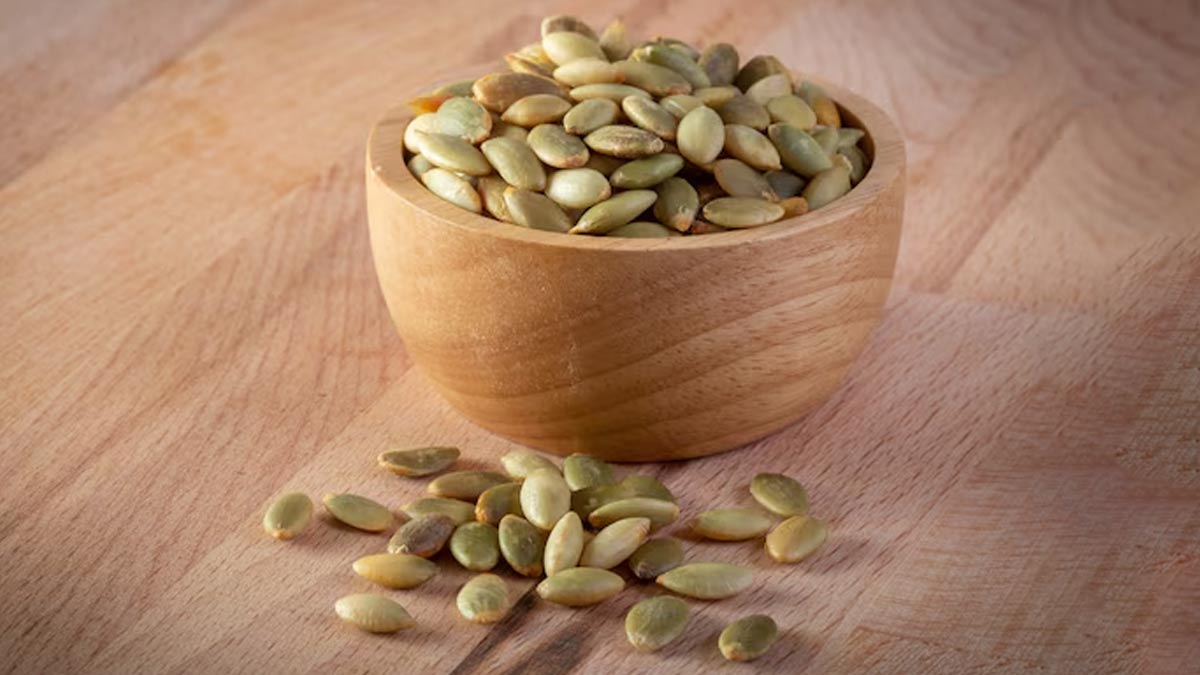
Diabetes management revolves heavily around diet and making mindful food choices. While sugary and processed foods are a clear “no,” many natural foods offer essential health benefits for diabetics — and one often-overlooked superfood is the pumpkin seed.
Also known as pepitas, pumpkin seeds are flat, oval seeds with a mild nutty flavor. They’re not only delicious and crunchy but also nutrient-dense, making them an ideal snack for people living with diabetes. In this article, we explore whether pumpkin seeds are good for diabetic patients, and how they can help support better blood sugar control, heart health, and more.
🧪 Nutritional Profile of Pumpkin Seeds
A 1-ounce (28g) serving of unsalted, roasted pumpkin seeds contains approximately:
- Calories: 150
- Carbohydrates: 5g
- Fiber: 1.7g
- Protein: 7g
- Fat: 13g (mostly healthy fats)
- Magnesium: 150mg (37% DV)
- Zinc, Iron, Copper, and Manganese
This powerful nutritional mix makes pumpkin seeds an excellent functional food for people with type 2 diabetes.
🩸 Benefits of Pumpkin Seeds for Diabetics
1. Help Control Blood Sugar Levels
Pumpkin seeds have a low glycemic index and are rich in magnesium, a mineral known to enhance insulin sensitivity and support glucose control. Studies have shown that people with higher magnesium intake tend to have a lower risk of developing type 2 diabetes.
2. Support Heart Health
Diabetes often goes hand-in-hand with increased cardiovascular risk. Pumpkin seeds are rich in healthy fats, particularly omega-6 fatty acids, which can help reduce cholesterol and lower blood pressure.
3. Aid in Weight Management
With their high fiber and protein content, pumpkin seeds promote satiety, helping you feel full longer. This can reduce overeating and help with weight management, which is crucial for controlling blood sugar levels in diabetics.
4. Anti-inflammatory and Antioxidant Properties
Pumpkin seeds contain antioxidants like vitamin E and phenolic compounds. These help reduce inflammation and oxidative stress, both of which are linked to complications from diabetes.
5. Improved Sleep and Stress Reduction
Pumpkin seeds are a natural source of tryptophan, an amino acid that helps promote sleep. Better sleep and lower stress can contribute to more stable blood sugar levels.
⚠️ Things to Watch Out For
While pumpkin seeds are healthy, it’s important to consume them wisely:
- Avoid salted or flavored seeds, which may be high in sodium or sugar.
- Portion control matters – a small handful (about 1 ounce) is sufficient.
- Watch calorie intake, especially if you’re on a weight management plan.
Always buy raw or dry-roasted, unsalted seeds for maximum benefit.
🥣 How to Add Pumpkin Seeds to a Diabetic Diet
Here are a few smart, delicious ways to enjoy pumpkin seeds:
- Snack on them raw or roasted (unsalted only)
- Sprinkle on salads or roasted veggies
- Blend into smoothies
- Add to oatmeal or low-sugar granola
- Mix into yogurt or cottage cheese
- Use as a topping for soups
- Grind into pumpkin seed butter for a low-carb spread
They’re also great to mix into homemade trail mix with other diabetes-friendly seeds and nuts like almonds and chia seeds.
📚 What Research Says
Multiple studies suggest pumpkin seeds have blood sugar-lowering effects:
- A 2010 study in Nutrition Research Reviews noted that pumpkin seed extracts significantly reduced blood sugar levels in animals and may support human diabetes management.
- A 2014 study published in Journal of Medicinal Food found that eating pumpkin seeds improved blood sugar control and insulin regulation in type 2 diabetic patients.
These findings support the inclusion of pumpkin seeds in a diabetic-friendly diet plan.
✅ Conclusion
Yes, pumpkin seeds are good for diabetic patients. With their low glycemic load, high magnesium content, and anti-inflammatory properties, they support better blood sugar control, heart health, and weight management — all of which are essential for managing diabetes.
As with all foods, moderation is key. A balanced diet rich in whole grains, lean proteins, vegetables, and healthy fats — with pumpkin seeds as a nutritious add-on — can go a long way in keeping diabetes in check.
Before adding new foods to your diet, especially if you are on medication or insulin, consult with your healthcare provider or a registered dietitian.
Frequently Asked Questions (FAQ)
1. Are pumpkin seeds good for diabetes?
Yes, pumpkin seeds are rich in fiber, protein, and magnesium — all of which help manage blood sugar levels and support overall health in diabetic patients.
2. Do pumpkin seeds lower blood sugar?
Pumpkin seeds have a low glycemic index and high magnesium content, which may help improve insulin sensitivity and reduce blood sugar spikes.
3. How many pumpkin seeds can a diabetic eat daily?
A diabetic can safely consume about 1 ounce (28 grams) of unsalted, roasted pumpkin seeds per day as part of a balanced diet.
4. Should diabetics avoid flavored pumpkin seeds?
Yes, diabetics should avoid salted or sweetened varieties as they may contain added sugar or sodium that can negatively impact blood pressure and blood sugar.
5. Can pumpkin seeds be eaten on an empty stomach?
Yes, they can be eaten on an empty stomach or as a snack between meals. Just ensure portion control to avoid excess calorie intake.