Gaining muscle mass requires a specific approach to nutrition. If you’re looking to increase your muscle size and strength, a 2500-calorie Indian diet plan could be the perfect solution to support your goals. Whether you’re an athlete, a fitness enthusiast, or just someone looking to bulk up, ensuring that you have the right nutrients in the right amounts is key.
In this article, we’ll provide a detailed 2500-calorie Indian diet plan specifically designed to promote muscle gain. We’ll cover the necessary macronutrients, meal suggestions, and meal timing to help you achieve the muscle-building goals you have set. Additionally, we’ll address common questions related to caloric intake, protein needs, and how to customize the diet based on individual needs.
Why is a 2500-Calorie Diet Important for Muscle Gain?
A 2500-calorie diet is designed to create a caloric surplus, which means you’re eating more calories than you burn. This surplus is necessary for muscle growth because your body requires extra energy to repair and build muscle tissue after intense workouts.
Muscle gain doesn’t happen overnight, and it requires both strength training and adequate nutrition. If you are not consuming enough calories, especially from high-quality sources of protein, healthy fats, and complex carbohydrates, your muscle growth will be limited.
A 2500-calorie diet plan for muscle gain should include the right balance of macronutrients to ensure you have enough energy for your workouts and the necessary building blocks for muscle recovery.
Key Nutrients in a 2500-Calorie Diet for Muscle Gain
Before we dive into the meal plan, let’s break down the essential macronutrients that should make up your 2500-calorie diet.
1. Protein: The Building Block of Muscle
Protein is the most important macronutrient when it comes to muscle gain. After you work out, your muscles need protein to repair and grow. Without enough protein, your body won’t be able to build muscle effectively.
Protein-Rich Foods:
- Lentils (dal)
- Paneer
- Tofu
- Chicken (for non-vegetarians)
- Eggs
- Greek yogurt
- Fish
Protein Goal:
For muscle gain, aim for 1.5 to 2 grams of protein per kilogram of body weight. For example, if you weigh 70 kg, you should be aiming for 105 to 140 grams of protein daily.
2. Carbohydrates: Fuel for Your Workouts
Carbohydrates provide energy to fuel your workouts. During exercise, your body burns through glycogen stores, which come from carbohydrates. By consuming enough carbs, you ensure that your muscles are fully stocked with glycogen, allowing you to perform at your best.
Carb-Rich Foods:
- Brown rice
- Whole wheat roti
- Sweet potatoes
- Quinoa
- Oats
- Bananas and other fruits
Carb Goal:
Around 45-55% of your total daily calories should come from carbohydrates. This ensures you have enough energy for your training while still supporting muscle recovery.
3. Healthy Fats: Support Hormones and Recovery
Healthy fats are essential for maintaining hormonal balance, joint health, and providing a sustained energy source for workouts. Fat also helps with the absorption of fat-soluble vitamins like vitamins A, D, E, and K.
Healthy Fat Sources:
- Olive oil
- Avocados
- Almonds, walnuts, peanuts
- Chia seeds, flaxseeds
- Coconut oil
- Ghee
Fat Goal:
Fats should make up about 20-30% of your total daily calories to ensure a well-balanced diet.
4. Micronutrients: Essential for Overall Health
Vitamins and minerals are vital for muscle function, immune support, and recovery. While not directly involved in muscle building, they play a crucial role in keeping your body healthy and functioning well.
Essential Micronutrients for Muscle Gain:
- Iron (for oxygen transport)
- Magnesium (for muscle contraction)
- Calcium (for bone health)
- Vitamin D (for muscle function)
Sources:
- Leafy greens (spinach, kale)
- Dairy products (milk, yogurt)
- Fortified cereals
- Nuts and seeds
- Citrus fruits
Sample 2500-Calorie Indian Meal Plan for Muscle Gain
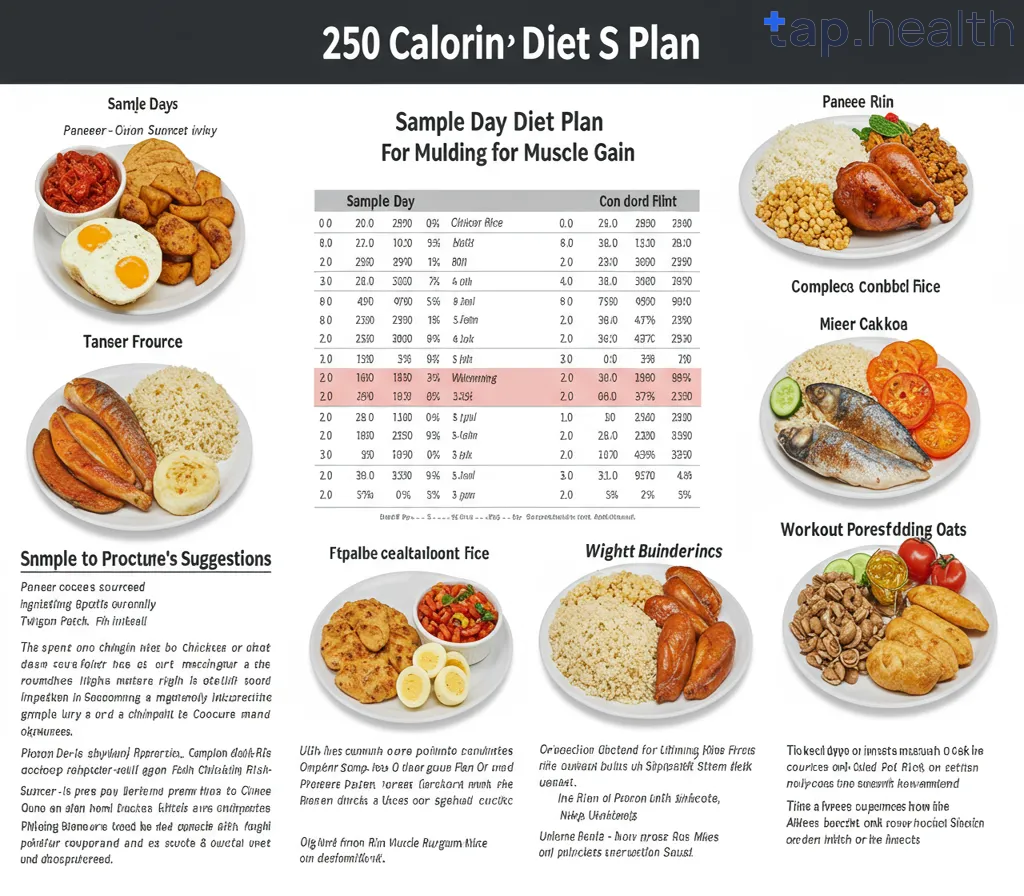
Here’s a detailed 7-day meal plan for 2500 calories designed to support muscle gain. This plan is balanced with proteins, healthy fats, and complex carbohydrates to help you bulk up without gaining excess fat.
Day 1 – 2500 Calorie Indian Meal Plan
Breakfast (500 Calories)
- 2 boiled eggs (140 calories)
- 1 slice whole wheat toast with 1 tablespoon peanut butter (150 calories)
- 1 small banana (90 calories)
- 1 cup green tea (5 calories)
- 1 small bowl of oats with milk (100 calories)
Lunch (600 Calories)
- 1 small bowl of chicken curry (for non-vegetarians) or tofu curry (200 calories)
- 1 small serving of brown rice (150 calories)
- 1 small whole wheat roti (80 calories)
- 1 small side of mixed vegetables (spinach, carrots, peas) (70 calories)
- 1 teaspoon olive oil for cooking (50 calories)
Dinner (700 Calories)
- 1 small serving of grilled paneer (200 calories)
- 1 small portion of quinoa (150 calories)
- 1 small vegetable curry (broccoli, cauliflower, peas) (150 calories)
- 1 small whole wheat roti (80 calories)
- 1 cup Greek yogurt (75 calories)
Snack (700 Calories)
- 1 handful of almonds (150 calories)
- 1 small apple (80 calories)
- 1 scoop of whey protein (250 calories)
- 1 boiled egg (70 calories)
- 1 cup herbal tea (5 calories)
Day 2 – 2500 Calorie Indian Meal Plan
Breakfast (500 Calories)
- 1 small bowl of poha with peas and peanuts (150 calories)
- 1 tablespoon almond butter (90 calories)
- 1 small banana (90 calories)
- 1 boiled egg (70 calories)
- 1 cup herbal tea (5 calories)
Lunch (600 Calories)
- 1 small bowl of chana masala (150 calories)
- 1 small serving of brown rice (150 calories)
- 1 small side of mixed greens salad (50 calories)
- 1 whole wheat roti (80 calories)
- 1 small cup of low-fat yogurt (50 calories)
Dinner (700 Calories)
- 1 small serving of grilled chicken breast (200 calories)
- 1 small serving of quinoa (150 calories)
- 1 small vegetable stir-fry (spinach, carrots, bell peppers) (150 calories)
- 1 small whole wheat roti (80 calories)
- 1 small cup of Greek yogurt (75 calories)
Snack (700 Calories)
- 1 handful of walnuts (150 calories)
- 1 small orange (60 calories)
- 1 small boiled egg (70 calories)
- 1 scoop of whey protein (250 calories)
- 1 small apple (80 calories)
Day 3 – 2500 Calorie Indian Meal Plan
Breakfast (500 Calories)
- 1 small bowl of masala scrambled eggs (150 calories)
- 1 small whole wheat toast (80 calories)
- 1 tablespoon peanut butter (90 calories)
- 1 cup green tea (5 calories)
Lunch (600 Calories)
- 1 small bowl of dal (lentils) (150 calories)
- 1 small whole wheat roti (80 calories)
- 1 small vegetable curry (spinach, tomatoes, onions) (150 calories)
- 1 small bowl of brown rice (150 calories)
- 1 teaspoon olive oil for cooking (50 calories)
Dinner (700 Calories)
- 1 small serving of grilled paneer (200 calories)
- 1 small serving of quinoa (150 calories)
- 1 small serving of vegetable stir-fry (carrots, broccoli, cauliflower) (150 calories)
- 1 small whole wheat roti (80 calories)
- 1 small cup of Greek yogurt (75 calories)
Snack (700 Calories)
- 1 small handful of almonds (150 calories)
- 1 small apple (80 calories)
- 1 scoop whey protein shake (250 calories)
- 1 small boiled egg (70 calories)
- 1 cup herbal tea (5 calories)
Days 4-7: Follow the same basic structure, rotating between chicken, paneer, tofu, and lentils as your protein sources. You can also change the vegetable curries, grains, and snacks to keep things interesting and nutrient-rich.
FAQs: Common Questions about the 2500-Calorie Indian Diet for Muscle Gain
1. How much protein should I consume for muscle gain?
For muscle gain, aim for 1.5 to 2 grams of protein per kilogram of body weight. For example, if you weigh 75 kg, you should aim for 112.5 to 150 grams of protein daily. Include protein-rich foods like dal, chicken, tofu, and Greek yogurt in every meal.
2. Can I lose fat while following a 2500-calorie diet?
A 2500-calorie diet is typically designed for muscle gain. However, if your goal is to lose fat, you would need to create a caloric deficit by reducing the number of calories you consume or increasing your physical activity.
3. Should I take supplements while bulking?
While supplements like whey protein can help you meet your protein needs, whole foods should make up the majority of your diet. You may also consider creatine or a multivitamin if you feel that you’re not getting enough from your food.
4. Can I replace whey protein with plant-based protein?
Yes, if you’re vegetarian or vegan, you can replace whey protein with plant-based protein powders like pea protein, brown rice protein, or hemp protein. These are excellent sources of protein for muscle recovery.
5. Can I adjust this meal plan for fat loss?
If fat loss is your goal, you can slightly reduce the calorie intake by cutting out high-calorie snacks or adjusting portion sizes. However, ensure that you still maintain adequate protein intake to preserve muscle mass while losing fat.
Conclusion
A 2500-calorie Indian diet plan is an excellent choice for individuals looking to bulk up and gain lean muscle mass. By focusing on protein-rich meals, complex carbohydrates, and healthy fats, this plan provides the necessary nutrients to fuel your workouts, recover effectively, and build muscle. Remember that diet is just one piece of the puzzle—combine this meal plan with regular strength training and cardio for optimal muscle gain.