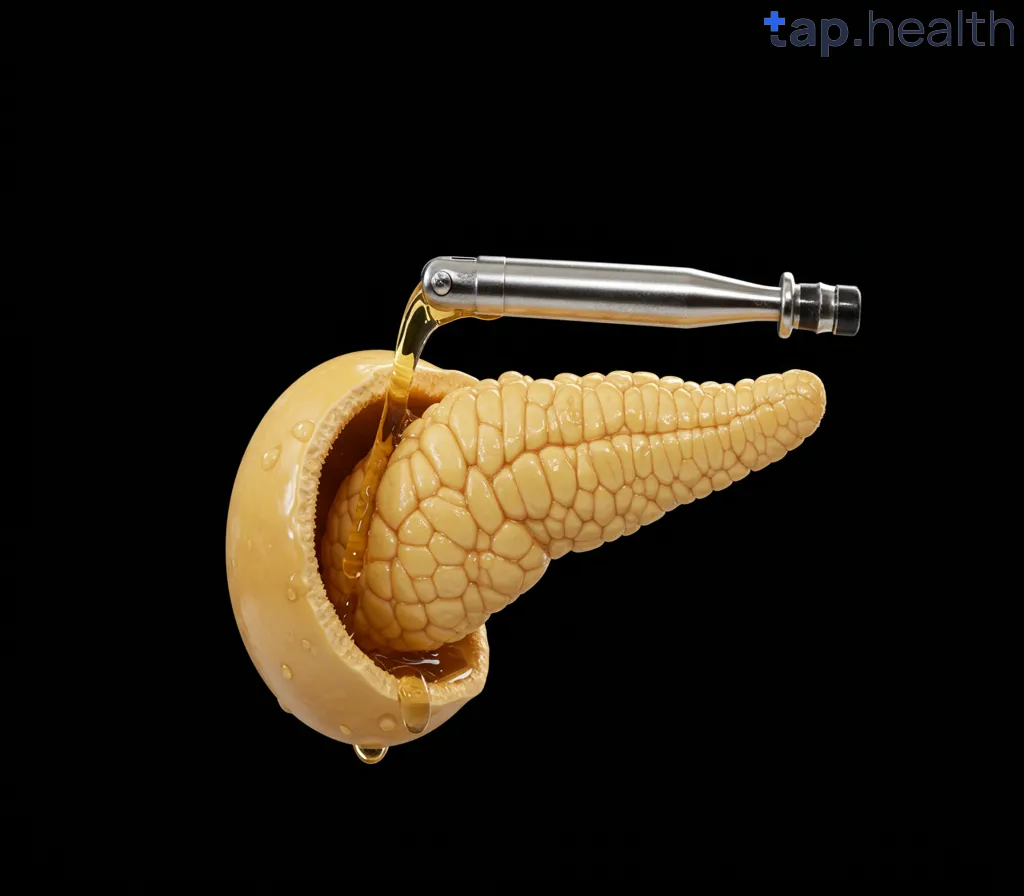
The pancreas is a vital organ in the human body that plays a crucial role in digestion and regulating blood sugar levels. One of its essential functions is the secretion of pancreatic juice, which contains digestive enzymes that help break down nutrients in the food we eat. But what exactly is pancreatic juice, and why is it important? In this article, we’ll explore the role of pancreatic juice, its components, and how it aids in digestion.
Additionally, we’ll clarify which “juices” are secreted by the pancreas, separating fact from misconception. Read on to understand this vital bodily fluid and how it supports the digestive process.
What Is Pancreatic Juice?
Pancreatic juice is a clear, colorless fluid that is secreted by the pancreas, an organ located behind the stomach. The pancreas serves two main functions:
- Exocrine Function: Secretes pancreatic juice that contains enzymes to aid in digestion.
- Endocrine Function: Produces hormones like insulin and glucagon to regulate blood sugar levels.
Pancreatic juice is secreted by specialized cells in the pancreas called acinar cells. The juice is then released into the duodenum, the first part of the small intestine, where it works to neutralize stomach acid and assist in breaking down fats, proteins, and carbohydrates.
Components of Pancreatic Juice
Pancreatic juice is a complex mixture of water, electrolytes, and enzymes. Here are the main components:
1. Enzymes:
- Amylase: Breaks down carbohydrates into simple sugars.
- Lipase: Breaks down fats (lipids) into fatty acids and glycerol.
- Proteases (Trypsin and Chymotrypsin): Breaks down proteins into amino acids.
- Nucleases: Breaks down nucleic acids (DNA and RNA).
2. Bicarbonate:
- Pancreatic juice is rich in bicarbonate ions (HCO₃�), which help neutralize the acidic chyme (partially digested food) coming from the stomach. This creates a slightly alkaline environment in the duodenum, which is optimal for the action of digestive enzymes.
How Does Pancreatic Juice Help with Digestion?
Pancreatic juice plays a pivotal role in the digestion of food. Here’s how it works:
- Neutralizing Stomach Acid: After food leaves the stomach, it is highly acidic. Pancreatic juice helps neutralize this acid, ensuring that the digestive enzymes in the small intestine can function properly.
- Breaking Down Nutrients: The enzymes in pancreatic juice break down carbohydrates, fats, proteins, and nucleic acids into smaller molecules that can be absorbed by the body. For example:
- Amylase breaks down starches into sugars like glucose.
- Lipase breaks down fats into fatty acids and glycerol, which are essential for energy storage and cellular function.
- Proteases break down proteins into amino acids, which are used to build muscle and repair tissues.
- Absorption: Once the nutrients are broken down, they are absorbed through the walls of the small intestine into the bloodstream, providing the body with essential nutrients for energy and growth.
What Juices Are Secreted by the Pancreas?
To clarify the misconception, the pancreas does not secrete “juices” in the way we typically think of fruit juices or other liquids we drink. The fluid secreted by the pancreas is pancreatic juice, which is an internal digestive fluid, not something you consume from an external source like fruit juices. This digestive fluid is essential for breaking down the food we eat and ensuring proper nutrient absorption.
While you might be wondering if the pancreas secretes any other types of “juices,” it’s important to understand that pancreatic juice is the primary secretion produced by the pancreas. It is composed of enzymes that assist in digestion and bicarbonate to neutralize stomach acid.
However, here’s a quick clarification on some common juices you might confuse with pancreatic juice:
- Fruit Juices (like orange, pineapple, etc.): These juices are produced by fruits, not the pancreas. They contain vitamins, minerals, and natural sugars but do not directly contribute to digestion in the way pancreatic juice does.
- Gastric Juice: Produced by the stomach, gastric juice contains hydrochloric acid and enzymes like pepsin to begin the process of protein digestion. It is different from pancreatic juice, which is secreted by the pancreas and works in the small intestine.
- Bile: Produced by the liver and stored in the gallbladder, bile is essential for digesting fats. While bile and pancreatic juice both assist in fat digestion, bile is secreted by the liver, not the pancreas.
The Role of Pancreatic Juice in Digestion
To summarize, pancreatic juice has the following functions in digestion:
1. Enzyme Activation:
- The digestive enzymes in pancreatic juice help break down food into smaller molecules that can be absorbed by the small intestine.
- These enzymes become active only when they reach the alkaline environment of the duodenum (small intestine), where they begin their work.
2. Alkalization:
- Pancreatic juice neutralizes the acidic chyme coming from the stomach, creating a suitable pH environment for digestion in the small intestine.
3. Fat Digestion:
- Pancreatic juice contains lipase, which helps break down fats into fatty acids and glycerol for absorption into the bloodstream.
4. Protein Digestion:
- Proteases, including trypsin and chymotrypsin, break down proteins into smaller peptides and amino acids, which are crucial for building muscles and tissues.
Conditions Affecting Pancreatic Juice Secretion
The secretion of pancreatic juice can be affected by certain conditions, leading to digestive issues. Some of the common problems include:
1. Pancreatitis:
- This is inflammation of the pancreas, often caused by excessive alcohol consumption or gallstones. Pancreatitis can disrupt the production and flow of pancreatic juice, leading to digestive problems and nutrient malabsorption.
2. Cystic Fibrosis:
- This genetic disorder can affect the pancreas and its ability to produce pancreatic juice. As a result, people with cystic fibrosis may have difficulty digesting food and absorbing nutrients.
3. Pancreatic Insufficiency:
- This condition occurs when the pancreas does not produce enough digestive enzymes or bicarbonate. It can lead to malnutrition, weight loss, and gastrointestinal symptoms like bloating and diarrhea.
Conclusion
The pancreas is a vital organ responsible for secreting pancreatic juice, which is essential for the digestion of fats, proteins, carbohydrates, and nucleic acids. Pancreatic juice contains enzymes like amylase, lipase, and proteases that help break down food into absorbable nutrients. This digestive fluid is secreted into the small intestine, where it works to neutralize stomach acid and support the absorption of essential nutrients.
While the pancreas does not secrete “juices” like fruit juices, its pancreatic juice is crucial for proper digestion and nutrient absorption. Understanding the role of pancreatic juice helps us appreciate the complexity of the digestive system and how our bodies process the foods we eat.
If you suspect any issues with pancreatic function, it’s essential to consult a healthcare provider to ensure optimal digestive health.