Diabetes is a chronic condition that affects millions of people worldwide, but there is hope. Many people are turning to lifestyle changes and dietary modifications to help manage and even reverse type 2 diabetes. One of the most popular approaches gaining attention is the 800-calorie diet.
If you’re wondering whether a diet with just 800 calories a day can help reverse diabetes, you’re not alone. In this article, we’ll explore what the 800-calorie diet is, how it works, the science behind it, its potential benefits, and risks, and whether it can truly help reverse diabetes. Let’s dive in!
What is an 800 Calorie Diet?
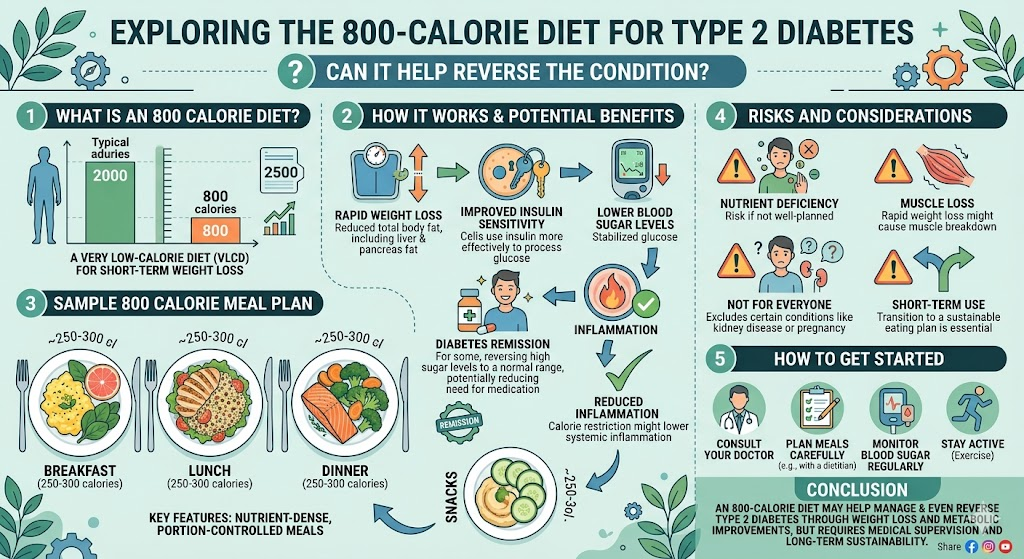
An 800-calorie diet is exactly what it sounds like: a diet that limits your daily caloric intake to 800 calories. This type of calorie restriction is typically much lower than the average person’s daily caloric needs, which is around 2,000–2,500 calories for an adult, depending on age, sex, and activity level.
How Does the 800 Calorie Diet Work?
The idea behind the 800-calorie diet is that reducing the number of calories you consume will help you lose weight, improve insulin sensitivity, and reduce blood sugar levels. This calorie restriction encourages your body to burn fat for energy, which can lead to weight loss and improvements in your metabolic health.
The 800-calorie diet often consists of a carefully planned, nutrient-dense menu that ensures you get the right balance of proteins, healthy fats, and fiber to keep you feeling full, while still keeping your calorie count low. The key is to consume foods that provide essential nutrients without exceeding the 800-calorie limit.
How Can an 800 Calorie Diet Help Reverse Diabetes?
The 800-calorie diet has shown promising results in managing and even reversing type 2 diabetes. Type 2 diabetes is characterized by high blood sugar levels due to the body’s inability to properly use insulin. The combination of weight loss and improved insulin sensitivity from a calorie-restricted diet can help lower blood sugar levels and, in some cases, even reverse the condition.
Here’s how the 800-calorie diet can work to reverse diabetes:
1. Improved Insulin Sensitivity
When you consume fewer calories, your body becomes more sensitive to insulin, which means it can process glucose more efficiently. This improved insulin sensitivity helps lower blood sugar levels and reduces the risk of complications associated with diabetes.
2. Significant Weight Loss
Losing excess weight is one of the most effective ways to manage type 2 diabetes. An 800-calorie diet typically leads to significant weight loss, which helps reduce the fat surrounding your liver and pancreas. This reduces insulin resistance, making it easier for your body to use insulin properly.
3. Lower Blood Sugar Levels
By reducing calorie intake, your body’s insulin production can stabilize, and your blood sugar levels may decrease. This makes the 800-calorie diet an effective tool in helping to manage blood sugar levels and potentially put diabetes into remission.
4. Reduction of Inflammation
Chronic inflammation is linked to insulin resistance and diabetes. By adopting a calorie-restricted diet, you can help reduce inflammation, which plays a key role in improving insulin sensitivity.
What Does the 800 Calorie Diet Look Like?
An 800-calorie diet typically consists of three balanced meals per day with portion-controlled servings. These meals focus on nutrient-dense foods to ensure you’re getting the necessary vitamins and minerals without exceeding the 800-calorie limit.
A Sample 800 Calorie Meal Plan for Diabetes
Here’s an example of what an 800-calorie meal plan might look like:
Breakfast (250-300 Calories):
- Scrambled eggs (2 large eggs) with spinach and a small amount of olive oil
- A small serving of fruit, such as half a grapefruit or a handful of berries
Lunch (250-300 Calories):
- Grilled chicken salad with mixed greens, cucumbers, tomatoes, and a low-calorie dressing (olive oil and vinegar)
- A small serving of whole grains like quinoa or brown rice
Dinner (250-300 Calories):
- Baked salmon or a vegetarian protein source like tofu
- Steamed vegetables (broccoli, cauliflower, or green beans)
- A small serving of roasted sweet potatoes or a low-carb vegetable like zucchini
Snack Options (Optional):
If you’re feeling hungry between meals, healthy, low-calorie snacks such as:
- A handful of almonds (around 10–12 nuts)
- Sliced cucumbers or bell peppers with hummus
- Greek yogurt with a few fresh berries
Each meal is designed to provide a good balance of protein, healthy fats, and fiber to keep you feeling full and satisfied.
Benefits of an 800 Calorie Diet for Diabetes
While restricting calories to just 800 a day may sound daunting, this diet can offer several benefits for people with type 2 diabetes. Below are some of the major benefits:
1. Weight Loss and Better Blood Sugar Control
The most obvious benefit of the 800-calorie diet is weight loss. Losing even 5-10% of your body weight can have a profound impact on blood sugar control. Weight loss improves insulin sensitivity, which means your body uses insulin more effectively, leading to better blood sugar control.
2. Improved Heart Health
People with diabetes are at a higher risk for heart disease. The 800-calorie diet can help reduce cardiovascular risk factors such as high blood pressure and cholesterol levels, further improving overall health.
3. Increased Energy Levels
After an initial adjustment period, many people report feeling more energized and less fatigued on a calorie-restricted diet. The reduction in excess weight can alleviate stress on your body, helping you feel more active.
4. Possible Diabetes Remission
Some research suggests that following a very low-calorie diet (like the 800-calorie plan) can help put type 2 diabetes into remission. Studies have shown that people who lose a significant amount of weight on a calorie-restricted diet can improve their insulin sensitivity and experience lower blood sugar levels, even without the need for medication.
5. Reduced Risk of Complications
By controlling blood sugar levels and improving overall metabolic health, the 800-calorie diet can reduce the risk of diabetes-related complications such as nerve damage, kidney disease, and heart problems.
Risks and Considerations of an 800 Calorie Diet
While the 800-calorie diet can offer significant benefits for diabetes management, it’s important to be aware of potential risks and considerations:
1. Nutrient Deficiency
A drastic reduction in calories can lead to nutrient deficiencies if the diet isn’t well-balanced. It’s important to ensure that the 800-calorie diet includes a variety of nutrient-dense foods, such as vegetables, lean proteins, and healthy fats, to meet your nutritional needs.
2. Possible Muscle Loss
Rapid weight loss can sometimes result in the loss of lean muscle mass, which can slow down metabolism. To prevent this, it’s essential to include protein-rich foods and strength training exercises to help maintain muscle.
3. Not Suitable for Everyone
The 800-calorie diet may not be appropriate for everyone. People with certain health conditions, including heart disease, kidney problems, or eating disorders, should avoid extreme calorie restriction. Always consult with a healthcare provider before starting a very low-calorie diet.
4. Sustainability
The 800-calorie diet is not meant to be followed long-term. It’s generally used for short-term weight loss and blood sugar control. Once you’ve reached your goal weight and blood sugar levels, a more sustainable eating plan should be adopted.
How to Get Started with the 800 Calorie Diet for Diabetes
If you’re interested in trying the 800-calorie diet to help manage or reverse your diabetes, here’s how to get started:
1. Consult with Your Doctor
Before starting any extreme diet, it’s essential to talk to your healthcare provider, especially if you’re on medication for diabetes. Your doctor can help guide you and monitor your progress to ensure the diet is safe and effective for you.
2. Plan Your Meals Carefully
An 800-calorie diet requires careful meal planning to ensure you get the necessary nutrients. Consider working with a registered dietitian to create a plan that fits your needs and preferences.
3. Monitor Your Blood Sugar Levels
It’s important to track your blood sugar levels regularly when following a calorie-restricted diet. This helps ensure that your blood sugar levels are within a safe range, and you can make adjustments if needed.
4. Stay Active
Exercise plays a key role in managing diabetes. Pair your 800-calorie diet with regular physical activity, including both cardio and strength training exercises, to maximize benefits.
Frequently Asked Questions (FAQs) on 800 Calorie Diet to Reverse Diabetes
1. Can I really reverse diabetes with an 800-calorie diet?
Yes, the 800-calorie diet has shown promise in reversing type 2 diabetes in some individuals by promoting significant weight loss and improving insulin sensitivity. However, results can vary, and it’s important to work closely with your doctor to monitor progress.
2. Is the 800-calorie diet safe for everyone with diabetes?
The 800-calorie diet is generally safe for people with type 2 diabetes who are looking to lose weight and improve blood sugar control, but it may not be suitable for everyone. Those with other health conditions or who are taking diabetes medications should consult with a healthcare provider before starting the diet.
3. What foods should I avoid on the 800-calorie diet for diabetes?
Avoid foods high in refined sugars, processed carbohydrates, and unhealthy fats. Focus on eating nutrient-dense foods, including vegetables, lean proteins, healthy fats, and low-GI whole grains.
4. How long should I follow the 800-calorie diet?
The 800-calorie diet is typically used for short-term weight loss and blood sugar control. It’s important to transition to a sustainable eating plan once you’ve reached your goals.
5. Will I feel hungry on an 800-calorie diet?
Initially, you may feel hungry as your body adjusts to the calorie restriction. However, if the diet is well-planned with nutrient-dense, high-fiber, and high-protein foods, it can help control hunger and keep you feeling full.
Conclusion
The 800-calorie diet can be an effective tool for managing and potentially reversing type 2 diabetes, especially when combined with a balanced approach to exercise and overall lifestyle. By improving insulin sensitivity, promoting weight loss, and stabilizing blood sugar levels, this diet can help you take control of your health. However, it’s essential to approach this diet cautiously, ensuring that it’s tailored to your individual needs, and always consult your healthcare provider before making significant dietary changes.