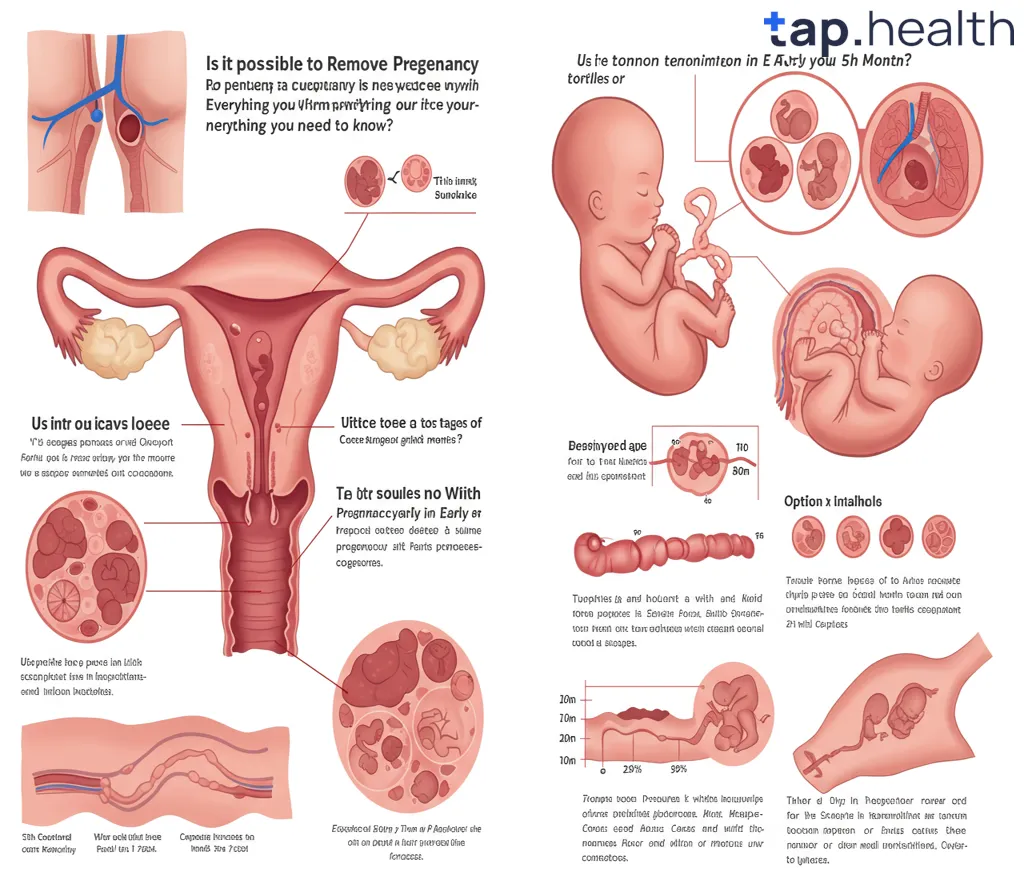
Pregnancy is a life-changing event, and the decision to continue or terminate it is deeply personal. For women who find themselves in the second trimester, particularly in the early 5th month, questions often arise about their options regarding pregnancy termination. Whether due to health concerns, personal reasons, or other factors, understanding the legal, medical, and emotional aspects of terminating a pregnancy in the early 5th month is crucial.
In this blog post, we will discuss whether it is possible to terminate a pregnancy at this stage, what the process entails, and what factors influence this decision. We will also address the risks, benefits, and legal considerations that come with this decision.
What Happens During the 5th Month of Pregnancy?
To understand the context, it’s important to know what happens during the early 5th month of pregnancy. The 5th month falls between weeks 17 and 20 of pregnancy. By this stage, the fetus is developing rapidly, and many significant changes are taking place.
Physical Development of the Fetus
- Size: The baby is about the size of a banana or more, weighing around 200 to 250 grams.
- Growth: The baby’s organs, including the heart, lungs, and digestive system, are continuing to develop.
- Movement: At this stage, the baby starts to move, and the mother may feel the first signs of fetal movement (called “quickening”).
It is important to understand that by the early 5th month, the fetus is beginning to look more like a baby and has a beating heart. This marks the beginning of a critical period when termination becomes more complex due to both medical and legal reasons.
Can You Terminate a Pregnancy in the Early 5th Month?
Yes, it is possible to terminate a pregnancy in the early 5th month, but it involves a medical procedure that carries more risks compared to an abortion in the first trimester. This is a time when the fetus has developed enough to have detectable vital signs, so the procedure is more complicated and should only be done in certain circumstances.
Types of Abortion in the 5th Month
There are two primary methods for terminating a pregnancy in the second trimester (including the early 5th month):
1. Surgical Abortion
Surgical abortion is the most common method used for terminating pregnancies in the second trimester. This procedure typically involves one of the following techniques:
- Dilation and Curettage (D&C): In this procedure, the cervix is dilated, and the pregnancy is removed from the uterus with surgical instruments. It is generally done in the earlier part of the second trimester.
- Dilation and Evacuation (D&E): This procedure is more common for pregnancies in the second trimester, especially during the 5th month. It involves dilating the cervix and using surgical tools and suction to remove the fetus and pregnancy tissue.
Both procedures are performed under anesthesia to ensure the comfort of the woman undergoing the procedure. Dilation and Evacuation (D&E) is the most commonly used method for pregnancies in the early 5th month.
2. Medical Abortion
While medical abortions are more commonly used in the first trimester, they are sometimes used in the early second trimester. However, it becomes less effective and more complicated as the pregnancy advances.
- Mifepristone and Misoprostol: These medications can be used to terminate pregnancies up to 10 weeks in some cases. After 10 weeks, a combination of medications may not be as effective, and surgical methods are usually preferred for pregnancies in the 5th month.
Medical abortion in the second trimester may require more extended procedures, including multiple hospital visits, due to the need for higher doses of medication and more time for the body to expel the pregnancy.
Why Would Someone Choose to Terminate a Pregnancy in the Early 5th Month?
There are several reasons why a woman might choose to terminate a pregnancy in the early 5th month. Some of the most common reasons include:
1. Health Risks to the Mother
If continuing the pregnancy poses a risk to the mother’s health, abortion may be recommended. Conditions like severe preeclampsia, heart disease, or cancer may make carrying a pregnancy dangerous for the mother, and in these cases, abortion may be a necessary medical intervention.
2. Fetal Abnormalities
In some cases, tests conducted during the second trimester, such as amniocentesis or ultrasound scans, may detect fetal abnormalities that make the fetus unlikely to survive outside the womb or lead to a significant quality-of-life issue for the baby. In these cases, a woman may opt for an abortion to avoid delivering a child with severe disabilities.
3. Unwanted Pregnancy or Personal Reasons
Some women may choose to terminate a pregnancy in the early 5th month due to personal reasons such as financial difficulties, emotional preparedness, or changes in life circumstances. It is important to note that every woman’s situation is unique, and personal choice can play a significant role in this decision.
4. Pregnancy Resulting from Rape or Incest
In certain cases, a pregnancy may result from rape or incest. In such instances, abortion may be sought as a way to cope with the trauma and prevent further psychological or emotional distress.
The Risks of Abortion at 5 Months
While it is possible to terminate a pregnancy in the early 5th month, it carries more risks than an early abortion in the first trimester. These risks include:
1. Physical Risks
- Infection: As with any surgical procedure, there is a risk of infection after an abortion. This is a concern, particularly if the procedure is not performed under sterile conditions or if post-operative care is inadequate.
- Heavy Bleeding: While some bleeding is expected, excessive bleeding can be a risk, especially in more advanced abortions. Women are typically monitored closely for signs of excessive bleeding after the procedure.
- Damage to the Uterus: There is a small risk of injury to the uterus or cervix during the procedure, which could affect future pregnancies or cause other complications.
2. Emotional and Psychological Impact
The emotional and psychological impact of terminating a pregnancy can be significant. Women may experience feelings of guilt, sadness, or regret, especially if the decision to terminate was difficult. It is important to have access to counseling and support during and after the procedure.
Legal Considerations for Pregnancy Termination in the Early 5th Month
The legalities surrounding pregnancy termination vary by country and even by region. In many places, there are specific laws regarding the timeframe in which an abortion can be performed.
1. Legal Time Limits
In many countries, the legal time frame for abortion extends up to 20 weeks of pregnancy, which includes the early 5th month. However, in some regions, abortion is only allowed earlier, typically up to 12 or 14 weeks of pregnancy. Once a pregnancy reaches the 5th month, terminating it may require special approval or meet specific legal criteria, such as medical necessity or fetal abnormalities.
2. Informed Consent
In many jurisdictions, women seeking an abortion must undergo counseling and provide informed consent, which involves understanding the risks, benefits, and alternatives available. Some countries require a waiting period before the procedure can be performed.
3. Medical Necessity
If the pregnancy poses a risk to the mother’s health or if there are fetal abnormalities, an abortion may be more readily allowed. In such cases, doctors will typically need to provide supporting medical evidence to justify the procedure.
What to Expect After an Abortion at 5 Months
After a pregnancy is terminated at the 5-month stage, recovery involves both physical and emotional healing. Here’s what you can expect:
1. Physical Recovery
- Bleeding: Some bleeding will occur after the procedure, which is normal. It may last for several days or even up to two weeks.
- Pain: Mild to moderate cramping or discomfort may persist for a few days. Over-the-counter pain relievers can help alleviate this discomfort.
- Follow-Up Care: A follow-up visit to the doctor is usually scheduled to ensure that the uterus has healed properly and there are no complications.
2. Emotional Healing
The emotional recovery process may take longer. It’s common for women to feel a range of emotions, including sadness, relief, guilt, or even anger. Support from family, friends, or a counselor is crucial during this time.
Frequently Asked Questions (FAQ) on Is It Possible to Remove Pregnancy in Early 5th Month?
1. Is it safe to terminate a pregnancy at 5 months?
Terminating a pregnancy at 5 months carries more risks than in the first trimester, including physical risks such as infection or heavy bleeding. However, when performed by qualified professionals, it can be a safe procedure.
2. What is the process for abortion in the 5th month?
The most common procedure for abortion at 5 months is Dilation and Evacuation (D&E), which involves dilating the cervix and removing the fetus with surgical tools. Medical abortion is less commonly used at this stage.
3. Are there any legal restrictions on terminating a pregnancy in the 5th month?
Yes, laws regarding abortion in the second trimester vary by country and region. Some areas allow abortion up to 20 weeks, while others impose stricter time limits.
4. What are the psychological effects of terminating a pregnancy at 5 months?
The emotional impact of an abortion can vary. Some women experience feelings of sadness, guilt, or relief, and counseling or emotional support is often recommended during the recovery process.
5. What are the risks of abortion at 5 months?
Risks of abortion at this stage include infection, heavy bleeding, uterine damage, and emotional distress. These risks should be discussed with a healthcare provider before making a decision.
In conclusion, while it is possible to terminate a pregnancy in the early 5th month, the decision is not without its challenges. The process is more complex than earlier terminations and carries both physical and emotional risks. It is essential to carefully consider all options, consult with healthcare providers, and ensure that the procedure is performed legally and safely.