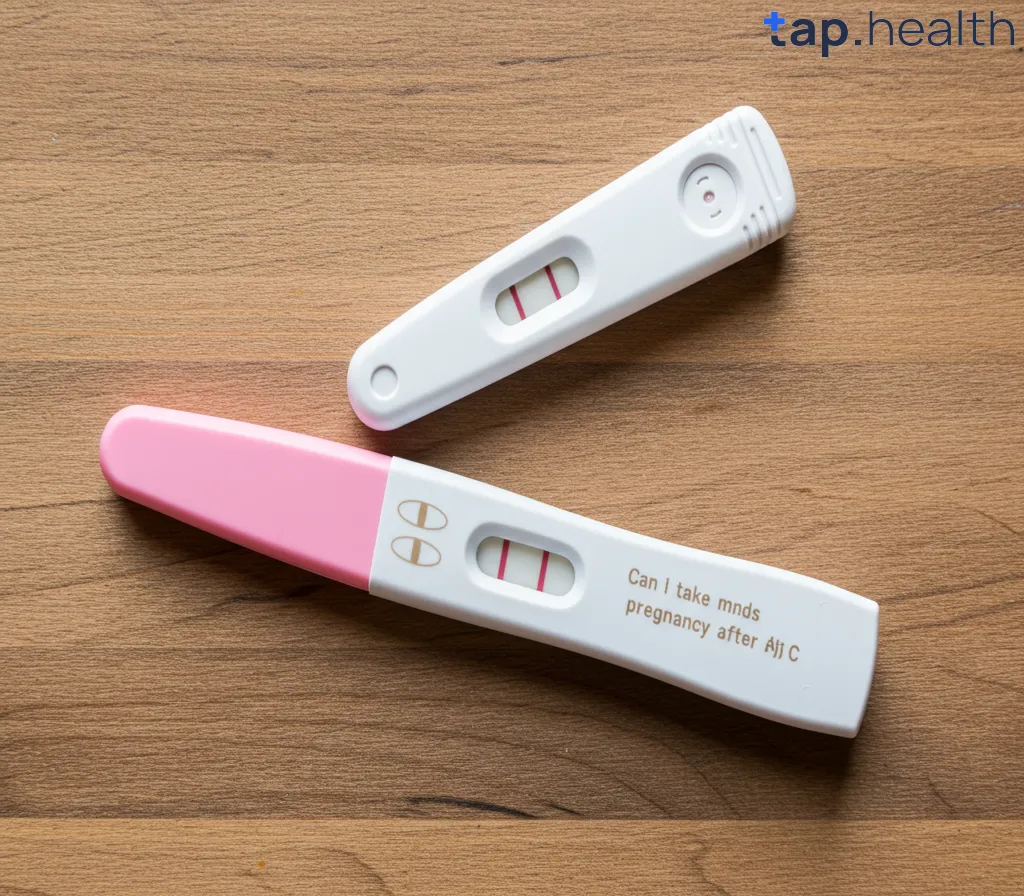
When you’re trying to figure out if you’re pregnant, one of the most common questions you might have is, “Can I take a pregnancy test on the 20th day after intercourse?” This is a question many women ask when they’ve had unprotected sex and want to know if they’re expecting.
In this blog, we will walk you through everything you need to know about taking a pregnancy test, the best time to take it for accurate results, and how the timing of intercourse affects the test. By the end of this guide, you’ll have a much clearer understanding of pregnancy tests and how to use them at the right time.
What Happens After Intercourse?
When a man’s sperm fertilizes a woman’s egg during intercourse, conception occurs. After fertilization, the newly formed embryo travels to the uterus, where it implants itself in the uterine lining. This process typically happens about 6–10 days after fertilization. Once implantation occurs, the body starts producing human chorionic gonadotropin (hCG), the hormone that pregnancy tests detect to confirm pregnancy.
It’s important to understand that hCG levels take time to rise in the body after implantation. This is why the timing of when you take a pregnancy test plays a critical role in getting accurate results.
Can I Take a Pregnancy Test on the 20th Day After Intercourse?
The Best Time to Take a Pregnancy Test
The ideal time to take a pregnancy test is at least 14 days after ovulation or the day you miss your period. For most women, this is usually the best time to test for a reliable result. However, it’s not always that straightforward. The 20th day after intercourse could be a good time to take a test depending on your cycle and when you ovulated.
Let’s break this down further:
1. Timing Matters
If you had intercourse around the time of ovulation, and fertilization took place, then around 20 days might be a good time to take a pregnancy test. By the 20th day after intercourse, the hCG hormone should have risen enough to show a positive result if you are pregnant. However, it could still be a little early for some women to get a clear result, especially if implantation occurred a little later.
2. Cycle Length and Ovulation
To better understand if the 20th day is appropriate for testing, consider your menstrual cycle. Ovulation typically occurs about 14 days before your next period. If your cycle is 28 days long, for instance, ovulation likely happened around day 14, meaning the 20th day is 6 days past ovulation. This is enough time for hCG levels to be detectable, assuming implantation occurred earlier.
If you have a longer cycle, say 30 or 32 days, ovulation could have occurred later, which may mean taking the test on the 20th day may be slightly too early. This is why waiting until you miss your period or testing on the 21st day or later after intercourse is ideal.
3. Type of Pregnancy Test
Some pregnancy tests are more sensitive than others. Tests that are marketed as early detection tests can often detect lower levels of hCG and may provide results a bit earlier. If you’re testing at 20 days after intercourse, using one of these sensitive tests might give you a more accurate result than a standard test.
How Pregnancy Tests Work
Pregnancy tests, whether home tests or blood tests, detect hCG (human chorionic gonadotropin) in your urine or blood. This hormone is produced by the placenta after the fertilized egg attaches to the uterine wall.
1. Home Pregnancy Tests (Urine Tests)
Urine-based pregnancy tests are easy to use and commonly available at most pharmacies. They typically come with instructions, and you can perform them at home. The accuracy of a home test depends on:
- Timing: If you test too early, your hCG levels may not be high enough to detect.
- Sensitivity of the Test: Some tests detect hCG at lower levels, increasing the chances of getting an early positive result.
- Urine Concentration: The best time to test is in the morning when your urine is more concentrated.
2. Blood Pregnancy Tests
A blood test is performed at a doctor’s office and can detect pregnancy earlier than a urine test. Blood tests can measure hCG levels and detect pregnancy around 10 days after ovulation. This makes them more sensitive but requires a visit to your healthcare provider.
When is the Earliest You Can Take a Pregnancy Test?
For most women, the earliest you can take a reliable pregnancy test is about 10 days after ovulation (or approximately 10-12 days after intercourse, depending on ovulation timing). However, if you test earlier than this, you risk getting a false negative result, as your hCG levels may not be high enough for the test to detect.
If you’re anxious about the results, it’s best to wait until the first day of your missed period or about 14–15 days after ovulation for the most accurate result.
How Accurate Are Pregnancy Tests After 20 Days?
After 20 days, your pregnancy test should be highly accurate if you are pregnant. The accuracy of a pregnancy test improves the longer you wait after intercourse, and by day 20, if you’re pregnant, the hCG levels should be high enough for most home pregnancy tests to detect.
If you take the test around this time and get a negative result but still suspect you’re pregnant, it’s recommended to wait a few more days and test again. In some cases, hCG levels may not rise quickly enough to be detected on the first test.
Can a Pregnancy Test Be Negative 20 Days After Intercourse?
Yes, it’s possible for a pregnancy test to be negative at 20 days after intercourse, especially if:
- Ovulation occurred later: If you ovulated later than usual, implantation might have occurred later, and it might take a few more days for hCG levels to rise.
- You tested too early: Some women may not produce detectable levels of hCG by day 20, especially if they have longer cycles or irregular ovulation.
If you get a negative result and still think you’re pregnant, wait a few more days and test again. If you continue to get negative results but still miss your period, it’s a good idea to see a doctor for a blood test or further evaluation.
Factors That Can Affect Pregnancy Test Accuracy
- Timing of the Test: Testing too early before implantation has occurred or before hCG levels are detectable can result in a false negative.
- Sensitivity of the Test: Some pregnancy tests are more sensitive than others. Check the packaging for information on how early the test can detect pregnancy.
- Urine Concentration: Testing with concentrated urine (morning urine is often best) helps improve accuracy.
- Expired Tests: Always check the expiration date on the box. An expired test may give inaccurate results.
When Should I See a Doctor?
If you’re still unsure about your pregnancy status after taking a home test, it’s always a good idea to consult with a healthcare professional. A blood test is the most accurate way to confirm pregnancy, and your doctor can also help you determine when the best time is to test.
1. Missed Period with Negative Results
If you miss your period but keep getting negative results, a doctor can help determine the cause or run additional tests.
2. Symptoms of Pregnancy
If you experience common pregnancy symptoms such as fatigue, nausea, or breast tenderness, but your test is negative, see a doctor for further evaluation.
Frequently Asked Questions (FAQs) on Can I Take a Pregnancy Test on the 20th Day After Intercourse?
1. Can I take a pregnancy test 15 days after intercourse?
Yes, you can take a pregnancy test 15 days after intercourse. However, it’s important to keep in mind that the accuracy improves the closer you are to the day of your expected period.
2. How soon can I take a pregnancy test after ovulation?
You can take a pregnancy test 10–14 days after ovulation. If you take the test too early, it may not give you an accurate result.
3. What if my pregnancy test is negative, but my period is late?
If your period is late but the test is negative, wait a few more days and test again. If you’re still unsure, consult your doctor for a blood test or further evaluation.
4. Can a pregnancy test be negative on day 20 and still be positive later?
Yes, it’s possible. If you took a test too early or if your hCG levels are still rising, you may get a negative result on day 20 and a positive one later.
5. Are early detection pregnancy tests more reliable?
Yes, early detection pregnancy tests are more sensitive and can detect pregnancy earlier, but they still work best if taken after the expected period.
Read this : Can I Use Itraconazole During Pregnancy? Risks, Safety, and Guidelines
In conclusion, 20 days after intercourse is generally an acceptable time to take a pregnancy test, especially if you have regular cycles and ovulated around the time of intercourse. However, waiting until after your missed period will give you the most reliable results. If you’re uncertain, consult your doctor for further testing and guidance.