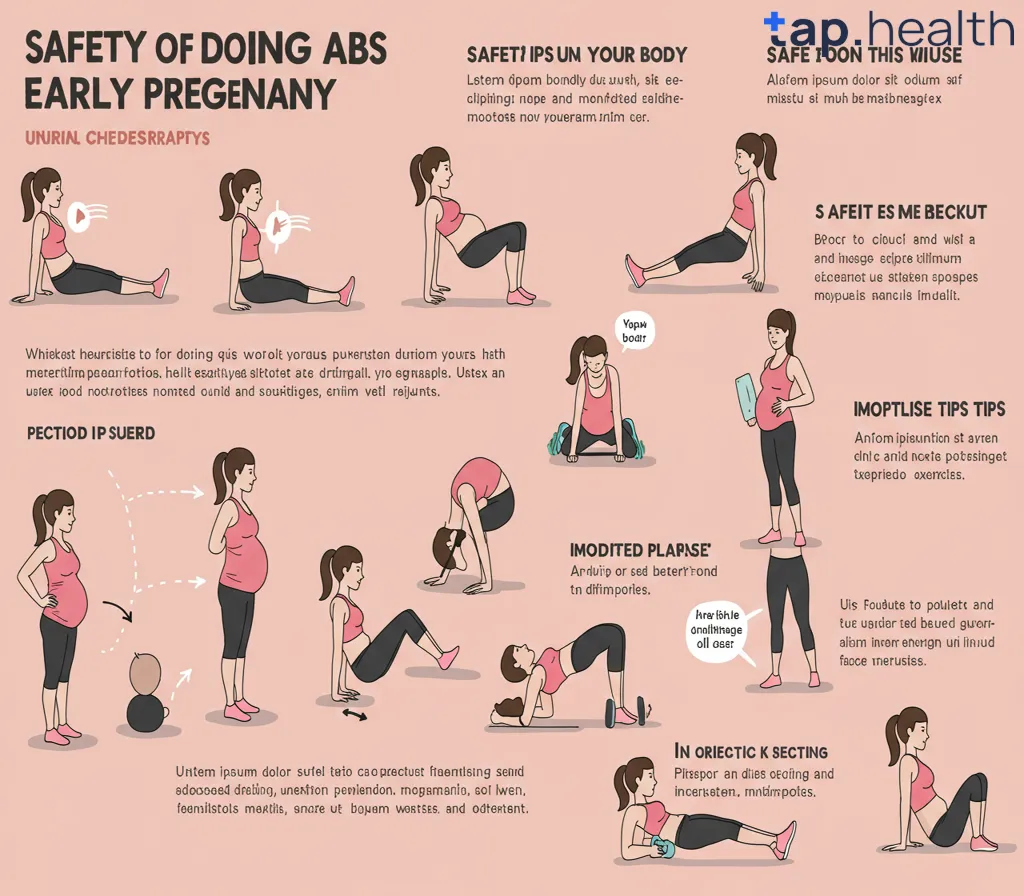
Pregnancy is a beautiful but often confusing time, especially when it comes to fitness. You might be wondering, can I do abs workouts during the initial pregnancy period? Is it safe to continue your regular workout routine, or should you modify it as your body changes? These are important questions for every expecting mother, as exercise plays a crucial role in maintaining health and well-being during pregnancy.
In this blog, we will explore the safety of abs workouts during early pregnancy, the benefits of staying active, and guidelines on how to do it safely.
Is It Safe to Do Abs Workouts During Early Pregnancy?
The good news is that, in most cases, doing abs workouts during early pregnancy is safe, provided that you take the right precautions. Early pregnancy refers to the first trimester, which lasts for about the first 12 weeks of pregnancy. During this time, your body is adjusting to the changes caused by the growing baby, and certain exercises may need to be modified or avoided.
Why Exercise Is Important During Pregnancy
Before we dive into the specifics of abs workouts, it’s essential to understand the importance of exercise during pregnancy. Regular physical activity can help:
- Boost energy levels and fight fatigue
- Improve mood and reduce stress
- Improve circulation and prevent swelling
- Promote better sleep
- Help manage weight gain during pregnancy
- Enhance flexibility and improve posture
Exercise can also help prepare your body for labor and delivery, which is why staying active is encouraged. However, as with any fitness regimen, the intensity and type of exercise should be appropriate for your body’s condition during pregnancy.
Abs Workouts During Early Pregnancy: What You Need to Know
When it comes to abs workouts in early pregnancy, there are a few key things to keep in mind. While you might be eager to maintain your toned abs, your focus during pregnancy should be on staying fit and maintaining a healthy pregnancy rather than on intense abdominal exercises.
1. Avoid High-Impact and Strenuous Core Exercises
While some women may feel fine continuing intense core exercises, such as crunches, sit-ups, or leg raises, it’s important to modify these movements during early pregnancy. These exercises can put undue pressure on the abdominal muscles, especially as your body starts to undergo physical changes. Additionally, high-impact exercises may cause discomfort, especially as your body adjusts to the hormonal changes.
2. Focus on Gentle Core Engagement
Instead of doing traditional abs exercises, focus on gentle core engagement. These exercises will help you activate your core muscles without overexerting yourself. Here are a few modified exercises that are safer for early pregnancy:
- Pelvic Tilts: This exercise helps strengthen the lower abs and improve posture.
- Cat-Cow Pose: A yoga move that stretches and strengthens your back and core.
- Side-Lying Leg Raises: A low-impact exercise that targets the obliques.
- Standing Core Activation: Stand tall and tighten your core muscles while breathing deeply. This will activate your deep abdominal muscles gently.
These modifications allow you to maintain core strength and flexibility without putting too much strain on your body during pregnancy.
What Are the Benefits of Doing Abs Workouts During Pregnancy?
Abs workouts, when done safely, can offer several benefits for both you and your baby. Here are some of the key benefits of engaging in light core exercises during early pregnancy:
1. Improved Posture
As your pregnancy progresses, the weight of your growing baby can shift your center of gravity. This can lead to back pain and poor posture. By keeping your core strong, you support your spine and maintain better posture, which can help prevent discomfort during pregnancy.
2. Reduced Back Pain
Strengthening your abdominal muscles helps support your lower back. This can be particularly helpful during pregnancy when the extra weight from the baby can lead to back pain. By engaging in safe core exercises, you reduce the risk of back pain and discomfort.
3. Better Balance and Stability
A strong core plays a crucial role in improving your balance and stability. Pregnancy can sometimes make you feel unsteady as your body changes, but by doing light abs exercises, you can maintain your balance and avoid falls.
4. Preparation for Labor and Delivery
A strong core is essential during labor. The muscles you work in abdominal exercises will help with pushing during delivery. While you don’t need to do intense ab exercises, keeping your core active can make your muscles more resilient for the demands of labor.
Tips for Doing Abs Workouts Safely During Pregnancy
Here are some important tips to ensure that you stay safe while doing abs workouts during pregnancy:
1. Always Listen to Your Body
During pregnancy, your body may react differently to exercise, so it’s crucial to pay attention to how you feel. If you experience pain, dizziness, or shortness of breath, stop the exercise immediately and consult your healthcare provider. Modify exercises to suit your comfort level.
2. Avoid Lying on Your Back After the First Trimester
Lying on your back for extended periods can compress the vena cava, the major vein that carries blood back to your heart. This can cause dizziness and a drop in blood pressure, especially in the second and third trimesters. During the first trimester, lying on your back briefly for certain exercises is generally safe, but after that, you should avoid it.
3. Engage Your Pelvic Floor Muscles
While working on your abs, don’t forget about your pelvic floor muscles. These muscles play a significant role during pregnancy and childbirth. Engage in pelvic floor exercises (Kegels) along with your core workouts to strengthen this important muscle group.
4. Warm-Up and Cool Down
Always warm up before exercising and cool down afterward. This will prepare your muscles and prevent strain or injury. Consider doing gentle stretches or yoga poses to loosen up your body.
Which Abs Workouts Should I Avoid During Early Pregnancy?
Certain exercises should be avoided in early pregnancy as they may pose risks to you and your baby. These include:
- Traditional Crunches: These put too much pressure on the abdominal muscles and can lead to discomfort or strain.
- Sit-Ups: Like crunches, sit-ups can strain the core and may not be suitable for pregnancy.
- High-Impact Workouts: Any exercise that involves jumping, sudden movements, or a lot of bouncing should be avoided, as it could cause injury.
- Lying on Your Back for Long Periods: As discussed earlier, lying on your back during exercise can be dangerous, especially after the first trimester.
Frequently Asked Questions (FAQs) on Can I Do Abs Workouts During Early Pregnancy?
1. Can I Do Abs Workouts in the First Trimester?
Yes, you can do gentle abs workouts in the first trimester. Focus on low-impact exercises like pelvic tilts and core activation techniques that are gentle on your body.
2. When Should I Stop Doing Abs Workouts During Pregnancy?
You can continue doing safe core exercises throughout your pregnancy, but after the first trimester, avoid exercises that require lying on your back. Always listen to your body, and consult your doctor if you feel any discomfort.
3. Are There Any Risks of Doing Abs Workouts During Pregnancy?
If done incorrectly or too intensely, abs workouts can lead to strain or injury. Avoid overexerting yourself, and always modify exercises to suit your comfort level. Consult your doctor before starting any workout routine.
4. What Are Some Alternatives to Abs Workouts During Pregnancy?
Instead of traditional abs exercises, you can try activities like prenatal yoga, swimming, or walking. These exercises are safe and help maintain overall fitness while keeping you comfortable during pregnancy.
5. Can Doing Abs Workouts During Pregnancy Help with Postpartum Recovery?
Yes! A strong core can aid in your postpartum recovery by helping to strengthen the muscles used during childbirth. However, always give your body time to heal before resuming intense workouts after delivery.
Conclusion
In the early stages of pregnancy, it is generally safe to do abs workouts as long as you keep them gentle and low-impact. Focusing on exercises that engage your core without putting too much pressure on it will help you stay fit and active. Always listen to your body, and modify exercises as necessary to ensure your comfort and safety. Consult your healthcare provider if you have any doubts or concerns about exercising during pregnancy. Staying active and maintaining a strong core will help you feel better and prepare for the challenges of childbirth while keeping both you and your baby healthy.