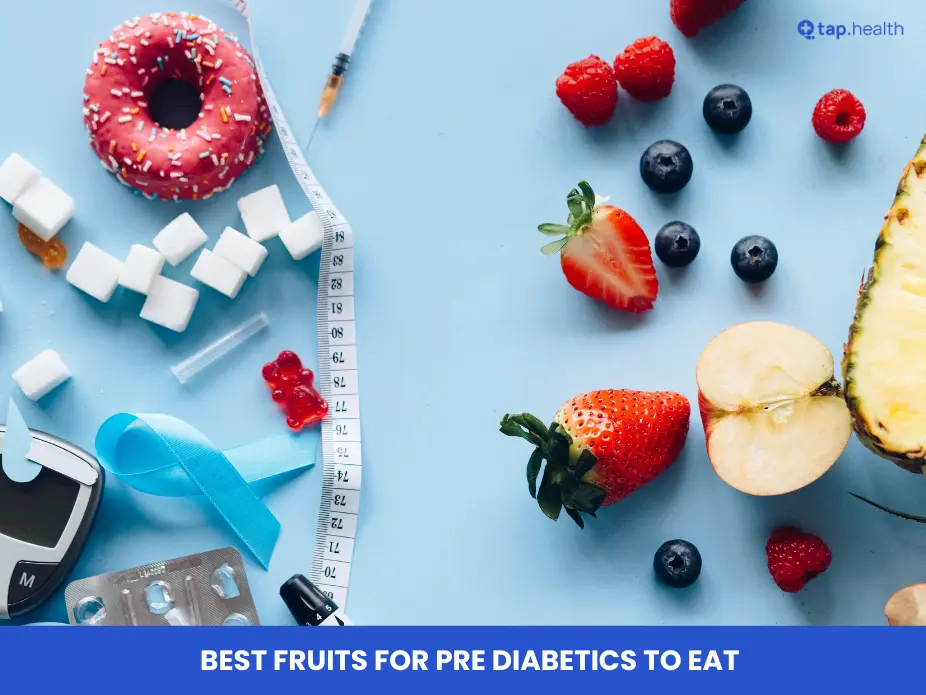
Managing prediabetes is crucial to prevent the progression to type 2 diabetes, and choosing the right fruits plays a significant role in this process. Fruits are packed with essential nutrients like vitamins, minerals, and fiber, but not all fruits are equal when it comes to blood sugar control. This blog explores the best fruits for pre-diabetics, how they impact blood sugar, and practical ways to include them in a balanced diet.
What Is Prediabetes?
Prediabetes is a condition where blood sugar levels are higher than normal but not yet at the threshold for type 2 diabetes. It’s a warning sign, increasing the risk of diabetes, heart disease, and stroke. According to the CDC, about 88 million American adults have prediabetes, often without noticeable symptoms.
Key Risk Factors:
- Overweight or obesity
- Sedentary lifestyle
- Age (risk increases after 45)
- Family history of diabetes
- Certain ethnicities (e.g., African Americans, Hispanics)
- History of gestational diabetes or PCOS
Symptoms:
- Increased thirst
- Frequent urination
- Fatigue
- Blurred vision
- Slow-healing sores
Since prediabetes is often silent, regular screening is vital, especially for those with risk factors.
How Fruits Impact Blood Sugar
Fruits contain natural sugars, primarily fructose, which can affect blood glucose levels. Understanding their impact helps pre-diabetics make informed choices.
Glycemic Index (GI) and Glycemic Load (GL)
- GI: Measures how quickly a food raises blood sugar. Low-GI fruits (GI ≤ 55) are ideal as they cause gradual increases.
- GL: Accounts for both GI and carbohydrate content per serving. A GL of 10 or less is best for blood sugar control.
Importance of Fiber
High-fiber fruits slow sugar absorption, preventing spikes in blood glucose. Soluble fiber, found in fruits like apples and pears, is particularly effective.
Portion Control
Even low-GI fruits can raise blood sugar if overeaten. Stick to recommended serving sizes to maintain balance.
Natural vs. Added Sugars
Whole fruits contain fiber and nutrients that mitigate sugar’s impact, unlike added sugars in processed foods, which cause rapid blood sugar spikes.
Read this : 20 Best Foods for People with Diabetes
Top Benefits of Fruits for Pre-Diabetics
Fruits offer multiple health benefits, making them a valuable part of a prediabetes diet:
- Nutrient-Dense: Provide vitamins (e.g., vitamin C in oranges) and minerals (e.g., potassium in bananas).
- Antioxidants: Reduce inflammation and improve insulin sensitivity (e.g., anthocyanins in berries).
- Fiber: Promotes satiety, aids digestion, and stabilizes blood sugar.
- Heart Health: Support cardiovascular health with potassium and healthy fats (e.g., avocados).
- Weight Management: Low-calorie, high-fiber fruits help maintain a healthy weight.
- Gut Health: Fiber supports a healthy gut microbiome, linked to better blood sugar control.
Best Fruits for Pre-Diabetics
Here are the top fruits for pre-diabetics, chosen for their low GI, high fiber, and nutrient content:
1. Berries (Strawberries, Blueberries, Raspberries, Blackberries)
- Why They’re Great: Low GI, high in fiber and antioxidants like anthocyanins.
- Benefits: Improve insulin sensitivity, reduce inflammation, support heart health.
- Serving Tip: Add to yogurt or oatmeal for a balanced snack.
2. Apples
- Why They’re Great: Rich in soluble fiber (pectin) and low GI.
- Benefits: Promote satiety, support digestion, regulate blood sugar.
- Serving Tip: Eat with the skin for maximum fiber; pair with almond butter.
3. Pears
- Why They’re Great: Low GI, high in fiber and vitamin C.
- Benefits: Support heart health, aid digestion, manage blood pressure.
- Serving Tip: Slice into salads or eat as a snack.
4. Cherries
- Why They’re Great: Low GI, rich in antioxidants like anthocyanins.
- Benefits: Reduce inflammation, improve insulin sensitivity.
- Serving Tip: Enjoy fresh or frozen in smoothies.
5. Oranges
- Why They’re Great: High in fiber and vitamin C, low GI.
- Benefits: Support immune health, promote hydration.
- Serving Tip: Eat whole oranges instead of juice to retain fiber.
6. Avocados
- Why They’re Great: Low in sugar, high in healthy fats and fiber.
- Benefits: Support heart health, improve cholesterol levels.
- Serving Tip: Add to salads or spread on whole-grain toast.
7. Kiwi
- Why They’re Great: Low GI, high in vitamin C and fiber.
- Benefits: Aid digestion, support immune health.
- Serving Tip: Blend into smoothies or eat fresh.
Fruits to Eat in Moderation
Some fruits have higher sugar content or GI and should be consumed sparingly:
- Watermelon: High GI; eat small portions with protein or fat.
- Pineapple: High sugar; limit to small servings.
- Mango: Sweet and high GI; enjoy in moderation.
- Bananas: Moderate GI; choose smaller bananas and pair with nuts.
- Dried Fruits: High in sugar; opt for unsweetened varieties in small amounts.
- Fruit Juices: Lack fiber, causing quick blood sugar spikes; choose whole fruits instead.
How to Incorporate Fruits into a Pre-Diabetes Diet
Serving Sizes
- Aim for 2–4 servings daily (e.g., one medium apple, ½ cup berries).
- Choose fresh or frozen fruits without added sugars.
Timing
- Spread fruit intake throughout the day to avoid blood sugar spikes.
- Example: Berries with breakfast, an apple as a snack, a pear with lunch.
Pairing with Protein or Fat
- Combine fruits with protein or healthy fats to stabilize blood sugar.
- Examples: Apple with peanut butter, berries with Greek yogurt.
Creative Ways to Enjoy Fruits
- Smoothies: Blend berries with unsweetened almond milk.
- Salads: Add oranges or strawberries to leafy greens.
- Desserts: Try baked apples with cinnamon or fruit salads.
- Frozen Treats: Freeze grapes or berries for a refreshing snack.
Sample Meal Plan for Pre-Diabetics
Breakfast: Oatmeal topped with blueberries and chia seeds. Snack: Apple slices with almond butter. Lunch: Grilled chicken salad with pears and walnuts. Snack: Greek yogurt with cherries. Dinner: Baked salmon, quinoa, steamed broccoli, and kiwi for dessert. Evening Snack: Avocado on whole-grain toast.
Diet Tips for Managing Prediabetes
- Choose Whole Grains: Opt for brown rice, quinoa, or oats.
- Include Lean Proteins: Chicken, fish, tofu, or legumes.
- Add Healthy Fats: Olive oil, nuts, seeds, or avocados.
- Limit Added Sugars: Avoid sodas, candies, and processed foods.
- Practice Portion Control: Use smaller plates and measure servings.
- Eat Regularly: Avoid skipping meals to maintain stable blood sugar.
- Stay Hydrated: Drink at least 8 glasses of water daily.
- Monitor Carbs: Choose low-GI carbs and track intake.
- Exercise Regularly: Aim for 150 minutes of moderate activity weekly.
- Consult a Dietitian: Get personalized advice for your needs.
Lifestyle Changes for Better Blood Sugar Control
- Exercise: Engage in activities like walking or cycling to improve insulin sensitivity.
- Weight Management: Losing 5–10% of body weight reduces diabetes risk.
- Stress Reduction: Practice yoga or meditation to lower stress hormones.
- Sleep: Aim for 7–9 hours of quality sleep nightly.
- Monitor Blood Sugar: Use a glucose meter to track responses to foods.
Common Myths About Fruits and Prediabetes
- Myth: All fruits are bad for blood sugar. Fact: Low-GI fruits like berries and apples are beneficial in moderation.
- Myth: Fruit juices are healthy. Fact: Juices lack fiber and spike blood sugar; choose whole fruits.
- Myth: Avoid fruits if you have prediabetes. Fact: Fruits are nutrient-rich and can be part of a balanced diet.
FAQ: Best Fruits for Pre-Diabetics
1. Can pre-diabetics eat fruits?
Yes, pre-diabetics can eat fruits, especially low-GI options like berries, apples, and pears. Monitor portions and pair with protein or fat for better blood sugar control.
2. What are the best fruits for type 1 diabetes?
Low-GI fruits like berries, apples, and oranges are ideal. Monitor blood sugar and adjust insulin doses with a healthcare provider’s guidance.
3. What are the best fruits for type 2 diabetes?
Berries, cherries, apples, and citrus fruits are excellent due to their low GI and high fiber content, supporting insulin sensitivity and weight management.
4. What are the best foods for prediabetes control?
Include low-GI fruits, whole grains, lean proteins, healthy fats, and non-starchy vegetables. Avoid processed foods and added sugars for optimal blood sugar management.
Conclusion
Choosing the best fruits for pre-diabetics involves selecting low-GI, high-fiber options like berries, apples, and avocados while practicing portion control. Pairing fruits with protein or healthy fats and incorporating them into a balanced diet can help manage blood sugar effectively. Combine these dietary choices with lifestyle changes like regular exercise and stress management for optimal prediabetes control. Always consult a healthcare provider or dietitian for personalized advice to suit your needs.