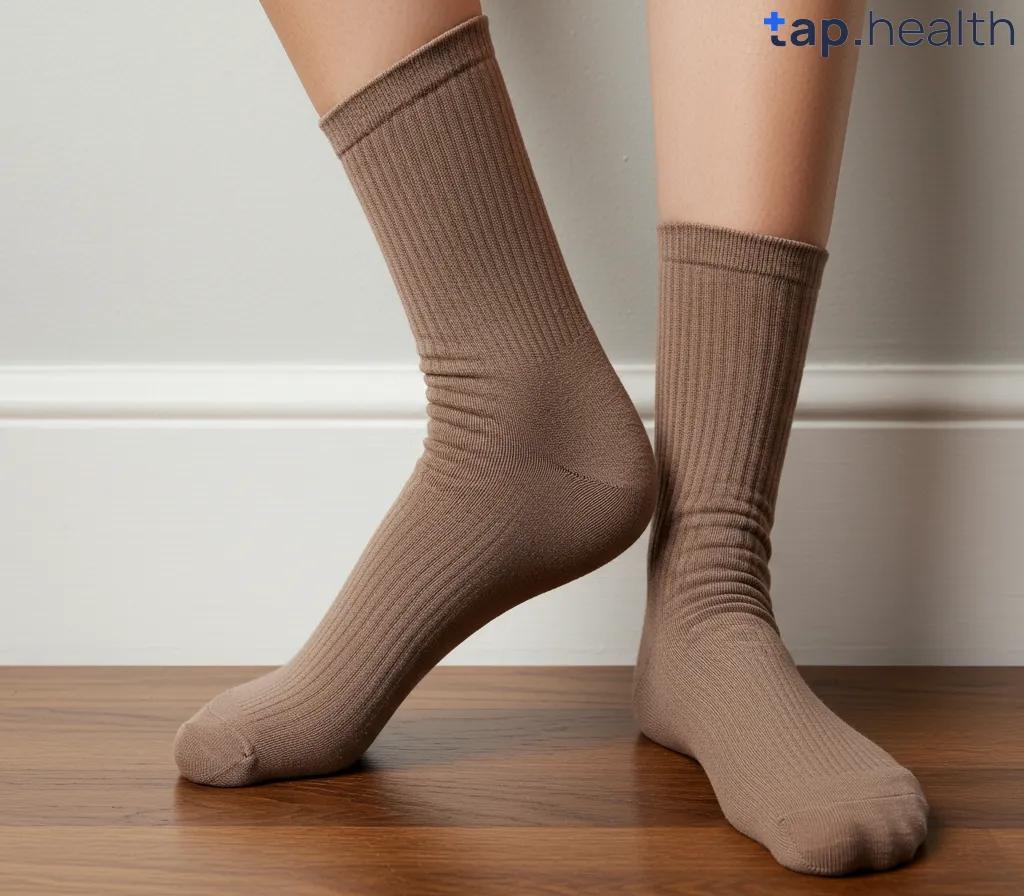
Pregnancy is full of changes—some you can see, like your growing belly, and others you feel, like swollen feet or achy legs. One simple yet effective tool that many pregnant women use to stay comfortable is compression socks .
If you’ve heard about them but aren’t sure “When should I start wearing compression socks during pregnancy?” or “Are they really necessary?” , this article is for you.
We’ll cover:
- The best time to start using compression socks
- Why they’re helpful during each trimester
- What they do and how they work
- How to choose the right pair
- And much more!
Let’s dive in so you can stay healthy and comfortable throughout your pregnancy.
What Are Compression Socks?
Compression socks are tight-fitting socks that apply gentle pressure to your legs and feet. They’re designed to improve blood flow, reduce swelling, and support your legs while standing or sitting.
They come in different levels of compression, usually labeled as:
- Light (8–15 mmHg)
- Moderate (15–20 mmHg)
- Firm (20–30 mmHg)
For most pregnant women, light to moderate compression is recommended unless your doctor tells you otherwise.
When Should You Start Wearing Compression Socks During Pregnancy?
There’s no one-size-fits-all answer, but here’s a general rule:
✅ Start wearing compression socks in the second trimester (weeks 13–27)
This is when many women begin to notice:
- Swelling in their feet and ankles
- Heaviness or aching in their legs
- Varicose veins starting to appear
However, if you have risk factors like:
- A history of blood clots
- High blood pressure
- Varicose veins
- Prolonged standing at work
You may be advised by your healthcare provider to start earlier—sometimes even in the first trimester .
The key is to listen to your body. If you’re already feeling discomfort or noticing swelling, it’s never too early to consider compression socks.
Why Compression Socks Are Important During Pregnancy
As your baby grows, your body goes through several changes that can affect your legs and feet. Here’s how compression socks help:
1. Reduces Swelling (Edema)
- As your uterus expands, it puts pressure on the veins in your pelvis , slowing blood flow from your legs.
- This causes fluid to build up in your feet and ankles.
- Compression socks gently push the blood upward, reducing swelling.
2. Improves Blood Circulation
- Poor circulation can lead to leg cramps , aches , and varicose veins .
- Compression socks help keep blood moving smoothly back to your heart.
3. Prevents Varicose Veins
- Varicose veins are enlarged, twisted veins that can hurt or itch.
- Compression helps reduce the pressure on your veins and prevents new ones from forming.
4. Supports Your Legs and Feet
- Pregnancy increases the production of relaxin , a hormone that loosens ligaments and joints.
- This can make your feet flatten slightly and cause foot pain .
- Compression socks offer extra support and comfort.
5. Helps Prevent Blood Clots
- In rare cases, deep vein thrombosis (DVT) can occur during pregnancy.
- Compression socks are often recommended for women at higher risk.
How Do Compression Socks Work?
Compression socks work by applying graduated pressure —the tightest part is at your ankle and gets looser as it moves up your leg.
This helps:
- Push blood upward toward your heart
- Reduce the chance of blood pooling in your legs
- Improve oxygen delivery to your muscles
Think of them like a gentle squeeze that keeps your blood flowing better and makes your legs feel lighter.
When Is the Best Time to Wear Compression Socks?
You don’t need to wear them all day every day, but there are times when they’re especially helpful:
| Standing for long periods (like at work) | All day |
| Traveling (by car, plane, or train) | For the duration of the trip |
| Feeling swollen or sore after a long day | Evening or bedtime |
| After exercise or walking | To help your legs recover |
| Lying down or resting | Not needed unless your doctor says so |
Always follow your healthcare provider’s advice if you have specific concerns.
How to Choose the Right Compression Socks for Pregnancy
Not all compression socks are created equal. Here’s what to look for:
1. Right Fit
- Make sure they fit snugly but not painfully tight.
- Look for sizes based on your calf circumference and sock length (ankle, knee-high, or thigh-high).
2. Comfortable Material
- Choose breathable fabrics like moisture-wicking cotton or spandex blends .
- Avoid rough or scratchy materials.
3. Light to Moderate Compression
- Most pregnant women only need 15–20 mmHg .
- Talk to your doctor if you need higher compression.
4. Easy to Put On and Take Off
- Look for open-toe or seamless styles if possible.
- Consider toe socks if you prefer open toes.
5. Washable and Durable
- Check if the socks are machine-washable and dry quickly.
- Avoid scented or harsh detergents that might irritate sensitive skin.
How to Put on Compression Socks Correctly
Putting on compression socks can be tricky because they’re tight, but here’s a simple way:
- Wash and dry your feet before putting them on.
- Roll the sock down to the heel first.
- Slide your foot into the sock and then roll it up slowly.
- Smooth out any wrinkles and make sure the sock fits evenly around your leg.
- Check for tightness —it should feel firm but not painful.
If you struggle, try using a sock aid or ask someone to help.
Can You Sleep in Compression Socks?
No, it’s not recommended to sleep in compression socks unless your doctor tells you to.
- At night, your legs are elevated, and blood flows naturally without needing extra pressure.
- Wearing them to bed can restrict blood flow and cause numbness or tingling.
Take them off before going to bed and put them on again in the morning.
When to Stop Wearing Compression Socks
You can continue wearing compression socks until labor and delivery —and even during labor if your care team approves.
Some women also find them helpful during the postpartum period , especially if they had swelling or venous issues during pregnancy.
But once your body starts to return to normal and you no longer feel discomfort, you can stop wearing them.
Final Thoughts
Compression socks are a simple, effective way to stay comfortable and healthy during pregnancy. Whether you’re dealing with swollen feet, aching legs, or just want to prevent problems before they start, they can make a big difference.
Most women start using them in the second trimester , but if you’re experiencing symptoms earlier, don’t hesitate to talk to your doctor about starting sooner.
Remember: always follow your healthcare provider’s advice and choose the right kind of socks for your needs. With the right support, you can enjoy a more comfortable pregnancy—and get ready for the exciting journey ahead.
Wishing you smooth sailing and happy, healthy days ahead!
Frequently Asked Questions (FAQ) on When Should You Start Wearing Compression Socks During Pregnancy?
Q: When should you start wearing compression socks during pregnancy?
A: Most women start wearing compression socks in the second trimester (weeks 13–27), when swelling and leg discomfort become common. However, some may start earlier if they have risk factors like high blood pressure or varicose veins.
Q: Can I wear compression socks in the first trimester?
A: Yes, but it’s usually not necessary unless your doctor recommends it due to specific health concerns. Compression socks are most commonly used in the second and third trimesters .
Q: What size compression socks should I get?
A: Choose socks based on your calf measurement and desired compression level (usually 15–20 mmHg for pregnancy). Always check the sizing chart provided by the manufacturer.
Q: How do I know if my compression socks are too tight?
A: Compression socks should feel firm but not painful. Signs they’re too tight include:
- Numbness or tingling
- Discoloration of the skin
- Pain or burning sensations
- Difficulty removing them
If you feel any of these, remove the socks and consult your doctor.
Q: Can I wear compression socks all day?
A: Yes, you can wear them all day if you need constant support, especially if you stand a lot or travel. Just make sure to take them off at night and give your legs a break.
Q: Are compression socks safe during pregnancy?
A: Yes, compression socks are generally safe and recommended for most pregnant women. They help with swelling, circulation, and comfort . Always consult your doctor if you have concerns.
Q: Can compression socks prevent varicose veins?
A: Compression socks can help reduce the risk of developing varicose veins by improving blood flow and reducing pressure on the veins in your legs.
Q: Can I wear compression socks during labor?
A: Some women choose to wear compression socks during labor for comfort and circulation support , but it depends on your hospital’s policy and your care team’s recommendation.
Q: How do I clean compression socks?
A: Follow the care instructions on the label. Most are machine-washable in cold water and should be air-dried. Avoid using bleach or fabric softeners.
Q: Can I wear compression socks if I’m having twins?
A: Yes! In fact, many women carrying multiples benefit from wearing compression socks earlier due to increased pressure and swelling.
Q: What if I don’t like the way compression socks feel?
A: It’s okay to try different brands or styles until you find a pair that feels comfortable. Some people prefer open-toe or thinner socks for added comfort.