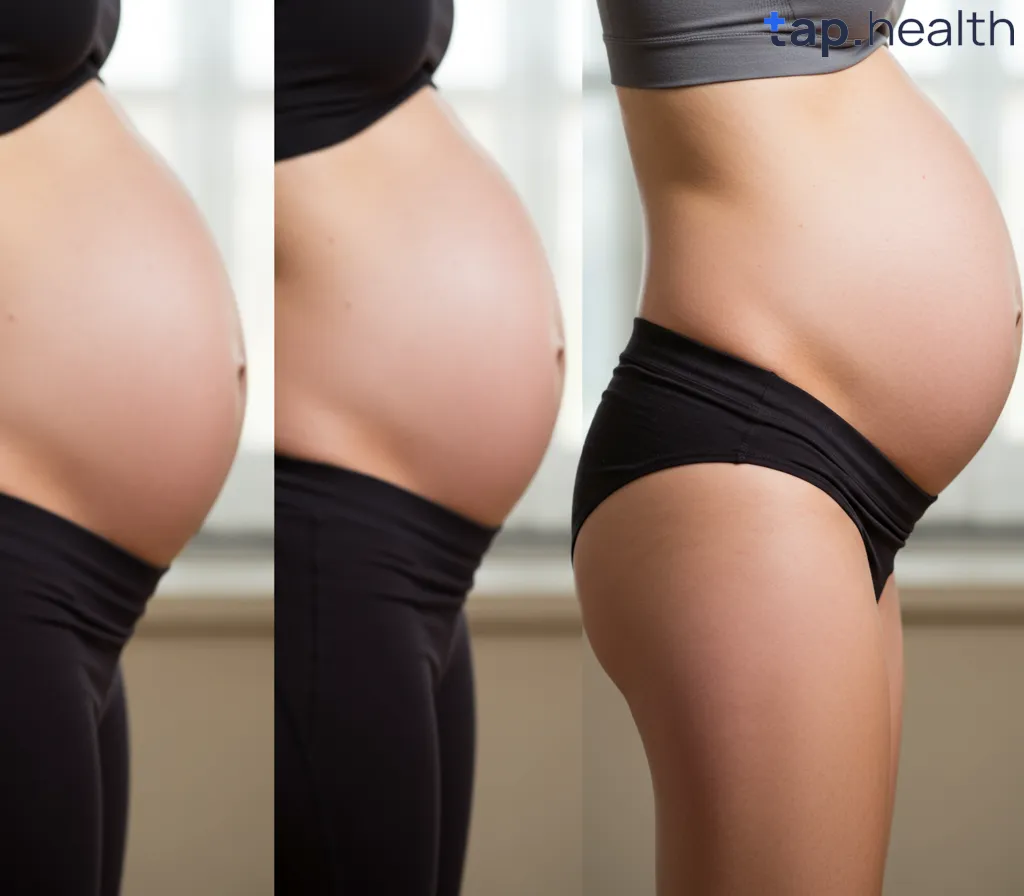
Pregnancy is a time of incredible changes, both emotionally and physically. One of the most noticeable changes is how your body transforms, and many women wonder how pregnancy will affect their figure. A common question that comes up is: “Does pregnancy make your bum bigger?”
The short answer is: Yes, pregnancy can lead to changes in the size and shape of your bum. But the full answer is more nuanced. Pregnancy doesn’t just cause weight gain in one area of your body. It triggers a complex set of changes due to hormonal shifts, weight gain, fluid retention, and the growing baby. These factors together can contribute to changes in your hips, bum, and overall figure.
In this article, we will explore how pregnancy impacts your bum, why these changes occur, and what to expect as your body goes through this transformation. We’ll also take a closer look at some of the factors that influence body changes during pregnancy, such as genetics, diet, and exercise.
How Does Pregnancy Affect Your Body?
Pregnancy causes a variety of physical changes, many of which can affect your bum, hips, and thighs. Let’s break down the factors that contribute to these changes.
1. Hormonal Changes
One of the primary reasons pregnancy affects the size of your bum and other body parts is the hormonal changes that occur during pregnancy. Several hormones, including progesterone, estrogen, and relaxin, play a significant role in how your body changes to accommodate the growing baby.
- Relaxin, in particular, helps loosen the ligaments in your pelvis to make room for the baby during childbirth. This can lead to changes in your hips and bum.
- Estrogen and progesterone promote fat storage to support the baby, particularly in areas like the hips, thighs, and bum.
These hormones trigger your body to gain weight and store fat in different places to support the pregnancy, and this is why your bum may appear bigger or fuller during pregnancy.
2. Weight Gain
It’s no secret that most women gain weight during pregnancy. According to the American College of Obstetricians and Gynecologists (ACOG), the average weight gain during pregnancy ranges from 25 to 35 pounds, depending on various factors such as your pre-pregnancy weight, overall health, and whether you’re carrying one or more babies.
While some of this weight is distributed to the belly, breasts, and other parts of the body, a significant portion can accumulate in areas like the hips and bum. This weight gain is largely due to:
- The growing baby (usually around 7 to 8 pounds by the time of birth)
- Increased blood volume and fluid retention
- Fat stores that your body accumulates to prepare for breastfeeding
While weight gain may affect your bum, it also contributes to the overall changes in your body shape and size.
3. Fluid Retention
Pregnancy often leads to fluid retention, especially in the third trimester. The body retains more water to support the growing baby, leading to swelling in various parts of the body, including the bum and hips. This can cause the area to appear larger or more rounded, although it may not necessarily be permanent.
Fluid retention can also cause your ankles, feet, and face to swell, but the bum and thighs are common areas for noticeable changes.
4. Changes in Fat Distribution
As your body adapts to pregnancy, it changes how fat is stored. Normally, fat is stored evenly across the body, but pregnancy can cause fat to be deposited in specific areas like the hips, bum, and thighs. This change in fat distribution is largely driven by the body’s hormonal response to pregnancy and its need to store energy for breastfeeding.
Fat stored around the thighs and hips helps cushion and protect the baby, as well as create energy reserves for the post-pregnancy period when you will need to nourish the baby.
5. Changes in Your Posture
During pregnancy, your body’s center of gravity shifts as your baby grows. This can cause changes in your posture, which may affect the appearance of your bum and hips. The increased weight in your belly causes you to lean forward, and your lower back may curve more. This shift in posture can make your bum appear fuller or more pronounced, especially in the later stages of pregnancy.
How Pregnancy Affects Your Bum and Hips
When discussing how pregnancy affects the bum specifically, we need to look at the overall body changes, including the hip area. Pregnancy causes several changes to your hips and bum, both due to weight gain and hormonal changes.
1. Widening of the Hips
One of the most significant changes to your body during pregnancy is the widening of the hips. As the pregnancy progresses, the body prepares for labor, and the bones and ligaments in the pelvis loosen, especially in the pubic symphysis area. This allows the hips to widen to make room for the baby during delivery.
- The hormone relaxin plays a key role in softening the ligaments and joints around the pelvis, allowing the hips to spread apart.
- This widening can give the bum a more rounded, fuller appearance, as the extra weight and hormonal changes cause fat storage around the hips and thighs.
2. Increased Size and Fullness in the Bum
With the increase in fat storage and changes in fluid retention, the bum can appear bigger and fuller during pregnancy. This change is often more noticeable in the later stages of pregnancy as the body stores more fat to support breastfeeding after the baby is born.
3. Changes in Skin Elasticity and Stretch Marks
As the bum grows and changes, the skin around your hips, bum, and thighs will stretch to accommodate the weight gain. This can lead to stretch marks, which are common during pregnancy due to the rapid expansion of the skin.
Stretch marks are a normal part of pregnancy and are caused by the stretching of collagen fibers beneath the skin. Though they might be temporary, stretch marks are a common issue many women face as their body changes during pregnancy.
Does Pregnancy Make Your Bum Bigger for Good?
The changes to your bum during pregnancy may or may not be permanent. It largely depends on the individual and how your body recovers post-pregnancy.
1. Postpartum Changes
After giving birth, your body will begin to return to its pre-pregnancy state, but it might take some time. Your hormone levels will start to normalize, and the weight gained during pregnancy may begin to naturally decrease, especially if you are breastfeeding. However, it’s important to note that some women may retain some of the weight gained in their hips and bum.
The bum may shrink back to its pre-pregnancy size, but it’s possible that the hips could remain slightly wider, depending on the extent of the pelvic changes.
2. Breastfeeding and Weight Loss
Breastfeeding can help the body return to its pre-pregnancy weight as it burns extra calories. However, the speed at which you lose weight and return to your previous body shape depends on factors like genetics, activity level, and diet. Some women may retain a fuller figure in their bum and hips even after losing weight in other areas.
3. Exercise and Postpartum Fitness
If you’re concerned about your post-pregnancy body, exercise can help. Many women incorporate postpartum fitness routines to regain strength, tone their bodies, and manage any weight they may have gained during pregnancy. Engaging in exercises that target the glutes, hips, and thighs, such as squats and lunges, can help tone the bum and restore muscle tone.
How to Maintain or Enhance Your Bum During Pregnancy
If you enjoy the fuller look of your bum during pregnancy or simply want to maintain a healthy body, here are some tips to help:
1. Stay Active
Engaging in regular physical activity during pregnancy is important for overall health. Walking, swimming, and prenatal yoga can help keep your body toned while preventing excessive weight gain. For a more sculpted bum, you can also incorporate targeted exercises like squats and lunges (with your doctor’s approval).
2. Maintain a Healthy Diet
A balanced diet rich in fruits, vegetables, lean proteins, and whole grains will support healthy weight gain and overall health. Limiting the intake of unhealthy fats and processed foods will help manage weight during pregnancy and after delivery.
3. Wear Supportive Clothing
As your body changes, it’s important to wear comfortable and supportive clothing. Maternity support belts can help with back and hip discomfort, and comfortable clothing can prevent unnecessary pressure on your bum and hips.
4. Hydrate
Drinking plenty of water helps reduce fluid retention and supports overall health during pregnancy. Staying hydrated also helps prevent swelling in your ankles, feet, and bum.
FAQ on Does Pregnancy Make Your Bum Bigger?
1. Does pregnancy make your bum bigger?
Yes, pregnancy can make your bum appear bigger due to hormonal changes, weight gain, and fluid retention. Your body stores fat in your hips and bum to support pregnancy and breastfeeding.
2. Why does my bum get bigger during pregnancy?
Pregnancy causes hormonal changes, especially an increase in estrogen and progesterone, which promote fat storage in areas like the bum and hips. Additionally, pregnancy leads to weight gain and fluid retention, which can make your bum appear fuller.
3. Will my bum stay bigger after pregnancy?
The changes to your bum after pregnancy depend on various factors, including postpartum weight loss, breastfeeding, and exercise. While some women may retain a fuller bum, others may return to their pre-pregnancy size.
4. Can exercise help tone my bum after pregnancy?
Yes, targeted exercises like squats and lunges can help tone your bum and restore muscle tone after pregnancy. Always check with your healthcare provider before beginning any postpartum exercise regimen.
5. How can I avoid excessive weight gain in my bum during pregnancy?
To avoid excessive weight gain, focus on eating a balanced diet, staying physically active, and managing your weight according to your healthcare provider’s recommendations.
In conclusion, pregnancy can cause your bum to get bigger due to a combination of hormonal changes, weight gain, and fluid retention. While these changes are temporary for some, others may see lasting differences in their figure after childbirth. However, with proper exercise, diet, and postpartum care, you can manage and maintain your body as you navigate the beautiful journey of motherhood.