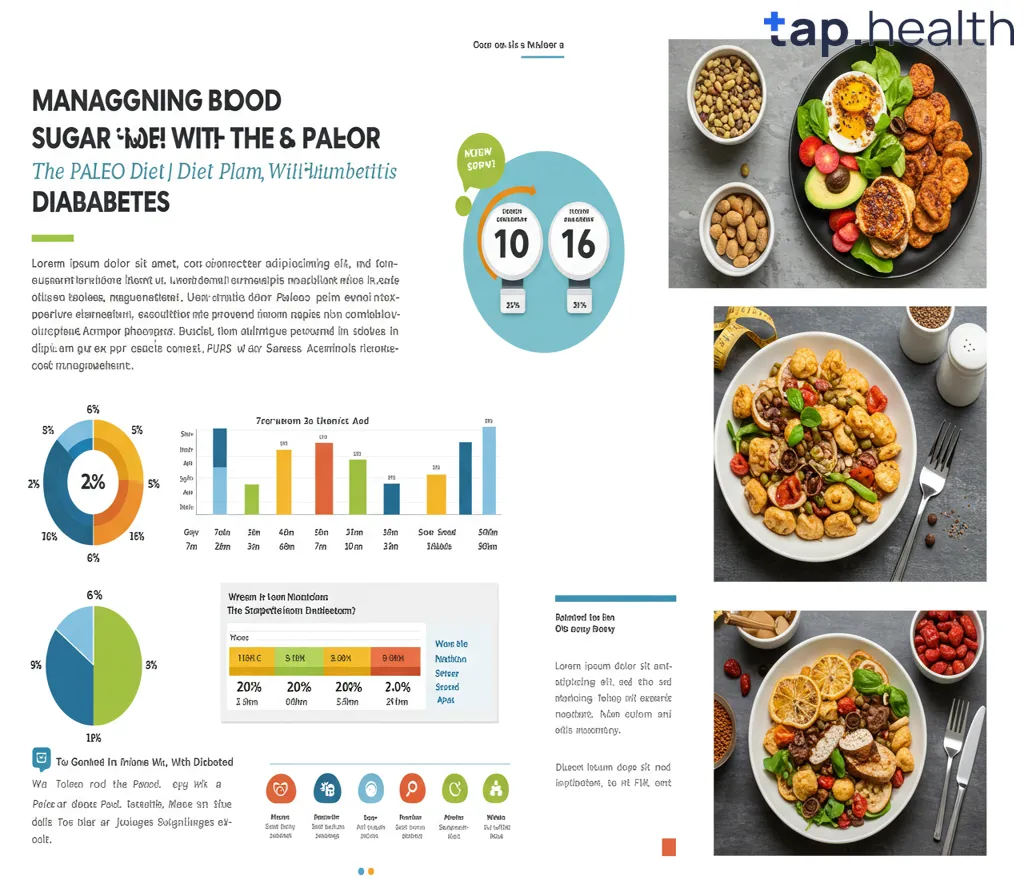
Managing diabetes is all about controlling blood sugar levels, and your diet plays a key role in this process. As many people with diabetes seek healthier eating patterns, one diet that has gained significant attention is the Paleo diet. But is the Paleo diet good for diabetes? In this guide, we’ll explore the basics of the Paleo diet, its potential benefits and drawbacks for managing diabetes, and how it can fit into your lifestyle if you’re living with this condition.
What is the Paleo Diet?
The Paleo diet, also known as the “Caveman Diet,” focuses on eating foods that our ancestors are believed to have eaten. The idea is to eat whole, unprocessed foods that were available in the Paleolithic era, which includes lean meats, fish, fruits, vegetables, nuts, and seeds, while avoiding processed foods, dairy, grains, and legumes.
Foods Included in the Paleo Diet:
- Meat and Fish: Grass-fed beef, chicken, turkey, fish, and seafood.
- Fruits and Vegetables: Fresh produce, especially non-starchy vegetables like spinach, kale, and broccoli.
- Nuts and Seeds: Almonds, walnuts, chia seeds, flaxseeds, and sunflower seeds.
- Healthy Fats: Avocados, olive oil, coconut oil.
Foods Excluded from the Paleo Diet:
- Dairy: Milk, cheese, yogurt.
- Grains: Wheat, rice, oats, barley, and corn.
- Legumes: Beans, lentils, and peanuts.
- Processed Foods: Packaged snacks, sugary foods, and beverages.
Is the Paleo Diet Good for Diabetes?
When it comes to managing diabetes, especially type 2 diabetes, the Paleo diet may offer several potential benefits. This is because the Paleo diet emphasizes whole foods that are rich in nutrients, low in processed sugars, and high in fiber, all of which are important for stabilizing blood sugar.
How the Paleo Diet Can Benefit Diabetes:
1. Improved Blood Sugar Control
The Paleo diet eliminates refined carbohydrates, processed sugars, and grains, all of which can cause rapid spikes in blood sugar levels. By focusing on whole, nutrient-dense foods like vegetables, fruits, and lean proteins, the diet can help stabilize blood sugar levels.
2. Promotes Weight Loss
Weight management is crucial for controlling type 2 diabetes. The Paleo diet is naturally low in calories, particularly because it excludes high-calorie processed foods. Many people find that by following the Paleo diet, they lose weight, which can improve insulin sensitivity and blood sugar control.
3. Better Insulin Sensitivity
One of the key factors in managing type 2 diabetes is improving insulin sensitivity. Insulin resistance is a hallmark of type 2 diabetes, and the Paleo diet, with its focus on whole, nutrient-dense foods, can help reverse insulin resistance. Consuming lean proteins, healthy fats, and fiber-rich vegetables can improve insulin sensitivity, making it easier for your body to process glucose.
4. Reduces Inflammation
Chronic inflammation is linked to insulin resistance and diabetes. The Paleo diet’s emphasis on omega-3 fatty acids (from fish and nuts) and antioxidant-rich fruits and vegetables can help reduce inflammation in the body, potentially benefiting people with diabetes.
Potential Risks of the Paleo Diet for Diabetes
While the Paleo diet has potential benefits, there are also some risks, particularly if the diet is not followed correctly or if it is too restrictive. Here are some potential downsides to consider:
1. Lack of Whole Grains and Legumes
Whole grains and legumes, which are typically excluded from the Paleo diet, are excellent sources of fiber, protein, and essential vitamins and minerals. Fiber-rich foods like oats, beans, and lentils can help regulate blood sugar and improve digestive health. Excluding these foods may limit your nutrient intake and could lead to a less balanced diet.
2. Nutrient Deficiencies
The Paleo diet may lack certain nutrients, especially calcium and vitamin D, which are typically found in dairy products. People with diabetes need to ensure they are getting enough calcium for bone health, which can be a concern if dairy is excluded. Additionally, avoiding dairy and fortified foods may lead to deficiencies in vitamin D, which is essential for immune function and bone health.
3. High in Animal Protein
The Paleo diet encourages a higher intake of animal proteins, which, when consumed in excess, may contribute to heart disease due to the high saturated fat content. While lean meats and fish are generally healthy, consuming too much animal protein without balancing it with plant-based foods could lead to negative health effects in the long run.
4. Difficulty in Following the Diet Long-Term
The restrictive nature of the Paleo diet can make it difficult to follow, especially for those with a busy lifestyle. Avoiding grains, legumes, and dairy can limit food choices, making it hard to stick to the diet. This could lead to nutritional imbalances or even emotional stress, especially if the diet feels too restrictive.
How to Make the Paleo Diet Work for Diabetes
If you decide to follow the Paleo diet to help manage diabetes, here are some tips to make it more effective:
1. Focus on Non-Starchy Vegetables
Non-starchy vegetables like spinach, kale, and broccoli should be the foundation of your Paleo meals. These vegetables are low in carbohydrates and high in fiber, making them perfect for stabilizing blood sugar levels.
2. Incorporate Healthy Fats
Include healthy fats like avocado, olive oil, and nuts in your diet. Healthy fats not only provide essential nutrients but also help you feel full longer, reducing the risk of overeating and helping to regulate blood sugar.
3. Moderate Protein Intake
While protein is an essential part of the Paleo diet, try to balance your protein intake with plenty of vegetables and healthy fats. Focus on lean meats and fish, and consider plant-based protein sources such as nuts and seeds.
4. Include a Variety of Foods
The Paleo diet can become monotonous if you rely on the same foods every day. Incorporate a variety of meats, fish, vegetables, and fruits into your meals to ensure you’re getting a wide range of nutrients. This variety can help prevent nutrient deficiencies and keep your diet balanced.
5. Monitor Blood Sugar Regularly
Even if you’re following a Paleo diet, it’s important to monitor your blood sugar levels regularly. This will help you track how your body responds to different foods and ensure you’re maintaining stable blood sugar levels.
Paleo Diet Meal Ideas for Diabetics
Here are some Paleo-friendly meal ideas that are delicious and blood-sugar friendly:
Breakfast:
- Paleo Scramble: Eggs scrambled with spinach, tomatoes, and avocado.
- Chia Pudding: Chia seeds soaked overnight in almond milk, topped with fresh berries and a sprinkle of cinnamon.
Lunch:
- Grilled Chicken Salad: Grilled chicken breast served over mixed greens with olive oil and vinegar dressing.
- Stuffed Bell Peppers: Bell peppers stuffed with ground turkey, cauliflower rice, and spices.
Dinner:
- Salmon with Asparagus: Grilled salmon served with roasted asparagus and a side of mashed cauliflower.
- Zucchini Noodles with Meatballs: Zucchini noodles topped with homemade turkey meatballs and a Paleo-friendly tomato sauce.
Frequently Asked Questions (FAQs) on Is Paleo Diet Good for Diabetes?
Is the Paleo diet good for diabetes management?
Yes, the Paleo diet can be beneficial for diabetes management, as it eliminates processed sugars and refined carbohydrates, while emphasizing whole foods that help stabilize blood sugar levels. However, it may not be suitable for everyone, and it’s important to consider the diet’s potential risks, such as nutrient deficiencies.
Can the Paleo diet help with weight loss in diabetics?
The Paleo diet can promote weight loss, especially for those with type 2 diabetes, by focusing on whole, unprocessed foods and reducing calorie intake. The elimination of sugary foods and processed carbohydrates can also contribute to weight loss, which can improve blood sugar control.
Are there any downsides to the Paleo diet for diabetics?
While the Paleo diet offers several benefits, it may also have downsides, including potential nutrient deficiencies (such as calcium and vitamin D) due to the exclusion of dairy, legumes, and grains. Additionally, the high intake of animal proteins may not be suitable for everyone, especially those at risk of heart disease.
How can I make the Paleo diet more balanced for diabetes?
To make the Paleo diet more balanced for diabetes, focus on non-starchy vegetables, healthy fats, and moderate amounts of lean protein. Incorporate a variety of foods to ensure you’re getting a wide range of nutrients and avoid restrictive eating that could lead to nutrient gaps.
Can I eat fruit on the Paleo diet if I have diabetes?
Yes, you can eat fruit on the Paleo diet, but it’s best to focus on low-glycemic fruits like berries, apples, and pears. These fruits are lower in sugar and can help stabilize blood sugar levels while providing essential vitamins and antioxidants.
Conclusion
The Paleo diet has the potential to be a helpful dietary approach for people with diabetes, as it focuses on whole foods, healthy fats, and lean proteins. By eliminating processed sugars and refined carbs, the Paleo diet can help stabilize blood sugar levels and promote weight loss. However, it is important to be mindful of potential risks, such as nutrient deficiencies, and ensure that your diet is well-balanced.
Before starting the Paleo diet, it’s always a good idea to consult with your healthcare provider, especially if you have diabetes. With the right adjustments, the Paleo diet can be an effective and sustainable option for managing diabetes.