You’ve probably heard the term “random blood sugar” at the doctor’s office, in a lab report, or maybe from a friend with diabetes. But what does it actually mean?
Simply put, random blood sugar (RBS) is a test that checks your blood glucose level at any time of day, no matter when you last ate.
It’s different from fasting blood sugar (which is done after not eating for 8 hours) or post-meal tests. Random means anytime, anyplace—hence the name.
This test is super helpful because it gives doctors a quick snapshot of your blood sugar, even if you’ve just had lunch or a snack.
In this article, we’ll answer every question you might have about random blood sugar—what it is, what’s normal, what’s high, and what it could mean for your health.
We’ll keep it simple. No confusing jargon. Just clear, reliable facts based on trusted sources like the American Diabetes Association, Mayo Clinic, CDC, and NHS.
What Does “Random Blood Sugar” Mean?
A Quick, Flexible Test
The random blood sugar test (also called casual blood glucose test) measures how much sugar (glucose) is in your blood at a single moment—without requiring you to fast.
It’s called “random” because:
- You don’t need to schedule it on an empty stomach.
- It can be done anytime—morning, afternoon, or night.
- It doesn’t matter if you’ve just eaten.
This makes it one of the most convenient ways to check for high blood sugar, especially in emergency or screening situations.
When Is It Used?
Doctors often order a random blood sugar test when:
- You have symptoms of high blood sugar (like thirst, frequent urination, or fatigue).
- They suspect diabetes but you can’t fast.
- You’re in the ER with unexplained symptoms.
- You’re being screened during a routine checkup.
It’s a fast way to get clues about your blood sugar health—without waiting for a fasting test.
How Is the Random Blood Sugar Test Done?
The test is quick and simple.
Step-by-Step Process
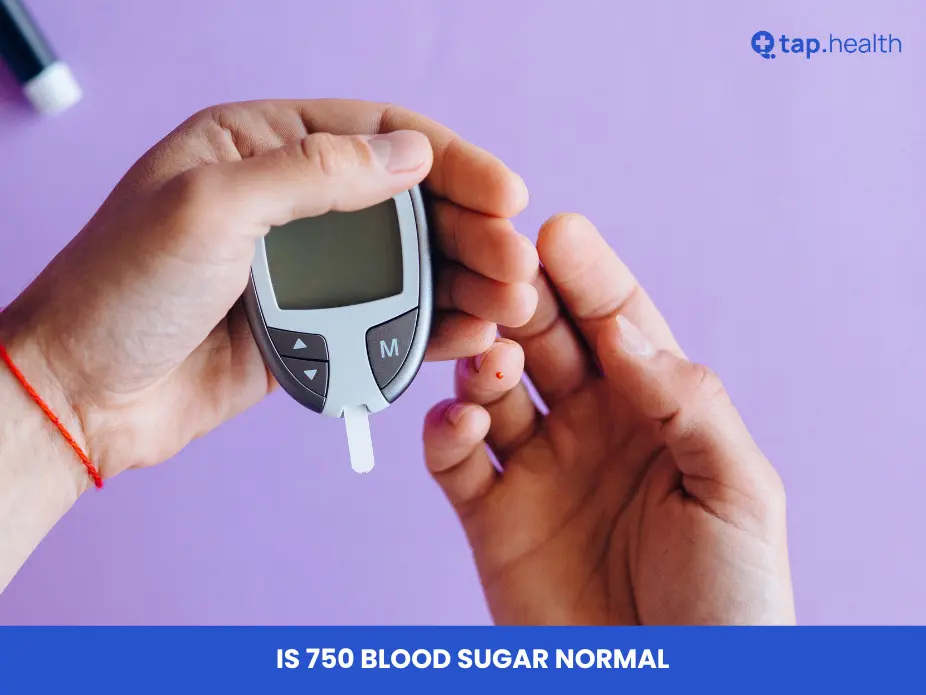
- A small drop of blood is taken from your fingertip using a lancet (a tiny needle).
- The blood is placed on a test strip.
- The strip goes into a glucose meter, which gives a reading in seconds.
In a lab, they might use a venous blood sample (from your arm) for more accuracy.
No Prep Needed
Unlike fasting tests, you don’t need to:
- Skip breakfast
- Avoid water
- Change your routine
Just go about your day. The test works whether you’ve eaten or not.
What Is a Normal Random Blood Sugar Level?
Here’s the key number to remember:
- Normal random blood sugar: Less than 140 mg/dL
But that’s not the full picture.
Let’s break it down:
| Below 140 | Normal |
| 140–199 | Prediabetes (impaired glucose tolerance) |
| 200 or higher | Likely diabetes, especially if you have symptoms |
Important: If your random blood sugar is 200 mg/dL or more and you’re experiencing symptoms like:
- Extreme thirst
- Frequent urination
- Fatigue
- Blurry vision
…your doctor may diagnose diabetes—without needing a second test.
But usually, they’ll confirm it with a fasting test or A1C test.
Why Is the Random Blood Sugar Test Important?
You might think, “Why not just do a fasting test?”
Great question.
The random test is valuable because:
1. It Catches High Blood Sugar Fast
You don’t have to wait until tomorrow morning to fast. If you’re feeling off, your doctor can test you right away.
This is crucial in emergencies or when symptoms are severe.
2. It Reflects Real-Life Conditions
Most of the day, you’re not fasting. You’re eating, digesting, and living life.
The random test shows how your body handles sugar in real time, not just after 8 hours of no food.
3. It Helps Diagnose Diabetes Quickly
In places with limited healthcare access, the random test is a fast, low-cost way to screen for diabetes.
4. It’s Great for Monitoring
People with diabetes sometimes use random checks to see how their sugar reacts to stress, illness, or meals.
What Causes High Random Blood Sugar?
If your result is high, it doesn’t always mean you have diabetes. But it’s a red flag.
Common causes include:
1. Diabetes (Type 1 or Type 2)
In diabetes, your body either doesn’t make insulin (type 1) or doesn’t use it well (type 2). This leads to high blood sugar, even randomly.
2. Prediabetes
This is when your blood sugar is higher than normal but not high enough to be diabetes. It’s a warning sign.
About 1 in 3 adults in the U.S. have prediabetes—and most don’t know it.
3. Recent Meal High in Carbs or Sugar
If you just ate a big plate of pasta, rice, or cake, your blood sugar will naturally spike.
But in healthy people, it should go back down within 1–2 hours.
If it stays high, it could mean insulin resistance.
4. Stress
Physical or emotional stress raises stress hormones like cortisol and adrenaline. These tell your liver to release more glucose—raising your blood sugar.
This can happen during:
- Illness
- Injury
- Surgery
- Anxiety
- Lack of sleep
5. Certain Medications
Some drugs can raise blood sugar, including:
- Steroids (like prednisone)
- Some antidepressants
- Diuretics (water pills)
- Antipsychotics
- Certain blood pressure medications
If you’re on any of these, your random sugar might be higher—even if you don’t have diabetes.
6. Infection or Illness
When you’re sick, your body releases hormones to fight infection. These can increase blood sugar.
Common illnesses that raise RBS:
- Flu
- Pneumonia
- Urinary tract infections (UTIs)
- COVID-19
7. Dehydration
When you’re dehydrated, your blood becomes more concentrated. That means the same amount of glucose is in less fluid—so your reading goes up.
8. Hormonal Disorders
Conditions like:
- Cushing’s syndrome
- Polycystic ovary syndrome (PCOS)
- Thyroid problems
…can affect insulin and blood sugar levels.
What Is a Low Random Blood Sugar Level?
While high RBS is more common, low levels can happen too.
Hypoglycemia (low blood sugar) is generally:
- Below 70 mg/dL
Symptoms include:
- Shakiness
- Sweating
- Dizziness
- Confusion
- Hunger
- Fast heartbeat
Who Gets Low Random Blood Sugar?
- People with type 1 or type 2 diabetes on insulin or certain meds
- Those who skip meals
- Heavy alcohol drinkers without food
- People with liver or hormone disorders
If you’re not diabetic and your RBS is low, it could be due to:
- Not eating for many hours
- Over-exercising
- Certain rare medical conditions
Always talk to your doctor if you have unexplained low readings.
How Is Random Blood Sugar Different From Other Tests?
There are several ways to check blood sugar. Let’s compare them.
1. Random Blood Sugar vs. Fasting Blood Sugar
| Random | Any time, no fasting | <140 mg/dL |
| Fasting | After 8+ hours without food | 70–99 mg/dL |
Fasting gives a baseline. Random gives a real-time snapshot.
2. Random vs. Postprandial (After-Meal) Blood Sugar
| Random | Anytime | <140 mg/dL |
| Postprandial | 1–2 hours after eating | <140 mg/dL (some say <180) |
Postprandial is more specific. Random could be post-meal—or not.
3. Random vs. A1C Test
| Random | Current blood sugar | <140 mg/dL |
| A1C | Average blood sugar over 2–3 months | Below 5.7% |
Can You Use a Home Glucose Meter for Random Testing?
Yes! Most home blood sugar meters are designed for random testing.
People with diabetes use them daily to check their levels anytime.
Even if you don’t have diabetes, you can buy a meter at a pharmacy and test yourself.
How to do it:
- Wash and dry your hands.
- Prick your fingertip with the lancet.
- Put a drop of blood on the test strip.
- Wait for the reading.
Just remember: home meters are good for screening, but lab tests are more accurate for diagnosis.
What Should You Do If Your Random Blood Sugar Is High?
Don’t panic. One high reading doesn’t mean you have diabetes.
But it’s a signal to pay attention.
Step 1: Don’t Ignore It
Even if you feel fine, high blood sugar can damage your body over time.
Step 2: Repeat the Test
Test again later in the day or the next day. Make sure you’re following the meter instructions correctly.
Step 3: See Your Doctor
If you get two or more high readings, schedule a visit.
Your doctor may order:
- Fasting blood sugar test
- A1C test
- Oral glucose tolerance test (OGTT)
These will give a clearer picture.
Step 4: Make Lifestyle Changes
Even if you don’t have diabetes yet, now is the time to act.
Start with:
- Eating more vegetables, whole grains, and lean protein
- Cutting back on sugary drinks and processed foods
- Walking 30 minutes a day
- Drinking more water
- Managing stress and sleep
Small changes can prevent or delay diabetes.
Who Should Get a Random Blood Sugar Test?
You don’t need to wait for symptoms. Some people should consider testing regularly.
You Should Get Tested If You:
- Are over 45 years old
- Are overweight or obese
- Have a family history of diabetes
- Are physically inactive
- Had gestational diabetes during pregnancy
- Have high blood pressure or cholesterol
- Have PCOS
- Belong to a high-risk ethnic group (Black, Hispanic, Native American, Asian American, Pacific Islander)
The CDC recommends that all adults over 45 get screened for diabetes every 3 years—even if they feel fine.
Can Random Blood Sugar Be Used to Diagnose Diabetes?
Yes—but with conditions.
According to the American Diabetes Association, diabetes can be diagnosed with a random blood sugar test only if:
- The result is 200 mg/dL or higher
- AND you have classic symptoms of high blood sugar
Those symptoms include:
- Frequent urination
- Excessive thirst
- Unexplained weight loss
- Fatigue
- Blurry vision
If both are true, your doctor may diagnose diabetes without further testing.
But usually, they’ll confirm it with a fasting test or A1C.
How Accurate Is the Random Blood Sugar Test?
It’s a good screening tool, but not perfect.
Pros:
- Fast
- No fasting required
- Easy to do at home or in the clinic
- Useful in emergencies
Cons:
- Affected by recent meals
- Can be influenced by stress, illness, or meds
- Not as reliable as fasting or A1C for diagnosis
Bottom line: It’s great for spotting a problem quickly, but not for final diagnosis on its own.
What Factors Can Affect Your Random Blood Sugar Reading?
Many things can change your result—even if your overall blood sugar is fine.
1. What You Ate Recently
A soda or candy bar can spike your sugar fast. Wait 1–2 hours after eating for a more stable reading.
2. Time of Day
Blood sugar tends to be higher in the morning due to the dawn phenomenon (hormones that raise sugar when you wake up).
3. Physical Activity
Exercise lowers blood sugar. If you just worked out, your reading might be lower.
4. Stress and Emotions
Anxiety, fear, or excitement can raise your sugar through stress hormones.
5. Medications
As mentioned, steroids and some other drugs can increase glucose.
6. Dehydration
Not drinking enough water can make your blood sugar appear higher.
7. Infection or Illness
Even a cold can raise your levels temporarily.
How Often Should You Check Random Blood Sugar?
It depends on your health.
If You’re Healthy and Not at Risk:
- No need to check regularly.
- Routine checkups are enough.
If You Have Prediabetes:
- Check occasionally (once a month or as advised).
- Helps you see how food and lifestyle affect you.
If You Have Diabetes:
- Check multiple times a day (before meals, after meals, at bedtime).
- Random checks help catch highs or lows between scheduled tests.
Always follow your doctor’s advice.
Real-Life Example: How RBS Helped Catch Diabetes Early
Meet Sarah, 52.
She went to urgent care with fatigue and thirst. The doctor did a random blood sugar test.
Result: 240 mg/dL
She also had frequent urination and blurry vision.
Based on the high RBS and symptoms, the doctor suspected diabetes. A follow-up A1C test confirmed it was type 2.
Sarah started eating better, walking daily, and monitoring her sugar. Within 3 months, her levels improved.
Lesson: A simple random test can catch diabetes before serious damage occurs.
Can You Prevent High Random Blood Sugar?
Yes. Most cases of high blood sugar—especially type 2 diabetes—are preventable.
7 Ways to Keep Your Random Blood Sugar in Check:
- Eat balanced meals – Include protein, fiber, and healthy fats with carbs.
- Cut out sugary drinks – Soda, juice, and energy drinks spike sugar fast.
- Move more – Even a 10-minute walk after meals helps.
- Lose extra weight – Losing 5–10% of your body weight can improve insulin sensitivity.
- Stay hydrated – Drink water instead of sugary drinks.
- Manage stress – Try deep breathing, meditation, or yoga.
- Sleep well – Poor sleep increases insulin resistance.
You don’t have to be perfect. Small, consistent changes make a big difference.
Myths About Random Blood Sugar
Let’s clear up some common misunderstandings.
Myth 1: “If I feel fine, my blood sugar must be normal.”
False. Many people with high blood sugar feel fine for years. That’s why screening is important.
Myth 2: “Only diabetics need to worry about RBS.”
No. Prediabetes affects millions. Catching it early can prevent diabetes.
Myth 3: “Eating sugar causes diabetes.”
Not exactly. Sugar doesn’t directly cause diabetes, but too much can lead to weight gain and insulin resistance—major risk factors.
Myth 4: “Home meters are always accurate.”
They’re good, but not perfect. Calibrate them, use fresh strips, and clean your hands to avoid errors.
Myth 5: “One high reading means I have diabetes.”
No. Many things can cause a temporary spike. It takes multiple tests to diagnose diabetes.
When to Seek Medical Help
See a doctor if:
- Your random blood sugar is 200 mg/dL or higher, especially with symptoms
- You have unexplained fatigue, thirst, or weight loss
- You’re at risk for diabetes and have never been tested
- You’re pregnant and have symptoms (could be gestational diabetes)
Early action can prevent complications like heart disease, nerve damage, and kidney problems.
Summary: What Is the Random Blood Sugar Level?
The random blood sugar level is a test that measures your blood glucose at any time of day—no fasting needed.
- Normal: Less than 140 mg/dL
- Prediabetes: 140–199 mg/dL
- Diabetes: 200 mg/dL or higher (with symptoms)
It’s a fast, flexible way to screen for high blood sugar and can help catch diabetes early.
While it’s not used alone for final diagnosis, it’s a powerful tool when combined with symptoms and other tests.
If your number is high, don’t panic. But do act.
Eat better, move more, manage stress, and talk to your doctor.
Your blood sugar today doesn’t have to be your future.
Frequently Asked Questions (FAQ) on What Is the Random Blood Sugar Level? A Simple Guide
Q: What is a normal random blood sugar level?
A normal random blood sugar is less than 140 mg/dL. Levels between 140–199 may indicate prediabetes. 200 or higher could mean diabetes.
Q: Can I eat before a random blood sugar test?
Yes. That’s the point—it’s done without fasting, so you can eat normally.
Q: Is random blood sugar the same as casual glucose?
Yes. “Casual blood glucose” is just another name for random blood sugar.
Q: What should I do if my random sugar is 200?
If it’s 200 or higher and you have symptoms like thirst or frequent urination, see a doctor. You may need further testing for diabetes.
Q: Can stress raise random blood sugar?
Yes. Stress releases hormones like cortisol that increase glucose production in the liver.
Q: Does illness affect random blood sugar?
Yes. Infections, fever, and other illnesses can temporarily raise blood sugar.
Q: Can I test myself at home?
Yes. Use a home glucose meter to check your random blood sugar anytime.
Q: How accurate are home glucose meters?
Most are accurate within 10–15% of lab results. Keep your meter clean and use fresh test strips.
Q: What time of day is blood sugar highest?
It’s often highest in the morning due to the dawn phenomenon, even before eating.
Q: Can drinking water lower random blood sugar?
Water doesn’t directly lower sugar, but it prevents dehydration, which can make readings higher.
Q: Is a random blood sugar of 150 high?
150 is in the prediabetes range. It’s not an emergency, but it’s a sign to make lifestyle changes.
Q: Can medications affect the test?
Yes. Steroids, some antidepressants, and diuretics can raise blood sugar.
Q: How is RBS different from A1C?
RBS shows your sugar at one moment. A1C shows your average over 2–3 months.
Q: Can I have high RBS and normal fasting sugar?
Yes. Some people spike after meals but have normal fasting levels. This is common in early insulin resistance.
Q: What is the best drink to lower blood sugar?
Water is best. Green tea and plain herbal teas are also good. Avoid sugary drinks and fruit juices.
Q: Should I be worried about one high reading?
Not necessarily. Test again. If it stays high, talk to your doctor.
Q: Can exercise lower random blood sugar?
Yes. Physical activity helps your muscles use glucose, which lowers blood sugar.
Q: How often should I check RBS if I’m prediabetic?
Ask your doctor. Many check once a week or monthly to track progress.
What is the random blood sugar level?
It’s a simple, powerful test that can help you understand your health—anytime, anywhere.
Whether you’re checking for symptoms, managing diabetes, or just curious—this test gives you real-time insight.
Use it wisely. Act early. And take control of your health—one drop of blood at a time.