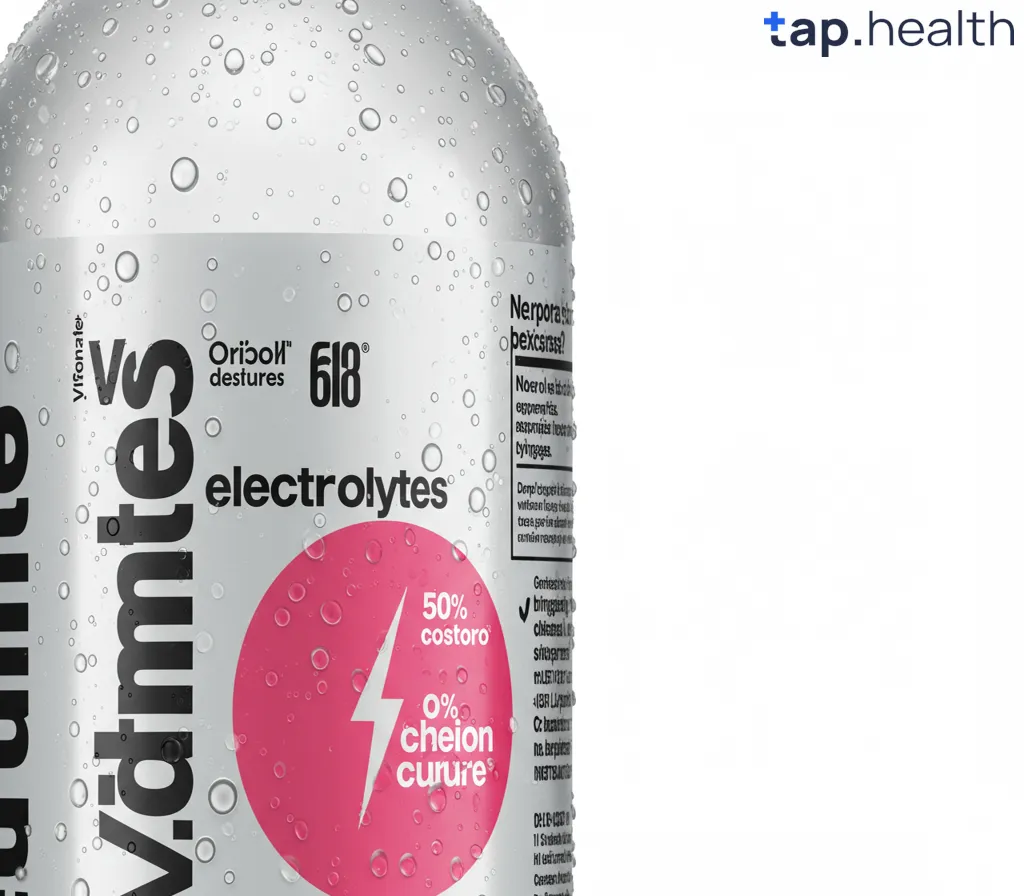
You’re at the grocery store, maybe after a workout or a long day, and you grab a bottle of Vitamin Water. It tastes sweet, fruity, and refreshing. The label says it’s “enhanced with vitamins” and “supports immune health.”
But you’re wondering:
Does Vitamin Water have electrolytes?
And more importantly—is it actually good for you?
The short answer:
Yes, most Vitamin Water products do contain electrolytes—but not all flavors have the same amount, and some have very little. Plus, many versions pack in a lot of sugar, which might cancel out the benefits.
In this article, we’ll break down everything you need to know about Vitamin Water and electrolytes—in plain, easy-to-understand language. No confusing science jargon. No robotic tone. Just honest, clear facts from trusted health sources like the Mayo Clinic, Cleveland Clinic, Harvard Health, and the U.S. Food and Drug Administration (FDA).
We’ll cover:
- What electrolytes are and why your body needs them
- Which Vitamin Water flavors contain electrolytes
- How much electrolyte content varies by flavor
- How it compares to sports drinks like Gatorade
- Whether it’s a healthy choice for kids, athletes, or everyday hydration
- Hidden downsides (like sugar and artificial ingredients)
- And much more
Let’s get into it.
What Are Electrolytes and Why Do You Need Them?
First, let’s talk about electrolytes.
Electrolytes are minerals in your body that carry an electric charge. They help your body work properly by:
- Keeping your muscles moving (including your heart)
- Balancing your fluid levels
- Sending nerve signals
- Regulating your pH (how acidic or basic your blood is)
The main electrolytes are:
- Sodium
- Potassium
- Calcium
- Magnesium
- Chloride
- Phosphorus
You lose electrolytes every day through sweat, urine, and even breathing—especially when you exercise, sweat a lot, or are sick (like with vomiting or diarrhea).
That’s why replacing them is important for staying hydrated and feeling your best.
When Do You Need Extra Electrolytes?
Most people get enough electrolytes from food and water. But you might need more if you:
- Exercise hard for more than an hour
- Sweat a lot in hot weather
- Are sick with fever, vomiting, or diarrhea
- Spend long hours outside
- Follow a low-sodium or restrictive diet
In these cases, drinks with electrolytes can help you recover faster and feel stronger.
Does Vitamin Water Have Electrolytes?
Yes—most Vitamin Water products contain electrolytes, but the type and amount vary by flavor and line.
Let’s look at the most popular version: Vitamin Water (by Glaceau, owned by Coca-Cola).
Electrolytes in Original Vitamin Water
Each 20 oz bottle of Vitamin Water contains:
- Potassium – around 75–100 mg (varies by flavor)
- Magnesium – about 10 mg
- Calcium – about 10 mg
- Phosphorus – small amounts
- No sodium in most flavors
So yes, it has some electrolytes, but not as many as sports drinks like Gatorade or Powerade.
Also, the amounts are small—especially compared to what you lose during intense exercise.
For example:
- Gatorade (20 oz): ~160 mg sodium, ~60 mg potassium
- Vitamin Water (20 oz): ~0 mg sodium, ~100 mg potassium
This means Vitamin Water is not a full replacement for a true sports drink during long or intense workouts.
Which Vitamin Water Flavors Have Electrolytes?
All original Vitamin Water flavors contain electrolytes. Here are a few examples (per 20 oz bottle):
| Revive (Lemon-Lime) | 100 mg | 10 mg | 10 mg |
| Power-C (Orange) | 100 mg | 10 mg | 10 mg |
| Energy (Dragonfruit) | 75 mg | 10 mg | 10 mg |
| Focus (Cranberry Grape) | 75 mg | 10 mg | 10 mg |
| Defense (Citrus) | 100 mg | 10 mg | 10 mg |
So, yes—all flavors have some electrolytes, mostly potassium and small amounts of magnesium and calcium.
But again, no sodium, which is a key electrolyte lost in sweat.
What About Vitamin Water Zero?
Vitamin Water Zero is a lower-calorie version sweetened with Reb A (a natural sweetener from stevia) and erythritol.
It has:
- Fewer calories (around 10–20 per bottle)
- No sugar
- Same vitamins and electrolytes as the original
So, yes—Vitamin Water Zero also has electrolytes, including:
- Potassium (75–100 mg)
- Magnesium (10 mg)
- Calcium (10 mg)
This version is a better choice if you want electrolytes without the sugar.
How Do Vitamin Water Electrolytes Compare to Sports Drinks?
Let’s compare Vitamin Water to Gatorade (one of the most popular sports drinks):
| Sodium | 0 mg | 160 mg |
| Potassium | 75–100 mg | 60 mg |
| Carbs | 32–33 g | 34 g |
| Sugar | 32 g | 34 g |
| Calories | 125–130 | 140 |
| Added Vitamins | Yes (B & C) | No |
| Sweeteners | Sugar, crystalline fructose | Sugar, dextrose |
Bottom line:
- Gatorade has more sodium, which is critical for replacing what you lose in sweat
- Vitamin Water has more potassium and added vitamins, but no sodium
- Both have similar sugar levels
So, Gatorade is better for intense workouts.
Vitamin Water is more like a flavored, vitamin-enhanced drink—not a true sports hydration product.
Is Vitamin Water Good for Rehydration?
It depends on the situation.
✅ Yes, for Light Activity or Daily Hydration
If you’re walking, doing light exercise, or just want a tastier alternative to plain water, Vitamin Water can help with hydration—thanks to its water base and small amount of electrolytes.
The vitamins (like B6, B12, and C) may also support energy and immune function.
❌ No, for Intense or Long Workouts
If you’re running a marathon, playing a long tennis match, or sweating heavily for over an hour, Vitamin Water is not ideal because:
- It has no sodium—the most important electrolyte lost in sweat
- It has a lot of sugar, which can upset your stomach during exercise
- It lacks the balanced electrolyte profile needed for full rehydration
In these cases, a sports drink with sodium and carbs (like Gatorade, Powerade, or Pedialyte) is a better choice.
What Are the Downsides of Vitamin Water?
Even though it has electrolytes and vitamins, Vitamin Water has some big drawbacks.
1. High Sugar Content
Most original Vitamin Water bottles contain 32 grams of sugar—that’s about 8 teaspoons.
To put that in perspective:
- Same as a can of soda
- More than the American Heart Association recommends for an entire day for women (25g)
Too much sugar can lead to:
- Weight gain
- Blood sugar spikes
- Increased risk of type 2 diabetes
- Tooth decay
2. No Sodium (When You Might Need It)
As we said, sodium is the #1 electrolyte lost in sweat. But most Vitamin Water flavors have zero sodium.
That means it won’t help replace what you lose during heavy sweating.
3. Artificial Ingredients in Some Versions
While Vitamin Water uses natural flavors, some people are sensitive to:
- Sucralose (in some flavored waters)
- Erythritol and Reb A (in Vitamin Water Zero)
- Citric acid (can erode tooth enamel over time)
Also, the bright colors come from natural sources (like fruit and vegetable juices), but they can still stain teeth.
4. Not a Substitute for Real Food
Vitamin Water has added B and C vitamins, but:
- Most people get enough from their diet
- The body can’t store extra water-soluble vitamins—they just pee them out
- You’re better off eating fruits, veggies, and whole grains
So, don’t rely on Vitamin Water for nutrition.
Is Vitamin Water Safe for Kids?
It’s not the best choice for kids—especially the original sugary versions.
Here’s why:
- High sugar can lead to weight gain and cavities
- Kids don’t need extra vitamins if they eat a balanced diet
- The bright colors and sweet taste can encourage a preference for sugary drinks
Better options for kids:
- Plain water
- Milk (for calcium and vitamin D)
- Diluted fruit juice (1 part juice to 3 parts water)
- Pediatric electrolyte solutions (like Pedialyte) if sick
If you do give your child Vitamin Water, choose Vitamin Water Zero and limit it to occasional use.
Can Diabetics Drink Vitamin Water?
Most original Vitamin Water flavors are not safe for diabetics due to high sugar content (32g per bottle).
However, Vitamin Water Zero is a better option because:
- It has 0 grams of sugar
- It uses non-nutritive sweeteners (stevia and erythritol), which don’t raise blood sugar
Still, some people with diabetes may react to sugar alcohols (like erythritol) with stomach upset.
Always check with your doctor before adding new drinks to your diet.
Is Vitamin Water Good After a Workout?
It can be okay for light workouts, but not ideal for intense or long sessions.
For Light Exercise (30–45 minutes)
If you went for a walk, did yoga, or a light gym session, Vitamin Water is fine. It provides:
- Fluids
- Some potassium
- Vitamins for energy and recovery
Just know you’re also getting a lot of sugar.
For Hard or Long Workouts (60+ minutes)
After intense exercise, your body needs:
- Sodium to retain fluids and prevent cramps
- Potassium for muscle function
- Carbs to refill energy stores
Vitamin Water gives you potassium and carbs, but no sodium—so it’s not the best recovery drink.
Better choices:
- Gatorade
- Coconut water (natural, but lower in sodium)
- Homemade electrolyte drink (water + pinch of salt + fruit juice)
What Are Better Alternatives to Vitamin Water?
If you want hydration with electrolytes and fewer downsides, try these:
1. Coconut Water
- Natural source of potassium
- Low in sodium
- Fewer additives
- About 600 mg potassium and 250 mg sodium per cup (check labels)
- Choose unsweetened versions
2. Pedialyte or Liquid I.V.
- Designed for rehydration
- Balanced electrolytes (sodium, potassium, chloride)
- Lower sugar than Vitamin Water
- Great for illness or recovery
3. Homemade Electrolyte Drink
Mix:
- 1 cup water
- ½ cup orange juice
- ¼ tsp salt
- 1 tsp honey or sugar
- Ice
Cheap, healthy, and effective.
4. Plain Water + Snack
Sometimes the best combo is:
- Water for hydration
- A banana (for potassium)
- A handful of nuts (for magnesium and sodium)
Simple and natural.
Does Vitamin Water Help With Immunity?
It contains vitamin C and B vitamins, which do support immune health.
But:
- The amount of vitamin C (around 50–100% DV) is helpful but not magical
- Excess vitamin C is flushed out—you can’t “boost” immunity beyond normal levels
- Immunity depends more on sleep, diet, exercise, and stress management
So, Vitamin Water isn’t a shield against colds or flu—just a small support.
Is Vitamin Water Just Sugary Water with Vitamins?
In many ways, yes.
It’s basically:
- Flavored water
- Loaded with sugar
- With added vitamins and a small amount of electrolytes
It’s not poison, but it’s not a health drink either.
Think of it like this:
- Water = 100% healthy
- Vitamin Water = slightly better than soda, but not as good as plain water
- Vitamin Water Zero = better choice if you want flavor without sugar
If you enjoy it, that’s fine—just don’t drink it every day or think it’s a health miracle.
Final Thoughts: Does Vitamin Water Have Electrolytes?
Yes—Vitamin Water does contain electrolytes, mainly potassium, magnesium, and calcium.
But:
- It has no sodium, which is key for real hydration
- The amounts are small compared to sports drinks
- Many versions are loaded with sugar (32g per bottle)
- It’s not the best choice for athletes or intense workouts
- Vitamin Water Zero is a healthier option with no sugar
So, is it good for you?
Occasionally, yes.
As a daily drink, no.
For real hydration, especially after sweating, choose drinks with balanced electrolytes and less sugar.
And remember: the best hydrator is still plain water.
Frequently Asked Questions (FAQ)
Does Vitamin Water have electrolytes?
Yes, most Vitamin Water flavors contain potassium, magnesium, and calcium. But they have no sodium, which is a major electrolyte lost in sweat.
Which Vitamin Water has the most electrolytes?
All original flavors have similar amounts: around 100 mg potassium, 10 mg magnesium, and 10 mg calcium. None have sodium.
Is Vitamin Water good for dehydration?
It can help with mild dehydration, but it’s not ideal for severe cases because it lacks sodium. For serious fluid loss, use Pedialyte or sports drinks.
Does Vitamin Water Zero have electrolytes?
Yes, Vitamin Water Zero has the same electrolytes as the original—potassium, magnesium, and calcium—but with no sugar and fewer calories.
Can I drink Vitamin Water every day?
It’s not recommended due to high sugar content. Drinking it daily can lead to weight gain and other health issues. Limit to occasional use.
Does Vitamin Water help with workouts?
Only for light exercise. For intense or long workouts, it lacks sodium and has too much sugar. Choose a sports drink instead.
Is Vitamin Water better than soda?
It has vitamins and less acid, so it’s slightly better. But with similar sugar levels, it’s not a healthy alternative. Water or unsweetened tea are better.
What electrolytes are in Vitamin Water?
Potassium, magnesium, calcium, and phosphorus. Most flavors contain no sodium.
Can kids drink Vitamin Water?
It’s not the best choice due to sugar. If they do, choose Vitamin Water Zero and limit portion size.
Does Vitamin Water have sodium?
No, most Vitamin Water flavors contain 0 mg of sodium. This makes it less effective for replacing sweat loss.
Is Vitamin Water good for your immune system?
It contains vitamin C and B vitamins, which support immunity, but not enough to prevent illness. A balanced diet is more important.
Can diabetics drink Vitamin Water?
Original flavors are high in sugar and not safe. Vitamin Water Zero is sugar-free and may be okay, but check with a doctor first.
How much sugar is in Vitamin Water?
32 grams per 20 oz bottle—about 8 teaspoons. That’s as much as a soda.
Is coconut water better than Vitamin Water?
Yes, coconut water has more potassium and natural electrolytes with less sugar and no artificial ingredients. Choose unsweetened versions.
What’s a healthy alternative to Vitamin Water?
Try water with a splash of juice, coconut water, or homemade electrolyte drinks with salt and fruit.
Vitamin Water isn’t all bad—but it’s not a health drink either. It has electrolytes, yes, but also a lot of sugar. Know what you’re drinking, enjoy it in moderation, and don’t let the “vitamin” label fool you. Your body will thank you for choosing water more often.