Vitamin E is widely recognized for its benefits in skincare, but did you know it can also work wonders for your hair? The vitamin’s antioxidant properties and its ability to support hair health have made it a popular ingredient in many hair care products. But can Vitamin E capsules be applied directly to your hair?
In this blog post, we will explore the benefits of Vitamin E for hair, how to apply it using Vitamin E capsules, and the best practices for incorporating this powerful vitamin into your hair care routine. Whether you’re dealing with dry, damaged hair or simply looking to boost hair growth, Vitamin E might just be the secret ingredient you’ve been searching for.
What Is Vitamin E?
Before we dive into how Vitamin E can benefit your hair, let’s first understand what Vitamin E is and how it works.
What Does Vitamin E Do for Your Body?
Vitamin E is a fat-soluble antioxidant that plays a crucial role in protecting your cells from oxidative stress caused by free radicals. It helps to maintain the health of your skin, eyes, and immune system.
There are eight forms of Vitamin E, but alpha-tocopherol is the most common and active form used in supplements and skincare products.
Benefits of Vitamin E for Hair Health
Vitamin E is essential for maintaining overall scalp and hair health. It nourishes the hair follicles, promotes blood circulation to the scalp, and encourages the growth of healthier hair. Additionally, Vitamin E can protect the hair from environmental damage, UV rays, and pollutants, which can lead to dry, brittle strands.
Can Vitamin E Capsules Be Applied on Hair?
Now that we know how beneficial Vitamin E is for the body, let’s answer the burning question: Can Vitamin E capsules be applied to your hair?
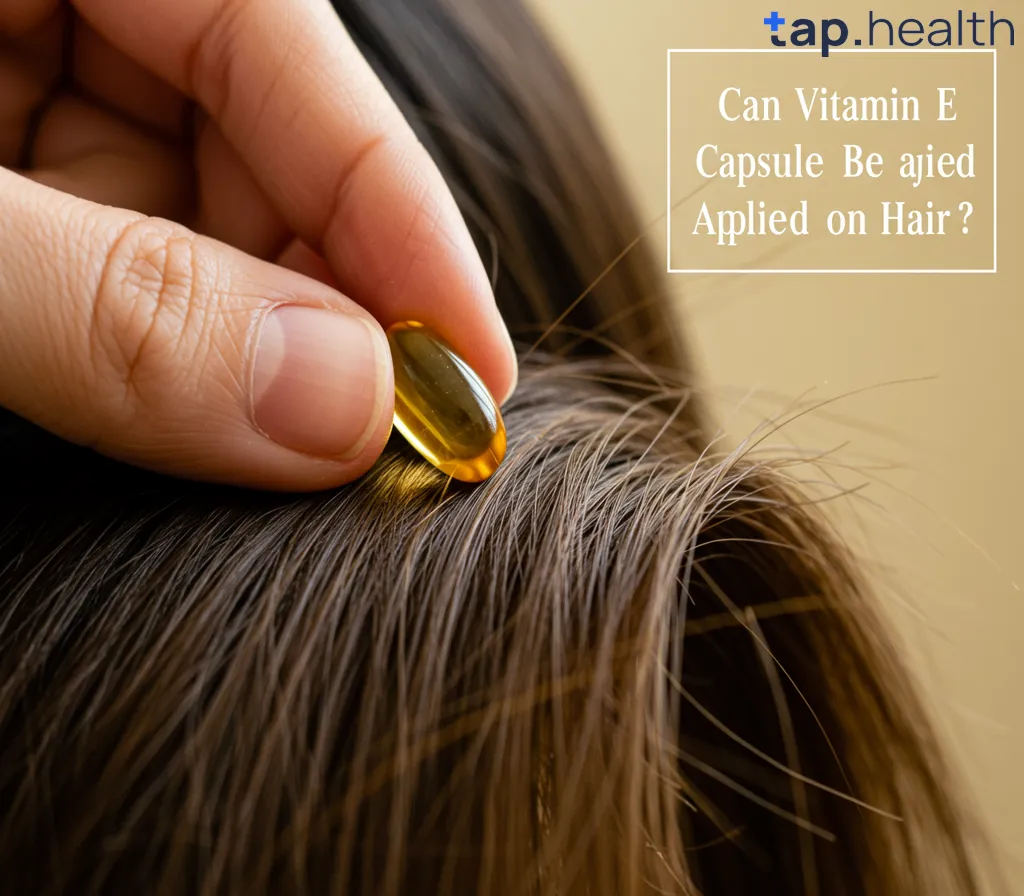
The answer is yes! Vitamin E capsules are an easy and cost-effective way to apply Vitamin E directly to your hair. While Vitamin E is commonly used in the form of oils or creams, the liquid inside Vitamin E capsules can be just as effective for promoting hair health.
How Vitamin E Works on Hair
When applied topically, Vitamin E offers several key benefits for the hair:
- Moisturizes dry hair: Vitamin E is a natural moisturizer that can help seal moisture into the hair, making it softer and more manageable.
- Promotes hair growth: Vitamin E increases blood circulation to the scalp, which promotes healthier hair growth and prevents hair loss.
- Protects against damage: Vitamin E’s antioxidant properties help to prevent environmental damage, such as from UV rays or pollution, which can cause hair to weaken and become brittle.
- Improves scalp health: Vitamin E nourishes the scalp, which can reduce dandruff and flakiness, promoting a healthier environment for hair growth.
Benefits of Applying Vitamin E on Hair
Applying Vitamin E directly to your hair can provide several benefits. Let’s explore how this powerful vitamin can improve the overall health of your hair.
1. Nourishes and Moisturizes Dry Hair
Dry hair is a common problem that many people face, especially during colder months. Vitamin E can help restore moisture to dry and brittle hair, leaving it feeling soft and hydrated. By sealing moisture into each strand, Vitamin E helps reduce frizz and improves the overall texture of the hair.
2. Promotes Hair Growth
Vitamin E has been shown to improve blood circulation in the scalp, which in turn can promote hair growth. The increased blood flow ensures that hair follicles receive the nutrients they need to grow healthy, strong hair. Vitamin E also helps in the repair of damaged follicles, which is crucial for healthy hair growth.
3. Prevents Hair Damage
The antioxidant properties of Vitamin E help protect the hair from oxidative stress, which is caused by exposure to environmental factors like pollution, UV rays, and harsh chemicals. Applying Vitamin E to your hair can create a protective barrier that shields your strands from damage and prevents premature aging of the hair.
4. Reduces Dandruff and Scalp Issues
If you struggle with dandruff or a dry, itchy scalp, Vitamin E can help soothe and nourish the scalp. Its moisturizing properties help alleviate dryness, while its anti-inflammatory effects can reduce irritation, leading to a healthier scalp environment.
5. Improves Hair Elasticity and Shine
Vitamin E helps to improve the elasticity of the hair, making it less prone to breakage. Regular application of Vitamin E can make your hair shinier and more vibrant by nourishing the cuticle and helping to maintain its natural smoothness.
How to Apply Vitamin E Capsule on Hair
Now that we know the benefits of Vitamin E for hair, let’s discuss how to apply it correctly. You can easily use Vitamin E capsules in your hair care routine. Here’s a simple step-by-step guide on how to do it:
1. Choose the Right Vitamin E Capsule
When selecting Vitamin E capsules, choose those that contain pure Vitamin E. Most Vitamin E capsules come in the form of soft gels that contain a liquid form of the vitamin. These capsules are easy to break open, and the liquid inside is perfect for direct application to your hair and scalp.
2. Prepare Your Hair
Start by washing your hair with a mild shampoo to remove any product buildup and dirt. Clean hair allows the Vitamin E to be absorbed more effectively. After rinsing, towel dry your hair so it’s damp but not soaking wet. This will help the Vitamin E spread evenly.
3. Extract Vitamin E from the Capsule
Use a clean pair of scissors to carefully cut the Vitamin E capsule open. Squeeze out the liquid into a small bowl. Depending on your hair length, you may need to use more than one capsule.
4. Apply Vitamin E to Scalp and Hair
Using your fingers or a small applicator brush, apply the Vitamin E oil directly to your scalp and work it through your hair. Start at the roots and massage it gently into your scalp to stimulate circulation. Then, work the oil down the lengths of your hair, paying special attention to the ends, which tend to be drier and more prone to damage.
5. Leave It In and Wait
For best results, leave the Vitamin E oil on your hair for at least 30 minutes to an hour. You can also wrap your hair in a warm towel or use a shower cap to create heat, which will help the oil penetrate deeper into your scalp and hair.
6. Rinse and Condition
After the waiting period, rinse the Vitamin E oil out of your hair thoroughly with warm water. Follow up with a conditioner to keep your hair soft and hydrated. You may need to shampoo your hair once more if the oil feels heavy.
How Often Should You Apply Vitamin E to Your Hair?
The frequency of application depends on your hair type and goals. Here are some general guidelines:
For Dry or Damaged Hair
If you have dry or damaged hair, applying Vitamin E once a week can help restore moisture and improve hair texture.
For Hair Growth
To promote hair growth, you can apply Vitamin E once or twice a week to stimulate blood flow to the scalp and nourish the hair follicles.
For Scalp Health
If you suffer from a dry or flaky scalp, applying Vitamin E oil once a week can help hydrate and soothe irritation.
Are There Any Risks or Side Effects of Applying Vitamin E on Hair?
Although Vitamin E is generally safe to use on hair, there are a few potential side effects to be aware of:
1. Allergic Reaction
Some people may be allergic to Vitamin E or its ingredients. If you experience redness, itching, or swelling after applying Vitamin E to your scalp or hair, stop using it immediately and wash your hair thoroughly.
2. Greasy Residue
Vitamin E oil is rich and thick, which means it can leave your hair feeling greasy if you apply too much. Be sure to use only a small amount and adjust according to your hair type.
3. Clogged Pores
For those with oily or acne-prone skin, using Vitamin E on the scalp may cause clogged pores or folliculitis. If you notice acne or pimples on your scalp, consider reducing the frequency of application or switching to a lighter Vitamin E product.
FAQ: Can Vitamin E Capsule Be Applied on Hair?
1. Can I apply Vitamin E capsule on my hair every day?
It’s best to apply Vitamin E on your hair once or twice a week, depending on your hair type and needs. Overuse could lead to greasy hair or clogged pores.
2. How long should I leave Vitamin E oil in my hair?
Leave the Vitamin E oil in your hair for 30 minutes to an hour for optimal results. For deeper conditioning, you can leave it on overnight, but ensure you cover your hair with a towel or shower cap.
3. Can Vitamin E oil help with hair thinning?
Yes, Vitamin E may help with hair thinning by improving blood circulation to the scalp, nourishing the hair follicles, and promoting healthier hair growth.
4. What’s the difference between Vitamin E oil and capsules for hair?
Vitamin E capsules contain the same liquid form of Vitamin E as in oils and can be just as effective. Capsules are a convenient and affordable way to apply the vitamin directly to your hair.
5. Can Vitamin E cause hair loss?
No, Vitamin E is generally beneficial for hair health. However, if you have a sensitivity to the oil, it might lead to irritation or clogged pores, which could affect hair growth.
Conclusion
Applying Vitamin E capsules on your hair can provide a range of benefits, including improved hydration, hair growth, and scalp health. Whether you’re dealing with dry hair, dandruff, or thinning hair, Vitamin E is a great addition to your hair care routine.
Just be sure to use it in moderation, start slowly, and watch for any signs of irritation. By incorporating Vitamin E into your hair care routine correctly, you can enjoy healthier, shinier, and stronger hair in no time.